
Reviewed · COOKING CLASSES
Marrakech: Moroccan Cuisine Cooking Class in Local Home
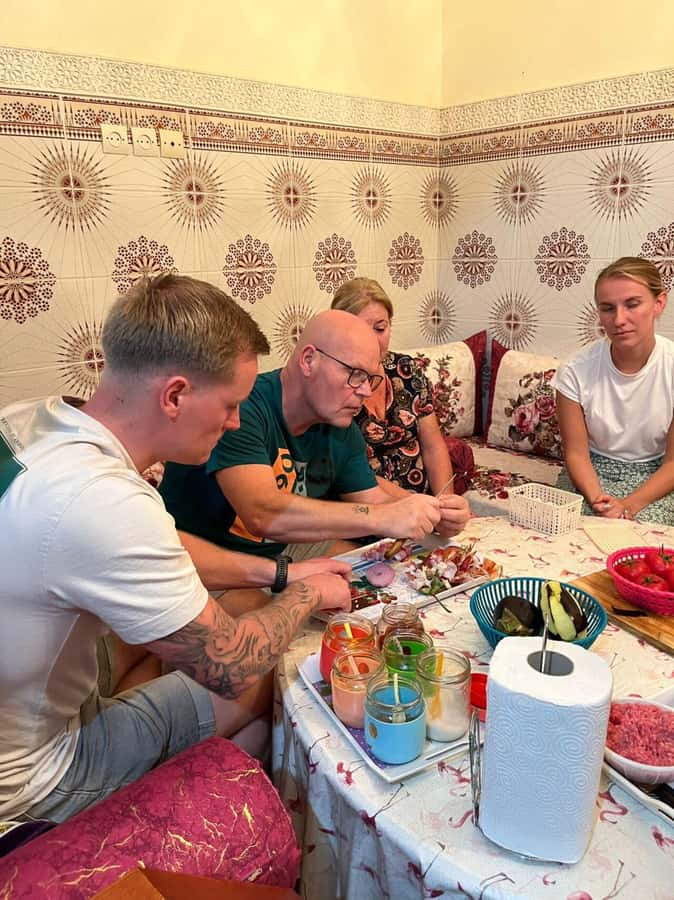
The best part of this Marrakech cooking class is that you cook in a local home, not a polished school designed only for visitors. You chop the vegetables, shape the meatballs, bake Moroccan bread, and sit down to eat the meal you helped make. I especially like the friendly, story-filled teaching style and the chance to learn about tea, family life, and local customs at the same table.
I also like the $24 price, which covers three hours, ingredients, instruction, the meal, and take-home recipes. The main drawback is finding the meeting point in the medina. You meet outside Riad Les Etoiles Berberes, not inside, and a few people have needed extra directions or Google Maps to get there.
Key points at a glance
- Cook in a Moroccan home: The setting gives the class a more personal feel than a standard cooking studio.
- Make several dishes: Expect Moroccan bread, tagines, salads, zaalouk, and fruit dessert, though the menu can change.
- Learn by doing: You chop, season, shape, cook, plate, and eat rather than simply watch a demonstration.
- Hear local stories: The bilingual host talks about Moroccan food, tea, social customs, and daily life.
- Good for beginners: Instructions are step by step, with enough room for experienced cooks to ask questions.
- Plan your arrival: Meet ten minutes early outside Riad Les Etoiles Berberes and look for the guide wearing a green hat.
A Marrakech cooking class with a seat at the family table
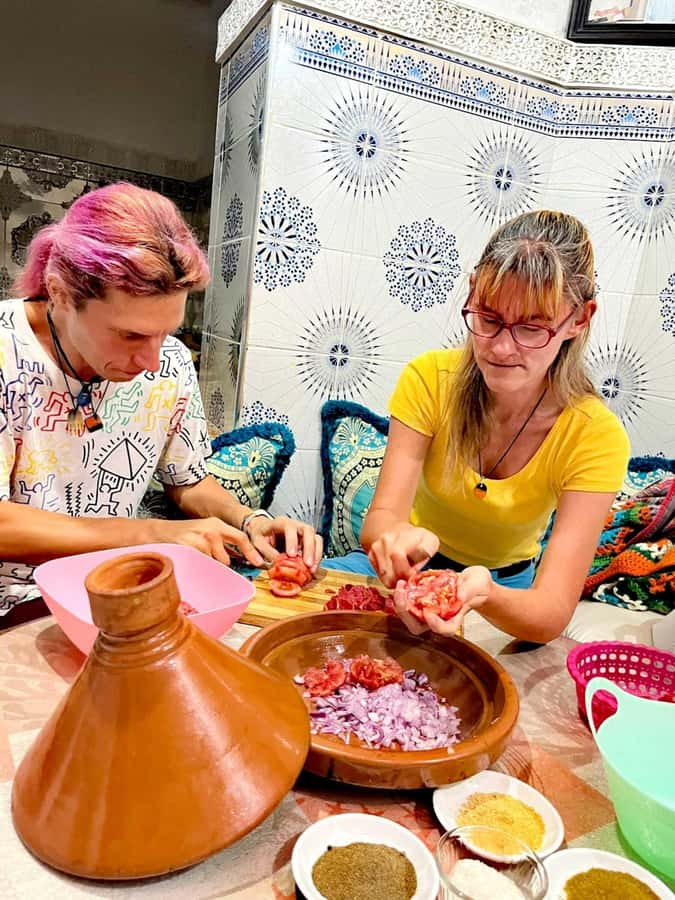
Moroccan food is easy to admire in a restaurant, but cooking it gives you a better sense of how the flavors come together. The three-hour session takes place in a traditional home in the Marrakech medina, where the kitchen and dining area become the center of the experience.
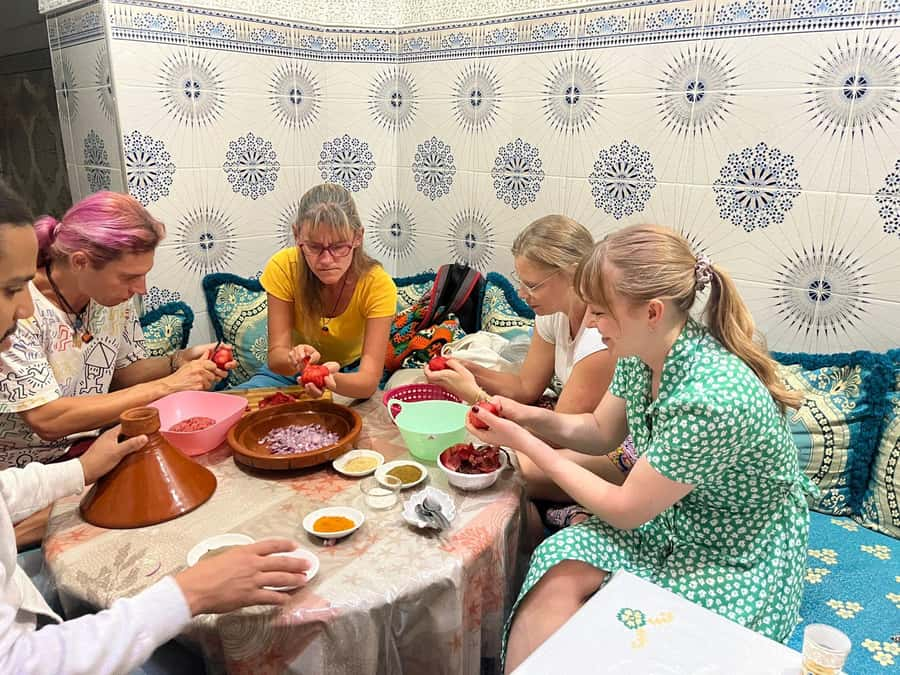
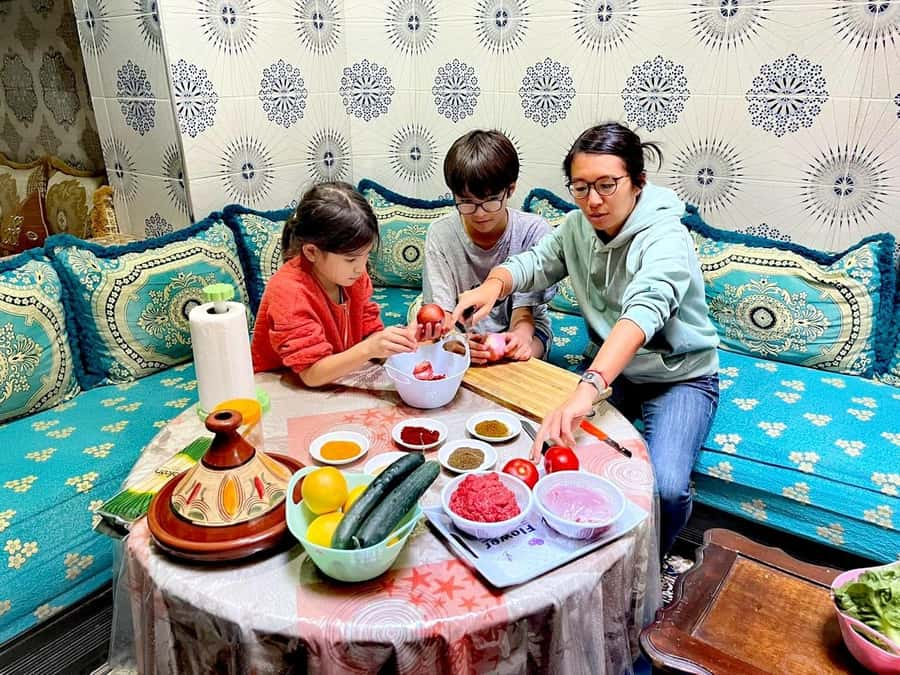
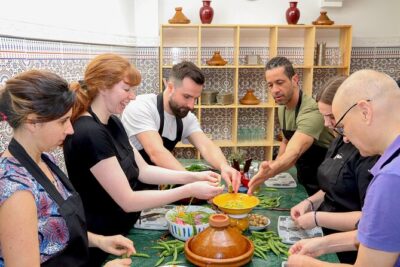
You are not handed a plate and sent on your way. You take part in the work. That can mean peeling and chopping vegetables, preparing salad, seasoning meat, shaping meatballs, helping with tagines, and learning how Moroccan bread is made. The host guides the group through each stage, so you do not need prior cooking skill.
The class is led in English, Dutch, French, or Arabic, depending on the guide and group. Abdo, Abdul, and Abdoo are names used by the hosts in recent sessions, with Abdul and Abdo especially often praised for their humor, patience, and clear instructions. The teaching style is friendly rather than formal. You can ask questions while you work, then continue the conversation over the meal.
That social side matters. Moroccan cooking is tied to hospitality, family gatherings, tea, and long conversations. You get more than a set of recipes. You get a window into how food fits into everyday Moroccan life.
More Cooking Classes in Marrakech
- Marrakech: Moroccan Cooking Class with Pickup
★ 4.6 · 1,862 reviews - Marrakech: Traditional Moroccan Cooking Class & Market Visit
★ 4.8 · 1,861 reviews - Marrakesh: Moroccan Dishes Cooking Class with a Local Chef
★ 5.0 · 1,615 reviews
Finding Riad Les Etoiles Berberes
The meeting instructions deserve careful attention. You meet ten minutes before the starting time outside Riad Les Etoiles Berberes. Do not go inside the riad while waiting. The cooking home is nearby, and the guide will take you from the meeting point.
Look for a guide wearing a green hat. The guide will check your names before leading you onward. This simple system helps, but the medina can still be confusing, especially if you are arriving after dark or carrying bags.
Use Google Maps rather than Apple Maps, and allow extra time. Some people have found the area difficult to locate, and one practical tip is to ask the accommodation where you are staying for directions to the riad before setting out. Since transportation is not included, you walk to the meeting point yourself.
The walk is part of the setting. You leave the main tourist routes and pass through a more residential part of the medina. That helps you see a side of Marrakech that a restaurant near the central square may not offer. Still, wear comfortable shoes. The class information specifically recommends them, and medina streets are not the place for delicate footwear.
What you cook during the three hours
The menu is generous for a class costing $24. The planned dishes include freshly baked Moroccan bread, chicken tagine with olives and golden fries, meatball tagine topped with melted cheese, tomato and green pepper salad, zaalouk, and fruit salad.
You might not prepare every item on every visit. The menu can change according to ingredient availability, the size of the group, and dietary restrictions. Different sessions have included lamb meatball tagine, chicken skewers with zucchini, two types of tagine, Moroccan salads, pastries, orange with cinnamon, and fruit dessert.
The heart of the class is the tagine. You learn how ingredients are prepared, how the seasoning is built, and how the dish cooks slowly in the traditional vessel. The recipes are approachable, which is good news if you are not a confident cook. Several sessions have been described as basic in technique but full of flavor.
The salads add welcome contrast to the cooked dishes. Tomato and green pepper salad is fresh and sharp, while zaalouk uses eggplant for a softer, smoky preparation. These are useful dishes to learn because they do not require elaborate equipment at home.
The bread lesson is another appealing touch. Moroccan bread gives you a chance to work with dough and understand how it fits into the meal. The exact process and shape may vary, but the class includes hands-on instruction rather than a finished loaf appearing from nowhere.
Dessert is usually simple, such as fruit salad or fruit with orange and cinnamon. That is a sensible ending after tagines and bread. It keeps the meal fresh and lets the main dishes remain the focus.
A step-by-step look at the experience
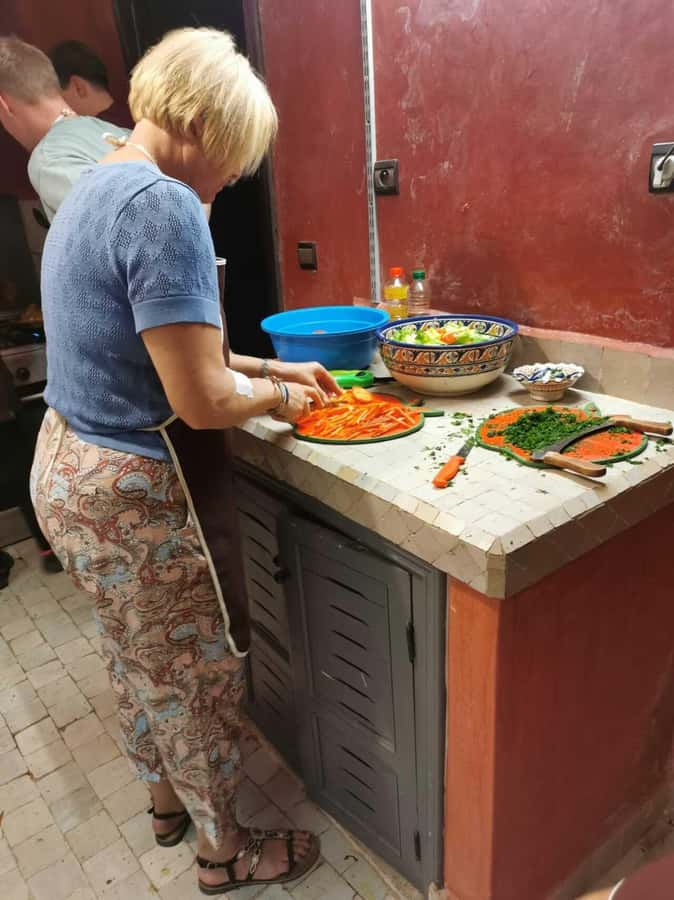
The class begins with an introduction to the home, the cooking plan, and the Moroccan food traditions behind it. You then move into preparation. Everyone gets a task, and the host explains how ingredients are cut, seasoned, and combined.
The work is shared, so you are not expected to cook an entire meal alone. In a group of five or six, you may get plenty of direct contact with the food and the instructor. Larger groups can also be accommodated, with past sessions including around nine, eleven, and twelve people. The amount of individual cooking time may depend on group size.
As dishes cook, the session becomes less rushed. This is when the host talks about tea, social customs, family traditions, and life in Marrakech. You may also hear practical advice about buying spices, choosing cooking tools, and seeing the city beyond its main tourist areas.
Moroccan tea is part of the experience in many sessions. You learn about the tradition and, in some classes, how to pour it in the Moroccan style. One guide even turned the pouring practice into a lighthearted competition. Tea is not just a drink here. It is a social ritual, and learning its place in daily life adds useful context to the cooking.
Finally, the group plates the food and sits down together. The host offers advice on presentation, then you eat the meal you prepared. This shared table is one of the strongest parts of the class. It brings together the cooking, conversation, and cultural explanation in one natural finish.
A completely different kind of day in Marrakech:
- Marrakech: Quad Bike Tour to Palm Oasis and Jbilat Desert
★ 4.8 · 11,831 reviews - Marrakesh: Majorelle Garden Entry Tickets
★ 4.5 · 9,651 reviews - Marrakech Quad Bike Experience: Desert and Palmeraie
★ 4.5 · 9,509 reviews - Marrakech: Balloon Flight, Berber Breakfast & Certificate
★ 4.8 · 8,164 reviews
The local-home setting, and what it changes
A cooking school can offer better purpose-built equipment, but a home gives you a different experience. You see where the cooking happens, how the meal is arranged, and how hospitality feels in a Moroccan household.
The home used for the class has been described as welcoming, clean, and comfortable for group meals. The kitchen itself may be small and charming rather than designed for professional instruction. That can mean you occasionally stand close to other people or wait briefly for a task, but it also keeps the experience personal.
I like this setting because it helps connect the recipes to daily life. A tagine is not merely a dish on a menu. It is something prepared, shared, and discussed. The stories from the host give the food a human context that a printed recipe cannot provide.
The setting also makes the class a useful rainy-day activity. You stay indoors for three hours, keep busy, and finish with a substantial meal. It works well on a day when the souks or monuments are less appealing.
Group size, pace, and the social side
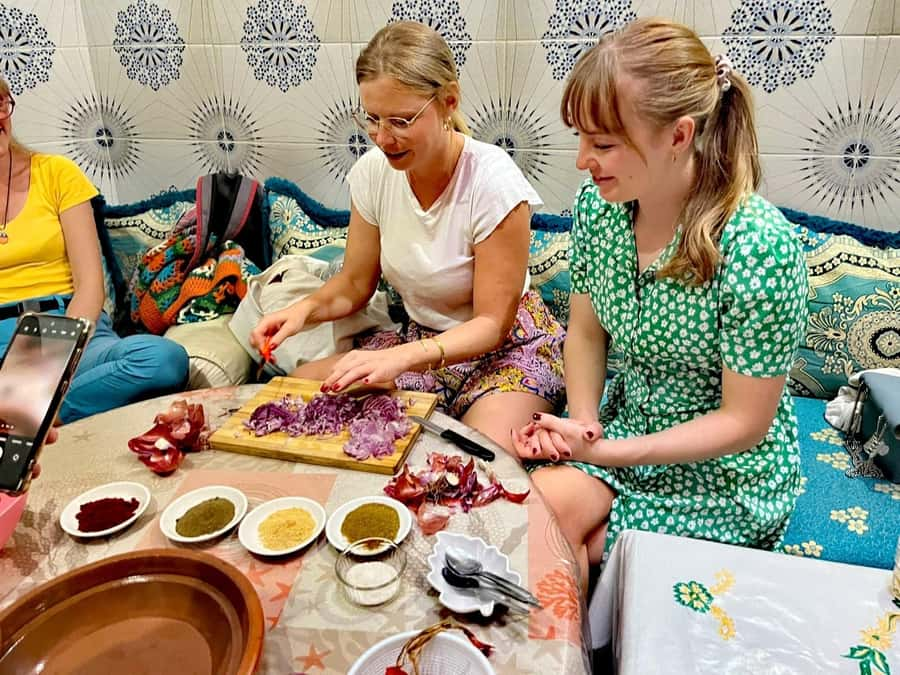
The group size is not fixed in the information provided. Past sessions have ranged from an intimate booking for two to groups of about twelve. That creates two different kinds of experience.
With a small group, you can ask more questions and receive close help with each dish. A private or nearly private session may feel relaxed and tailored. With a larger group, you get more conversation and meet people from different countries, but you may share tasks more widely.
The pace is generally gentle. The class lasts three hours, giving enough time to prepare the dishes, talk, cook, eat, and receive the recipes. It is not a rapid demonstration followed by a rushed meal.
Families can enjoy it because the instructions are simple and the host works to include everyone. It is also a good choice for solo visitors who want a social evening without committing to a formal group tour around the city. Couples and friend groups should enjoy the shared work, especially if they like food but do not want a highly technical lesson.
Dietary needs and cooking ability
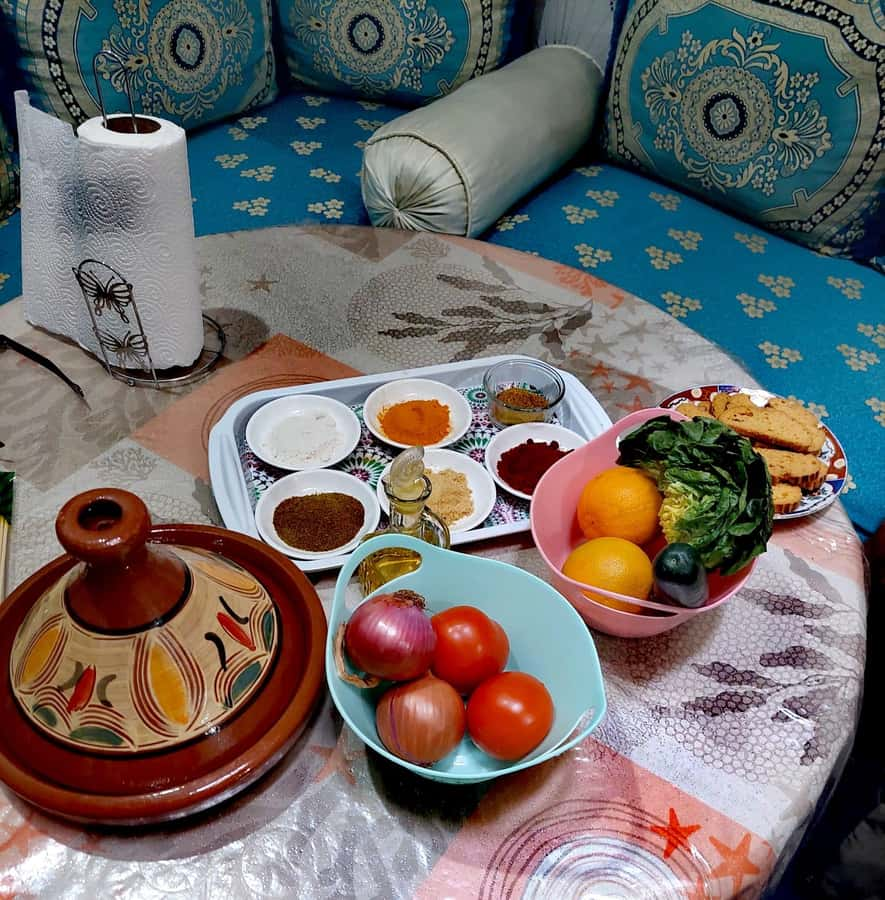
You do not need cooking experience. Beginners receive step-by-step guidance, while more experienced cooks can focus on seasoning, technique, and questions about Moroccan ingredients.
Tell the host about dietary restrictions as soon as possible. The menu can be changed, and vegetarians have been accommodated successfully. Do not wait until you sit down to eat. Early notice gives the guide time to plan suitable ingredients and dishes.
The class is hands-on, so expect to participate rather than simply observe. Wear comfortable clothes and tie back long hair. Comfortable shoes are useful, and cash is recommended. Smoking, alcohol, drugs, and loud behavior are not allowed.
The activity is listed as wheelchair accessible, but the meeting point and route through the medina may still require practical planning. If you use a wheelchair, confirm the exact access arrangements before booking, especially since the cooking home is reached from the meeting point rather than by included transport.
Is $24 good value?
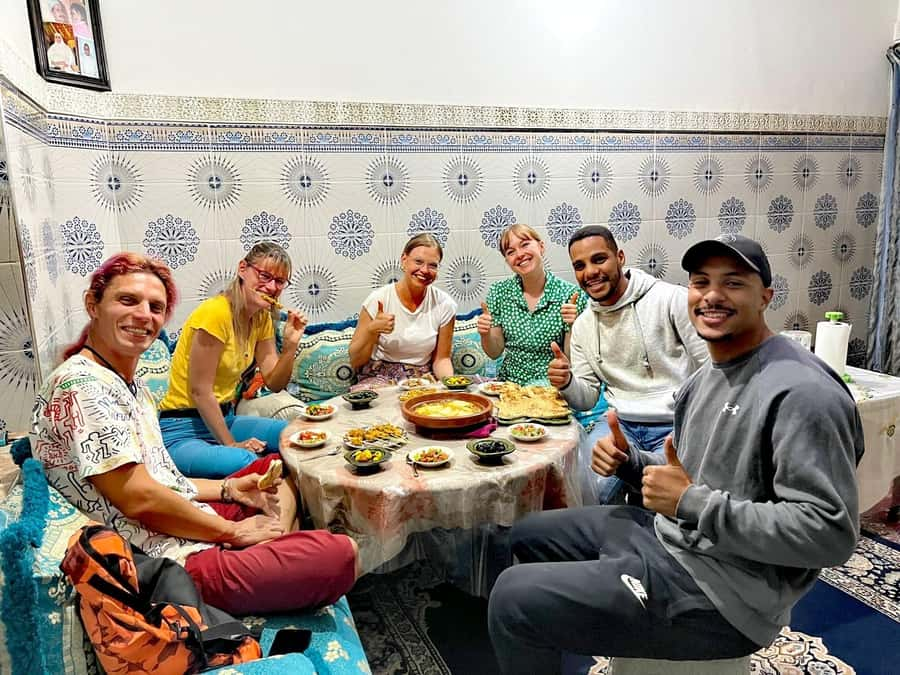
At $24 per person, this is one of the more affordable ways to spend three hours in Marrakech. The price includes the bilingual guide, ingredients, the cooking lesson, the meal, fruit dessert, cultural storytelling, plating advice, and recipes to take home.
The value is strongest if you count the class as both a meal and an activity. You are not paying only for lunch or dinner. You are also paying for instruction, a local setting, conversation, and the chance to recreate the food later.
The menu is substantial enough to make the meal feel worthwhile. You may prepare several salads, one or two tagines, bread, tea, and dessert. Exact dishes vary, so you should not book expecting one guaranteed menu item beyond the general Moroccan cooking theme.
There is no included transportation. That keeps the price low, but it means you must handle the walk to the meeting point. If you are staying far from the medina, allow extra time and consider the cost of getting there separately.
Free cancellation is available up to 24 hours before the start time, and you can reserve now and pay later. Those terms are useful if your Marrakech schedule is still shifting.
Who should book this class?
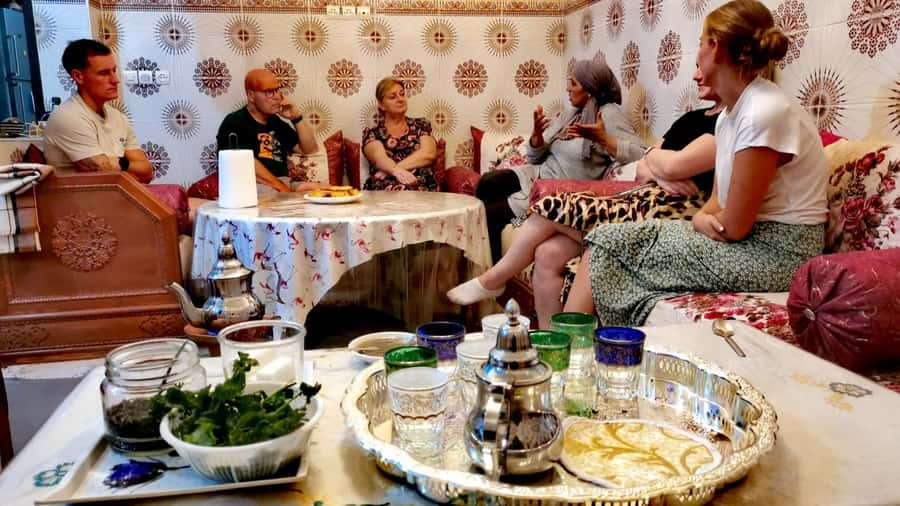
I would recommend it to anyone who wants more contact with Moroccan culture than a standard restaurant meal provides. It is especially suited to:
- First-time visitors who want practical food and city tips
- Beginners who prefer relaxed instruction
- Families with older children or young adults
- Vegetarians who notify the host in advance
- Couples and solo visitors looking for a social activity
- Anyone needing an indoor plan on a rainy day
It may be less suitable if you want a highly technical culinary course, professional kitchen equipment, or a fixed menu with exact dishes guaranteed. The teaching is practical and social rather than advanced.
You should also think about timing. Several people wished they had booked the class earlier in their stay, since the host can offer useful suggestions about spices, tools, neighborhoods, and things to do in Marrakech. Booking near the start of your visit could make those tips more useful.
What to bring and how to prepare
Wear clothes that are comfortable for chopping, standing, and sitting down to eat. Tie back long hair and bring comfortable shoes. Carry some cash, and keep your phone ready for directions to Riad Les Etoiles Berberes.
Arrive ten minutes early. Wait outside the riad, not inside, and look for the green hat. If you have a food allergy, vegetarian requirement, or other restriction, contact the host before the day of the class.
Bring an appetite. The meal can include several tagines, salads, bread, and dessert, and the shared table is a major part of the experience. You will also receive recipes, so take note of the ingredients and techniques you want to repeat at home.
Should you book it?
Yes, if you want a friendly, low-cost introduction to Moroccan food with real participation. The strongest reasons are the local-home setting, the generous menu, the cultural conversation, and the fact that you eat what you prepare.
Book it early in your Marrakech stay if you want city advice, and give advance notice about dietary needs. Use Google Maps, arrive early, and do not expect a formal culinary school. If you accept a flexible menu and a social group format, this class offers unusually good value for three hours and leaves you with recipes you can use long after Morocco.
FAQ
How long does the Moroccan cooking class last?
The class lasts three hours, including preparation, cooking, cultural conversation, plating, and the shared meal.
Where do I meet the guide?
Meet outside Riad Les Etoiles Berberes in the Marrakech medina. Wait in front of the riad rather than going inside. The guide will wait ten minutes before the start time and will wear a green hat.
Is transportation included?
No. Transportation is not included, so you need to make your own way to the meeting point.
What dishes will I prepare?
The planned menu can include Moroccan bread, chicken tagine with olives and fries, meatball tagine with melted cheese, tomato and green pepper salad, zaalouk, fruit salad, and Moroccan tea. The menu may change.
Is the class suitable for beginners?
Yes. The class is designed for beginners but also suits people with previous cooking experience. The guide provides step-by-step instructions.
Can the menu accommodate dietary restrictions?
Yes. The menu can be modified for dietary restrictions. Tell the host as soon as possible so suitable arrangements can be made.
What languages are available?
The live guide may speak English, Dutch, French, or Arabic.
What should I bring?
Bring comfortable shoes, comfortable clothes, cash, and a hair tie. Arriving with a good map route on your phone is also useful for finding the meeting point.
Can I cancel the booking?
You can cancel up to 24 hours in advance for a full refund. Reserve now and pay later is also available.
Just added around Marrakech
- Quad in the Palmeraie of Marrakech★ 5.0 · 41 reviews
- Marrakech Desert Camel Ride★ 5.0 · 17 reviews
- Sunset Camel Ride in the Palm Grove Of Marrakech★ 5.0 · 34 reviews
- Private Airport Transfer from or to Marrakech Menara Airport.★ 4.5 · 63 reviews
- Marrakech The History and Culture Day Trip★ 4.5 · 45 reviews
- Marrakech: Tailor-Made City Tour With Your Own Private Guide★ 4.9 · 236 reviews
- Marrakech palm grove: Sunset camel ride★ 4.8 · 194 reviews
- Sparkling Marrakech through the eyes of your local Guide★ 4.7 · 247 reviews
Cooking Classes, compared.
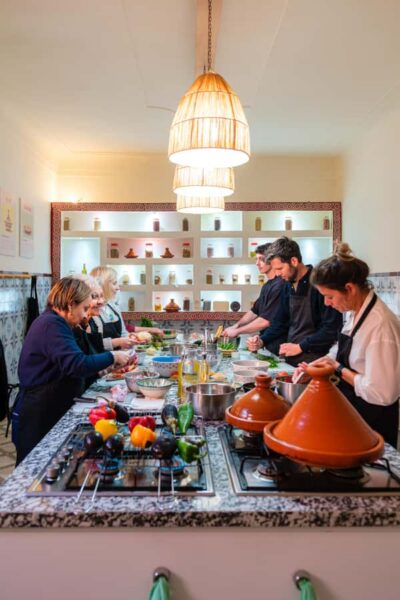
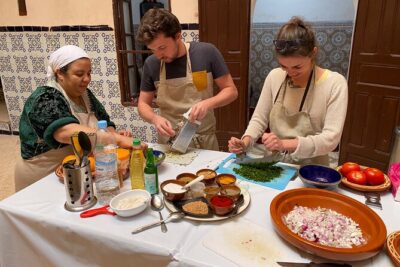
Half-Day Cooking Class with Local Chef Laila in Marrakech
Read our review →
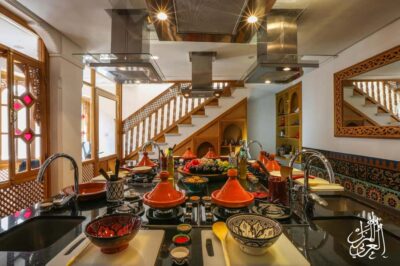
Marrakesh cooking class with chef Hassan – Local dishes
Read our review →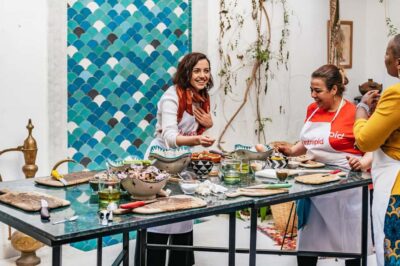
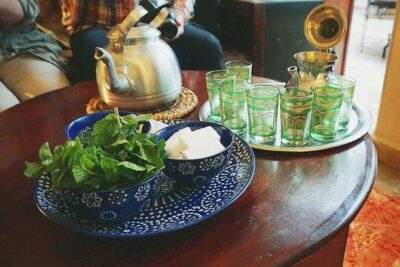
Marrakech Tour: Tajine Cookery Class Experience
Read our review →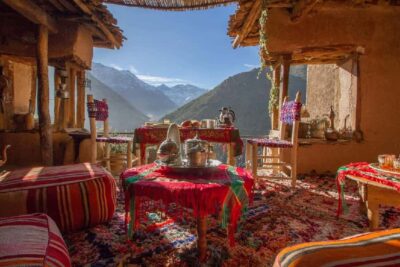
Atlas Mountains Cooking Class with Berber Family
Read our review →Browse the lists this tour appears in