
Reviewed · BERBER VILLAGE TOURS
Marrakech: Atlas Mountains Cooking Class with Berber Family
The best part of this day is not simply learning to make a tagine. It is being welcomed into a Berber family home, where a grandmother such as Yemna or Auntie guides you through tagine, couscous, and bread while the Atlas Mountains fill the view. I like the local market stop and the small-group feel, which makes the day personal rather than factory-like.
I also like that your lunch starts with ingredients you help choose, and that guides such as Badr, Ibrahim, and Ismail add stories about village life and Berber traditions. The main catch is timing: lunch may not be served until 2:30, 3, or even 4 p.m., and the walk to the house includes uphill paths and steps.
Key points at a glance
- Shop for the ingredients first: Choose vegetables at a local market before cooking the meal.
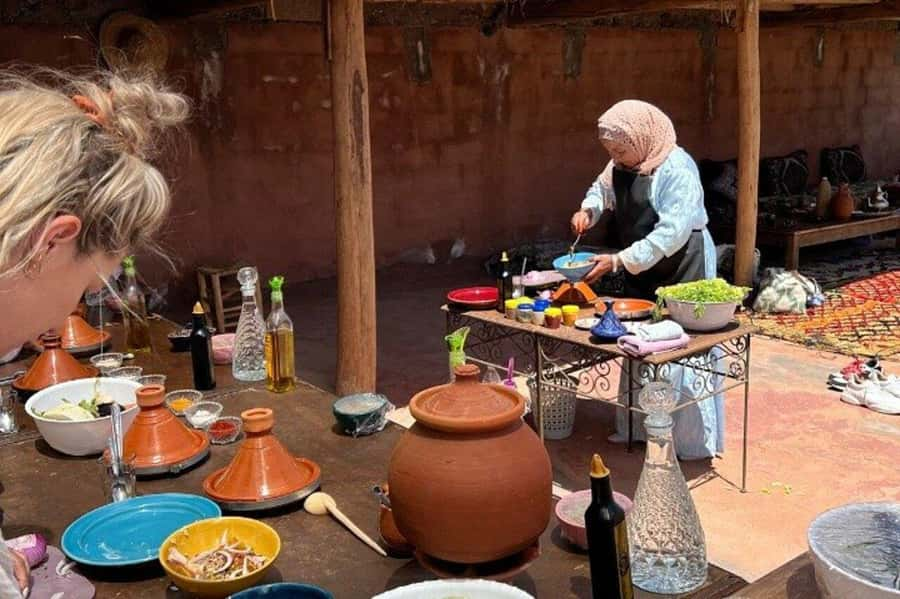
- Cook with a local grandmother: Prepare tagine, couscous, and traditional bread in a family home.
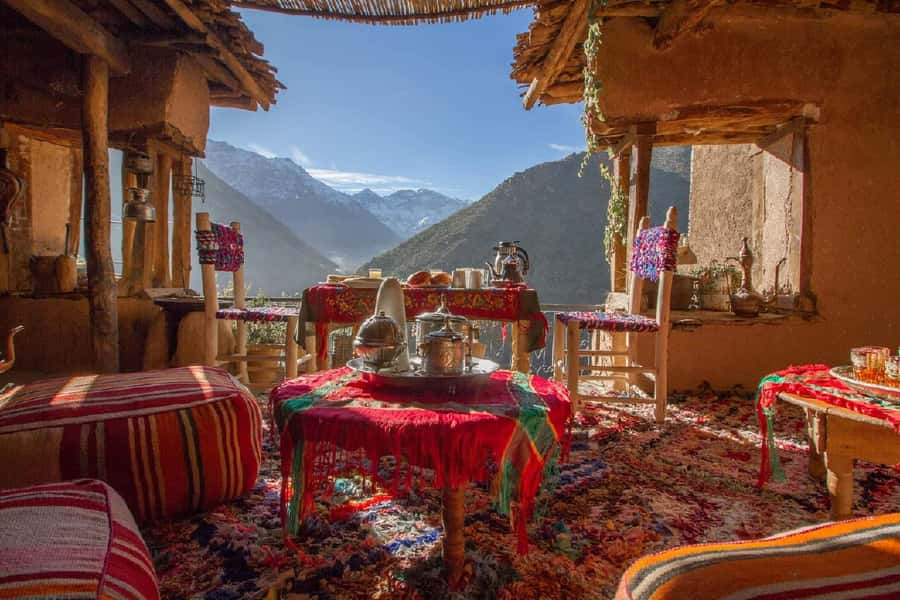
- Eat above the Imlil Valley: The mountain terraces provide wide views, including sights toward Jebel Toubkal on clear days.
- Small groups matter: The maximum group size is 10, and some departures have only four to six people.
- Plan for a long day: The advertised seven hours can become about nine hours with driving and delays.
- Bring a steady stomach: The mountain roads are winding, and the walk to the house is not suitable for everyone.
From Marrakech to the Atlas foothills
The day begins with hotel pickup in Marrakech in an air-conditioned vehicle. If you stay inside the Medina, the vehicle may not reach your riad door. Instead, pickup is arranged at the nearest point accessible by car, so confirm the meeting place in advance, ideally through WhatsApp a day or two before the trip.
The drive is part of the appeal. Marrakech can be hot, noisy, and crowded, while the road toward the Atlas Mountains opens into quieter countryside and Berber villages. You will pass changing views of dry hills, cultivated plots, and mountain settlements as the road climbs.
The exact route can vary in the description between the Imlil Valley and the Ourika Valley, but the main setting is the High Atlas around a village family home. Recent departures commonly reach the Imlil area, near the start of routes toward the high peaks. This is not a city cooking school with a mountain photograph on the wall. The mountain setting is central to the day.
The drive also has a practical downside. Roads in the mountains are winding, and one recent departure took closer to nine hours overall. If you suffer from motion sickness, pack medication such as the Gravol one participant wished they had brought. Sit where you usually feel most comfortable, and eat breakfast before leaving.
More Berber Village Tours in the Atlas Mountains
- Berber villages : Atlas Mountains Day Hike from Marrakech
★ 5.0 · 14,007 reviews - Atlas Mountains, Berber Villages and Three Valleys all inclusive
★ 5.0 · 2,471 reviews - Marrakech: Paragliding, Camel Ride & Berber Villages Trip
★ 4.7 · 1,088 reviews
Choosing vegetables at a local market
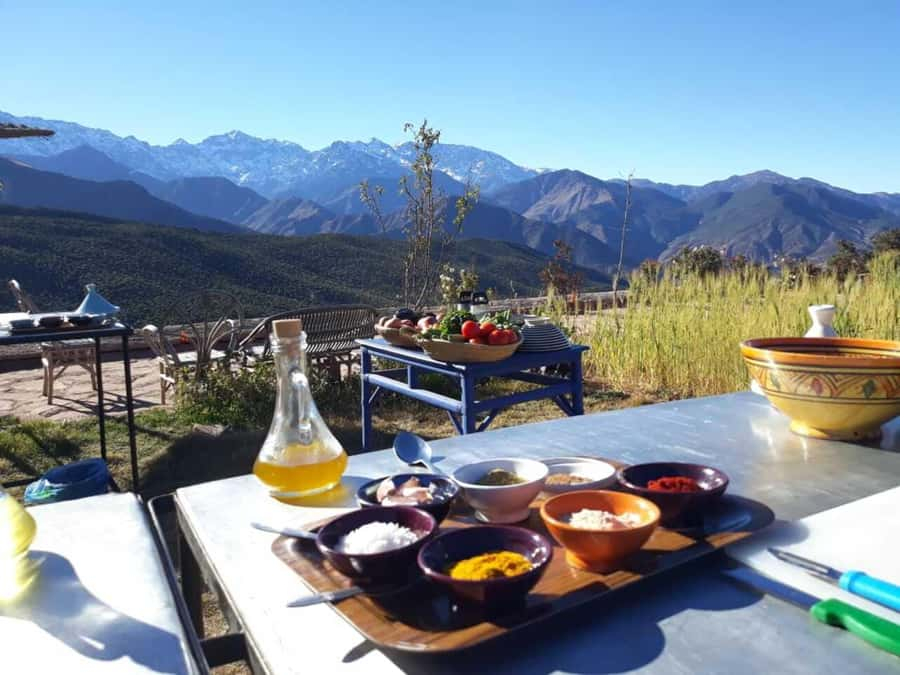
Before reaching the family home, you stop to buy the cooking ingredients. This may be a roadside vegetable shop or a small local market rather than a large tourist market. Your guide helps select and weigh the produce, and the shopping becomes a useful lesson in the food that appears in everyday Moroccan cooking.
This stop gives the meal a satisfying sense of place. You are not merely handed premeasured bowls and asked to stir. You see the vegetables, choose what will go into the dish, and follow them from the shop to the cooking terrace.
The guides take an active role here. Badr has been praised for making the shopping easy and explaining the area, while Ibrahim has been noted for helping select good vegetables. The guide may also point out herbs and plants grown near the family property.
Do not expect a long lesson in advanced culinary technique. The cooking is hands-on, but the basic methods are straightforward. The value is in learning the order of preparation, the way ingredients are arranged, and how food is made with simple local tools. For me, that says more about daily life than a polished demonstration in a Marrakech restaurant.
The short walk to a family terrace
After the vehicle reaches the village, you walk to the family house. The walk has been described as 5 to 15 minutes, depending on the home and route, with uphill paths, narrow tracks, steps, and uneven ground. It is short for a fit walker, but it is not a flat stroll from a coach to a restaurant.
The homes sit among small clusters of village buildings, with terraces looking across the valley and mountains. One family home has two terraces, while another offers a porch view toward Imlil and Jebel Toubkal. You may be welcomed with mint or rosemary tea, coffee, and sometimes cake before the preparation begins.
This is where the activity feels different from a standard excursion. You are entering a real family home used for the cooking class, not a staged demonstration venue. Hosts such as Ibrahim, Ismail, Badr, and their mothers or aunts help translate, explain customs, and keep the group involved.
The family welcome is a major part of the value. You may meet several generations, hear about village life, and spend time talking before lunch. Some homes also have friendly cats, an amusing bonus for animal lovers. Pets are not allowed on the tour, however.
Cooking tagine, couscous, and bread
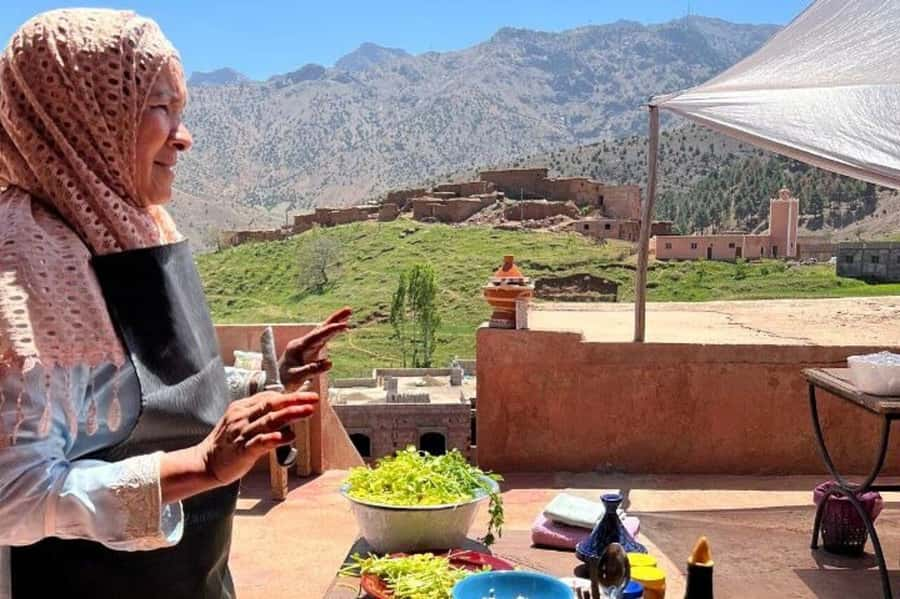
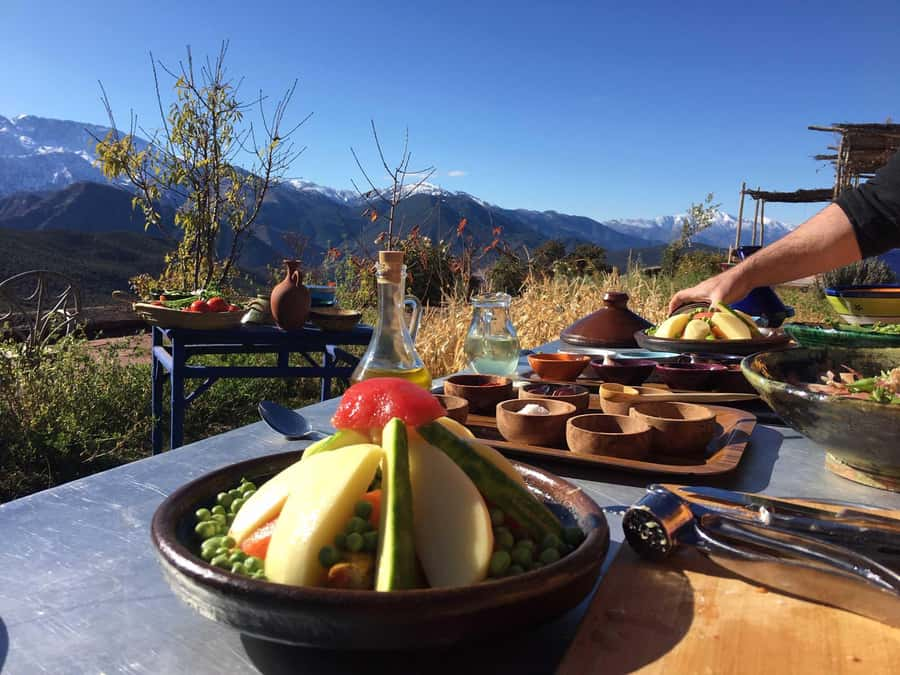
The main class usually includes a chicken or vegetable tagine, couscous, and bread baked in a wood oven. The exact menu can vary, but the repeated pattern is clear: you help prepare the food rather than watch from the side.
The local grandmother leads the kitchen work. Yemna, often called Mama, and other women referred to as Auntie have taught visitors how to prepare the dishes using family methods. Your guide translates when needed, especially if the grandmother speaks mainly Arabic or another local language.
Tagine preparation is simple in equipment but careful in order. You may arrange vegetables, season the dish, and learn how the ingredients cook together in the traditional pot. The couscous takes patience, and bread adds another task, since you shape it and see how it is baked in the wood oven.
The meal is best understood as a lesson in process rather than a professional cooking course. You probably will not leave with a complicated restaurant recipe or a set of exact measurements. You will understand how fresh vegetables, herbs, bread, and slow cooking fit together, and you can use those ideas at home.
The food itself is plentiful. Several people specifically appreciated being involved in every step, including preparing the bread and couscous. A gluten free diet and a nut allergy were accommodated on one departure, but you should state dietary needs when booking and confirm them with the operator.
A completely different kind of day in the Atlas Mountains:
- From Marrakech: Atlas Mountains Full-Day Hiking Trip w Lunch
★ 4.8 · 7,417 reviews - From Marrakech: Atlas Mountains Day Trip with Camel Ride
★ 4.8 · 4,709 reviews - Atlas Mountains & 5 Valleys Tour from Marrakech – All inclusive –
★ 5.0 · 2,913 reviews - Agadir or Taghazout: Paradise Valley Atlas Mountains Tour
★ 4.4 · 2,905 reviews
Lunch arrives late, but it earns its place
Lunch is the payoff, and it comes after the shopping, walk, preparation, and cooking. Plan for a meal around 2:30 or 3 p.m., with some days closer to 4 p.m. A substantial breakfast is essential, especially if you have children with you.
The meal is described as three courses, with the tagine, couscous, and bread forming the heart of it. Tea or coffee is included, along with bottled water. You eat in the family home, often on a terrace with mountain views, so the setting does as much work as the food.
The food can taste better because you helped make it. More important, the meal connects the market stop, the family kitchen, and the village setting into one continuous experience. You have seen the vegetables being selected, prepared, cooked, and served.
Do not book this if you want a quick lunch at noon followed by an early return to Marrakech. The late meal is one of the few recurring inconveniences, but it is also a natural result of making food from scratch with a small group.
Berber stories beyond the kitchen
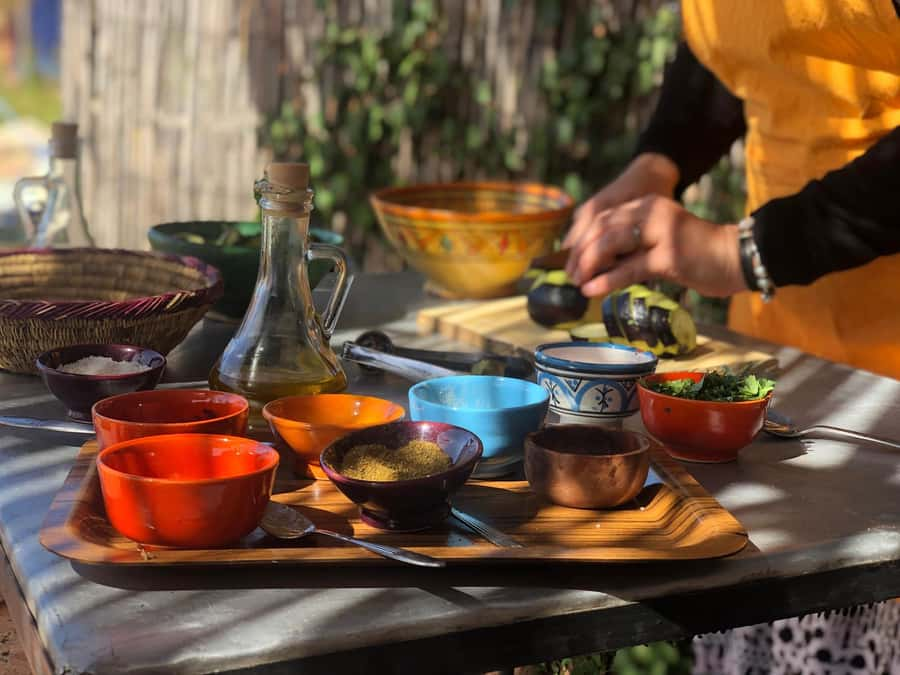
The cooking is only half the cultural exchange. Guides such as Badr, Ibrahim, and Ismail explain local customs, language, history, and mountain life during the drive and meal. Their local connection makes the conversation more specific than a general city tour.
You may hear about family traditions, the village, farming, and the way food is prepared at home. Some guides also show herbs and plantings around the property. The tone is informal, with plenty of time for questions.
One especially personal detail has been the use of traditional Berber bridal clothing for a honeymooning guest. That will not necessarily happen on every departure, but it shows how the family may add a warm personal touch for a special occasion.
A cooperative visit with women in the Ourika Valley is also included in the activity description. Since the exact order and duration of this stop are not specified, treat it as a possible part of the day rather than the central feature. The family cooking session remains the main event.
How small groups change the day
The maximum group size is 10, but some departures have had only four to six people. That is a useful size for a family kitchen. You can ask questions, help with several tasks, and talk with the guide without feeling lost in a crowd.
Small groups also make the family setting more comfortable. You are less likely to feel like a busload of people passing through, and the host has more time to show you bread making, herbs, or a traditional tool.
There is one point to watch. The tour can include both English and French speakers. One English speaking participant found that some explanations were missed when the guide addressed French speakers. If your language needs are important, confirm the language balance before departure.
Value at $54 per person
At $54 per person, the price covers hotel pickup and return, private family cooking instruction within the small group, the local guide, transport, lunch, tea or coffee, and bottled water. It is more expensive than buying a tagine in Marrakech and eating at a simple restaurant, but that is the wrong comparison.
You are paying for a full day outside the city, the drive into the Atlas Mountains, the market stop, the family welcome, the cooking class, and a meal. You also avoid arranging separate transport to a mountain village. For a first visit to Morocco, that combination makes the cost reasonable.
The value is strongest if you want culture and food together. It is weaker if you only want to learn a recipe. The techniques are practical and enjoyable, but not advanced, and the long transport time means the cooking itself occupies only part of the day.
A few extra costs are worth considering. The listing includes the major tour services, but it does not state that shopping for souvenirs or optional purchases is included. Bring cash only if you want to buy something separately, and do not assume a stop at a tagine shop will be part of the return drive.
Who should book this day
This suits you if you enjoy being welcomed into a home, asking questions, and taking part in simple food preparation. Families with older children can enjoy it, and one five year old managed the day well according to the activity details.
It is also a strong choice for couples. The mountain setting, shared cooking, and family hospitality give the day a personal feel, especially for a honeymoon or birthday.
You should think twice if you have limited mobility. The activity is not suitable for wheelchair users or people with mobility impairments because of the uphill village paths, narrow tracks, and steps. The operator does not present it as an accessible tour.
It may also be a poor match if you dislike long drives, winding roads, or late lunches. The vehicle is air-conditioned, but one participant found the return ride hot, so loose clothing, water, and a sun hat are sensible.
Wear comfortable walking shoes and bring warm clothing even if Marrakech is hot. Mountain temperatures can differ from the city, especially during cooler months. A camera is useful, but the views should not distract you from the people and food that make the day worthwhile.
Should you book the Atlas Mountains cooking class?
I would book this if your ideal day combines mountain scenery, home cooking, and conversation with a local family. The strongest part is not culinary sophistication. It is the feeling of tracing a meal from a local market to a family terrace, then eating it with the people who helped prepare it.
Choose it over a Marrakech cooking class if you want to escape the city and are comfortable with a long day, a winding drive, and a short mountain walk. Skip it if you need firm lunchtime timing, step-free access, or a highly technical cooking lesson.
For most visitors who want a human-scale introduction to Berber food and village life, $54 is fair value. Eat a good breakfast, confirm your pickup point, bring motion sickness protection if needed, and leave your evening schedule open.
FAQ
How long does the Atlas Mountains cooking class last?
The stated duration is seven hours, but you should allow extra time. Some departures have taken around nine hours from pickup to return because of driving and delays.
What food will I cook?
The class commonly includes a traditional tagine, couscous, and bread. The tagine may be chicken or vegetable, and the exact menu can vary.
Is lunch included?
Yes. A three-course lunch, bottled water, and coffee or tea are included. Lunch may not be served until about 2:30, 3, or 4 p.m., so eat breakfast first.
Which languages are available?
The live guide languages are English and French. Guides translate and explain the cooking and local culture, though both languages may be used in a mixed group.
Is hotel pickup included from a Marrakech riad?
Yes, pickup and return are included. If your riad is inside the Medina and a vehicle cannot reach it, pickup is arranged from the nearest accessible point.
Is the tour suitable for people with mobility difficulties?
No. The tour is not suitable for wheelchair users or people with mobility impairments because the walk to the home may include uphill paths, narrow tracks, steps, and uneven ground.
More Cooking Classes in the Atlas Mountains
- From Marrakech: High Atlas Berber Cooking Class
★ 4.7 · 132 reviews - Marrakech: Moroccan Cooking Class with Pickup
★ 4.6 · 1,862 reviews - Marrakech: Traditional Moroccan Cooking Class & Market Visit
★ 4.8 · 1,861 reviews - Marrakesh: Moroccan Dishes Cooking Class with a Local Chef
★ 5.0 · 1,615 reviews
Just added around the Atlas Mountains
- Private Berber Middle Atlas Day Trip From Fez★ 5.0 · 21 reviews
- Excursion from Fez to Midle Atlas★ 5.0 · 21 reviews
- Excursion From Fez to the Middle Atlas Mountains★ 5.0 · 40 reviews
- fes to Middle atlas day Trip★ 5.0 · 17 reviews
- Private Day Tour from Fez to the Middle Atlas★ 5.0 · 18 reviews
- Atlas Mountain & Berber Villages and Waterfalls Day Trip from Marrakech★ 5.0 · 54 reviews
- Agadir Desert Trip + berber villages★ 5.0 · 23 reviews
- Agadir or Taghazout: Paradise Valley Atlas Mountain Swimming Trip★ 5.0 · 27 reviews
Berber Village Tours, compared.
Berber villages: Atlas Mountains Day Hike from Marrakech
Read our review →Paragliding, Camel Ride & Berber Villages Trip
Read our review →
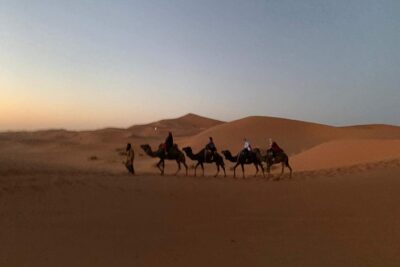
3-Day Desert Tour to Fez: Ouarzazate and Berber Village from Marrakech
Read our review →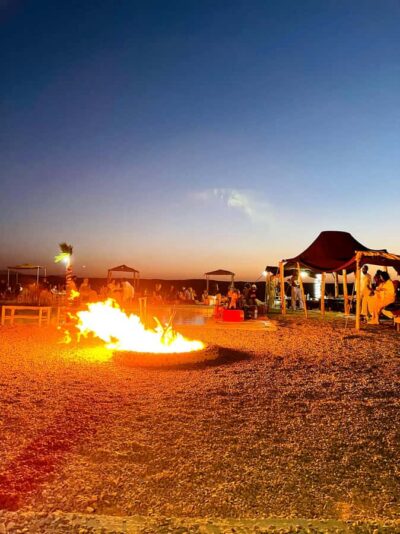
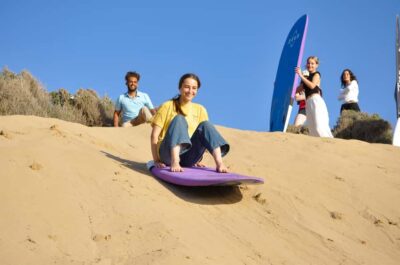
Essaouira Sandboarding & Sunset Picnic in a Berber tent
Read our review →Browse the lists this tour appears in