
Reviewed · BERBER VILLAGE TOURS
From Marrakesh: 3-Day Trip to Berber Villages
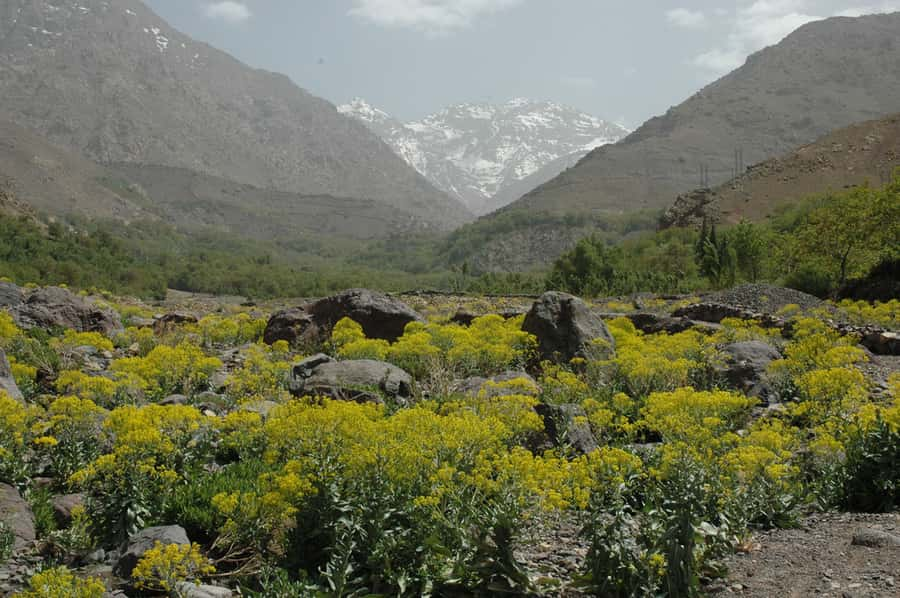
The best part of this trip is that it takes you well beyond Marrakesh’s busy streets and into the High Atlas villages, where the walk itself is only half the experience. You follow mule paths, cross mountain passes, eat food cooked along the route, and sleep in simple local lodges rather than polished hotels. I especially like the fresh meals prepared by the cook and the chance to meet people in villages that remain fairly cut off from the outside world.
I also like the small-group setup, with no more than 10 people, and the patient guiding style described by past participants. Guides such as Hassan, Hamid, and Ibrahim have helped match the pace to the group, explain Berber customs, and handle the practical details. The main drawback is comfort: the lodges are basic, nights can be very cold, and the second day includes demanding climbs on rough, stony paths.
Key points to know before booking
- Three days on foot: Expect about four hours of walking on day one, six to seven hours on day two, and four hours on day three.
- Mount Toubkal views: You do not climb Morocco’s highest peak, but the route gives you views toward it.
- Local food on the trail: A cook prepares meals with portable equipment, including lunches in remote mountain spots.
- Mule for your luggage: Your main bag can be carried, making the long walking days more manageable.
- Simple village lodging: Expect Berber lodges, possible lack of electricity, cold nights, and basic but warm beds.
- Strong value at $353: Transport from Marrakesh, a guide, cook, food, lodging, and luggage support are included.
Leaving Marrakesh for Imlil
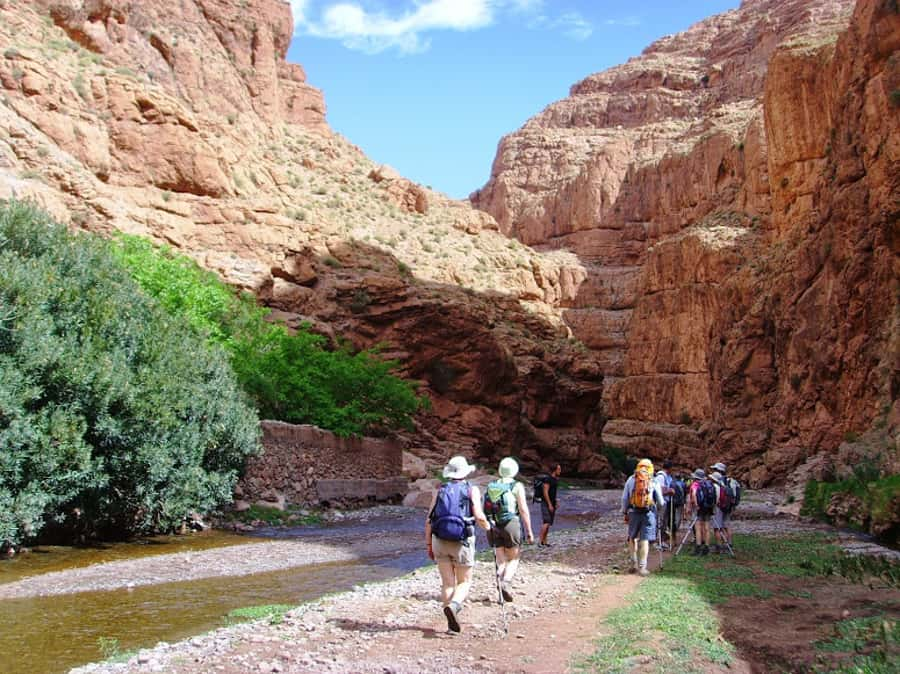
The tour begins with private transportation from Marrakesh to Imlil, the mountain village where the trek starts. That transfer matters. You do not need to arrange separate taxis, negotiate a mountain ride, or work out how to return after three days on foot.
Imlil is the starting point for a route through the High Atlas south of Marrakesh. It is also where you hand over luggage to the mule. Pack a small day bag with water, warm layers, sun protection, and anything you need during the day. A mule carries the heavier load, but you still need to carry your personal essentials.
The group limit is 10 people, and that is a useful size for a walking trip. It gives the guide room to keep an eye on different walking speeds without turning the route into a procession. If the group is smaller, you may get an even more personal experience. One pair had the guide and cook almost to themselves, with the walking pace adjusted to suit them.
The available guiding languages are English, French, and Spanish. The guide is not only there to point out the route. You can expect help with mountain pacing, questions about village life, and explanations of Berber customs.
More Berber Village Tours in the Atlas Mountains
- Berber villages : Atlas Mountains Day Hike from Marrakech
★ 5.0 · 14,007 reviews - Atlas Mountains, Berber Villages and Three Valleys all inclusive
★ 5.0 · 2,471 reviews - Marrakech: Paragliding, Camel Ride & Berber Villages Trip
★ 4.7 · 1,088 reviews
Day one: Imlil, Tamatert, and Tinerhourhine
The first walking day covers about four hours. From Imlil, you walk toward Tinerhourhine, passing through or near Tamatert before stopping at the high mountain pass of Tizi n Tamatert.
This is a good opening day because it introduces the basic rhythm of the trip without immediately asking for the longest effort. You climb, pause, eat, and continue through a series of mountain settlements and open slopes. The route is scenic, but do not mistake four hours for an effortless stroll. The paths can be uneven, and the ascent to the pass requires steady legs.
Lunch at Tizi n Tamatert is one of the memorable details of the trip. The cook travels with the group and prepares food using portable cooking equipment. You are not simply handed a packed sandwich from Marrakesh. You get a proper meal prepared in the mountains, often at a spot chosen for its views.
After lunch, the route continues toward Ouanesekra-Tamguist and then Tinerhourhine. You spend the night at a local inn. Accommodation is part of the cultural experience, but it is not designed for people who need hotel comforts. Past stays included lodges with warm water, while some rooms had no electricity. Beds were available, and thick camel-hair blankets helped during cold winter nights.
That difference between a village lodge and a hotel is important. You may have a shower, but you should not count on a heated room or a full range of modern conveniences. Bring warm sleepwear and a sleeping bag, since sleeping bags are not included.
Day two: the Imnane Valley and a long mountain crossing
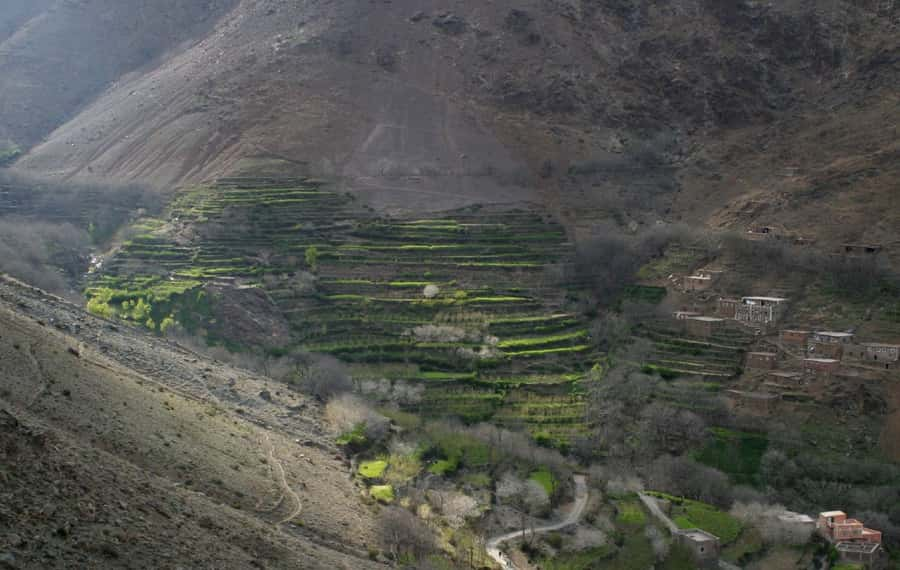
Day two is the most demanding part of the trip, with around six to seven hours of walking. You leave Tinerhourhine and follow the Imnane Valley, passing the Berber village of Ikkiss before continuing toward Tizi n Aguersioual.
This is where the trek becomes a serious walking holiday rather than a scenic village outing. The route includes hard climbs and stony paths. One account put the full distance over the three days at about 48 kilometers, so you should arrive with a reasonable level of fitness and some comfort with sustained uphill walking.
The reward is the setting. You get views toward Mount Toubkal, the highest mountain in Morocco. The tour does not take you to the summit, and it should not be sold as a Toubkal climb. Instead, you see the peak as part of the High Atlas from the surrounding valleys and passes.
Lunch takes place at Matate, after the route toward Tizi n Aguersioual. As on day one, the cook and guide work together so that food can be ready around the time the group arrives. That arrangement makes a real difference. You can walk without carrying several days of meals, then stop for food that has been prepared on site.
You finish the day at Aït Aïssa, where you sleep in another local inn. By this point, tired legs and simple facilities may test your patience. That is the trade-off for reaching villages that are not set up for conventional tourism. If your idea of a good trip requires a soft hotel bed, reliable heating, and easy road access, this route may feel too rough.
If you enjoy a physical challenge and want to see how people live in remote mountain communities, day two is likely to be the high point. You get the most walking, the strongest sense of distance, and the clearest picture of why a mule, cook, and local guide are useful.
Day three: Tizi Mzik and the return to Imlil
The final day takes about four hours. You walk from Aït Aïssa toward Tizi Oussem, pass through Tizi Mzik and the village of Mzik, and then return to Imlil.
After the long second day, the shorter schedule is welcome. The route still includes climbing and rough ground, but the end is now in sight. Tizi Mzik provides another mountain pass, while Mzik gives you a final look at village life before the trek loops back to its starting point.
At Imlil, private transport takes you back to your Marrakesh hotel. That door-to-door finish is useful after three days of walking. You do not need to arrange a last-minute driver from a mountain village or guess where to meet a taxi.
The return transfer also makes this trip easy to add to a longer Morocco visit. You can begin and end in Marrakesh, with no need to move your main luggage between several hotels during the trek.
A completely different kind of day in the Atlas Mountains:
- From Marrakech: Atlas Mountains Full-Day Hiking Trip w Lunch
★ 4.8 · 7,417 reviews - From Marrakech: Atlas Mountains Day Trip with Camel Ride
★ 4.8 · 4,709 reviews - Atlas Mountains & 5 Valleys Tour from Marrakech – All inclusive –
★ 5.0 · 2,913 reviews - Agadir or Taghazout: Paradise Valley Atlas Mountains Tour
★ 4.4 · 2,905 reviews
Berber village life without a staged performance
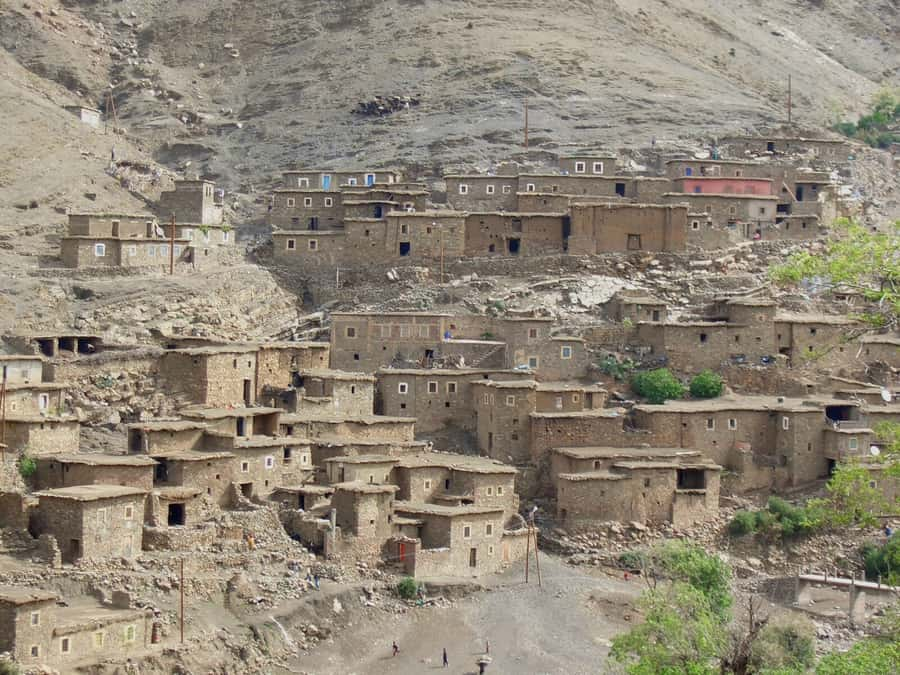
The cultural value of the trip comes from staying in villages and traveling with local staff. You are not just looking at the mountains from a road. You sleep in the communities, eat food prepared by a local cook, and pass through settlements such as Ikkiss, Mzik, and Tinerhourhine.
That does not mean village life has been arranged as a show for visitors. The lodges are simple because the communities are relatively isolated and economically modest. You should approach the experience with respect and realistic expectations.
The guides add another layer. One guide, Hassan, was praised for his humor and strong English, while Hamid and Ibrahim were described as helpful and calm with the practical side of the trek. Ali was responsible for cooking, tea, and managing the mule on one trip. Staff can vary, so you should not expect a particular person every time, but these details show the kind of support built into the experience.
You may have chances to ask about Berber customs and daily life. The best conversations usually happen while walking, eating, or waiting for tea, not during a formal presentation. Keep your questions open and be ready to listen.
What the food and lodging are really like
Food is one of the strongest parts of this tour. The cook prepares three meals a day, with lunch sometimes made in the middle of the mountains. Past menus were described as generous and tasty, especially given the remote cooking conditions.
The included food also improves the value of the price. At $353 per person, you are paying for more than transport and a guide. The package includes the cook, cooking equipment, meals, two nights in Berber lodges, and a mule to carry luggage. You still need to buy mineral water and soft drinks, but the main food costs are covered.
Lodging is practical rather than luxurious. You sleep in local inns in Tinerhourhine and Aït Aïssa. Some lodges may have warm water, but electricity is not guaranteed. Nights in winter can be freezing, even when daytime weather is sunny.
Pack warm clothing in every season, with extra care from late autumn through winter. Bring a sleeping bag because it is not provided. Toiletries and toilet paper are also sensible additions. Good walking shoes are essential, particularly for the rocky sections and the demanding second day.
How hard is the walking?
The schedule totals roughly 14 to 15 hours of walking, based on the daily estimates. The exact effort will depend on the group, weather, stops, and pace, but you should treat this as an active trek.
The most difficult section is day two. You will face long hours, significant climbs, and stony trails. The route is not described as a technical climb, and you are not summiting Mount Toubkal, but it is still more demanding than a casual day walk from Marrakesh.
A mule carries luggage, which helps. The guide can also adjust the pace, as past groups found. Still, you should be comfortable walking uphill for several hours and descending on uneven ground.
Wear sturdy footwear with good grip. Keep your day bag light. Drink regularly, and carry water because mineral water is not included. The operator provides food, but you are responsible for drinks.
What you get for $353 per person
The price is fair if you want a fully arranged three-day mountain trip from Marrakesh. Private transport, a local guide, accommodation, meals, cooking support, and luggage transport would be awkward and time-consuming to organize independently.
The tour also keeps the group small, with a maximum of 10 people. That matters on narrow paths and at village lodges. You are less likely to feel lost in a large bus group, and the guide has a better chance of responding to your pace and questions.
The price does not cover mineral water, soft drinks, or sleeping bags. Those costs are easy to overlook when comparing tours. Add them to your budget, along with any personal gear you need to buy.
Free cancellation up to 24 hours before departure and the option to reserve without paying immediately give you some flexibility. Starting times vary, so you need to check availability for your dates.
Who should choose this High Atlas trek?
I would choose this trip if you want mountains and local life together, not just a viewpoint reached by vehicle. It suits people who enjoy walking, simple accommodation, shared meals, and a route that feels connected to the communities along the way.
It is a good fit for a pair or small group that wants a private-feeling experience without arranging every detail. The guides can speak English, French, or Spanish, and the small group limit keeps the setting personal.
I would hesitate if you need dependable electricity, hotel-style bathrooms, soft beds, or an easy physical schedule. The tour is also not the right pick if you want to climb Mount Toubkal itself. You see the mountain from the route, but the focus is a three-day village trek.
Should you book it?
Book this tour if you want a well-supported walk through the High Atlas, with local guides, fresh mountain meals, mule support, and nights in Berber villages. The best parts are the patient guiding, the food cooked far from the road, and the chance to see rural Morocco at walking pace.
Skip it if rough paths and cold nights sound miserable rather than memorable. For an active visitor who accepts basic lodging, $353 is strong value. Bring sturdy shoes, warm layers, a sleeping bag, toilet paper, and an appetite for long climbs.
FAQ
How long is the tour?
The experience lasts three days and includes transport from Marrakesh to the mountains, three walking days, two nights in local Berber lodges, and transport back to your Marrakesh hotel.
How many hours do you walk each day?
Day one includes about four hours of walking. Day two takes approximately six to seven hours. Day three includes about four hours.
Do you climb Mount Toubkal?
No. The route provides views from the High Atlas toward Mount Toubkal, Morocco’s highest peak, but this is not a summit climb.
Is luggage carried during the trek?
Yes. A mule carries your luggage. You should still bring a small day bag for water, warm clothing, and personal items.
What languages can the guide speak?
Guides are available in English, French, and Spanish.
Are sleeping bags and drinks included?
No. Sleeping bags, soft drinks, and mineral water are not included. Food, cooking equipment, accommodation, private transport, the guide, and mule support are included.
More Three-Day Trips in the Atlas Mountains
- Marrakech: 3-Day High Atlas Mountains and Three Valleys Trek
★ 4.8 · 63 reviews - Climb Mount Toubkal: 3-Day Trek from Marrakech
★ 4.4 · 58 reviews - Marrakech: 3-Day Atlas Mountains Berber Villages Trek
★ 4.5 · 41 reviews - 3 Days Trek Atlas Mountains Berber Villages from Marrakech
★ 4.6 · 38 reviews
More Multi-Day Tours in the Atlas Mountains
- Mt Toubkal Ascent Express Trek 2 Days 1 Nights
★ 4.7 · 962 reviews - Marrakesh: 2-Day Mt. Toubkal Trek with 1-Night Stay & Meals
★ 4.7 · 795 reviews - Marrakech: 2-Day Atlas Mountains Trek with Village Stay
★ 4.8 · 717 reviews - From Marrakech: 3-Day Mount Toubkal Climbing Trek
★ 4.7 · 597 reviews
Just added around the Atlas Mountains
- Private Berber Middle Atlas Day Trip From Fez★ 5.0 · 21 reviews
- Excursion from Fez to Midle Atlas★ 5.0 · 21 reviews
- Excursion From Fez to the Middle Atlas Mountains★ 5.0 · 40 reviews
- fes to Middle atlas day Trip★ 5.0 · 17 reviews
- Private Day Tour from Fez to the Middle Atlas★ 5.0 · 18 reviews
- Atlas Mountain & Berber Villages and Waterfalls Day Trip from Marrakech★ 5.0 · 54 reviews
- Agadir Desert Trip + berber villages★ 5.0 · 23 reviews
- Agadir or Taghazout: Paradise Valley Atlas Mountain Swimming Trip★ 5.0 · 27 reviews
Berber Village Tours, compared.
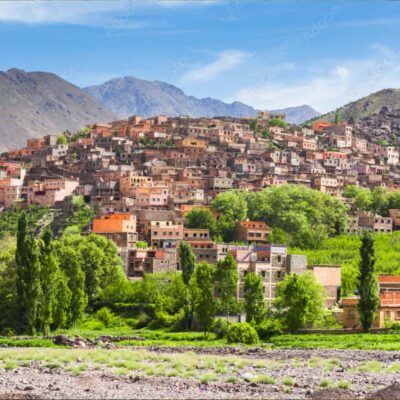
Berber villages: Atlas Mountains Day Hike from Marrakech
Read our review →Paragliding, Camel Ride & Berber Villages Trip
Read our review →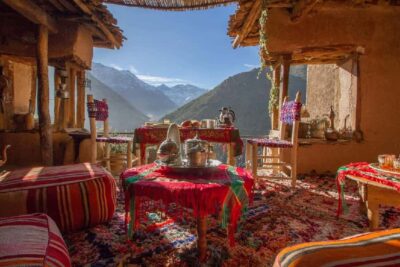
Atlas Mountains Cooking Class with Berber Family
Read our review →
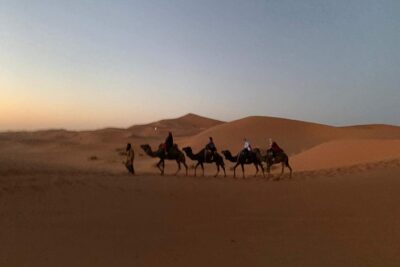
3-Day Desert Tour to Fez: Ouarzazate and Berber Village from Marrakech
Read our review →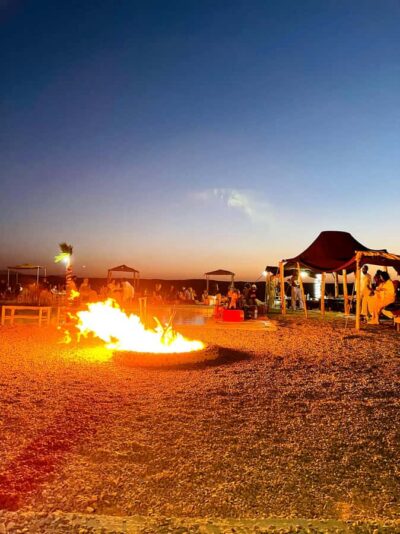
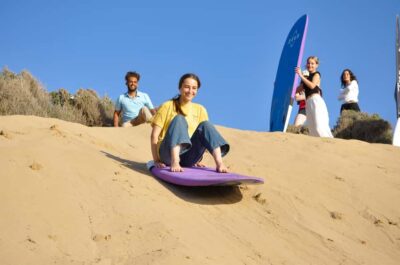
Essaouira Sandboarding & Sunset Picnic in a Berber tent
Read our review →Browse the lists this tour appears in