
Reviewed · HIKING AND TREKKING TOURS
Mt Toubkal Ascent Express Trek 2 Days 1 Nights
Mount Toubkal rises to 4,167 metres, and this express trek tries to reach the top in only two days. The reward is a sunrise summit above the High Atlas, with views toward Marrakech, the Anti-Atlas, and the Sahara. The route is non-technical, but the altitude and long summit day make it a serious walk.
I like the local feel of starting in Imlil, walking through the Aït Mizane Valley, and stopping at Sidi Chamharouch. I also like the strong guide support, especially from guides such as Mohamed, Omar, Mustafa, and Yassine, who are often praised for steady pacing and care when someone feels unwell.
The catch is simple: this is not a gentle weekend hike. You gain nearly 1,500 metres on the first day, then walk for 10 to 12 hours on the second. In winter, snow, wind, and altitude can prevent a summit attempt even when the rest of the trek runs well.
Key points before you book
- A 4,167-metre summit in two days: The schedule is efficient, demanding, and best for fit walkers with some mountain experience.
- Sunrise is the goal: You leave the refuge around 4 a.m. and climb in darkness to reach the summit near first light.
- The refuge is basic: Expect shared sleeping areas, hard bunks, limited sleep, and a need for your own sleeping bag.
- Winter changes the route: From November through April, crampons and an ice axe may be needed for snow and ice.
- Food is included, but carry snacks: Meals are generally fresh and plentiful, yet some hikers still need extra calories on the long summit day.
- Good value at $147: Transport, guide support, refuge accommodation, meals, tea, and coffee are included, which can cost more to arrange independently.
From Marrakech to Imlil: the mountain begins gently
Your pickup is arranged from your hotel or riad in Marrakech, with the provider confirming the meeting point by email or message. Central pickup points tend to be easier, since some outlying hotel collections have caused delays or confusion.
The drive takes you from the city toward Imlil Valley, where the walking begins at about 1,740 metres. Imlil is the practical gateway to Toubkal, and it feels far removed from Marrakech once you begin moving along the valley.
Allow time for the local team to organize the group in Imlil. You may meet your guide there rather than in Marrakech, and you can usually rent missing equipment or leave unnecessary luggage behind. Available rentals may include sleeping bags, crampons, ice axes, warm clothing, walking poles, and headlamps.
Take your passport. A checkpoint can appear on the route, and having your documents ready avoids a needless delay. Bring cash too. You may want to pay for water, snacks, equipment rental, or a mule, which costs about 20 euros.
More Hiking and Trekking Tours in the Atlas Mountains
- Berber villages : Atlas Mountains Day Hike from Marrakech
★ 5.0 · 14,007 reviews - From Marrakech: Atlas Mountains Full-Day Hiking Trip w Lunch
★ 4.8 · 7,417 reviews - Marrakech: Atlas Mountains & Valleys Waterfall Hike w/ Lunch
★ 4.8 · 1,236 reviews
Aït Mizane Valley and Sidi Chamharouch
The first walking section follows the Aït Mizane Valley toward Aremd. The route then continues to Sidi Chamharouch, a well-known mountain sanctuary, with a nearby waterfall. This is one of the most enjoyable parts of the trek because the route introduces you to the villages and mountain life before the terrain becomes rougher.
The day is mostly a steady uphill walk, but it is not effortless. You climb from Imlil at 1,740 metres to the Toubkal Refuge at 3,207 metres, with about five to six hours of walking. A patient guide matters here. Guides such as Yassine, Omar, Mustafa, and Mohamed have been praised for keeping a manageable pace and stopping when people need water or rest.
You should not race the first day. It is easy to feel strong at the start, then notice the altitude later. The best pace is one that lets you talk in short sentences without burning through your energy.
There are places to buy water and snacks along the way, but do not rely on every stop being open or fully supplied. Carry at least some high-calorie food from Marrakech or Imlil, especially if you are a larger person or normally eat generously.
The Toubkal Refuge at 3,207 metres
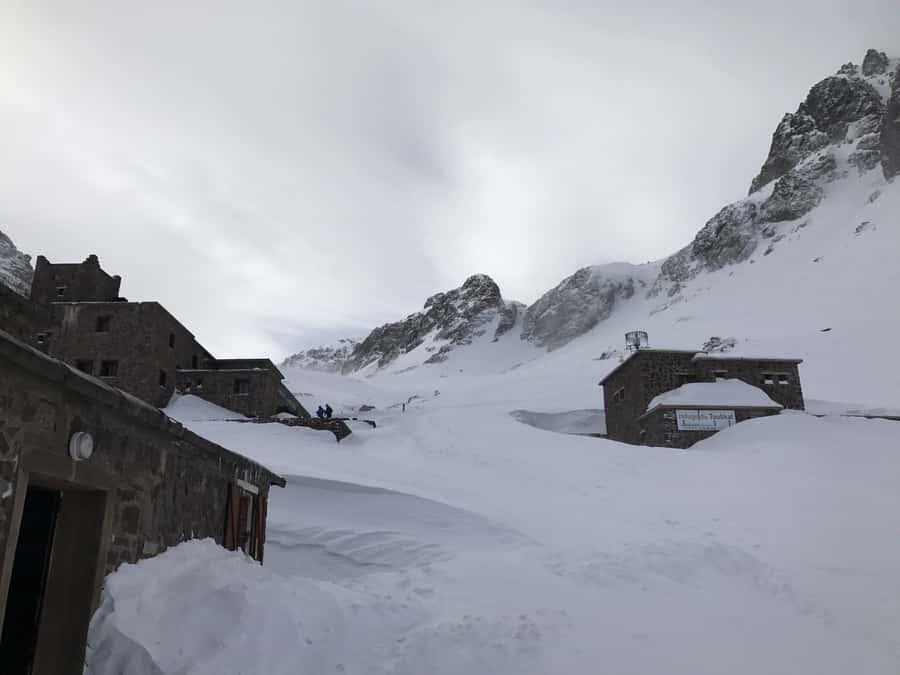
The refuge is your overnight base before the summit push. Accommodation is shared and practical rather than private or comfortable. Large bunk rooms, basic facilities, and limited quiet are normal, so bring a sleeping bag, towel, and headlamp.
Sleep can be difficult. You arrive after a full uphill day, other walkers may be moving around, and the early start means you will not have a long night. This is one reason I would schedule a quiet day after returning to Marrakech instead of planning a demanding activity immediately.
Berber hospitality is part of the appeal. Your included meals are usually served with tea, and vegetarian food can be catered for. The food is often a strong point of the trip, with fresh meals and generous portions reported during the walking days.
Still, mountain supplies are not unlimited. Snow can prevent mules from reaching the refuge, and food may be less plentiful there than lower down. Bring snacks such as nuts, chocolate, dried fruit, or energy bars. Water and soft drinks are not included, so keep cash available.
The refuge is also where you need to assess yourself honestly. Headache, nausea, unusual tiredness, or dizziness may signal altitude trouble. Tell your guide early. The guides have helped people descend or stay with someone who became sick, and that support is far more useful when you speak up before symptoms become severe.
The pre-dawn climb to Jbel Toubkal
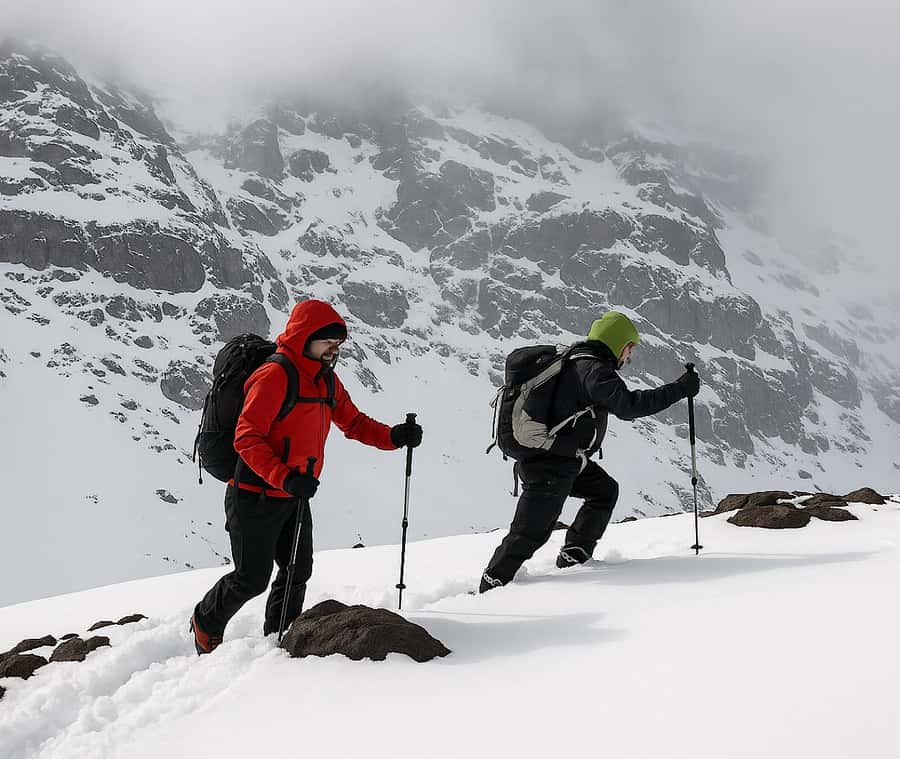
The summit day begins early, often around 4 a.m. The purpose is to climb in darkness and arrive near sunrise. You will want warm layers, gloves, a hat, a head torch, sunglasses, and water within easy reach.
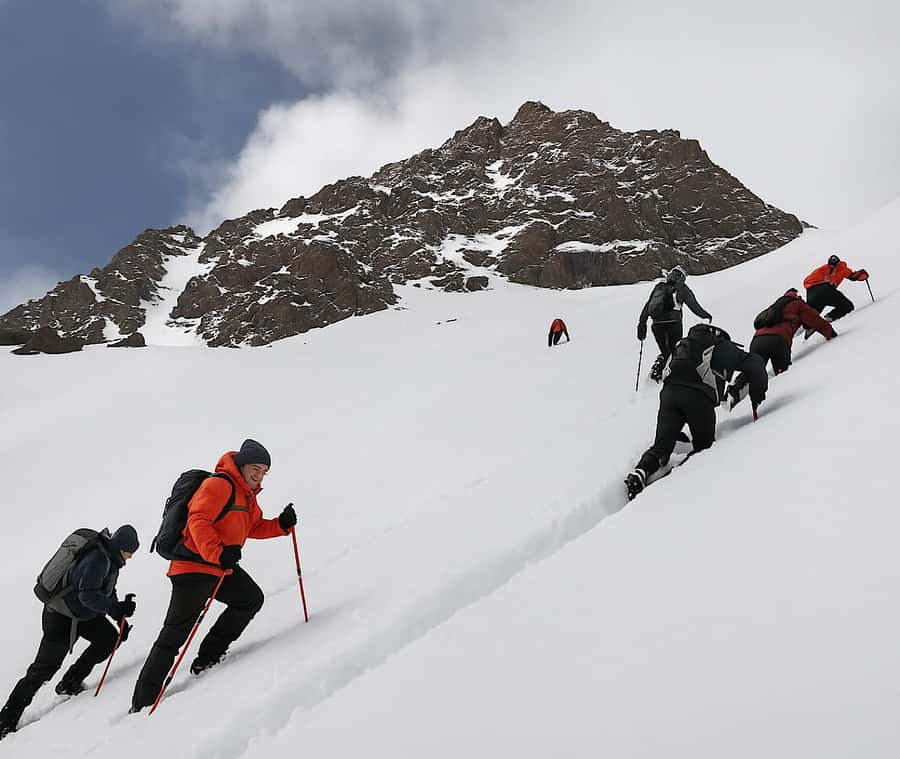
From the refuge, the path turns steeper and rougher. You cross streams and move over rocks, with some easy scrambling. This is still a trek rather than a technical climb, but loose rock and snow can make the route tiring and slow.
The final approach is where the express schedule shows its teeth. You are gaining altitude quickly after only one night at 3,207 metres, and every step can feel heavier. Some people find the walking straightforward but struggle with breathing and fatigue. Others manage the altitude well but dislike the cold, exposure, or loose surface.
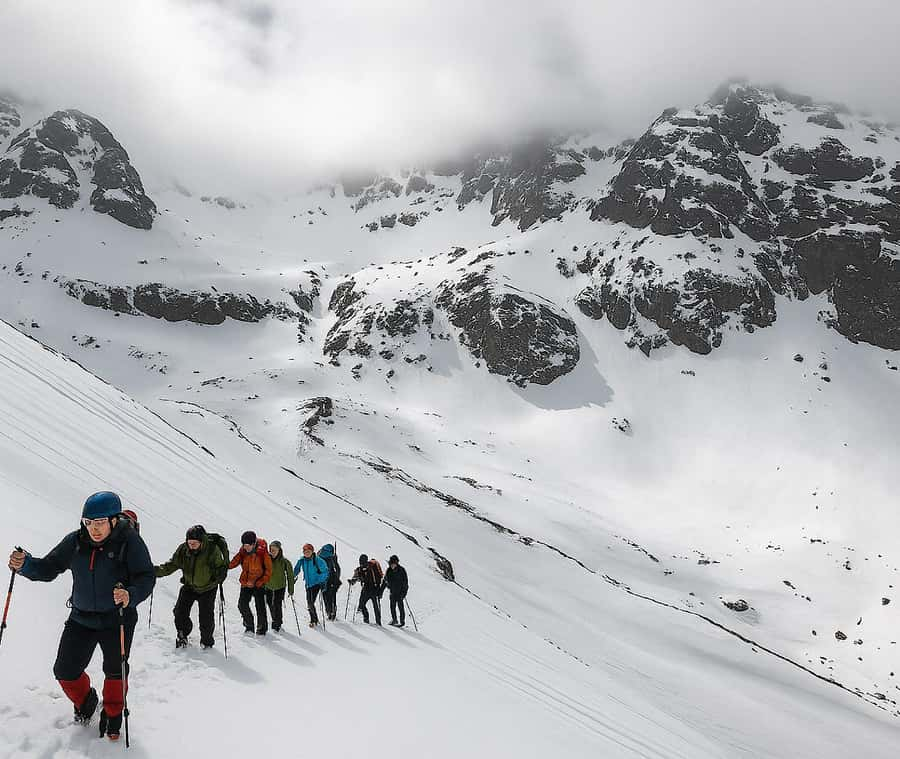
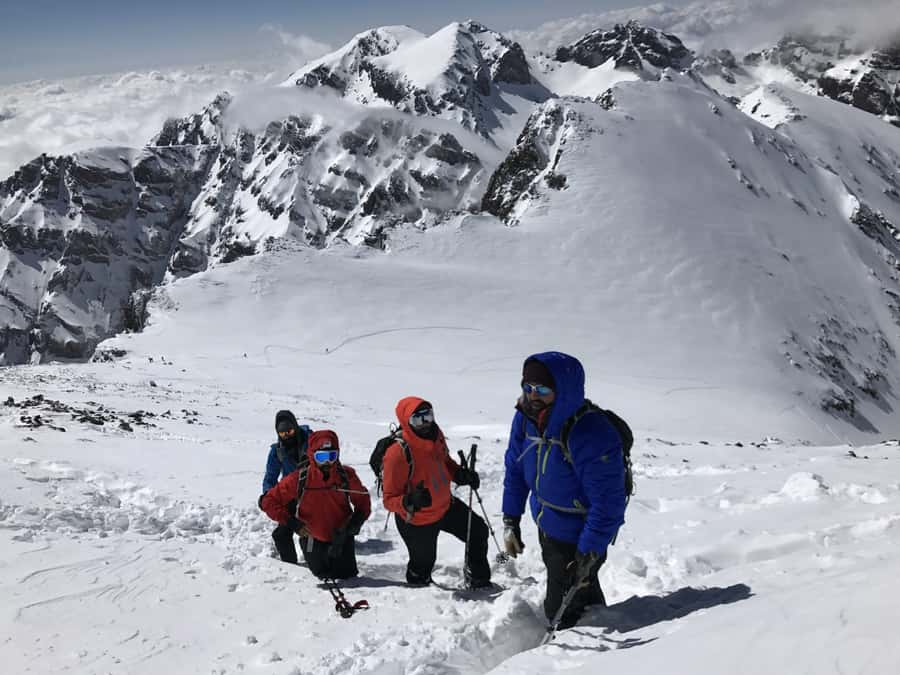
From November through April, snow slopes may require crampons, and an ice axe may be carried for security. Conditions can change quickly. Deep snow and blizzards have prevented summit attempts, even when the guide team was organized and supportive. A missed summit is disappointing, but refusing unsafe conditions is the right call.
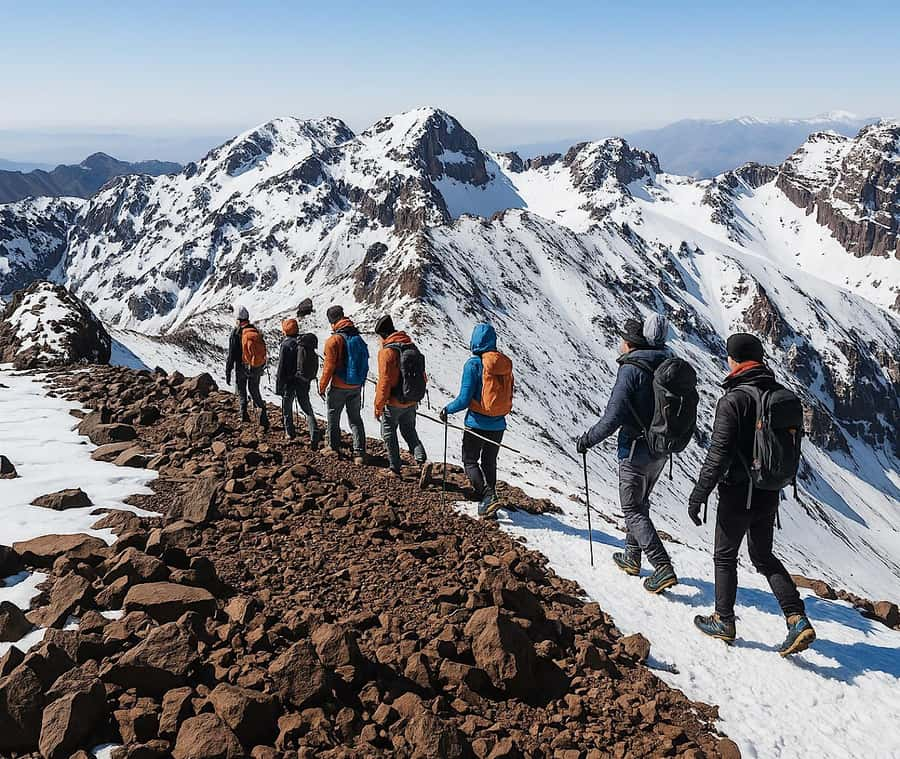
The final section reaches a broad summit area at 4,167 metres. On a clear day, the view is the payoff: the plain of Marrakech and the High Atlas spread toward the north, while the Anti-Atlas and Sahara lie to the south. Sunrise adds a memorable layer, turning the long night climb into a clear sense of arrival.
Do not treat the summit as guaranteed. Weather, snow, fitness, and altitude all matter. In poor conditions, the guide may stop the attempt or change the plan. Some groups have climbed another nearby mountain instead, while others have simply enjoyed the refuge and returned safely.
A completely different kind of day in the Atlas Mountains:
- From Marrakech: Atlas Mountains Day Trip with Camel Ride
★ 4.8 · 4,709 reviews - Atlas Mountains & 5 Valleys Tour from Marrakech – All inclusive –
★ 5.0 · 2,913 reviews - Agadir or Taghazout: Paradise Valley Atlas Mountains Tour
★ 4.4 · 2,905 reviews - Atlas Mountains, Berber Villages and Three Valleys all inclusive
★ 5.0 · 2,471 reviews
The long descent to Imlil
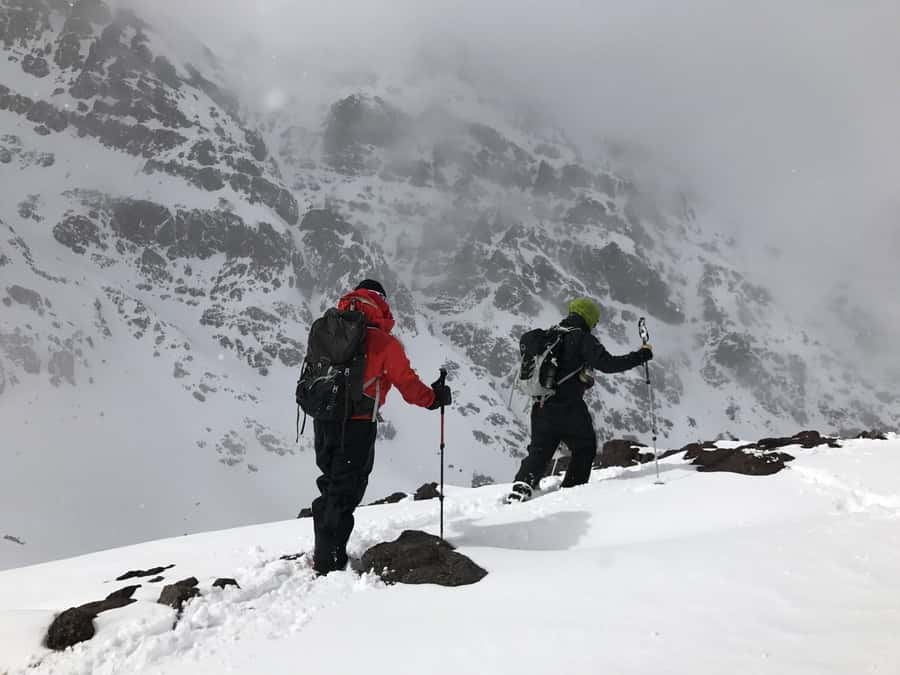
After the summit, you return to the refuge and then continue down to Imlil. The official elevation line is simple: 3,207 metres to the summit, back to 3,207 metres, then down to 1,740 metres.
The walking day lasts about 10 to 12 hours. The descent can be harder than expected because your legs are tired, your knees take repeated impact, and the excitement of the summit has worn off. This is not the time to spend all your energy taking photographs at the top.
A steady guide is especially helpful here. A few people in a group may go faster, while others need a slower pace or help with an injury. The best guides keep track of everyone rather than letting the fastest walkers disappear ahead.
If you cannot continue, tell the guide. A mule may be available for about 20 euros, though this is not included. One participant who had to turn back was taken down by mule and connected with transport to Marrakech. That kind of backup can turn a frightening moment into a manageable one.
After reaching Imlil, you return by vehicle to Marrakech. Transport is included, but the final drop-off may not always be exactly where you were collected. Confirm the return point before leaving, and keep your phone charged if you are staying in a less central part of the city.
What $147 really covers
At $147 per person, this trip offers strong practical value. The price includes hotel pickup and drop-off, return transport from Marrakech, a local and professional guide, refuge accommodation, meals listed in the program, tea, and coffee.
Arranging a guide, refuge, transport, and meals separately can be more expensive and takes more effort. A group tour also gives you company on a route where shared effort helps. Groups are limited to 14 people, though the number of guides may vary with the final group size.
The low headline price does not mean you can arrive empty-handed. You may need to pay for:
- Sleeping bag rental
- Crampons or an ice axe
- Warm clothes
- Water and soft drinks
- Snacks
- A mule
- Porters, if you want help carrying luggage
The food is included, but your personal nutrition is still your responsibility. If you burn through calories quickly, pack extra snacks. Some hikers found the meals plentiful, while others, especially larger walkers, remained hungry after eating.
Guides, group size, and the human side
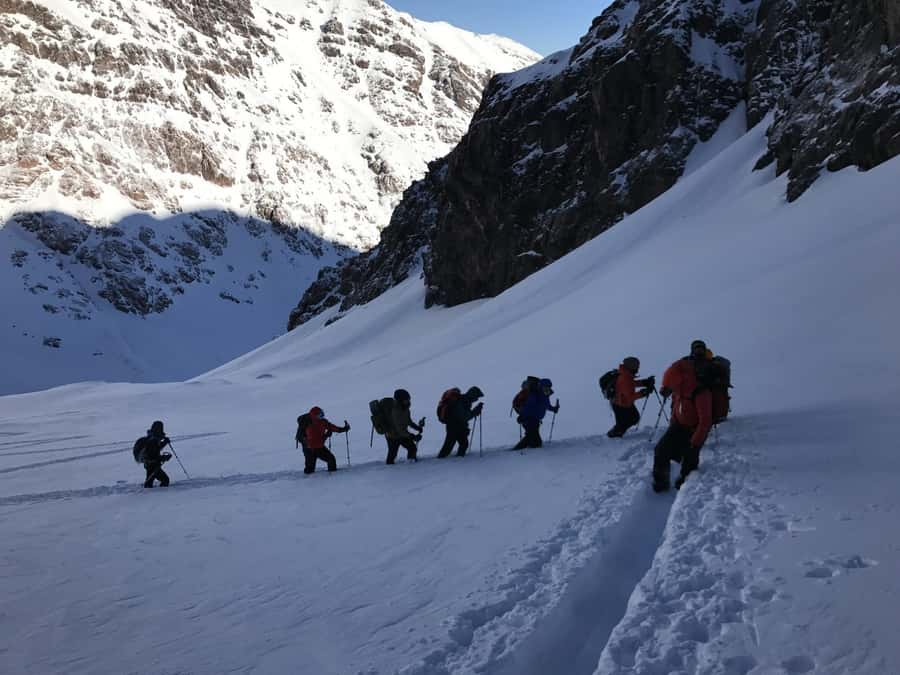
The strongest part of this trek is the guide team. Names frequently associated with good care include Mohamed Boudchichi, Mohamed, Omar, Mustafa, Yassine, Hassan, Hussein, Kamal, Mouad, Ibrahim, and Rachid.
You should not assume you can request a particular guide, but the pattern is clear: guide quality matters here, and the local teams are used to helping people with altitude, pacing, heavy bags, and difficult weather. Guides have carried backpacks, stayed with sick walkers in blizzards, and helped younger participants reach the summit.
The guides also add cultural value. You may learn about Berber language, village life, and the communities around the Atlas Mountains rather than simply passing through them. The trip supports local guides, cooks, mule handlers, and mountain accommodation.
A group of up to 14 people can be friendly and social, but group speed will depend on the slowest walker and the weather. That is usually a benefit for safety, though it may frustrate you if you want to move independently.
Guiding is available in English, French, Arabic, Italian, Dutch, Turkish, and Chinese. Confirm the language you need when booking.
Packing for a successful summit attempt
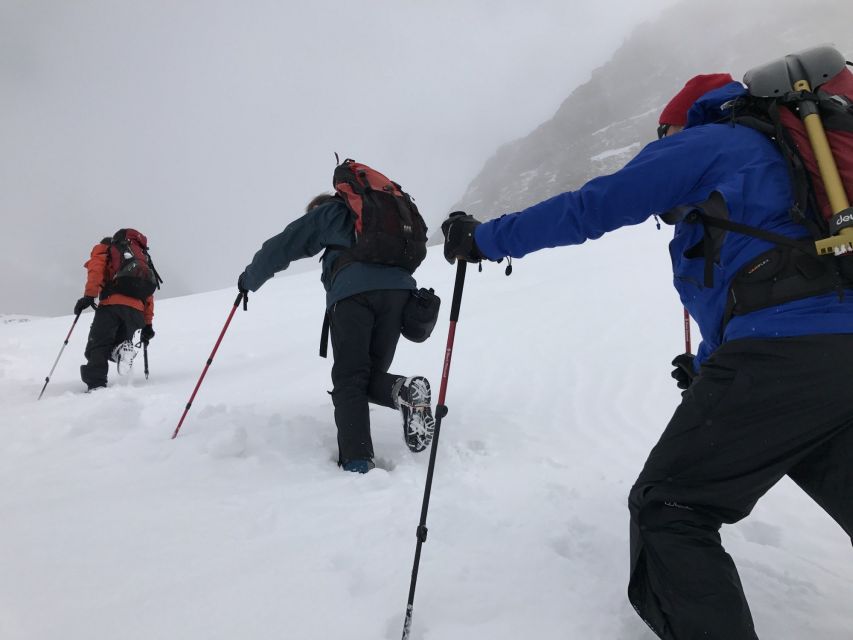
Good footwear is essential. Bring comfortable hiking shoes or boots with reliable grip, plus rain gear and warm layers. The summit can be bitterly cold, even if Marrakech feels mild when you leave.
Your practical list should include:
- Hiking shoes
- Warm jacket and extra layers
- Hat and thick gloves
- Sunglasses
- Head torch with spare batteries
- Rain gear
- Sleeping bag
- Water bottle
- High-calorie snacks
- Towel
- Passport
- Cash
- Camera
In winter, ask about crampons and an ice axe before setting off. You can rent equipment in Imlil, but do not wait until the final minutes to discover that your footwear or clothing is inadequate.
The trek is not suitable for pregnant women or people with mobility impairments. It suits fit walkers who can handle steep paths, loose rock, snow slopes, and a very long second day. You do not need technical climbing skills, but you do need stamina, sensible clothing, and the discipline to accept a weather-related turnaround.
Should you book the express Toubkal trek?
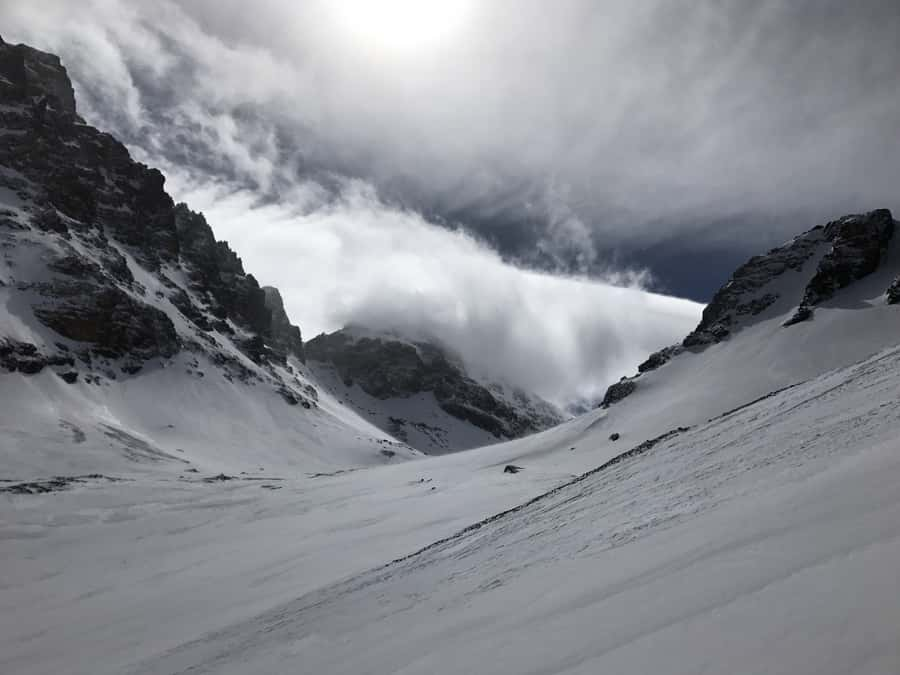
Book it if you want a demanding first 4,000-metre experience and have only two days available. The cost is attractive, transport is handled for you, local guides provide real support, and the sunrise from Toubkal can be extraordinary.
Think twice if you dislike shared dormitories, cold weather, long downhill walks, or uncertain summit plans. A longer trek would allow more time to adjust to altitude, but this two-day version gives you a direct and efficient route from Marrakech.
For the best chance of enjoying it, arrive rested, bring more food and warm clothing than you think you need, and treat the summit as a bonus rather than a promise. If you can accept that balance, this is a tough, memorable, and fairly priced way to experience the High Atlas.
FAQ
How high is Mount Toubkal?
Mount Toubkal is 4,167 metres high and is the highest peak in North Africa.
How long is the walking each day?
The first day involves about five to six hours of walking from Imlil to the refuge. The summit day and descent to Imlil take about 10 to 12 hours.
Is Mount Toubkal a technical climb?
It is described as a non-technical trek rather than a technical climb. The route can include easy scrambling, loose rock, snow slopes, and crampon or ice axe use from November through April.
Is accommodation included?
Yes. One night at a mountain refuge is included. The sleeping arrangements are shared and basic, so bring or rent a sleeping bag.
Are meals included?
Yes, meals listed in the program are included, along with tea and coffee. Water, soft drinks, and personal snacks are not included.
Can I rent equipment?
Yes. Sleeping bags, crampons, ice axes, warm clothes, walking poles, and other equipment may be rented in Imlil.
What happens if the weather prevents the summit?
The guide may stop the summit attempt for safety. The group may return to the refuge or climb another mountain, depending on the conditions and the plan made by the local team.
Is transport from Marrakech included?
Yes. Hotel or riad pickup, transport to Imlil, and return transport to Marrakech are included. The provider contacts you to confirm the meeting point.
More Two-Day Trips in the Atlas Mountains
- Marrakech: 2-Day Atlas Villages Trekking Tour
★ 4.5 · 76 reviews - From Marrakech: 2-Day Berber experience Atlas Mountains
★ 3.9 · 65 reviews - 2 Days Mount Toubkal ascent trek via Ait Mizane Valley
★ 4.3 · 45 reviews - From Marrakech:Trekking in Atlas mountains 2 days
★ 4.9 · 40 reviews
More Multi-Day Tours in the Atlas Mountains
- Marrakesh: 2-Day Mt. Toubkal Trek with 1-Night Stay & Meals
★ 4.7 · 795 reviews - Marrakech: 2-Day Atlas Mountains Trek with Village Stay
★ 4.8 · 717 reviews - From Marrakech: 3-Day Mount Toubkal Climbing Trek
★ 4.7 · 597 reviews - From Marrakesh: 2-Day Mount Toubkal Trek
★ 4.7 · 591 reviews
Just added around the Atlas Mountains
- Private Berber Middle Atlas Day Trip From Fez★ 5.0 · 21 reviews
- Excursion from Fez to Midle Atlas★ 5.0 · 21 reviews
- Excursion From Fez to the Middle Atlas Mountains★ 5.0 · 40 reviews
- fes to Middle atlas day Trip★ 5.0 · 17 reviews
- Private Day Tour from Fez to the Middle Atlas★ 5.0 · 18 reviews
- Atlas Mountain & Berber Villages and Waterfalls Day Trip from Marrakech★ 5.0 · 54 reviews
- Agadir Desert Trip + berber villages★ 5.0 · 23 reviews
- Agadir or Taghazout: Paradise Valley Atlas Mountain Swimming Trip★ 5.0 · 27 reviews
Hiking and Trekking Tours, compared.
Berber villages: Atlas Mountains Day Hike from Marrakech
Read our review →
3 Days Desert Tour From Marrakech To Merzouga Dunes & Camel Trek
Read our review →
Ourika Valley Trip with Waterfall Hike & Lunch
Read our review →
3-Day Tour to Merzouga Erg Chebbi with Food & Camel Trek
Read our review →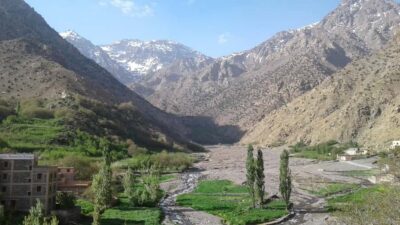
2-Day Mt. Toubkal Trek with 1-Night Stay & Meals
Read our review →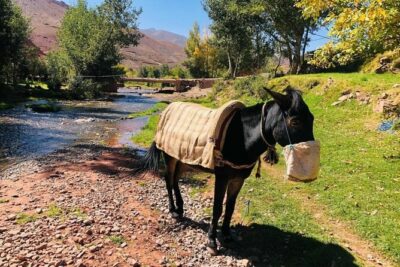
Browse the lists this tour appears in