
Reviewed · COOKING CLASSES
Rabat: Cooking Class in a Family Home
The best part of this Rabat experience is that you do not simply watch someone cook. You help choose the ingredients, carry them home, and prepare a full meal in a Moroccan family kitchen. In one memorable menu, guests made traditional couscous, then a Moroccan millefeuille with orange-blossom custard and saffron.
I like the market stop because it gives the meal a local setting, not just a cooking-room backdrop. I also like the warm family welcome, especially the chance to cook with Imane and her mother-in-law, a former chef for ambassadors. The main consideration is the meeting point: transportation is not included, so you must reach the Hopital Moulay Youssef tram station yourself.
Key points
- Market shopping comes first: You select fresh ingredients in a local neighborhood market with guidance from your host.
- The menu can reflect your tastes: Ask for couscous, tajine, or another Moroccan dish when you meet your host.
- Cooking takes place in a real family home: This is a personal kitchen experience, not a restaurant demonstration.
- Dessert can be a lesson of its own: You may prepare thin Moroccan pastry layers with orange blossom, saffron, or custard.
- The group is capped at eight: That keeps the class small enough for conversation and hands-on work.
- Plan four hours door to door: The time includes the market, cooking, meal, and Moroccan tea.
From Hopital Moulay Youssef to the Local Market
Your meeting point is the Hopital Moulay Youssef tram station in Rabat. The activity provider does not include transportation, so allow enough time to get there before the scheduled start. A local host or greeter meets you at the station and leads you into a nearby neighborhood market.
I like this beginning because it gives you a practical introduction to Moroccan food before anyone turns on a stove. Instead of finding ingredients already measured in bowls, you see what is being bought and why it matters. Your host asks about your preferences and helps decide the menu.
The market visit is not presented as a separate sightseeing stop. It is part of the cooking lesson. You may look at vegetables, spices, herbs, fruit, meat, and the special pastry used for a Moroccan millefeuille. The exact shopping list changes with your chosen dishes, which makes the meal feel less fixed than a standard class.
That flexibility is useful if you already know what you want to learn. Ask about couscous if you want a dish tied to Moroccan family tradition. One menu featured a true Moroccan couscous served in the style associated with Friday meals. If tajine is more appealing, a chicken version has also been prepared during the class.
The market may be less comfortable for anyone who prefers a tightly scheduled tour. Shopping takes time, and the final menu depends on your conversation with the host. I see that as a strength, but you should not expect a polished food show with every step set in advance.
More Cooking Classes in Rabat:
- Join Best Moroccan Cooking Class with Chef Khadija ( Over 35 years Experience )
★ 5.0 · 56 reviews - Rabat: Authentic Moroccan Cooking Class with Expert Chefs
★ 5.0 · 17 reviews - Marrakech: Moroccan Cooking Class with Pickup
★ 4.6 · 1,862 reviews
Entering a Historic Family Home
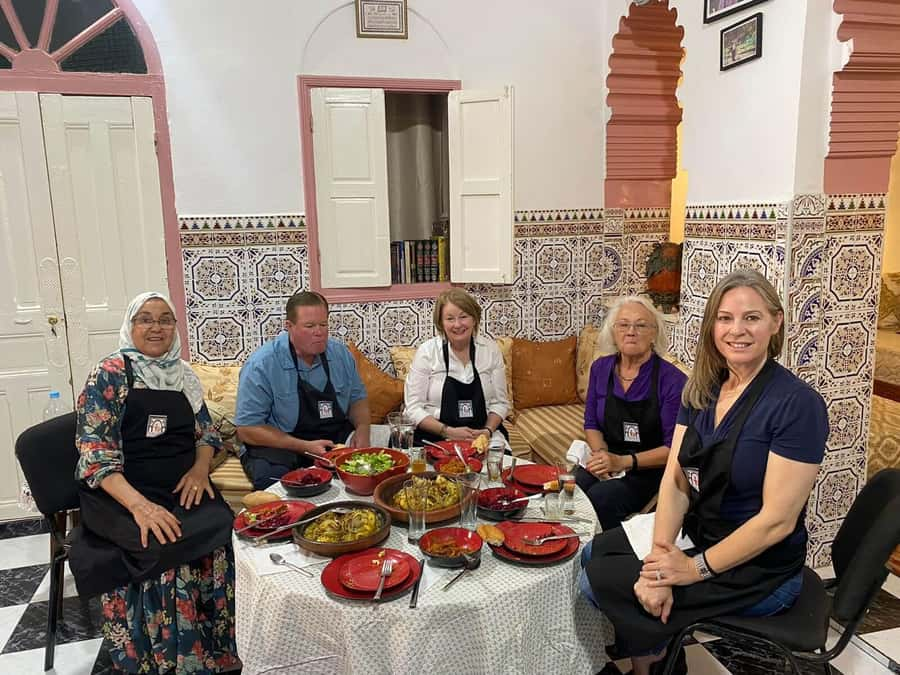
After shopping, you continue to a historic family-owned Moroccan home. The setting changes the tone right away. You are not in a commercial cooking school with a row of identical workstations. You are welcomed into a household kitchen and invited to work alongside the family cook.
Imane is one of the hosts associated with the class. She may be joined by her mother-in-law, who has professional cooking experience, including work as a chef for ambassadors. That background helps explain why the class combines family cooking with careful instruction.
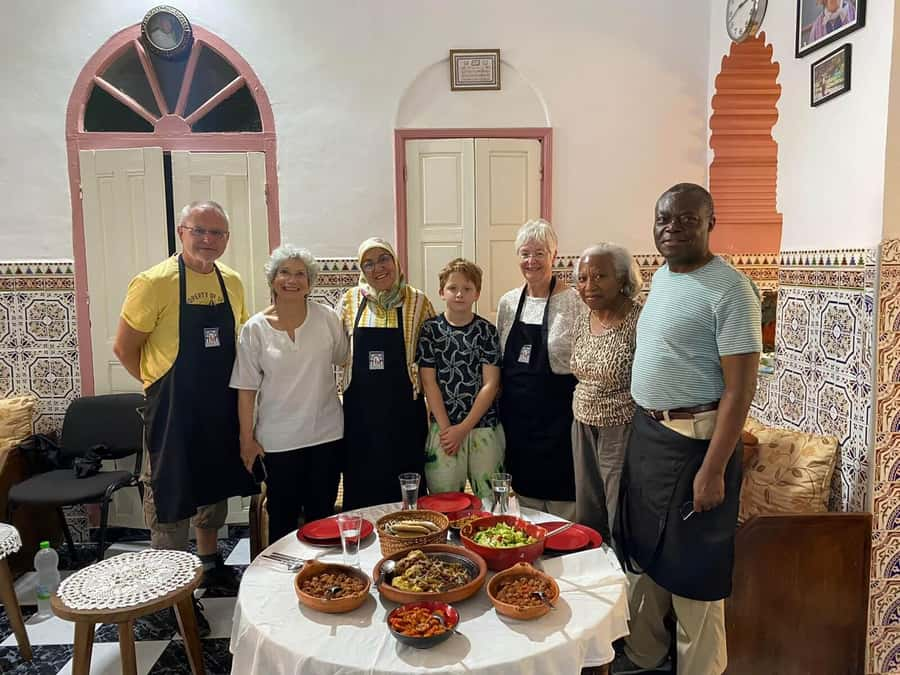
The language options are French and English. With a maximum of eight participants, you should have a fair chance to ask questions, handle ingredients, and watch the cooking closely. A small group also suits the family-home setting. A much larger crowd would make the kitchen feel less personal.
The atmosphere is social rather than formal. You work as part of a small cooking team, with the hosts showing techniques and explaining how the dishes come together. You can take photographs and write down the recipes, which is useful if you want to repeat the meal after returning home.
The exact kitchen layout and accessibility details are not specified, so anyone with mobility or kitchen-access concerns should ask before booking. This is also a home setting, which means the experience may feel more intimate and informal than a purpose-built culinary school.
Cooking a Three-Course Moroccan Menu
The class includes a full three-course menu. The dishes depend on your preferences and the ingredients bought at the market, so I would treat the examples as possibilities rather than a guaranteed menu.
A starter may include cooked aubergine or peeled peppers, chopped small and mixed with spices. Bread accompanies the dish. This kind of opening course teaches an important point about Moroccan food: simple vegetables can become the main event when they are cooked carefully and seasoned well.
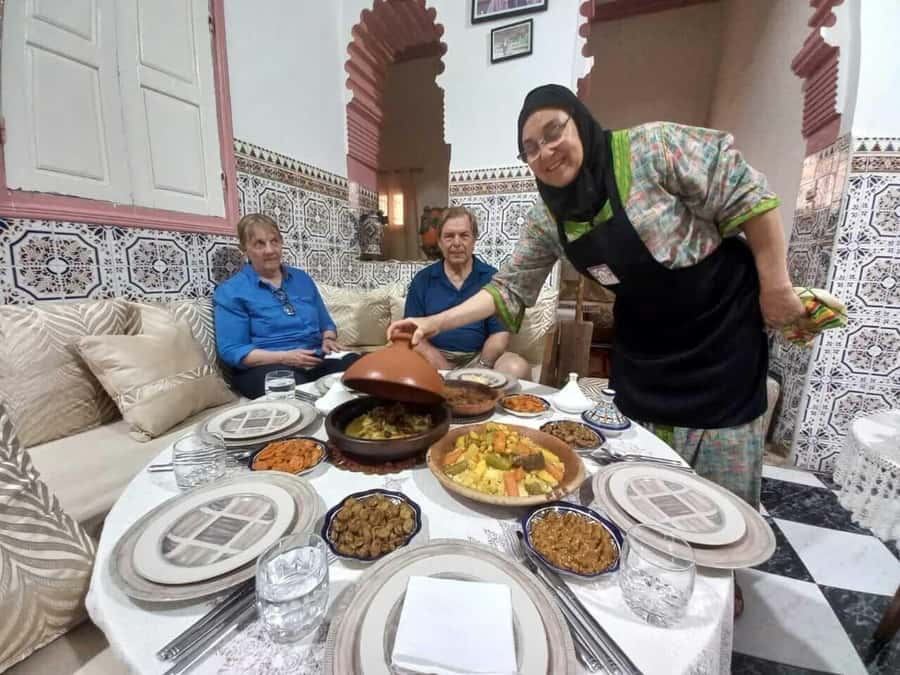
For the main course, you might prepare chicken tajine or couscous. The cooking lesson is not only about following a printed recipe. The chef may add a bit of this and a bit of that, showing you how home cooks adjust a dish by sight and taste. That is valuable, but it also means you should ask questions if you want exact measurements.
Couscous is a particularly good choice if you want cultural context with your meal. It is not simply a generic grain dish. The class can connect it to the Moroccan Friday tradition, giving you a better sense of when and how it is eaten at home.
Dessert may be a fruit salad with freshly pressed orange juice, or something more involved. The Moroccan millefeuille is the more unusual option. The pastry starts with a special dough bought at the market, made from flour, water, and salt. It is rolled into extremely thin, almost transparent sheets, then cut into rounds, fried, and stacked with homemade pastry cream flavored with orange blossom and saffron.
That dessert alone can make the class worthwhile for anyone interested in Moroccan pastry. It is also a reminder that local cooking is often labor-intensive. If you choose it, expect a hands-on process rather than a quick final flourish.
Eating the Meal You Helped Make
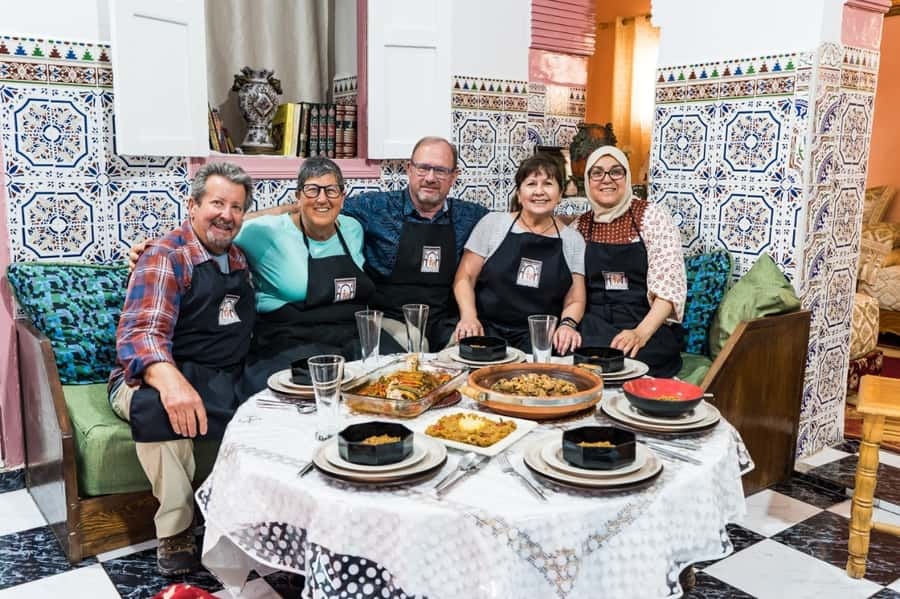
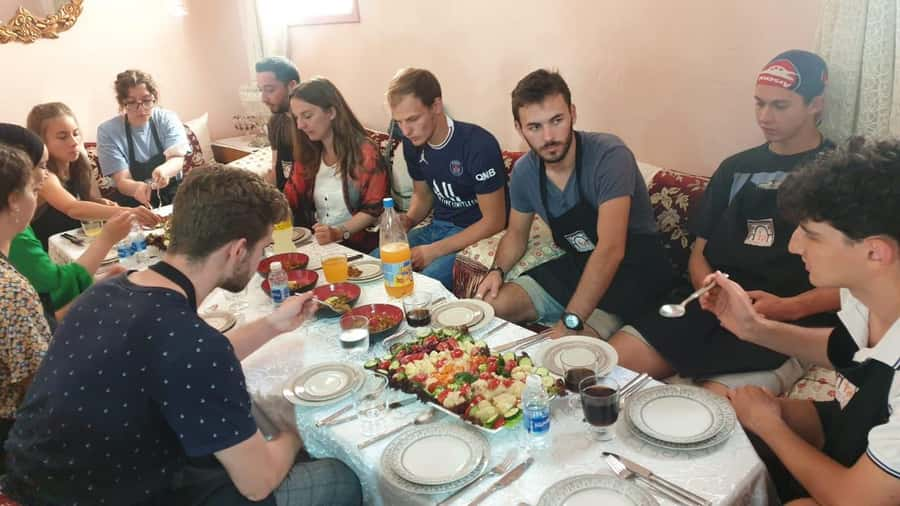
When the cooking is finished, you sit down to eat the menu you prepared. This is where the class moves from instruction to hospitality. The meal is served in the family home, and the hosts join the conversation around the food.
I like this format because it gives the dishes a clear purpose. You are not sampling small bites and moving on to the next station. You help prepare a starter, main course, and dessert, then see how the complete meal works together.
The meal also creates room for cultural exchange. The host can explain customs, ingredients, and everyday food habits while you eat. One useful part of the experience is the chance to discuss Moroccan traditions in a relaxed setting rather than hearing a short speech from a guide and leaving.
Friends who did not join the cooking session can attend the meal for an additional €15. This is a practical option if someone in your party wants the family meal but not the four-hour kitchen activity. Confirm the arrangement when booking so the host can plan the seating and food.
Drinks included in the activity are tea or coffee and bottled water. Moroccan tea finishes the experience. That final serving is not an afterthought. Tea is part of the welcome, and it gives you time to keep talking after the plates are cleared.
A few more Rabat days worth comparing
- Private Rabat Day Trip from Casablanca
★ 5.0 · 382 reviews - Rabat Imperial City Day Trip from Casablanca
★ 4.5 · 353 reviews - From Casablanca: Rabat Guided Day Trip with Hotel Transfers
★ 4.7 · 334 reviews - Rabat: Full-Day Trip from Casablanca
★ 4.5 · 252 reviews
What the Four Hours Feel Like
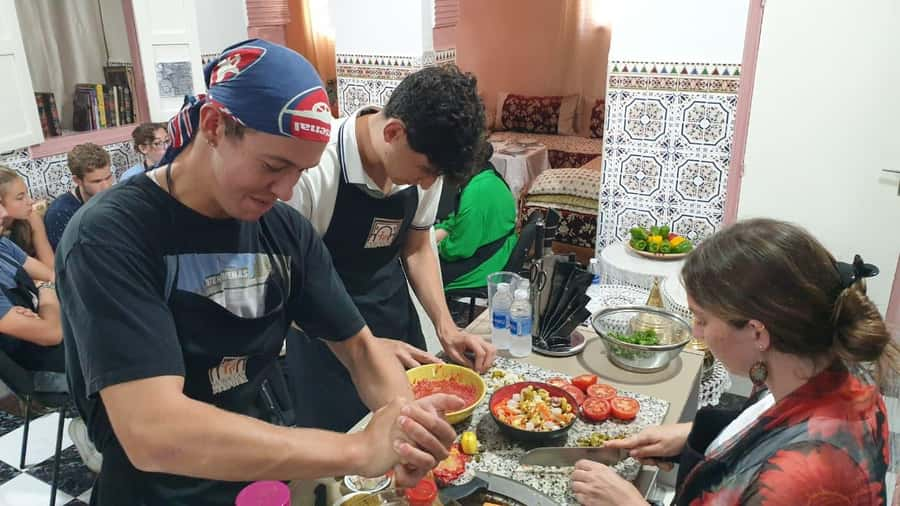
The advertised duration is four hours. That includes the market visit, the cooking session, the three-course meal, and tea. This is a half-day commitment, so do not schedule a major attraction immediately afterward.
The pace should feel more like a visit than a quick class. Shopping takes you through a local neighborhood, cooking requires preparation and waiting, and eating gives the group time to talk. If you want a short demonstration followed by a tasting, this may feel too long. If you enjoy learning by doing, the length makes sense.
A group limit of eight is another important detail. You are not booking a private class, but the group is still small. The size should allow more direct contact with the cook than a large commercial workshop. It also means the atmosphere may depend on the mix of participants, though the family setting gives everyone a shared focus.
The hosts speak French and English. If you speak either language, you can ask about ingredients, cooking methods, and customs. If you have allergies or strong food preferences, raise them before the menu is chosen, since the class is built around a shared meal and market shopping.
The Value of Paying $72
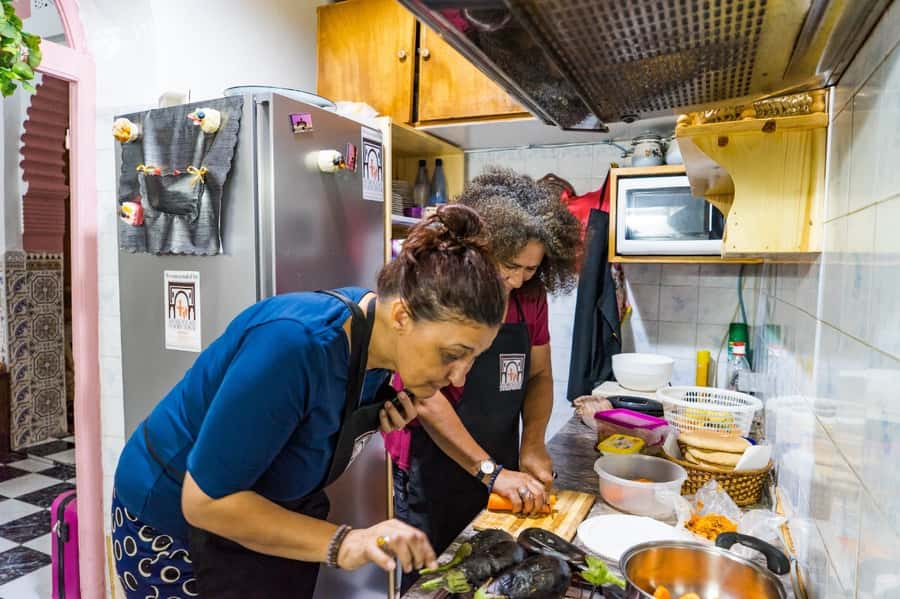
At $72 per person, this is not the cheapest way to eat in Rabat. A restaurant meal will cost less, and a market visit on its own costs nothing beyond what you buy. The price makes more sense when you count the guided shopping, hands-on instruction, three-course meal, drinks, and time spent with a local family.
You are also paying for a small-group experience. The host helps shape the menu, explains the cooking, and shares the food with you afterward. That personal contact is the main value, not the number of dishes alone.
I would consider the price fair for someone who wants food, conversation, and a cultural visit in one half-day. It is less appealing if your only goal is to eat Moroccan food cheaply or collect a recipe without social interaction.
The ability to choose the menu improves the value. A guest who requested couscous received a traditional version, while another group prepared chicken tajine, seasoned vegetables, and fruit salad. You have a better chance of learning something useful when you ask for a dish you genuinely want to cook.
Remember that transportation is not included. Budget for getting to and from the meeting point, though the precise cost depends on where you are staying and how you travel around Rabat.
Who Will Enjoy This Rabat Cooking Class
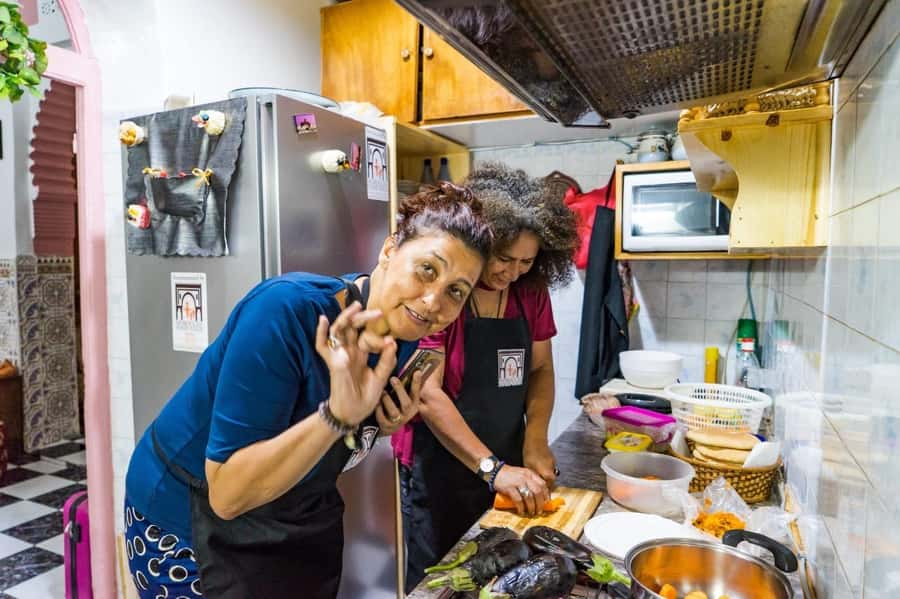
I would recommend this experience to couples, solo visitors, families, and small groups who like to meet local people through food. It is especially suitable if you want a meal that feels connected to everyday Moroccan life rather than a restaurant performance.
It also works well for beginners. You do not need to arrive as a cook. The point is to learn from the host and take part in the process. You can photograph the work and write down the recipes for later.
Food lovers should ask about the millefeuille if dessert technique interests you. Anyone curious about Moroccan customs should consider couscous, especially if the connection to Friday family meals appeals to you.
I would be more cautious about booking if you need a highly predictable menu, dislike group meals, or want to control every ingredient yourself. The menu is discussed with the host, but it is still a shared home-cooking experience. Travelers with dietary restrictions should communicate clearly before the class.
The class is also not ideal for someone who wants a private tour with no other participants. The group can include up to eight people, though that limit remains small enough for conversation.
Practical Details Before You Book
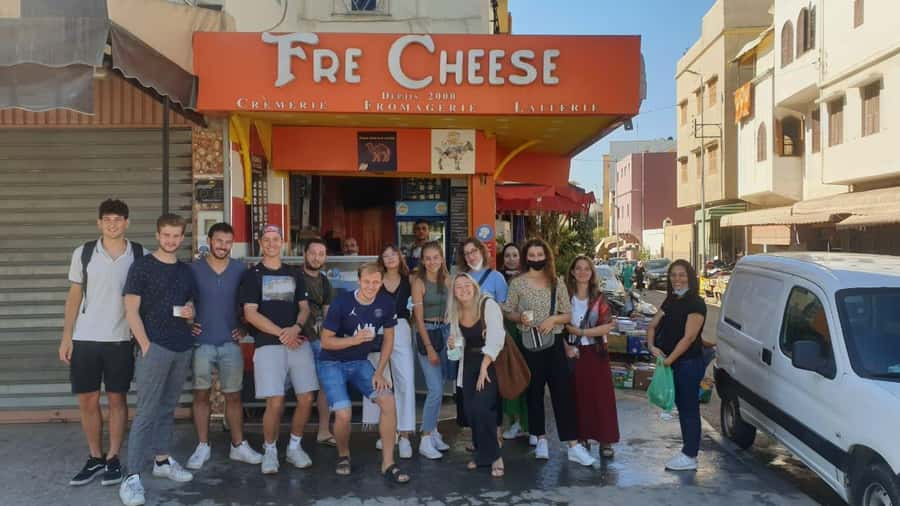
The experience is operated by MoroccanFoodTour and costs $72 per person. You can reserve now and pay later, which helps if your Rabat plans are still changing. Free cancellation is available up to 24 hours before the activity for a full refund.
Meet at the Hopital Moulay Youssef tram station. Transportation is not included, and the host or greeter meets you there before walking with the group to the market.
French and English are available. The class lasts four hours, and start times depend on availability. Since the food is bought and cooked during the session, arrive ready to participate rather than simply observe.
The published score is 5 out of 5 from 27 reviews. The strongest praise centers on the friendly family welcome, clear instruction, professional cooking, and chance to talk about Moroccan customs. Those are the elements I would prioritize when deciding if the experience fits your trip.
Should You Book It?
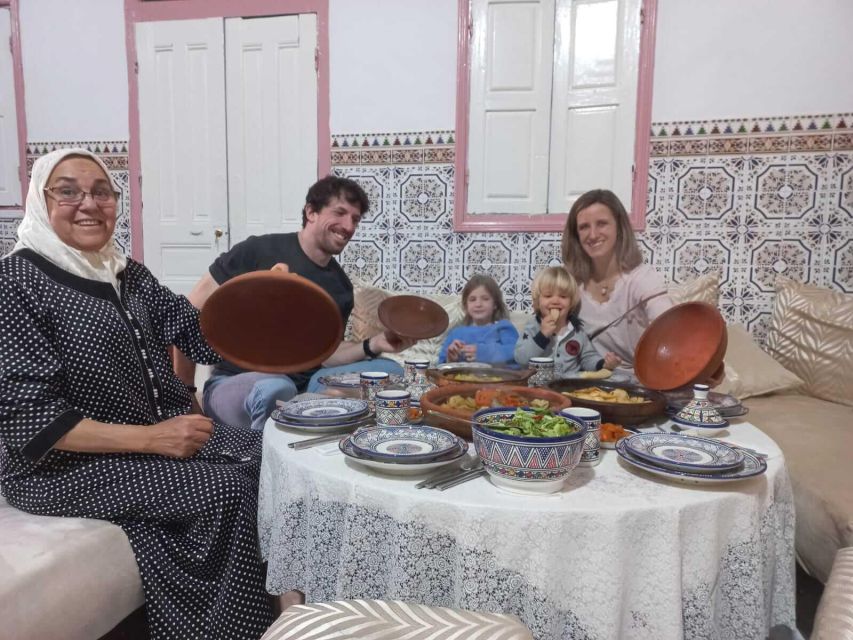
Book this class if you want to understand Moroccan food through a real meal, not just order it from a menu. The market shopping, family kitchen, flexible dishes, and tea create a well-rounded half-day in Rabat.
The strongest reason to go is the personal setting. Cooking with Imane and her family, learning from a chef with professional experience, and eating what you prepared gives the activity a sense of place. Just remember that the menu can change, transportation is separate, and the four-hour schedule asks for a relaxed pace.
For a hands-on introduction to Moroccan home cooking, I would book it.
FAQ
How long does the Rabat cooking class last?
The experience lasts four hours, including the market visit, cooking session, three-course meal, drinks, and Moroccan tea.
How much does the experience cost?
The price is $72 per person.
Where is the meeting point?
Meet at the Hopital Moulay Youssef tram station in Rabat.
Is transportation included?
No. Transportation to and from the meeting point is not included.
What languages are spoken?
The host or greeter speaks French and English.
How many people can join the class?
The activity is a small-group experience limited to eight participants.
What food will I cook?
You help choose the menu with the host. Possible dishes include couscous, chicken tajine, seasoned aubergine or peppers, fruit salad, and Moroccan millefeuille with pastry cream.
Are drinks included?
Yes. Tea or coffee and bottled water are included, and the experience finishes with Moroccan tea.
Can friends join only for the meal?
Yes. Friends can join the meal after the cooking class for an additional €15.
Just added around Rabat
- Private Day Trip to Rabat Departure from Casablanca★ 5.0 · 33 reviews
- Casablanca to Rabat Full-Day Trip★ 4.0 · 27 reviews
- Private Full Day Tour from Casablanca to Rabat★ 5.0 · 23 reviews
- Guided tour of casablanca and rabat, full day.★ 5.0 · 38 reviews
- Best Private Day Trip to Rabat from Casablanca★ 4.5 · 45 reviews
- 7 Days / 6 Nights Private Morocco Tour from Casablanca or Rabat★ 5.0 · 34 reviews
- Rabat: Walking Food Tour★ 4.9 · 48 reviews
- Rabat: Private Half-Day City Tour★ 4.1 · 26 reviews
Cooking Classes, compared.
Half-Day Cooking Class with Local Chef Laila in Marrakech
Read our review →
Marrakesh cooking class with chef Hassan – Local dishes
Read our review →
Marrakech Tour: Tajine Cookery Class Experience
Read our review →
Atlas Mountains Cooking Class with Berber Family
Read our review →Browse the lists this tour appears in