
Reviewed · COOKING CLASSES
Join Best Moroccan Cooking Class with Chef Khadija ( Over 35 years Experience )
Moroccan cooking becomes much easier to understand when you work beside someone who has prepared it for decades. In Rabat, Chef Khadija welcomes you into her traditional villa home, serves mint tea and sweets, then guides you through dishes such as tagine, couscous, breads, and vegetable salads.
I like the warm home setting and the practical recipes you can recreate later. I also like that the menu can be adjusted for vegetarian and vegan diets. The main thing to consider is that this may feel more like a hosted home meal with cooking help than a formal school class, since Khadija handles much of the work while you prepare selected ingredients.
Key points to know before booking
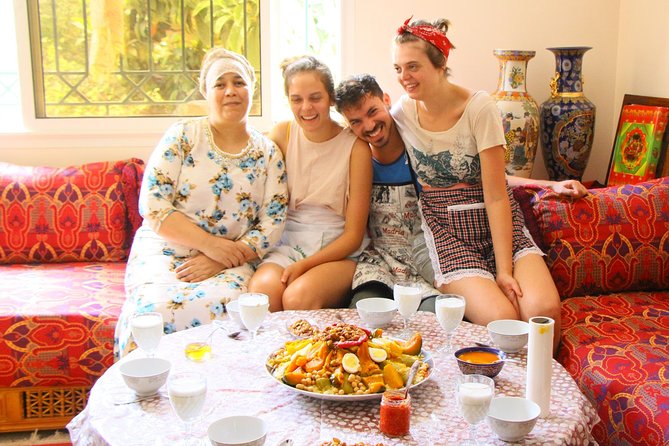
- Chef Khadija’s 35 years of experience: You learn family-style Moroccan cooking from an experienced local cook in her own home.
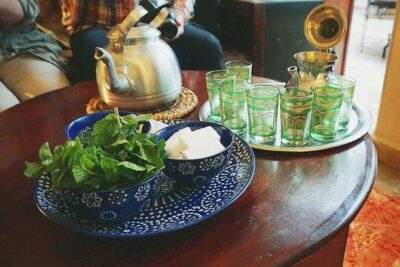
- Mint tea and sweets begin the visit: The welcome gives the class a distinctly Moroccan start.
- Menus can be customized: Meat-based, vegetarian, and vegan meals can be arranged.
- Common dishes include tagine, couscous, breads, and vegetable sides: Pastilla and zaalouk may also be possible, depending on the menu agreed in advance.
- Written instructions are provided: Bring questions and take notes so you can repeat the dishes at home.
- A small group makes the visit personal: The published information gives a maximum of six participants, though another description refers to groups of up to eight, so confirm the exact number when booking.
A Moroccan welcome in Chef Khadija’s Rabat home
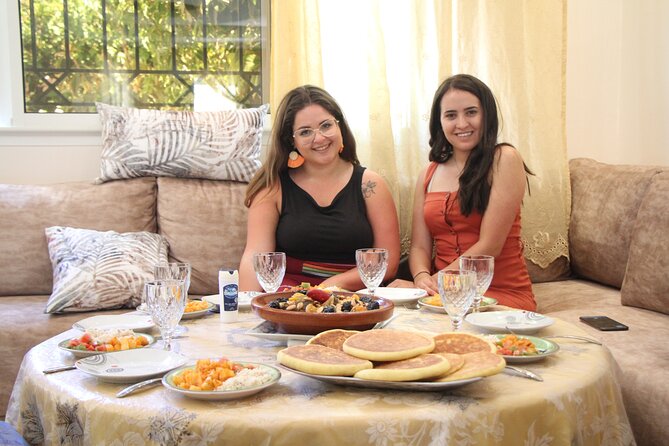
The class begins at the meeting point near Mosquée Sheikh Saif in Agdal Riyad, at Avenue As Sanaobar. From there, you enter Chef Khadija’s traditional villa home and begin with Moroccan mint tea and sweets.
That opening matters. Moroccan tea is not just a drink served while you wait for the kitchen to be ready. It is part of the welcome, and it sets the tone for the visit. You have time to meet Khadija, discuss the meal, and ask questions before chopping begins.
Her family may also be present, adding to the feeling that you are being received in a home rather than processed through a cooking studio. Some sessions include help from her sister Marla, who speaks excellent English. Khadija herself may speak only limited English, but the class can still work well through demonstration, simple instructions, notes, and the help of other family members.
You are welcome to take photographs and videos. If you like recording recipes, ask before filming while food is being prepared, then keep your phone handy for ingredient proportions and techniques.
More Cooking Classes in Rabat:
- Rabat: Cooking Class in a Family Home
★ 5.0 · 27 reviews - Rabat: Authentic Moroccan Cooking Class with Expert Chefs
★ 5.0 · 17 reviews - Marrakech: Moroccan Cooking Class with Pickup
★ 4.6 · 1,862 reviews
Choosing the menu before the knives come out
If you have not already discussed your menu, Khadija will ask what you would like to cook. This is one of the most useful parts of the booking. You are not locked into a single dish if you have dietary needs or a particular Moroccan favorite in mind.
Possible meals include:
- Chicken tagine
- Beef couscous with zucchini, pumpkin, caramelized onions, almonds, and dates
- Batboute bread
- Other Moroccan breads
- Zaalouk, a cooked eggplant salad
- Spiced zucchini and green beans
- Sweet potatoes and carrots
- Moroccan pastilla
The exact menu is not fixed in the information provided, so discuss it ahead of time. This is especially important for vegetarians and vegans. The kitchen can cater to those diets, but your request should be clear before the class begins.
If you already know you want to make pastilla, couscous, or a specific bread, mention it during booking. These dishes vary in preparation time, and a clear plan helps Khadija organize the session.
What you actually do in the kitchen
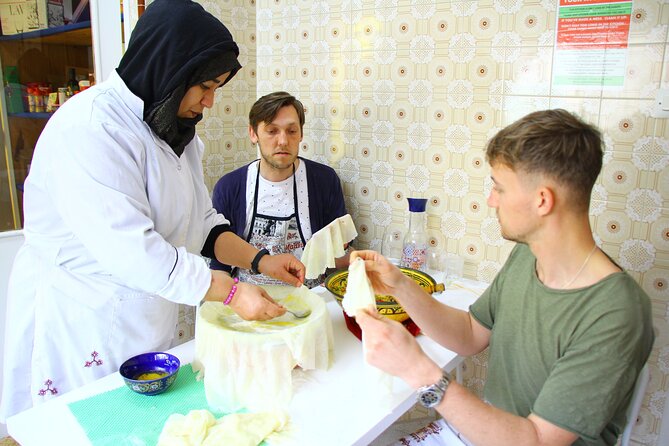
This is a participatory class, but it is not designed around every participant making every dish from start to finish. You will help prepare ingredients, including cutting onions and vegetables, mixing, shaping, and taking part in selected cooking steps.
Khadija handles much of the more involved work. That can be a plus if your main goal is to eat a wide range of dishes and learn the basic method without spending the entire afternoon at the stove. It also means you should set realistic expectations: this is not necessarily a technical chef-training course.
The value is in watching the order of operations. Moroccan cooking often depends on when ingredients enter the pot, how spices are combined, and how slowly a dish is cooked. A written list of ingredients only tells part of the story. Seeing Khadija judge texture, seasoning, and timing gives you information that is hard to pick up from a cookbook.
The class has a relaxed pace. Some descriptions place it at about two and a half hours, beginning at 10:30 a.m. and finishing around 2 p.m. Other sessions have taken roughly three and a half to four hours. The difference may depend on the menu, the number of people, and how much food is prepared.
For that reason, leave room in your schedule after the class. The advertised time is useful for planning, but a generous cushion will keep you from rushing away from the meal.
Tagine, couscous, breads, and vegetable sides
Chicken tagine is a common choice. The class may also include two vegetable sides and one or two breads. This gives you a fuller picture of Moroccan food than a single-pot lesson would.
The vegetables are not an afterthought. Spiced zucchini, green beans, eggplant, sweet potatoes, and carrots can show you how Moroccan cooks build flavor without relying on heavy sauces. Zaalouk is particularly useful to learn because it is a practical side dish that can be served with bread and adapted to a meat-free meal.
Couscous offers a different lesson. A beef version may be served with zucchini, pumpkin, caramelized onions, almonds, and dates. That combination shows the balance of savory, sweet, soft, and crunchy elements found in many Moroccan meals.
Bread is another strong reason to book. Batboute is a soft Moroccan bread that pairs well with tagines and salads. The class may include other breads too, depending on the menu. You will have the chance to see how the dough is handled and cooked, rather than simply finding bread on the table.
Pastilla is an option worth asking about if you enjoy more detailed cooking. It takes more work than a simple side dish, so it may not be part of every session. When available, it gives you a chance to learn a famous Moroccan dish with layered texture and carefully balanced seasoning.
A few more Rabat days worth comparing
- Private Rabat Day Trip from Casablanca
★ 5.0 · 382 reviews - Rabat Imperial City Day Trip from Casablanca
★ 4.5 · 353 reviews - From Casablanca: Rabat Guided Day Trip with Hotel Transfers
★ 4.7 · 334 reviews - Rabat: Full-Day Trip from Casablanca
★ 4.5 · 252 reviews
Eating the meal you helped prepare
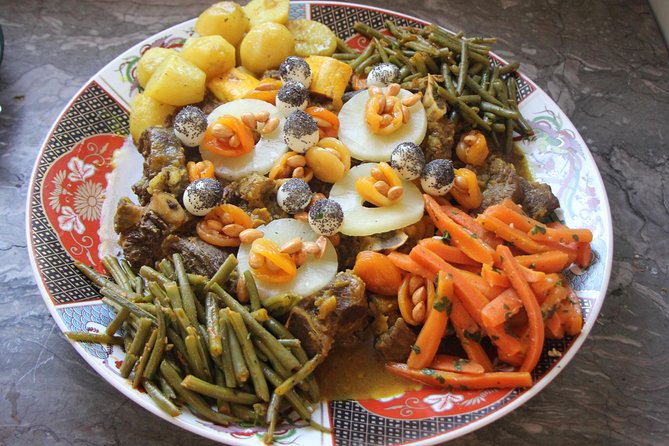
At the end, you sit down to eat the food. This is more than a reward for chopping onions. It lets you judge the effect of the steps you just watched and performed.
A shared meal also gives the class a social finish. You are not simply handed a container and sent on your way. The setting is a family villa, and the food is prepared in that home. That local setting is the main difference between this class and a standard restaurant demonstration.
Takeout containers may be available, which is helpful if the meal is generous or you have a child with you. Notes and paper are also provided for recording the recipe. You can bring your own pen, but the host has supplied writing materials for this purpose.
One small point is worth knowing. The schedule and cooking demands may mean Khadija is busy during the meal. The focus is on the food and the class, but it may not feel like a long sit-down meal with the chef at the table throughout.
A home setting that works well for families
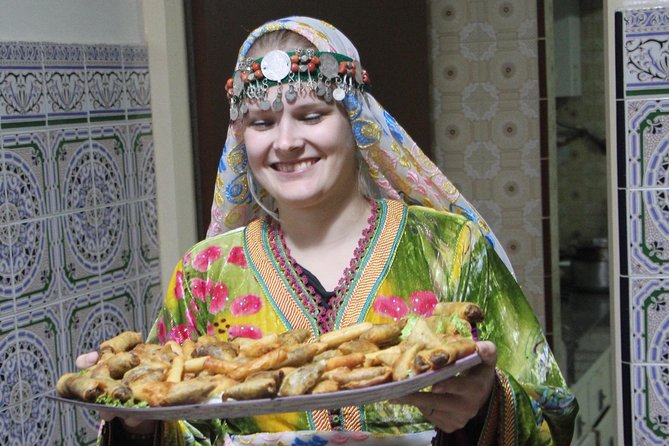
The class suits people who want a personal introduction to Moroccan food, especially families and small groups. Children have been welcomed, and the hands-on tasks can give young cooks a clear role. A child who enjoys stirring, shaping bread, or helping with vegetables may get more from this than from a standard sightseeing stop.
Solo visitors can book too. One person attended alone and learned to prepare couscous with beef, vegetables, caramelized onions, almonds, and dates. A solo booking can be a good choice if you want direct attention, though the feel of the class will depend on who else is scheduled.
Couples and groups of friends will likely enjoy the social side. You cook, eat, ask questions, and compare notes as the dishes come together. The smaller the group, the easier it is to watch each step and get individual help.
The published details state a maximum of six participants, while another description allows up to eight. Since that is a meaningful difference in a home kitchen, confirm the group size before you pay if a quiet, small class is important to you.
Getting there and planning the timing
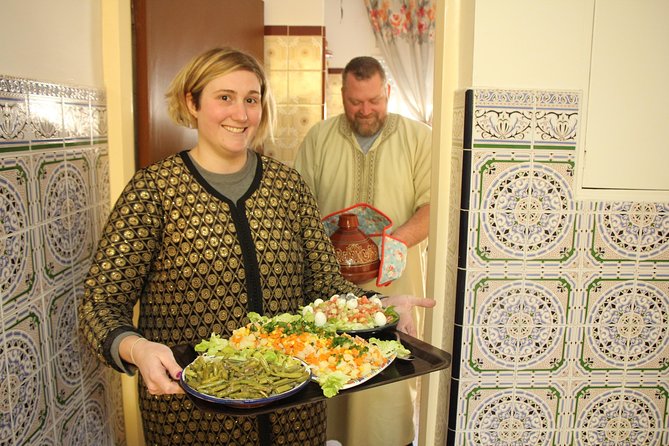
The meeting point is listed near Mosquée Sheikh Saif on Avenue As Sanaobar in Agdal Riyad, with the map reference X45C+832. The activity ends back at the meeting point.
One useful practical tip is to use a taxi if you are unsure of the neighborhood. The villa was described as relatively easy to find by taxi. The area is also near public transportation, but the information does not specify which routes or stops to use.
The class runs daily with a choice of around 10:30 a.m. or 3 p.m. The morning session is the natural choice if you want lunch and the afternoon session if you prefer a later meal. Either way, confirm the start time and menu before setting other plans.
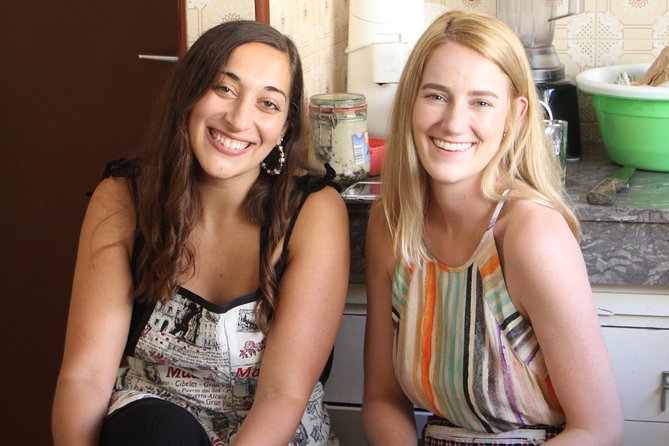
Wear comfortable clothing suitable for cooking. Aprons have been provided, and shoes may also be available if needed. The host has offered traditional clothing for photographs during the meal on some occasions, but treat that as an extra possibility rather than a guaranteed part of every booking.
Is $52.34 a fair price?
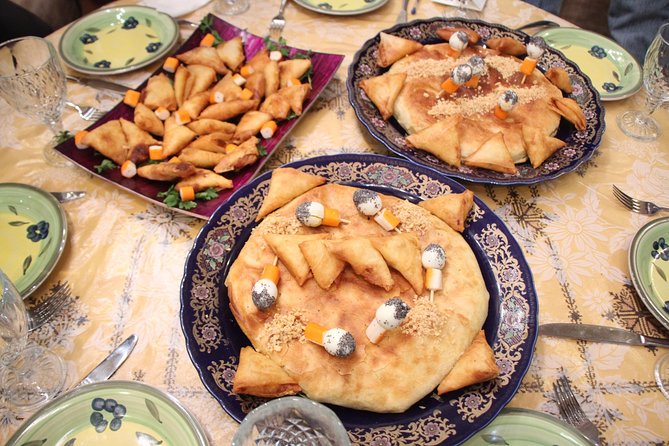
At $52.34 per person, the value depends on what you want from a cooking class. You are paying for more than ingredients and a meal. The price includes access to an experienced home cook, guidance through several dishes, tea and sweets, the social setting, and written steps for cooking at home.
It is a strong price if you want a meal plus a local introduction to Moroccan food. A restaurant meal alone would not show you how the tagine, bread, or vegetable sides were made. The recipes and techniques add lasting value.
The price may feel less attractive if you want a highly structured, chef-school format in which you personally prepare every dish. Khadija does much of the cooking, and your role can be centered on preparation and assistance. If your priority is a relaxed home meal with useful cooking lessons, that arrangement works well. If you want intensive hands-on practice from start to finish, ask exactly which tasks you will handle.
The experience is often booked about 22 days in advance, so do not leave it until the last minute during a busy visit to Rabat. Free cancellation is available up to 24 hours before the start time. A cancellation inside that window is not refundable, and the activity may be rescheduled or refunded if its minimum number is not reached.
What makes the class memorable
The best feature is the combination of food instruction and personal welcome. Khadija’s humor, patience, and clear demonstrations help the class feel friendly rather than formal.
Small touches also matter. Tea and homemade sweets begin the visit, paper and pencils help you record the method, and takeout containers may let you save part of the meal. These details show that the class is designed around hospitality as much as cooking.
The food itself is the other major draw. Chicken tagine, fresh bread, vegetable sides, and couscous offer enough range to make the meal feel like a proper Moroccan feast. You are not learning one isolated recipe and leaving hungry.
Language is the main possible challenge. Khadija may speak limited English, though Marla has been available to help with English in some sessions. Demonstration, notes, and a willingness to ask simple questions can bridge much of the gap, but travelers seeking detailed culinary theory in fluent English should confirm the language support in advance.
Who should book Chef Khadija’s class?
Book this class if you want to:
- Cook in a Moroccan home rather than a commercial studio
- Learn dishes you can repeat at home
- Eat a full meal after helping prepare it
- Try tagine, couscous, bread, vegetable sides, or pastilla
- Arrange a vegetarian or vegan menu
- Include children in a friendly food activity
- Meet a local family and experience Moroccan hospitality
You may want another type of class if you need a strict lesson plan, advanced knife training, or guaranteed full participation in every dish. This is a warm, home-based cooking visit with real instruction, not a professional culinary workshop.
Should you book it?
I would book Chef Khadija’s class if your idea of a good food activity includes conversation, tea, family hospitality, and a meal that you help bring together. The home setting, broad menu choices, written recipes, and long cooking experience give it more substance than a simple lunch stop.
Before booking, confirm three things: the exact menu, the language support, and the final group size. Also allow more than two and a half hours if your schedule is tight. With those details settled, this is a practical way to spend part of a day in Rabat and return home with more than photographs. You also leave with recipes, techniques, and a better sense of how Moroccan food fits together.
FAQ
Where does the cooking class begin?
It begins at Mosquée Sheikh Saif, on Avenue As Sanaobar in Agdal Riyad, Morocco. The listed map reference is X45C+832.
Where does the activity end?
The activity ends back at the meeting point.
How long does the class last?
The listed duration is approximately two hours and 30 minutes. Sessions may last longer, with some taking about three and a half to four hours.
What start times are available?
The class is available daily at about 10:30 a.m. or 3 p.m.
What food can I learn to prepare?
Possible dishes include chicken tagine, couscous, Moroccan breads such as batboute, vegetable sides, zaalouk, and pastilla. The exact menu should be discussed with Chef Khadija.
Can the menu be vegetarian or vegan?
Yes. Vegetarian and vegan menus can be arranged.
Is this suitable for someone booking alone?
Yes. The class can be booked by an individual or by a group.
How many people can join?
The additional information gives a maximum of six participants. Another description refers to groups of up to eight, so confirm the exact group size when booking.
What is the cancellation policy?
You can cancel for a full refund up to 24 hours before the experience start time. Cancellations made less than 24 hours before the start time are not refundable.
Just added around Rabat
- Private Day Trip to Rabat Departure from Casablanca★ 5.0 · 33 reviews
- Casablanca to Rabat Full-Day Trip★ 4.0 · 27 reviews
- Private Full Day Tour from Casablanca to Rabat★ 5.0 · 23 reviews
- Guided tour of casablanca and rabat, full day.★ 5.0 · 38 reviews
- Best Private Day Trip to Rabat from Casablanca★ 4.5 · 45 reviews
- 7 Days / 6 Nights Private Morocco Tour from Casablanca or Rabat★ 5.0 · 34 reviews
- Rabat: Walking Food Tour★ 4.9 · 48 reviews
- Rabat: Private Half-Day City Tour★ 4.1 · 26 reviews
Cooking Classes, compared.
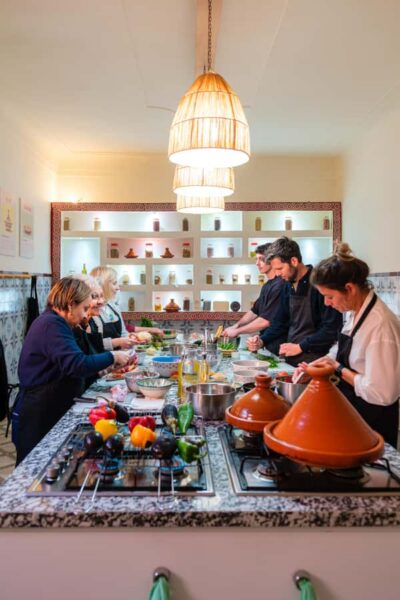
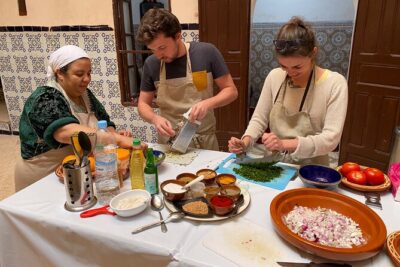
Half-Day Cooking Class with Local Chef Laila in Marrakech
Read our review →
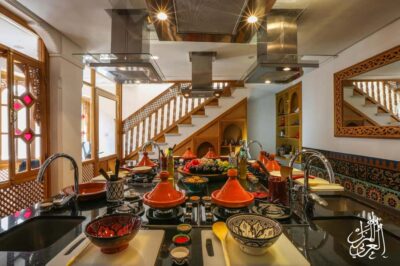
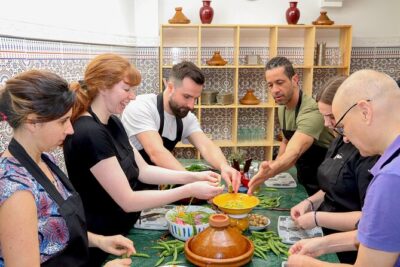
Marrakesh cooking class with chef Hassan – Local dishes
Read our review →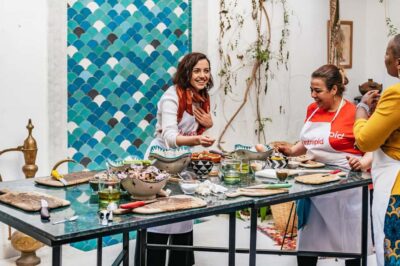
Marrakech Tour: Tajine Cookery Class Experience
Read our review →
Atlas Mountains Cooking Class with Berber Family
Read our review →Browse the lists this tour appears in