
Reviewed · COOKING CLASSES
Rabat: Authentic Moroccan Cooking Class with Expert Chefs
Rabat’s Moroccan cooking class gets you past the restaurant table and into the kitchen, where preserved lemon, fermented butter, and layered spices become part of a real meal. You may prepare a starter, tagine, bread, and dessert, with the exact menu shaped partly by the group.
I like the small groups of no more than 10 and the practical teaching from chefs and Moroccan dadas. I also like that you eat the food afterward, rather than carrying home a recipe and wondering if it works. The main consideration is that instruction may be in French, with English help from a translator, and your clothes may carry the smell of spices for the rest of the day.
Key points at a glance
- Cook a full meal: Make dishes from starter through dessert, then sit down to eat them.
- Learn unusual ingredients: Preserved lemon and fermented butter add a useful taste of Moroccan home cooking.
- Expect a flexible menu: You can be asked what you would like to cook, but the final dishes may depend on the group.
- Meet the teaching team: Chefs including Loubna and Najat have led sessions, with assistants such as Malak, Oumaima, and Fatimah helping with translation and organization.
- Small and accessible: Groups are limited to 10, and the studio is wheelchair accessible.
- Plan your clothing: Wear comfortable cooking clothes and shoes, and expect spice aromas to linger.
Three hours at OhDelices Culinary Academy
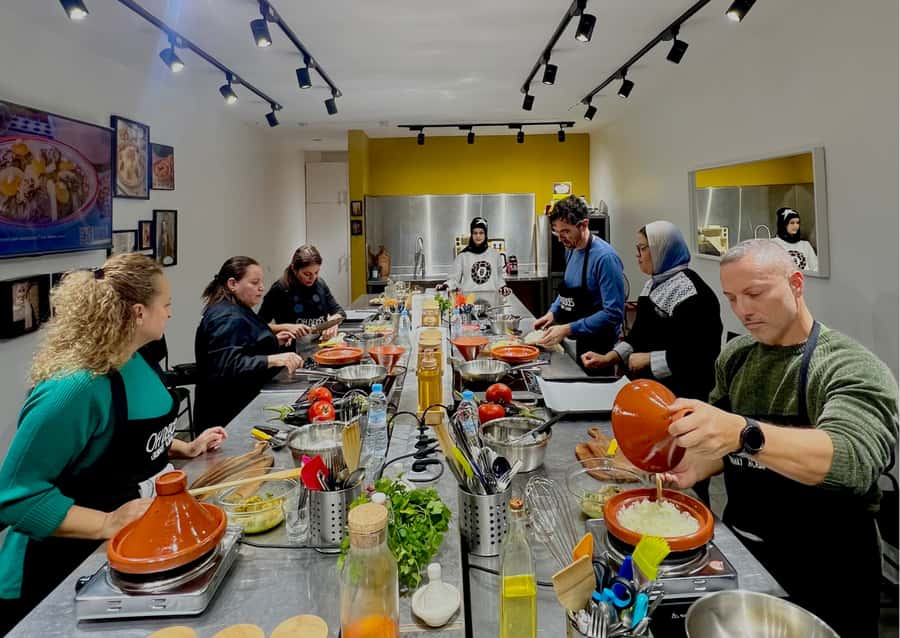
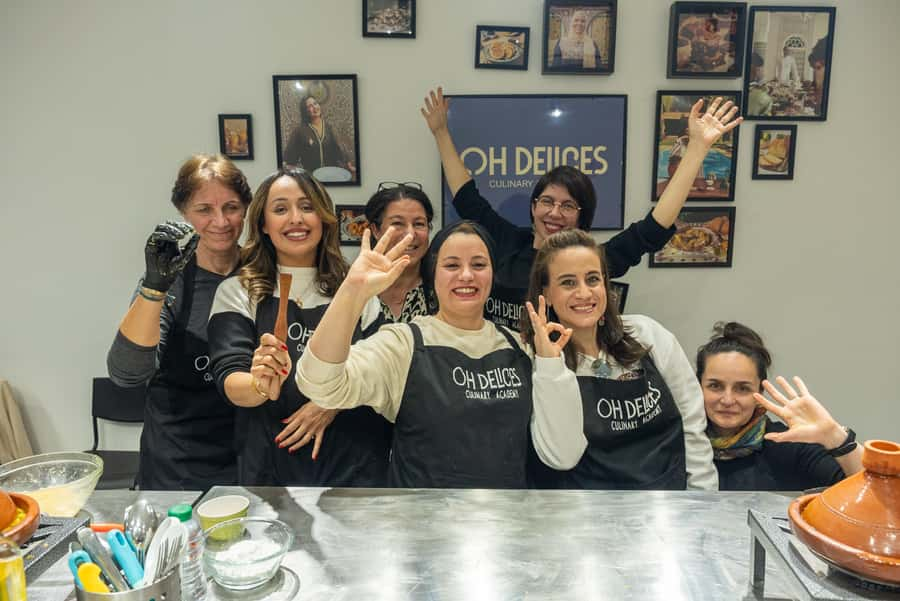
The class takes place at OhDelices Culinary Academy in Rabat, in a building next to the Goethe Center. Transportation is not included, so you’ll need to make your own way to the studio. The location suits a half-day plan, especially if you schedule it alongside time in central Rabat rather than treating it as a full-day outing.
The three-hour format is well judged for a cooking class. It gives you time to hear the background of the dishes, prepare several parts of the meal, and eat without turning the lesson into an endurance test. You will not simply watch a chef cook while standing at the edge of a kitchen. The point is to take part.
The class welcomes beginners as well as experienced home cooks. That matters because Moroccan cooking can look complicated at first. Tagines, filled pastries, breads, and desserts use techniques that may be unfamiliar, but the teaching is designed for different skill levels. You receive guidance as you work, rather than being expected to know how the recipes should behave.
The studio provides the ingredients and equipment. You only need comfortable clothing and shoes suitable for standing and cooking. Smoking, vaping, alcohol, drugs, weapons, and sharp objects brought from outside are not allowed.
More Cooking Classes in Rabat:
- Join Best Moroccan Cooking Class with Chef Khadija ( Over 35 years Experience )
★ 5.0 · 56 reviews - Rabat: Cooking Class in a Family Home
★ 5.0 · 27 reviews - Marrakech: Moroccan Cooking Class with Pickup
★ 4.6 · 1,862 reviews
Choosing your Moroccan menu
The menu is not described as a single fixed set of recipes for every class. You may be asked what you would like to prepare, although the final plan can change depending on the other people in your group. This is useful if you have a particular interest in tagine, couscous, msemen, pastilla, bread, or Moroccan sweets, but it is not a promise that every listed dish will appear in your session.
That flexible approach is one of the class’s strengths. It lets the chef respond to the group and keep the lesson manageable. It also means you should arrive with realistic expectations. If you are determined to learn one specific recipe, mention it ahead of time and again at the start.
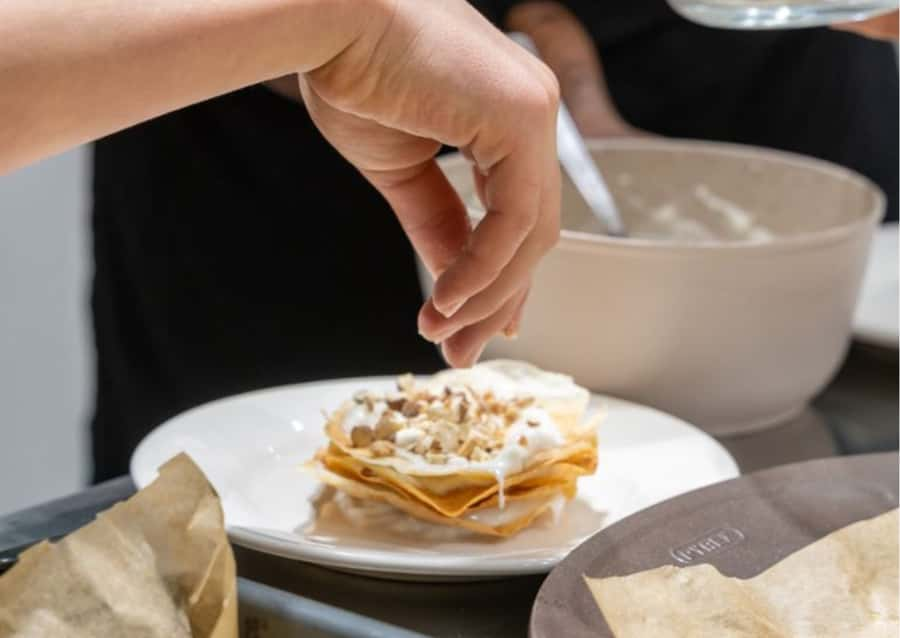
The selection can include a starter, a main dish, bread, and dessert. Past sessions have included eggplant as a starter, beef tagine, lemon chicken tagine, and a pastry dessert. These examples show the range of the class, from vegetable dishes and slow-cooked meat to sweet baked recipes.
You may also learn how Moroccan cooking uses ingredients that are easy to overlook when you order in a restaurant. Preserved lemon and fermented butter were specifically part of a lemon chicken tagine session. These are not just decorative additions. They help explain why a home-cooked Moroccan dish can taste different from a simplified version made abroad.
From spice lesson to finished tagine
Moroccan cooking depends on balance more than on heat. The class introduces the role of spices and shows how they build flavor in a dish. You can expect practical advice on quantities, timing, and how ingredients work together, rather than a list of spice names with no context.
The exact cooking order will depend on the menu, but a typical session moves from preparation to cooking and then to the meal. You might begin by handling vegetables, meat, herbs, dough, or pastry. While the food cooks, the chef can move the group on to another element of the meal.
Tagine is a particularly useful dish to study because it brings several Moroccan habits together. Ingredients are layered, seasoning is carefully measured, and slow cooking allows the flavors to combine. You will also see why preserved lemon is used with restraint. Too much could dominate the dish, while the right amount can sharpen the sauce.
If couscous is on your menu, the class gives you a chance to learn one of Morocco’s best-known staples as a prepared dish rather than a restaurant side. Msemen offers a different lesson, since the work involves dough and shaping. Traditional breads and pastillas add still more variety, especially if you like hands-on tasks.
The teaching team can adjust support for beginners. Chef Loubna has led classes with translator Malak, while Chef Najat has taught sessions that included eggplant, beef tagine, and pastry. Hannane and Fatimah have also hosted classes, with Fatimah helping keep the cooking moving. The names may vary by date, but the format remains centered on direct instruction and teamwork.
Learning through translation and conversation
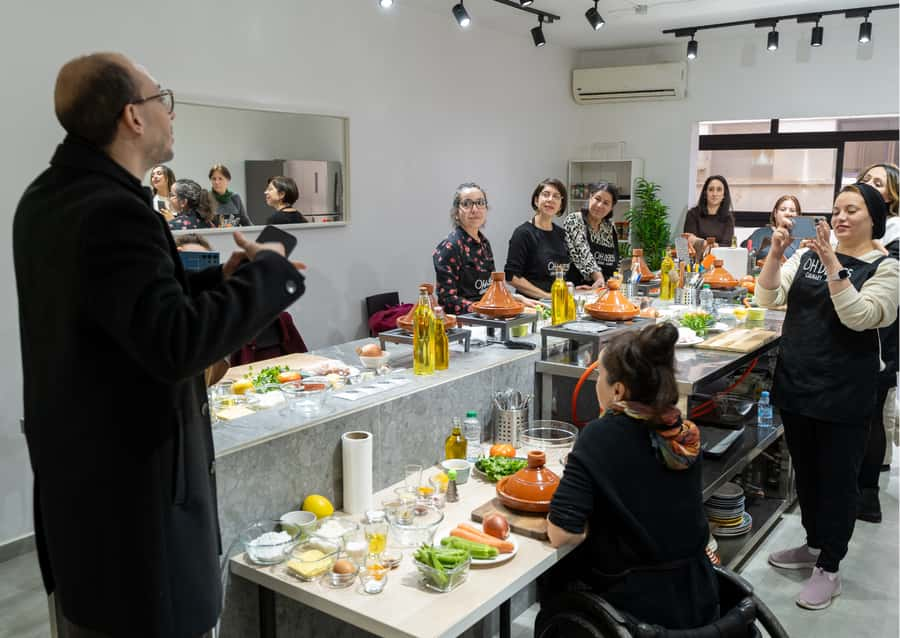
Classes are offered in Arabic, English, and French. English and French sessions may include a translator, so you should not assume every explanation will come directly from the chef in your preferred language.
This arrangement can work well, but it is worth knowing in advance. Cooking demonstrations often rely on visual cues, and the recipes are practical, so a pause for translation need not prevent you from following along. Still, if you have detailed questions about technique, allow an extra moment for the answer to be interpreted.
The cultural side is just as important as the recipe. The chefs share stories and explain the background of the dishes while you cook. You have time to ask about ingredients and methods, and the meal afterward gives the group a chance to continue talking.
I would choose this class partly for that contact. A restaurant can show you what Moroccan food tastes like. A kitchen lesson gives you a better sense of how the food is made, what ingredients matter, and which steps a local cook considers essential.
A few more Rabat days worth comparing
- Private Rabat Day Trip from Casablanca
★ 5.0 · 382 reviews - Rabat Imperial City Day Trip from Casablanca
★ 4.5 · 353 reviews - From Casablanca: Rabat Guided Day Trip with Hotel Transfers
★ 4.7 · 334 reviews - Rabat: Full-Day Trip from Casablanca
★ 4.5 · 252 reviews
Sitting down to eat what you made
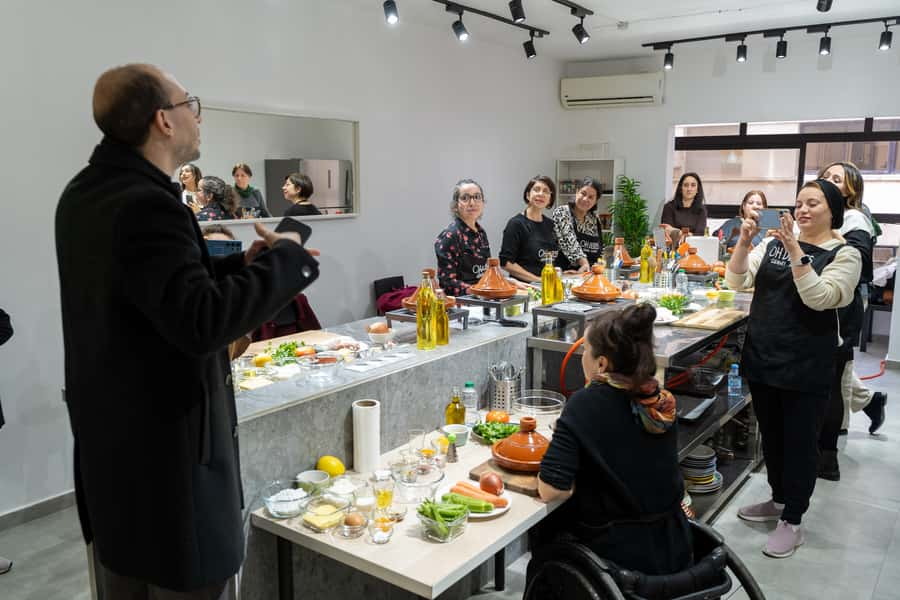
After the cooking, you eat the full meal prepared by the group. This is more satisfying than a quick tasting because you can see how the individual tasks come together on the table.
The meal includes Moroccan mint tea. The tea is not an afterthought. It gives the class a proper ending and creates time for stories and conversation after the burners and cutting boards have been cleared.
Expect the food to be filling. A session can include a starter, a substantial main course, and dessert, so you should not plan an elaborate dinner immediately afterward. If you are cooking as a couple or family, this shared meal is also part of the social value. Everyone can compare the parts they worked on and see how the finished dishes turned out.
The class has a strong record of satisfaction, with a perfect 5 rating based on 17 reviews. The most consistently praised features are the relaxed instruction, the organization, the helpful translation, the enjoyable atmosphere, and the quality of the food. Those are the areas I would treat as the class’s main selling points.
The real value of the $65 price
At $65 per person, this is not the cheapest way to eat in Rabat. A restaurant meal will usually cost less, and you can find Moroccan food without spending three hours in a kitchen.
The comparison changes when you count what is included. You receive all ingredients, equipment, professional instruction, a full meal, mint tea, and recipes to take home. You are paying for food, but also for a guided lesson and a cultural exchange with the cooking team.
The recipes are an important part of the value. They turn the class into something you can use after your holiday. You can try the dishes at home and remember not only the ingredient list, but also the advice about spices, bread, preserved lemon, and preparation.
I would consider the price fair for couples, families, and anyone who wants more than a meal out. It is less compelling if your main goal is simply to eat as cheaply as possible, or if you already have extensive experience with Moroccan cooking.
The small group helps justify the cost. With a maximum of 10 people, the class is not designed as a large demonstration where you can easily disappear at the back. You should have a reasonable chance to receive help with your own work and ask questions.
A few practical drawbacks to know
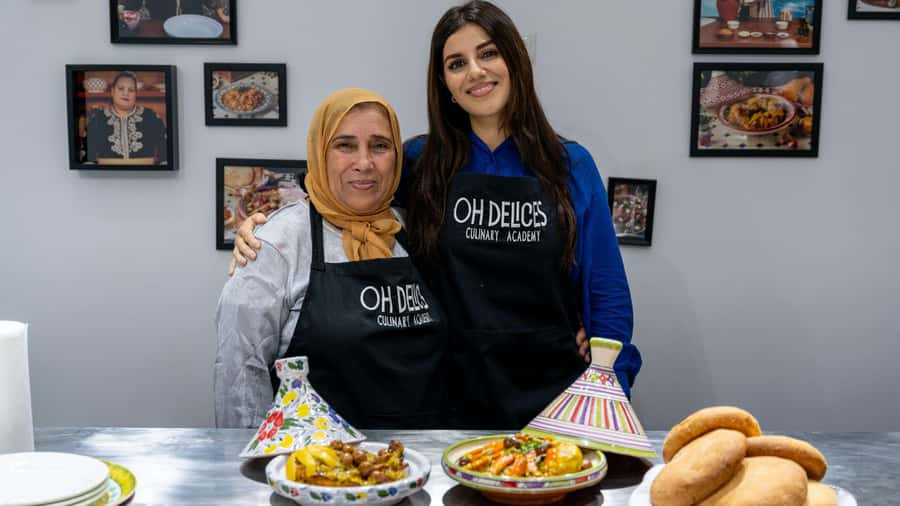
The biggest practical issue is the language arrangement. English support is available, but some instruction may be delivered in French and interpreted by an assistant. If you prefer a fully English-speaking cooking lesson, confirm the language setup for your date.
The second issue is the cooking smell. Spices can cling to clothing. One useful tip is to avoid wearing an outfit you plan to use for an evening reservation immediately afterward. Bring comfortable clothes suitable for cooking, and give yourself time to change if that matters to you.
The menu may also shift. You can express a preference, but the class works as a shared session, so the chef may need to choose dishes that suit the whole group. This is a small trade-off for cooking with other people rather than booking a fully private lesson.
Transportation is not included. The meeting building is next to the Goethe Center, but you are responsible for reaching it. Check your route before the starting time, particularly if you are staying outside the central part of Rabat.
The studio is wheelchair accessible, which makes the activity workable for more people than many hands-on food tours. The supplied information does not specify every detail of the kitchen layout, so contact the provider in advance if you need a particular accommodation.
Who will enjoy this Rabat cooking class?
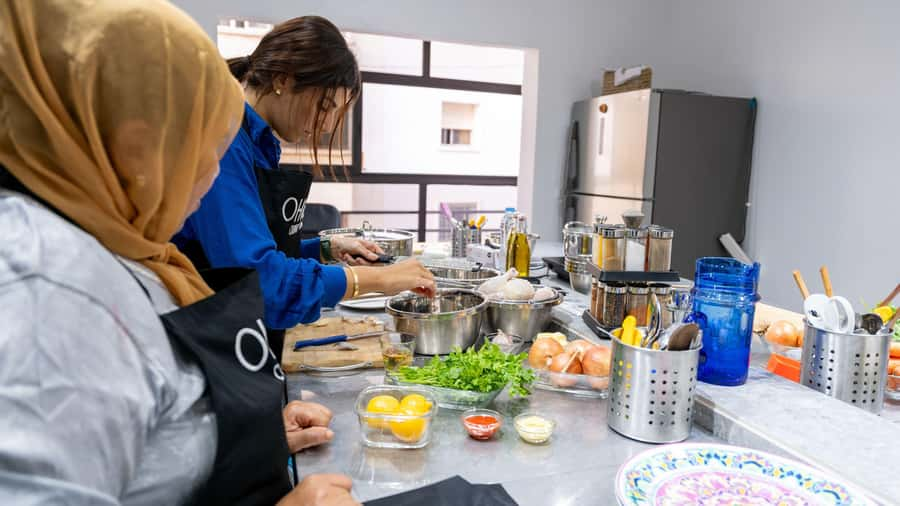
I would recommend it to first-time visitors who want an activity that explains Moroccan food rather than simply serving it. It is also a good fit for couples, families, solo visitors, and small groups who like working with their hands.
Beginners should feel comfortable booking. The chefs provide support, and the class is built around making the food together. You do not need professional equipment or prior Moroccan cooking experience.
Food-focused visitors will get the most from the lesson if they are curious about ingredients such as fermented butter, preserved lemon, spice blends, and Moroccan breads. If you only want to watch a polished demonstration, this may feel less suitable because participation is central.
It is also a useful choice early in a Rabat stay. Learning how the dishes are made can help you recognize ingredients and techniques when you order food later. Just remember the spice aroma issue if this is your first activity after arriving and your clothes are still your only dinner outfit.
Booking advice and final verdict
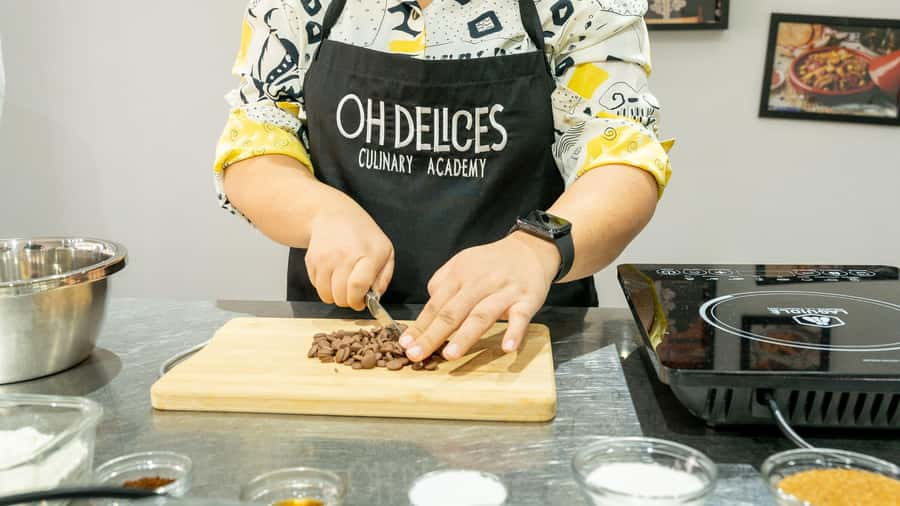
Book this class if you want a hands-on cultural activity with a meal at the end, especially if you are interested in learning recipes you can repeat at home. The combination of a small group, experienced chefs, translation help, ingredients, equipment, recipes, and mint tea makes the $65 price reasonable.
I would skip it only if you dislike cooking, need a fully fixed menu, or want a quick food tasting instead of a three-hour lesson. For everyone else, OhDelices Culinary Academy offers a useful way to understand Moroccan food from the inside, with enough practical work to make the meal feel earned.
FAQ
Where does the cooking class take place?
The class takes place at OhDelices Culinary Academy in Rabat. The building is next to the Goethe Center building.
How long does the class last?
The cooking class lasts three hours. Starting times vary, so you need to check availability for your chosen date.
What is included in the price?
The price includes all cooking ingredients and equipment, professional guidance, a full meal after the class, complimentary Moroccan mint tea, and recipes to take home.
Is transportation included?
No. Transportation to and from the culinary studio is not included.
Which languages are available?
The listed languages are Arabic, English, and French. Classes in English and French may use a translator.
How many people are in each group?
The class is a small-group activity with a maximum of 10 participants.
Is the cooking class wheelchair accessible?
Yes. The activity is listed as wheelchair accessible.
What should I bring and wear?
Bring comfortable shoes and wear comfortable clothing suitable for cooking. You should also tell the provider about dietary restrictions or food preferences in advance.
Just added around Rabat
- Private Day Trip to Rabat Departure from Casablanca★ 5.0 · 33 reviews
- Casablanca to Rabat Full-Day Trip★ 4.0 · 27 reviews
- Private Full Day Tour from Casablanca to Rabat★ 5.0 · 23 reviews
- Guided tour of casablanca and rabat, full day.★ 5.0 · 38 reviews
- Best Private Day Trip to Rabat from Casablanca★ 4.5 · 45 reviews
- 7 Days / 6 Nights Private Morocco Tour from Casablanca or Rabat★ 5.0 · 34 reviews
- Rabat: Walking Food Tour★ 4.9 · 48 reviews
- Rabat: Private Half-Day City Tour★ 4.1 · 26 reviews
Cooking Classes, compared.
Half-Day Cooking Class with Local Chef Laila in Marrakech
Read our review →
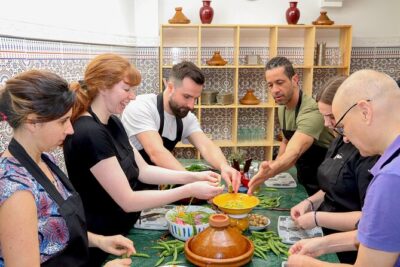
Marrakesh cooking class with chef Hassan – Local dishes
Read our review →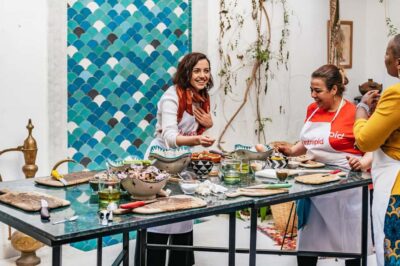
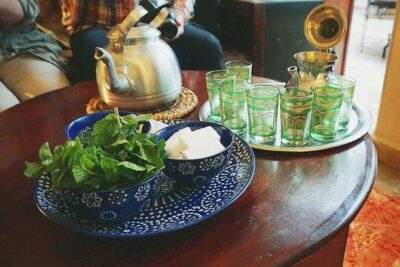
Marrakech Tour: Tajine Cookery Class Experience
Read our review →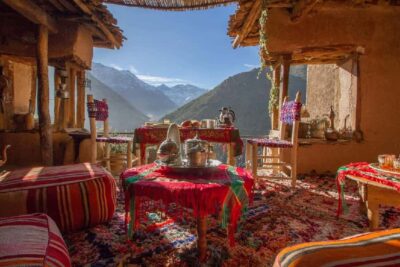
Atlas Mountains Cooking Class with Berber Family
Read our review →Browse the lists this tour appears in