
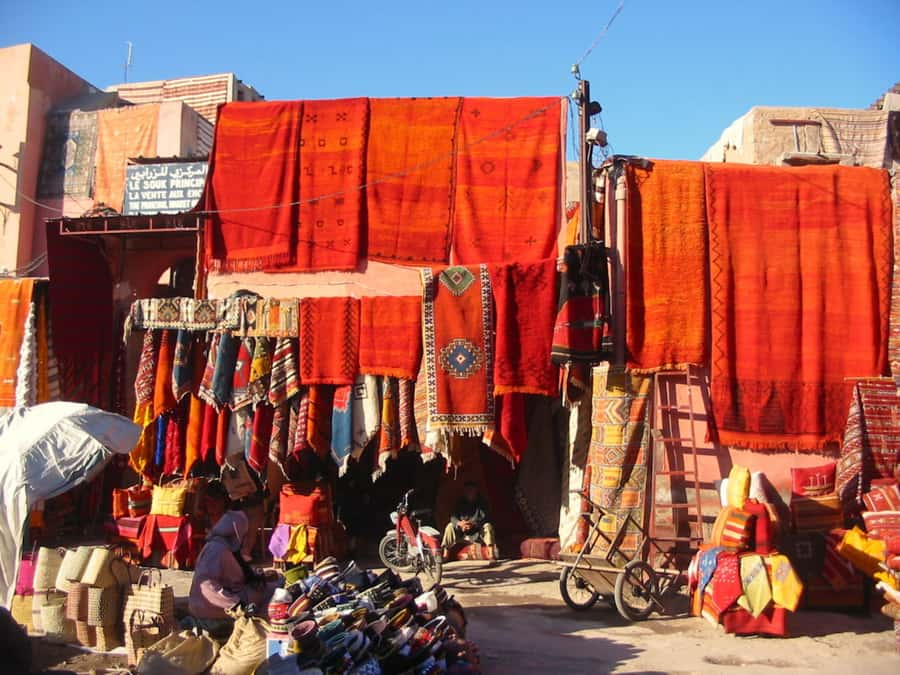
Reviewed · MEDINA AND SOUK TOURS
Marrakesh: Guided Souk Shopping Tour with a Local Guide
Marrakesh’s souks are easier to enjoy when someone local takes charge of the maze. This three-hour guided shopping walk leads you through craft areas, workshops, and small shops chosen around what you want to buy, rather than sending you on a fixed route.
I like the practical help with bargaining, and I like that the guide can point out where leather, metalwork, ceramics, embroidery, and woodwork are made. The main consideration is that this is a group tour, so your route must balance everyone’s shopping interests rather than follow only your own list.
Key points at a glance
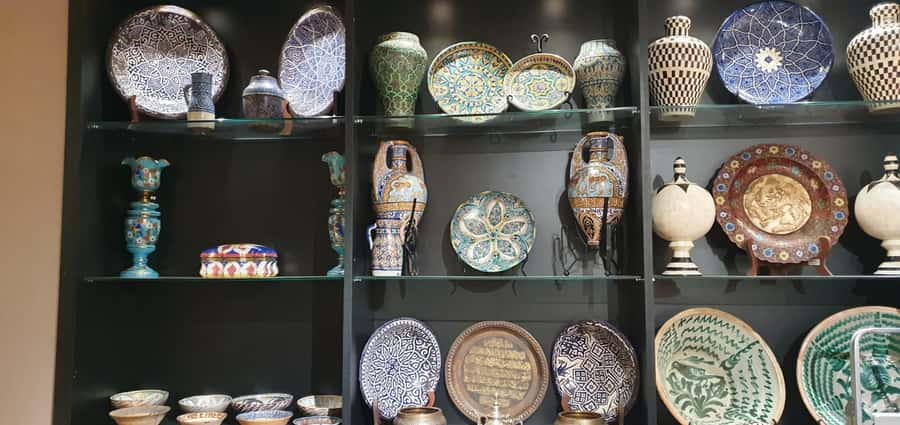
- Meet outside Hotel Ali: The tour begins beside Jemaa El Fna, a simple landmark in the Medina.
- Choose your shopping focus: Tell your guide if you want souvenirs, everyday items, leather, ceramics, textiles, woodwork, or other crafts.
- See working craft areas: The walk can include workshops where artisans make goods using traditional methods.
- Learn to bargain: Your guide explains useful phrases, local shopping manners, and when to ask for help negotiating.
- Good first-day activity: The route helps you understand the Medina’s alleys and makes later visits less confusing.
- Three-hour walking tour: Morning and afternoon departures are offered, with comfortable shoes essential.
Why a guide helps inside Marrakesh’s souks
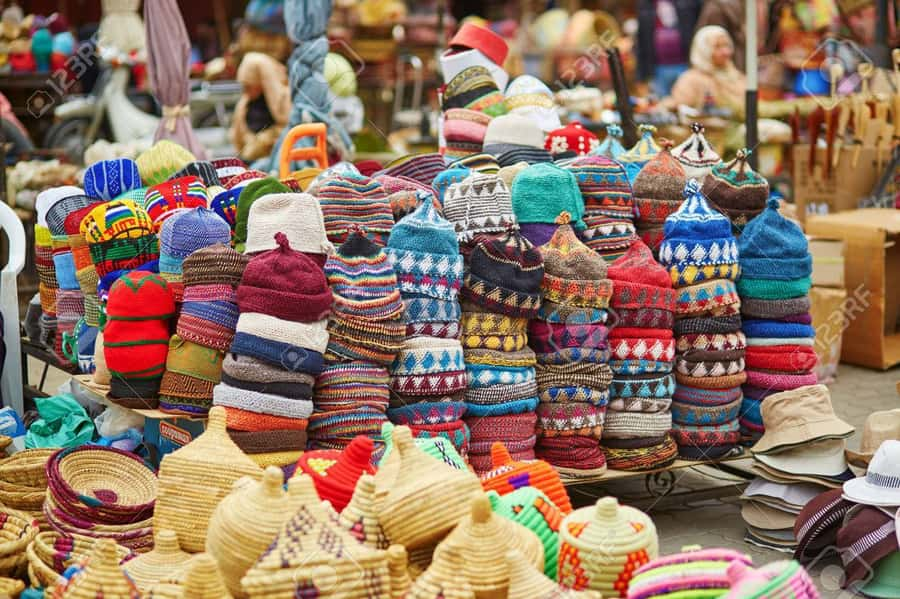
The Medina is not a tidy shopping street. It is a web of narrow lanes, small passages, covered market areas, workshops, food stalls, and shops selling everything from basic household goods to finely made crafts. Without a plan, you can spend much of your time trying to work out where you are.
This tour gives you a useful local point of reference. Your guide meets you outside Hotel Ali on Jemaa El Fna, then asks what you want to see or buy before setting off. That opening conversation matters. Someone searching for a leather bag needs a different route from someone looking for ceramics, woven goods, or small souvenirs.
I especially like this format for a first visit. Guides including Yousef, Aziz, Mustafa, and Abdul are described as friendly, well informed about the Medina, and comfortable speaking English. The strongest part of the experience is not simply finding shops. It is gaining the confidence to enter the souks without feeling lost or pressured.
This is not a private shopping assistant, though. The group may have several interests, and your guide has to keep the route useful for everyone. The advertised format allows the guide to shape the journey around the group’s wishes, which is flexible, but not the same as having three hours devoted only to your shopping list.
More Medina and Souk Tours in Marrakech
- Marrakech: Bahia Palace, Saadian Tombs, Souk and Medina Tour
★ 4.7 · 4,974 reviews - Marrakech: Ben Youssef, Secret Garden, & Souks Walking Tour
★ 4.6 · 2,802 reviews - Marrakech: Colorful Medina Souks Guided Walking Tour
★ 4.7 · 2,470 reviews
Meeting at Jemaa El Fna and finding your bearings
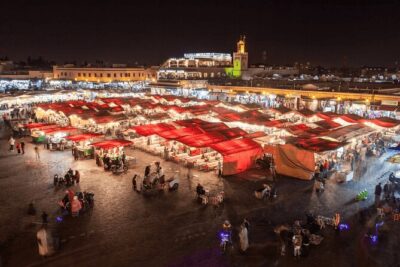
The meeting point is in front of Hotel Ali on Jemaa El Fna, the large central square in the old city. Arrive 15 minutes early. The square can be busy and confusing, so extra time is sensible, especially if you are coming from a riad tucked into one of the Medina’s side lanes.
The morning departure begins at 10:00 and usually finishes around 12:30 or 1:00. The afternoon option begins at 2:30 and ends around 5:00 or 5:30. Check the available start time when booking, since the exact finish can vary.
Beginning at the square gives the tour a practical rhythm. You start in a place you can recognize later, then move into the smaller lanes with a guide who knows how to get back out. Several guides have also given useful suggestions for cafés, restaurants, and places to visit after the walk, so this can help shape the rest of your stay.
The experience is on foot for about three hours. Wear shoes that can handle uneven paving and plenty of walking. There is no food or drink included, although one guide reportedly supplied water when needed and another group stopped for mint tea or crepes. Treat those as possible extras, not guaranteed parts of the tour.
Shopping for the things you actually want
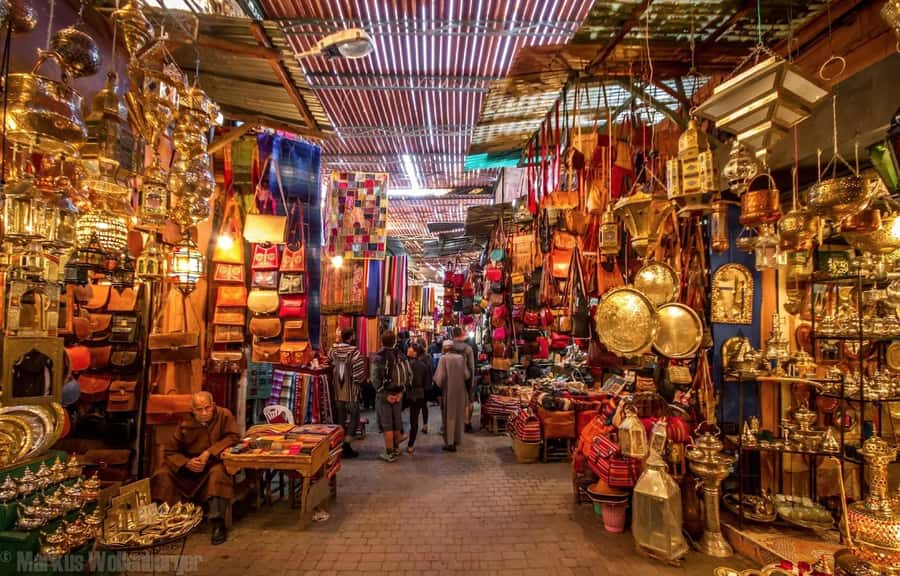
The best feature here is the chance to name your priorities at the start. You can ask for small presents, everyday items, or traditional Moroccan crafts. The route may then include shops and workshops connected to those interests.
For leather, you might see areas where leather goods are made and then placed on the shelves. For metalwork, you may stop at stalls where artisans shape and finish pieces. Other possible subjects include woodwork, ceramics, embroidery, and weaving.
Seeing the making process adds value to the shopping. A shop full of finished goods tells you little about the labor behind them. A workshop visit helps you understand why two similar-looking items may differ in price, finish, and quality. It also gives you a better basis for deciding what is worth taking home.
The guide can direct you toward shops with goods that fit your budget and taste. Several guides are described as having long-standing relationships with local sellers, which helps explain why they can move through the market comfortably and identify places that a first-time visitor might miss.
Still, keep your own judgment switched on. A guide can recommend places, but you should inspect stitching, handles, glazing, joins, and finish before paying. Ask about the price, size, materials, and packing if those details matter to you. You are there to shop with help, not to hand over every decision.
Leather, metal, wood, textiles, and ceramics
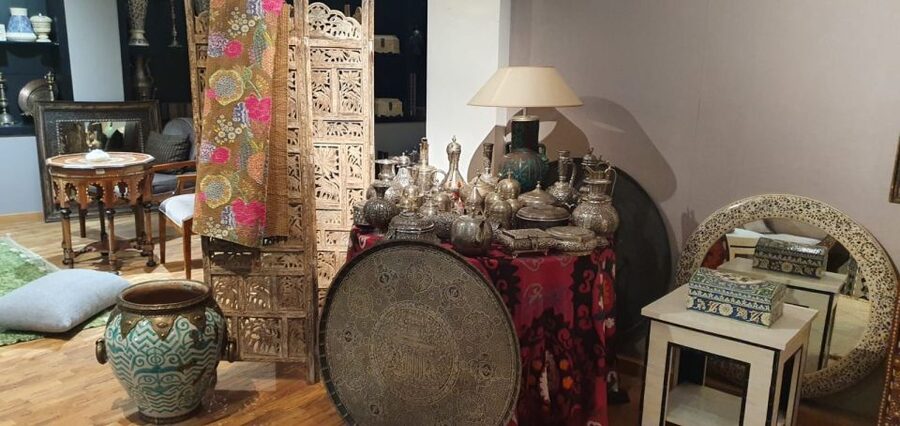
A useful way to approach the souks is by craft rather than by trying to cover every lane. Your guide may take you through several specialist areas, explaining what each part of the market sells and how the work is done.
Leather is one of the most common interests on this walk. You may see bags, belts, shoes, wallets, and other goods. Look closely at the seams and lining, not just the color or smell. If you are buying a bag, check the strap attachment and closures. A bargain is only useful if the item survives the journey home.
Metalwork can be equally interesting. The craft may involve shaping, engraving, or finishing objects by hand. Ask your guide what is locally made and what is simply being sold in the area. That distinction can matter if you want a genuine craft item rather than a generic souvenir.
Woodwork and ceramics offer a different kind of shopping experience. You may find decorative pieces, household objects, or smaller items that pack more easily than large textiles or metal goods. Ceramics deserve careful inspection for cracks and rough edges, especially if you plan to place them in checked luggage.
Textiles, embroidery, and weaving are worth extra time if you care about how an item was made. Ask about the fabric, pattern, care, and whether the work is finished by hand. A guide can help with the conversation, but you should still choose the piece because you like it, not only because it is presented as a good deal.
More Shopping Tours in Marrakech
- Marrakech: Traditional Moroccan Cooking Class & Market Visit
★ 4.8 · 1,861 reviews - Moroccan Cooking Class & Marrakech Market Visit with Chef Khmisa
★ 5.0 · 1,504 reviews - Shopping in the Souks of Marrakech Private Tour
★ 5.0 · 620 reviews - Souks Shopping Tours
★ 5.0 · 395 reviews
Learning the rules of bargaining
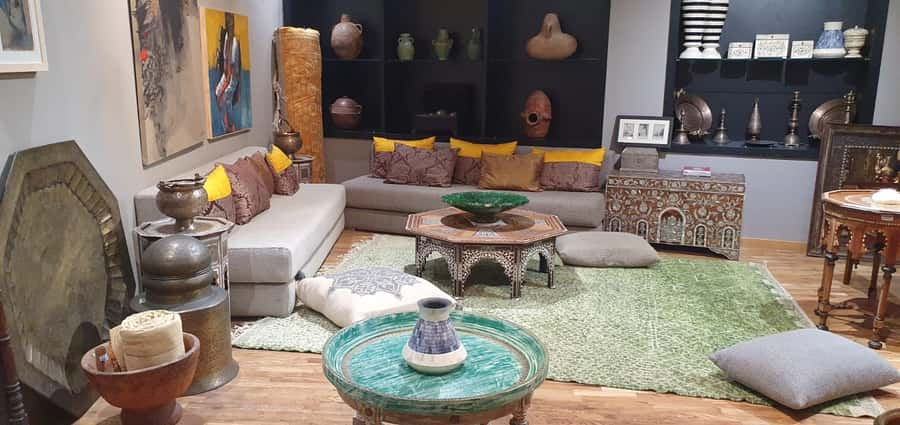
For many visitors, bargaining is the most useful lesson of the tour. The guide explains how to start a conversation, how to make an offer, and when to walk away. You also learn a few Arabic phrases, which can make the exchange friendlier and less formal.
The goal is not to force the lowest possible price. It is to understand the rhythm of the market and pay an amount you consider fair. A calm tone works better than treating every purchase as a contest. If you do not want an item, say so clearly and move on.
A guide may step in when language becomes difficult or when you are unsure about the offer. Some groups found this particularly helpful when speaking French with shopkeepers was necessary. Others appreciated having someone explain what to avoid and when a price seemed unreasonable.
You should decide your maximum price before the final part of the negotiation. It is easy to buy more than planned when several shops are close together and the conversation is lively. Keep a running note of what you have bought, especially if you are shopping for several people.
The guide’s presence can also reduce pressure. You have someone beside you who can explain what is happening and help you leave a shop politely. That does not mean every shop will be completely relaxed, but it gives you a steadier footing than entering the souks without preparation.
History and local life between the shops
This is a shopping tour, but it is not only about buying things. Guides explain the layout and story of the old Medina, the trades carried out in different sections, and the people who live and work there.
That background gives the market more meaning. A lane of leather stalls, a row of metalworkers, or a quiet passage filled with woodwork is easier to appreciate when you understand that these are working parts of the city, not simply a display built for visitors.
Guides have also pointed out quieter lanes and areas that are easy to miss. The route can include both the famous shopping paths and less obvious sections. This is one reason I would take the tour early in a Marrakesh stay. Once you know the basic layout, you can return later with a clearer idea of where you are going.
The amount of history depends on your guide and on how much time your group spends shopping. Some guides lean toward cultural explanation, while others focus more on finding the right goods and helping with prices. Tell your guide at the beginning if history matters to you.
Safety, comfort, and the group setting
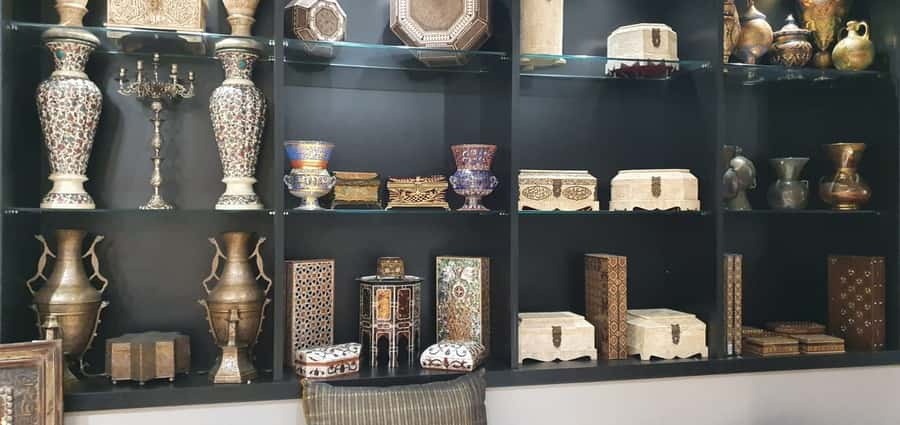
The Medina can feel overwhelming at first, especially if you are not used to narrow lanes, busy crossings, and people moving in several directions at once. A local guide helps you keep track of the route and alerts you to places where you should pay more attention.
This has been especially useful for people visiting Marrakesh for the first time, including women traveling alone and families with children. One guide was praised for being especially good with a child, while another helped a visitor reach medical care after a fall. Those are not standard parts of the tour, but they show the value of having a local person nearby when plans change.
Do not confuse a guided walk with a private security service. Keep your belongings close, pay attention in crowded areas, and follow ordinary city precautions. The guide can point out possible problems, but you remain responsible for your wallet, phone, and purchases.
Wheelchair access is listed for the activity. Because the souks contain narrow lanes and uneven paving, confirm your specific needs when booking. The three-hour duration can also feel long if you have mobility concerns, so ask how the route can be adapted.
Is $28 a fair price?
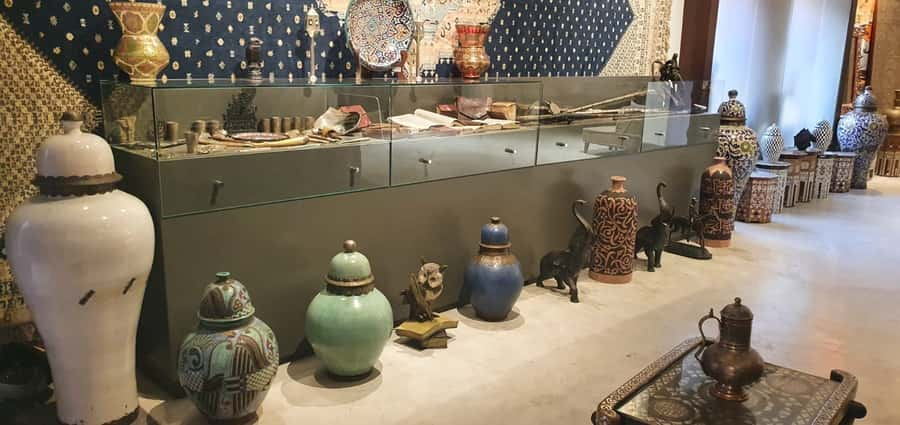
At $28 per person, the tour offers solid value if you are new to Marrakesh or uneasy about shopping alone. You are paying for three hours of local guidance, route planning, translation help, craft knowledge, and support during bargaining.
The value is highest when you intend to buy something more substantial than a handful of tiny souvenirs. Help with a leather item, textile, ceramic piece, or handcrafted object can save time and reduce the chance of buying something unsuitable. Even if you purchase very little, you still gain a working map of the souks and a better sense of local shopping customs.
The price is less compelling if you already know the Medina well and enjoy exploring without assistance. It is also worth remembering that food and drinks are not included, and purchases are separate from the tour cost. A stop at a café or rooftop restaurant may occur, but plan to pay for it yourself.
The reserve-now-and-pay-later option is useful if your schedule is still moving around. Free cancellation is available up to 24 hours before the activity for a full refund. These terms make it easier to place the tour near the start of your visit without locking yourself into a rigid plan.
Who will enjoy this tour most?
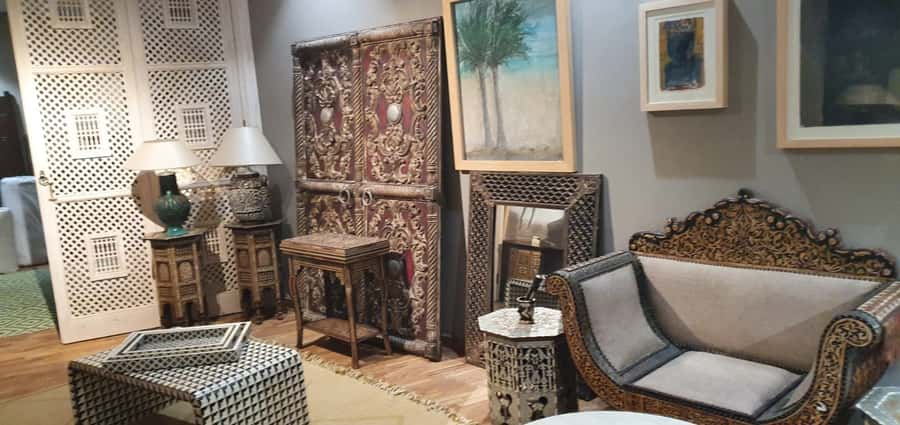
I would recommend it most strongly to first-time visitors, cautious shoppers, solo travelers, families, and anyone who wants traditional crafts but does not know how to judge a shop. It also suits people who want to combine shopping with a basic introduction to the Medina.
It is a good choice if you have a clear list. Tell the guide you want leather, ceramics, metalwork, textiles, or small presents, and the route can be built around those needs. It is less suited to someone who wants a formal museum-style history tour or a private luxury shopping service.
The tour is also helpful for people who tried walking through the souks alone and found the experience confusing. You will still encounter the noise, sales pitches, and tight lanes, but you have a local beside you to explain what is happening.
Practical advice before you go
Wear comfortable shoes and arrive 15 minutes early at Hotel Ali. Bring a small amount of spending money, but keep your belongings secure and avoid carrying more than you need.
Make a short shopping list before the tour. Separate must-have items from things you are only curious about. This helps your guide plan the walk and keeps you from spending the full three hours in the first shop that catches your eye.
Ask questions about materials, workmanship, origin, and care. If you are buying a fragile object, ask how it can be packed. If you are buying leather or textiles, check the finish closely and compare several items before deciding.
Remember that the advertised language is English. Individual guides may use other languages with shopkeepers, including French, but do not assume another language will be available for the whole tour.
Should you book this Marrakesh souk tour?
Book it if you want a friendly local guide to make the Medina less confusing, teach you how bargaining works, and lead you toward crafts suited to your interests. The strongest reasons to go are the personal route planning, workshop visits, practical shopping advice, and the chance to start your Marrakesh stay with a better sense of direction.
Skip it if you prefer completely independent wandering or already know where you want to shop. For everyone else, $28 is a sensible price for three hours of guidance, especially on your first day or two in the city.
FAQ
Where does the souk shopping tour meet?
Meet in front of Hotel Ali on Jemaa El Fna, the large square in Marrakesh. Arrive 15 minutes before the scheduled start.
How long does the tour last?
The activity lasts three hours. Morning departures generally run from 10:00 to around 12:30 or 1:00, while afternoon departures generally run from 2:30 to around 5:00 or 5:30.
What can I shop for?
You can ask to shop for small souvenirs, basic items, or traditional crafts. Possible craft areas include leather, iron and other metalwork, woodwork, embroidery, weaving, and ceramics.
Is the tour private?
No. It is a group tour. The guide adjusts the route around what the group wants to see or buy.
What language does the guide speak?
The advertised tour language is English. The guide also teaches a few useful Arabic phrases for shopping and bargaining.
Are food and drinks included?
No. Food and drinks are not included in the tour price. Any café, tea, or restaurant stop would be an additional personal expense.
Just added around Marrakech
- Quad in the Palmeraie of Marrakech★ 5.0 · 41 reviews
- Marrakech Desert Camel Ride★ 5.0 · 17 reviews
- Sunset Camel Ride in the Palm Grove Of Marrakech★ 5.0 · 34 reviews
- Private Airport Transfer from or to Marrakech Menara Airport.★ 4.5 · 63 reviews
- Marrakech The History and Culture Day Trip★ 4.5 · 45 reviews
- Marrakech: Tailor-Made City Tour With Your Own Private Guide★ 4.9 · 236 reviews
- Marrakech palm grove: Sunset camel ride★ 4.8 · 194 reviews
- Sparkling Marrakech through the eyes of your local Guide★ 4.7 · 247 reviews
Medina and Souk Tours, compared.
Bahia Palace, Saadian Tombs, Souk and Medina Tour
Read our review →
Ben Youssef, Secret Garden, & Souks Walking Tour
Read our review →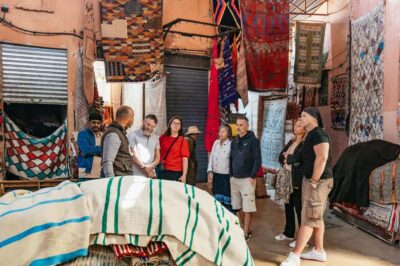
Museum, Al Attarine Madrasa & Tannery and Medina Tour
Read our review →
Bahia Palace, Madrasa Ben Youssef and Medina Tour
Read our review →
Explore Fes: Unforgettable Guided Walking Tour of the Medina
Read our review →Browse the lists this tour appears in