
Reviewed · HIKING AND TREKKING TOURS
Climb Toubkal: 2-Day Atlas Trek with Local Berber Guide
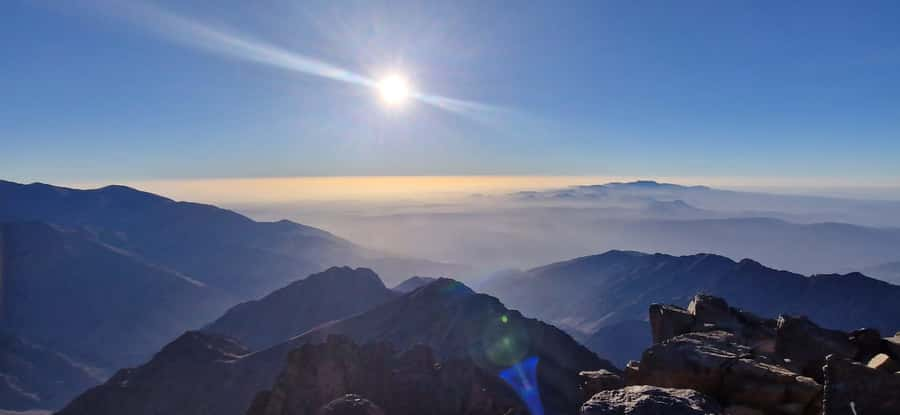
Mount Toubkal rises to 4,167 meters, and this two-day trek gives you a real summit attempt rather than a gentle mountain walk. You start in Imlil, climb to the Toubkal Refuge, then set off before dawn for the rocky push to the highest point in North Africa.
I like the local Berber guiding, especially the way guides such as Houssain and Hussein explain village life and mountain customs along the trail. I also like the practical support: a mule carries heavy bags, meals are cooked for you, and transport from Marrakesh is arranged.
The catch is simple: day two is tough. Expect an early start, little sleep in a noisy refuge, steep rocky ground, and a long descent. Winter adds snow, cold, and the need for crampons. This is not a sightseeing trip with a short walk attached.
Key points to know before you book
- Summit height: Mount Toubkal reaches 4,167 meters, the highest point in North Africa.
- Two-day route: You hike from Imlil to the 3,200-meter refuge on day one, then summit and return to Imlil on day two.
- Local support: A Berber guide, mule, transport, meals, and an overnight stay are included.
- Hardest section: The second day can involve about 8.5 hours of walking, with roughly 1,000 meters of climbing before the summit and a long descent afterward.
- Winter warning: Snow can cover the upper route, and crampons are required during winter months.
- Best suited to: Fit adults and older teenagers who are ready for a serious mountain hike, not a relaxed excursion.
From Marrakesh to Imlil, the trailhead in the High Atlas
Your day begins with pickup from your Marrakesh hotel or riad, or from the closest practical meeting point. The drive to Imlil takes about 90 minutes by private car or van, putting you quickly from the city into the High Atlas.
Imlil is the working gateway for the trek. It is a Berber mountain village, and your guide and mule team meet you here before you set off. Larger luggage can be stored in Imlil or left with the mule, so you only need to carry a daypack with the essentials.
This arrangement matters more than it may sound. A full pack makes the steep sections much harder, especially on summit morning. Keep warm layers, water, snacks, sunscreen, and personal items in your daypack, while the mule carries heavier bags.
You can usually rent missing equipment locally. That may include headlamps and other standard gear, though you should arrange important items before the hike begins rather than count on finding every size or model. Bring sturdy hiking boots and check the weather before leaving Marrakesh. Conditions at the summit can be dramatically colder than in the city.
More Hiking and Trekking Tours in the Atlas Mountains
- Berber villages : Atlas Mountains Day Hike from Marrakech
★ 5.0 · 14,007 reviews - From Marrakech: Atlas Mountains Full-Day Hiking Trip w Lunch
★ 4.8 · 7,417 reviews - Marrakech: Atlas Mountains & Valleys Waterfall Hike w/ Lunch
★ 4.8 · 1,236 reviews
Day one, Imlil to the 3,200-meter Toubkal Refuge
The first day follows an old mountain route through valleys, terraced fields, and traditional Berber villages. The walking is steady rather than technical, but the route keeps climbing and the thinner air gradually makes itself known.
Your guide is not simply there to point at the path. Houssain, Hussein, or another local guide can explain Berber traditions and the way people live in these high valleys. That local contact is one of the strongest reasons to choose this trip over a bare-bones mountain transfer and independent hike.
The scenery changes as you gain height. Near Imlil, you see cultivated slopes and village life. Farther up, the valley opens toward bare peaks, rocky ridges, and high pastures. The trail feels more remote as the day goes on, although this is a well-used route to the refuge.
Lunch is provided along the way. Expect practical mountain food rather than restaurant dining, with local meals and mint tea forming part of the experience. One account described a filling lunch near a stream and a similar dinner at the refuge, including beef. Dietary needs can be accommodated when arranged with the guide, and one trekker specifically received careful support for special food requirements.
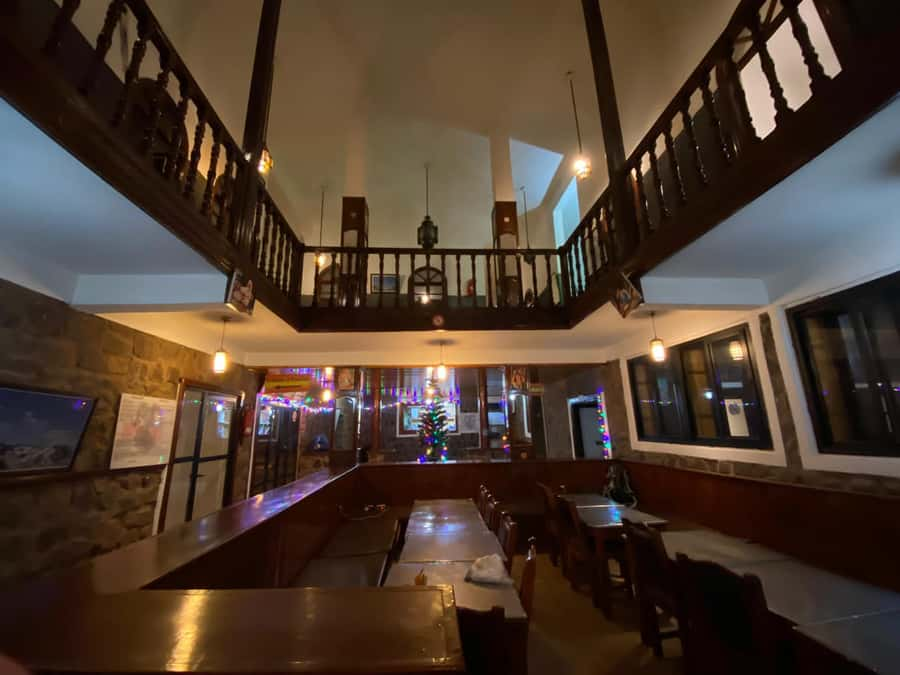
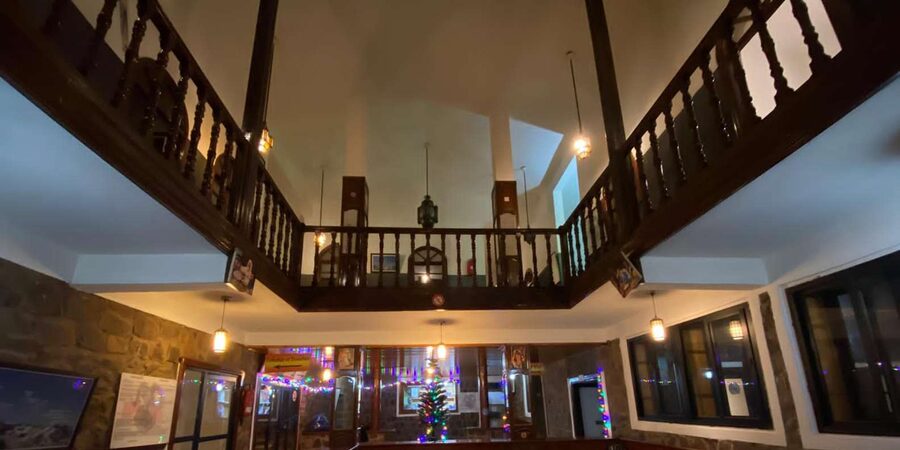
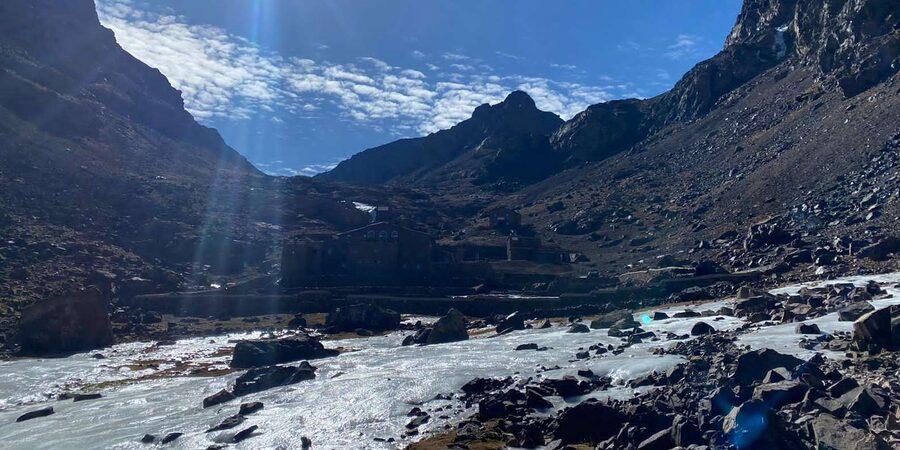
The final part of day one feels steeper and more exposed to the mountain weather. At the Toubkal Refuge, you settle into shared accommodation at about 3,200 meters. The setting is basic but useful: a place to eat, sleep, refill your energy, and prepare for the summit.
Do not expect a quiet hotel room. The refuge has shared bunkrooms and can be noisy, so earplugs are a smart addition to your pack. A hot shower may be available, but facilities are still mountain facilities, not Marrakesh comforts. You may sleep poorly, and that matters because the next morning begins very early.
Dinner is included, and you should eat well even if nerves or altitude reduce your appetite. The guide will also help you judge the next day’s conditions. If weather turns dangerous, listen to that advice. A summit is worthwhile only when the route is safe.
Before dawn, the serious part begins
Summit morning normally starts around 3 a.m., with the trail often underway by about 4 a.m. The early departure gives you time to climb, reach the summit, and descend before the day becomes too hot or weather worsens.
A headlamp is essential in the dark. If you forget one, rental may be possible, but do not treat that as guaranteed. Pack or rent one before setting out, and make sure you know how to use it.
The upper route is rocky and steep. You may encounter snow-covered ground depending on the season. The climb is not described as technical mountaineering in the supplied details, but it demands stamina, balance, and patience. A steady pace is more useful than a fast start.
This is where the guide earns the fee. A good local guide sets a pace the group can manage, watches the changing conditions, and provides encouragement when the climb slows down. Houssain and Hussein received especially strong praise for keeping mixed-ability groups together and helping slower climbers reach the summit.
You should still be honest about your fitness. The trek is not suitable for people with a low fitness level, children under seven, or people over 70 according to the stated restrictions. Those limits are sensible. Even a fit person may find the altitude and sleep loss demanding.
Reaching the 4,167-meter summit
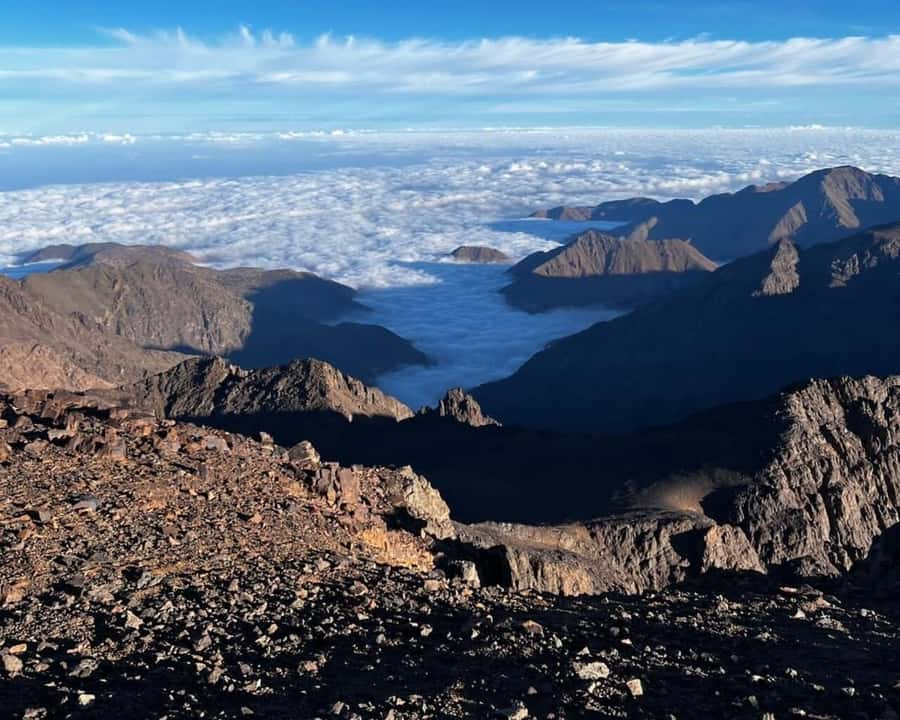
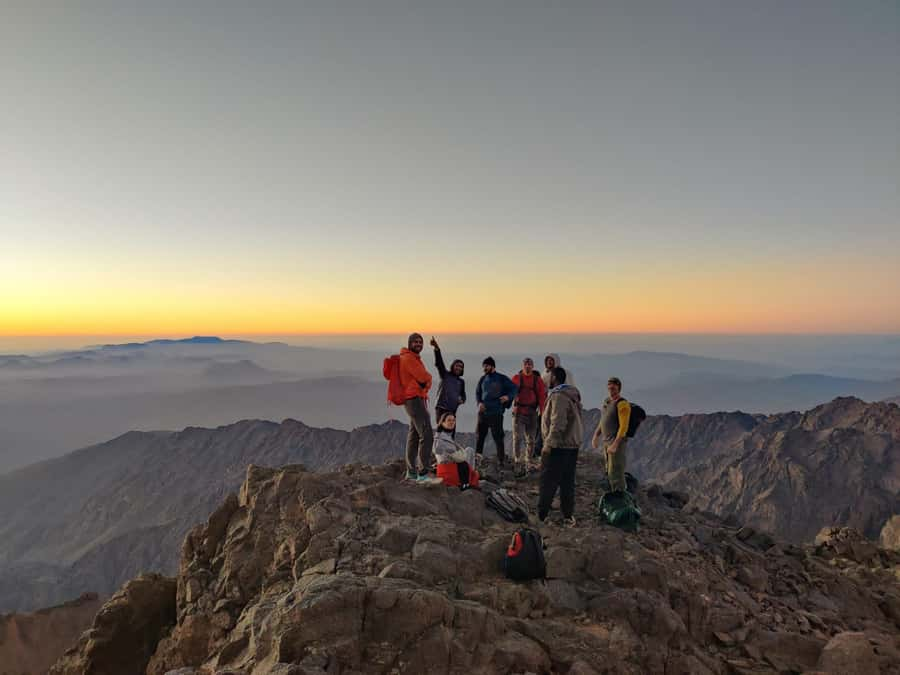
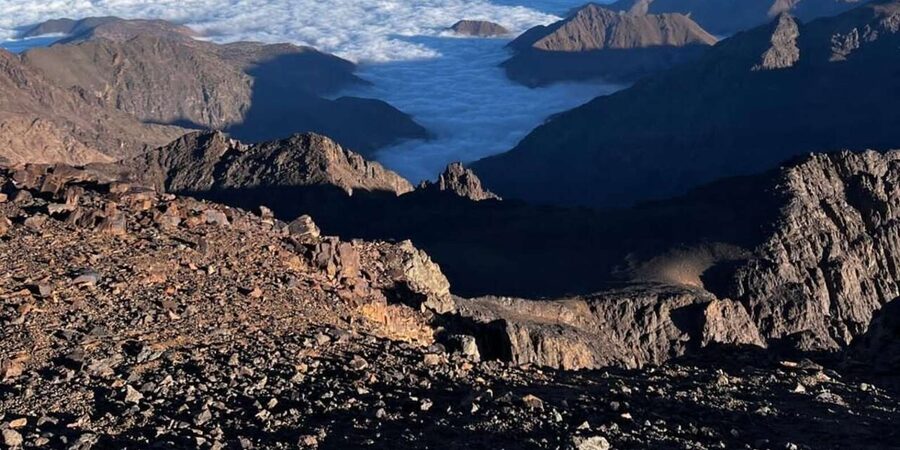
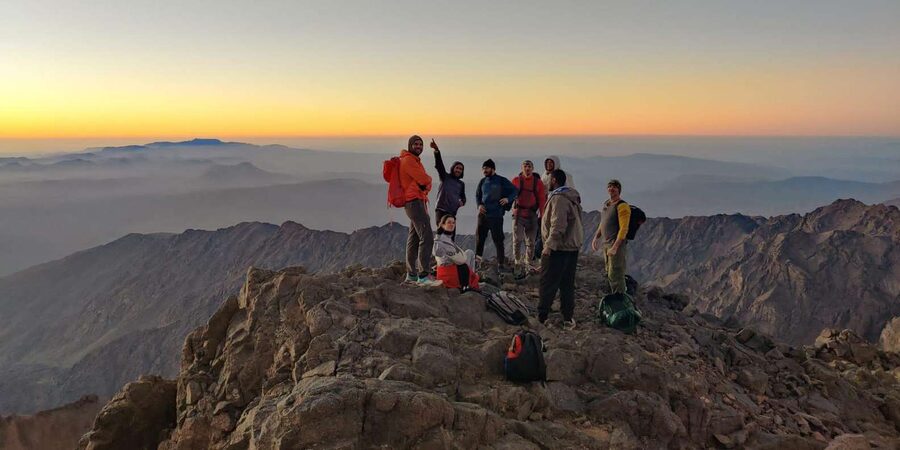
After several hours of climbing, you reach Mount Toubkal’s summit at 4,167 meters. The reward is a wide view across the Atlas Mountains and surrounding valleys, with the satisfaction of standing on North Africa’s highest peak.
The summit stop is for photos, food, and catching your breath. Keep it practical. At this height, wind and cold can be severe, and one winter account recorded temperatures around minus 30 degrees with wind chill. Summer is not automatically mild at the top, so pack warm clothing in every season.
Sun protection is just as important as insulation. Bring sunglasses, sunscreen, and a sun hat. Snow and pale rock reflect strong sunlight, while the air can feel cold enough to make you forget about sunburn.
The summit itself is only half the job. You still have to descend, and many people find the downward trek harder on tired legs. The trail back to the refuge follows the same route. Lunch is taken at the refuge or along the return route, depending on timing and conditions, before the long descent toward Imlil.
A completely different kind of day in the Atlas Mountains:
- From Marrakech: Atlas Mountains Day Trip with Camel Ride
★ 4.8 · 4,709 reviews - Atlas Mountains & 5 Valleys Tour from Marrakech – All inclusive –
★ 5.0 · 2,913 reviews - Agadir or Taghazout: Paradise Valley Atlas Mountains Tour
★ 4.4 · 2,905 reviews - Atlas Mountains, Berber Villages and Three Valleys all inclusive
★ 5.0 · 2,471 reviews
The descent to Imlil is no easy victory lap
The return to Imlil is physically demanding. One trekker described about 8.5 hours of walking on the second day, including roughly 1,000 meters of ascent before the summit and a descent of around 2,500 meters afterward. Exact timing depends on weather, group pace, and stops, but you should plan for a full day on your feet.
Rocky downhill sections can punish knees and toes. Trekking poles are worth bringing or renting, especially if you are more comfortable with extra support on steep ground. Keep water and snacks accessible, since digging through mule bags during the summit push is not convenient.
The mule is used to carry heavy luggage, not to carry you. That support keeps the trip more manageable without taking away the physical challenge. You still walk the route under your own power, but you are not forced to haul a large overnight bag up to the refuge.
Back in Imlil, your private vehicle takes you to Marrakesh. The return drive gives you a chance to rest, though you may be tired enough to sleep through much of it. The trip ends with a strong sense of contrast: mountain silence and village paths in the morning, then Marrakesh’s traffic and city energy later the same day.
What the $193 price really covers
At $193 per person, this trek offers good value if you would otherwise need to arrange each part separately. The price includes Marrakesh pickup, transport, a local guide, meals, a mule for bags, the refuge stay, and the summit attempt.
The biggest value is the local organization. You do not have to arrange a vehicle to Imlil, find a guide on arrival, organize food, or work out how to move luggage. You also have someone on the route who understands local weather and trail conditions.
Equipment is not included, but rental is available. Budget extra time and money for anything you lack, especially warm clothing, hiking boots, a sleeping bag, trekking poles, and winter crampons. Crampons are required on the snowy summit route in winter, so do not assume ordinary trainers will be enough.
The trip can be arranged in several languages: English, French, Arabic, and Spanish. Group size may vary. One group of 10 had two guides, while other groups were described as small and intimate. If group size matters to you, ask before booking.
Free cancellation up to 24 hours before departure and reserve-now, pay-later booking make planning easier. Those policies are useful if your Marrakesh schedule is still shifting, but they do not change the need to check the mountain forecast and prepare properly.
The Berber connection is more than scenery
The mountain views are the obvious draw, but the cultural side gives the trip more weight. You pass through villages, eat local food, sleep in a basic refuge, and spend time with a guide who lives close to the route.
That makes the trek feel connected to the place rather than like a quick athletic challenge. Your guide can discuss Berber culture and traditions while you walk, and meals provide another point of contact with local life. Hospitality is a repeated strength of the experience, from the guide to the people working at the accommodation.
Do not expect an elaborate cultural program with staged performances. The value is in ordinary contact: a village lunch, mint tea, a conversation on the trail, and the rhythm of mountain life. If you want a polished resort experience, this is the wrong choice. If you want to understand more about the Atlas communities while earning the summit, it fits well.
Who should book this Toubkal trek?
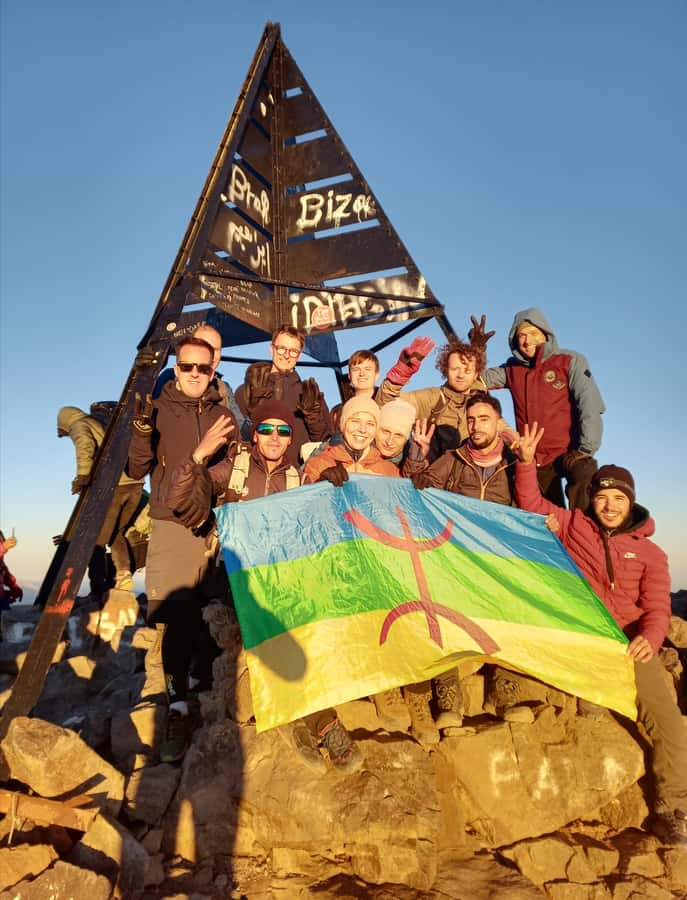
I would choose this trip if you want a demanding but organized mountain challenge and you value local guiding over a large commercial operation. It suits people who can walk for many hours, handle steep ground, sleep in shared accommodation, and accept changing weather.
It is a strong option for a fit couple, a small group of friends, or a solo participant comfortable joining others. The guide support is especially useful if your walking speeds differ. A patient guide can help a slower climber without turning the whole day into a race.
I would not choose it for a relaxed weekend from Marrakesh. The two-day schedule is short for a mountain of this height, and the summit day leaves little room for lingering. You need to arrive ready, with suitable boots, warm layers, and a realistic view of the effort.
Before you go, check the season, forecast, equipment needs, and group size. Ask about dietary requirements and confirm which gear can be rented. Pack earplugs for the refuge, a headlamp for the pre-dawn start, and enough personal clothing to stay warm when you stop moving.
Should you book it?
Book this trek if reaching North Africa’s highest peak is a real goal and you want local Berber support, included meals, mule assistance, and transport from Marrakesh. The $193 price is strong for what is included, particularly when the guide also handles the practical details.
Skip it if you dislike shared mountain accommodation, long descents, early starts, or uncertain weather. Toubkal can be an unforgettable achievement, but only if you treat it as a serious two-day hike rather than an ordinary day tour.
FAQ
How high is Mount Toubkal?
Mount Toubkal is 4,167 meters, or 13,671 feet, high. It is the highest mountain in North Africa.
How long does the Toubkal trek take?
The activity lasts two days. Day one goes from Imlil to the Toubkal Refuge at about 3,200 meters. Day two includes the summit attempt and the return to Imlil.
Is pickup from Marrakesh included?
Yes. Pickup is arranged from your Marrakesh hotel or riad, or from the nearest practical pickup point, using a private car or van.
Is food included?
Yes. All meals are included, including local meals along the route and food at the refuge. Dietary requirements should be discussed with the guide in advance.
Does a mule carry the luggage?
Yes. A mule carries heavy bags during the trek. You should still bring a daypack for water, warm layers, snacks, and personal items.
Do I need to bring mountaineering equipment?
Equipment is not included, but gear can be rented locally. You should bring sturdy hiking boots, warm clothing, a sleeping bag, sunglasses, sunscreen, a hat, water, and a daypack. Crampons are required during winter months when snow covers the summit route.
Is this trek suitable for beginners?
The trek is physically demanding and is not suitable for people with a low fitness level. It is also not suitable for children under seven or people over 70. A guide can support slower hikers, but you still need to be ready for a steep climb, an early start, and a long descent.
More Two-Day Trips in the Atlas Mountains
- From Marrakesh: 2-Day Mount Toubkal Trek
★ 4.7 · 591 reviews - Marrakech: 2-Day Atlas Villages Trekking Tour
★ 4.5 · 76 reviews - From Marrakech: 2-Day Berber experience Atlas Mountains
★ 3.9 · 65 reviews - 2 Days Mount Toubkal ascent trek via Ait Mizane Valley
★ 4.3 · 45 reviews
More Multi-Day Tours in the Atlas Mountains
- Mt Toubkal Ascent Express Trek 2 Days 1 Nights
★ 4.7 · 962 reviews - Marrakesh: 2-Day Mt. Toubkal Trek with 1-Night Stay & Meals
★ 4.7 · 795 reviews - Marrakech: 2-Day Atlas Mountains Trek with Village Stay
★ 4.8 · 717 reviews - From Marrakech: 3-Day Mount Toubkal Climbing Trek
★ 4.7 · 597 reviews
Just added around the Atlas Mountains
- Private Berber Middle Atlas Day Trip From Fez★ 5.0 · 21 reviews
- Excursion from Fez to Midle Atlas★ 5.0 · 21 reviews
- Excursion From Fez to the Middle Atlas Mountains★ 5.0 · 40 reviews
- fes to Middle atlas day Trip★ 5.0 · 17 reviews
- Private Day Tour from Fez to the Middle Atlas★ 5.0 · 18 reviews
- Atlas Mountain & Berber Villages and Waterfalls Day Trip from Marrakech★ 5.0 · 54 reviews
- Agadir Desert Trip + berber villages★ 5.0 · 23 reviews
- Agadir or Taghazout: Paradise Valley Atlas Mountain Swimming Trip★ 5.0 · 27 reviews
Hiking and Trekking Tours, compared.
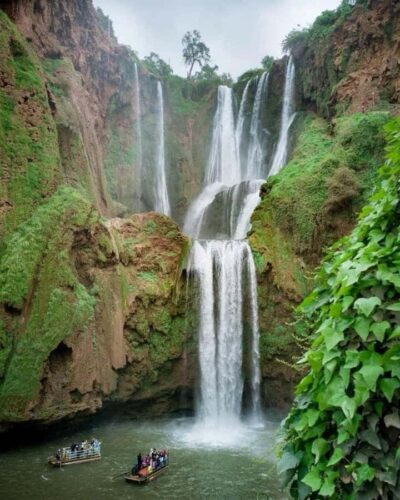
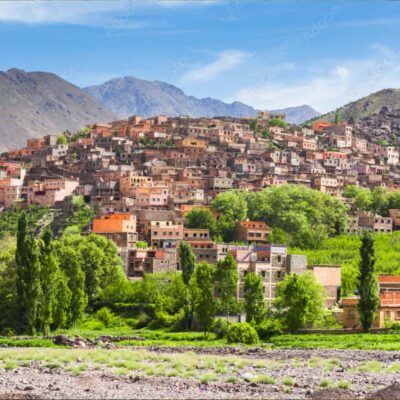
Berber villages: Atlas Mountains Day Hike from Marrakech
Read our review →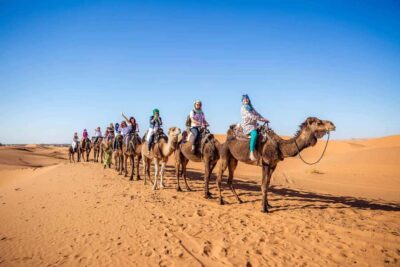
3 Days Desert Tour From Marrakech To Merzouga Dunes & Camel Trek
Read our review →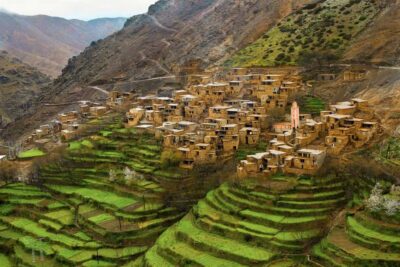
Ourika Valley Trip with Waterfall Hike & Lunch
Read our review →
3-Day Tour to Merzouga Erg Chebbi with Food & Camel Trek
Read our review →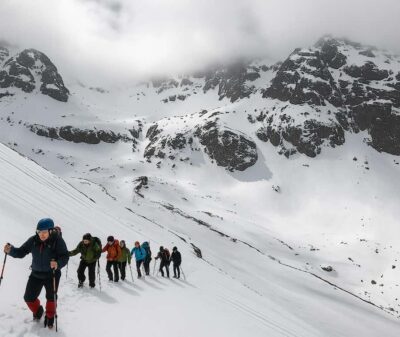
Mt Toubkal Ascent Express Trek 2 Days 1 Nights
Read our review →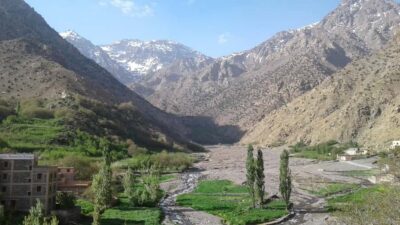
2-Day Mt. Toubkal Trek with 1-Night Stay & Meals
Read our review →Browse the lists this tour appears in