
Reviewed · COOKING CLASSES
Casablanca: Traditional Moroccan Cooking Class with Locals
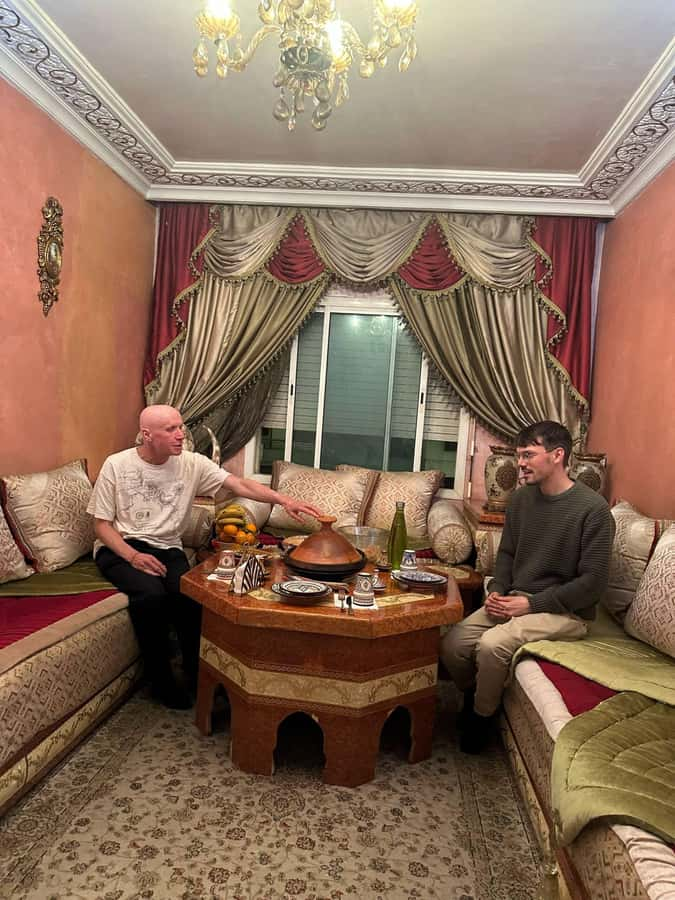
The best part of this Casablanca cooking class is that you enter a real family home, not a polished school kitchen. Inas welcomes you into her family’s cooking space, then teaches dishes such as tagine, couscous, and pastilla using methods learned from her mother and grandmother.
I like the patient, friendly teaching and the chance to eat with the family after cooking. I also like the small-group limit of 10, which gives the class a personal feel. The main thing to consider is the meeting point: you must make your own way to Résidence El Fath on Abdellah Ibrahim Street, by BIM Attacharok.
Key points at a glance
- A real Casablanca home: You cook with Inas and her family rather than in a commercial training kitchen.
- Classic Moroccan dishes: The class may include tagine, couscous, pastilla, and Moroccan salads.
- Family cooking methods: Inas shares techniques passed through her mother and grandmother, including practical tips not usually written in cookbooks.
- A meal at the end: You sit down with the family and eat what you have prepared.
- Small group setting: No more than 10 participants can join, with instruction in Arabic, French, or English.
- Good flexibility: The four-hour class costs $60 per person, and cancellation is free up to 24 hours before the activity.
Entering a Casablanca family home
This experience begins at Résidence El Fath, on Abdellah Ibrahim Street near BIM Attacharok. It is not a sightseeing tour with a bus or a restaurant event with a formal dining room. You are meeting a local family and stepping into their home for an afternoon or evening of cooking.
That difference matters. A cooking school can teach you a recipe, but a family home can show you how food fits into daily life. You get the setting where these dishes are normally prepared, along with the customs and stories that give them meaning.
Inas is the main host. She learned Moroccan cooking from her mother and grandmother, each of whom has more than 40 years of experience with the cuisine. That family link shapes the class. You are not just following a printed recipe. You are learning methods passed from one generation to the next.
The tone is warm and informal. Several people describe being welcomed as friends rather than treated like customers. That hospitality is one of the strongest reasons to choose this activity, especially if you want more than a quick meal during your time in Casablanca.
More Cooking Classes in Casablanca:
- Cook Moroccan Food & Try on Traditional Clothes like a local
★ 5.0 · 213 reviews - Old local Market visit+Moroccan cooking class with a local family
★ 5.0 · 84 reviews - Private Casablanca Market Tour and Cooking Class with Chamsi
★ 5.0 · 33 reviews
What happens during the four-hour class
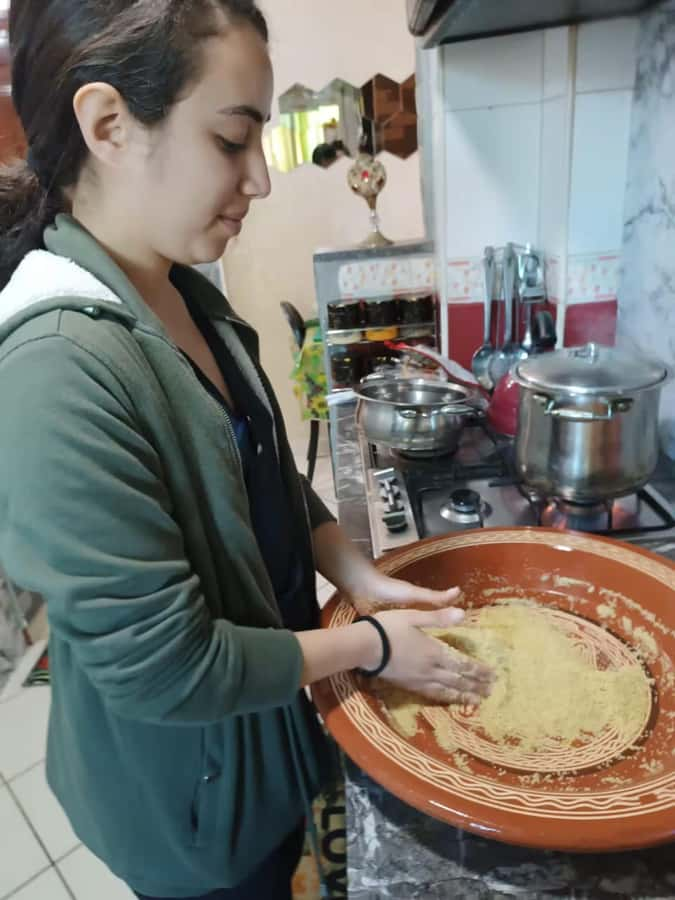
The four-hour length gives the cooking time to feel unhurried. You are not simply shown a finished dish and then sent to eat. The format is hands-on, so you can take part in the preparation and ask questions as you go.
The exact menu can vary. You may prepare tagine, couscous, pastilla, Moroccan salads, or a combination of these dishes. The activity information specifically points to tagine and couscous, while pastilla and salads add a wider look at Moroccan home cooking.
Tagine, slow cooking with plenty of character
Tagine is one of Morocco’s best-known dishes, but the name refers to both the food and the traditional cooking vessel. In this class, you learn the family’s approach to preparing it rather than simply ordering one in a restaurant.
One especially useful detail comes from a class featuring tagine with preserved lemon. Preserved lemon brings a strong, salty citrus taste that is central to many Moroccan recipes. Learning how it fits into the dish gives you a better sense of why Moroccan food can taste so layered without relying on heavy sauces.
The value here is practical. Inas explains each step clearly and works at a patient pace, so you can follow the process instead of standing back and watching. You leave with an idea of how the ingredients work together and how to repeat the dish at home.
Couscous and the care behind it
Couscous with vegetables may sound simple, but traditional Moroccan cooking often depends on timing, texture, and small preparation choices. A home cook can explain those points in a way a standard restaurant meal cannot.
The class uses fresh, local ingredients. You handle the ingredients yourself and see how they become part of a shared meal. For someone who has eaten couscous in Morocco but never made it, this is a useful way to understand the dish beyond its appearance on a menu.
The cooking also gives Inas room to talk about Moroccan customs. Food is not treated as a separate subject. It is tied to family life, hospitality, and the way people gather around a table.
A few more Casablanca days worth comparing
- From Marrakech: Casablanca Tour with Hassan II Mosque Visit
★ 4.7 · 4,756 reviews - Casablanca: Hassan II Mosque Premium Tour with Entry Ticket
★ 4.5 · 2,971 reviews - Casablanca City Tour with Hassan II mosque ticket
★ 5.0 · 2,480 reviews - Casablanca Day Tour from Marrakech and Big Mosque Visit
★ 4.8 · 2,394 reviews
Pastilla and Moroccan salads
Pastilla offers a different side of the cuisine, with a more festive character than an everyday vegetable dish. The class description lists it among the possible traditional recipes, though you should confirm the day’s menu if a particular dish is important to you.
Moroccan salads add freshness and variety to the meal. They also show that Moroccan cooking is not limited to slow-cooked stews. Depending on the menu, you may prepare several smaller dishes alongside the main recipe.
Because the precise menu is not fixed in the information provided, do not book this class expecting a guaranteed list of every dish. Book it for the chance to learn traditional Moroccan cooking in a family setting, with the likely focus on familiar staples.
The family stories are part of the lesson
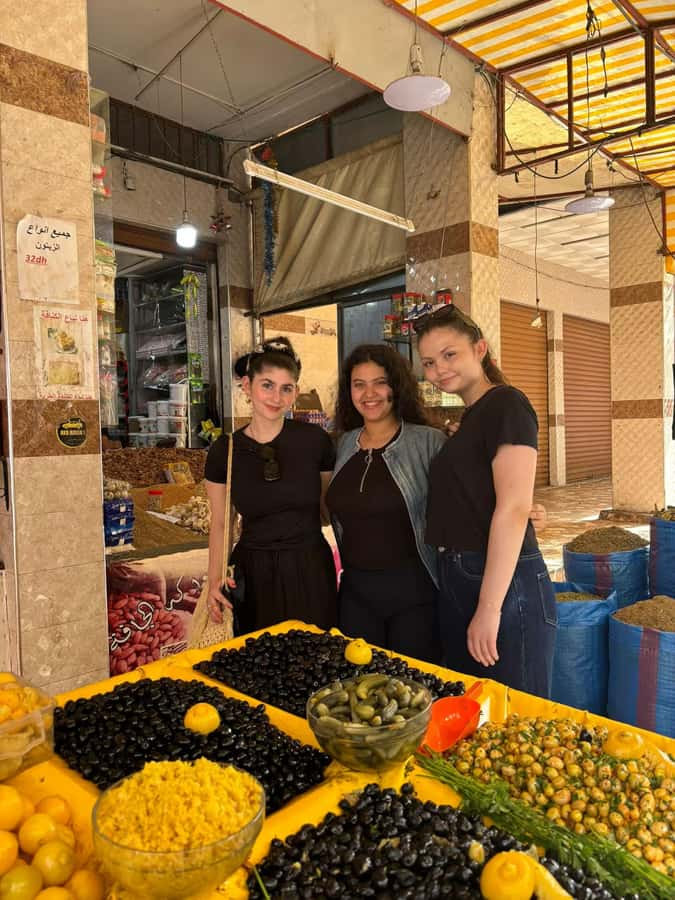
Cooking is only half of this activity. Inas also shares stories, customs, and details about Moroccan culture, land, and people. You get the chance to ask questions as you work, which makes the cultural side feel natural rather than like a formal lecture.
This is where the class earns its price. At $60 per person, it costs more than buying a basic Moroccan meal, but the fee includes instruction, ingredients, cultural exchange, and the meal you prepare. You are paying for four hours of time with a local family, not just a plate of food.
The small group helps. With a maximum of 10 people, you should have more room to participate than in a large demonstration class. The group can also become part of the social side of the evening. One pair of participants cooked alongside people from Australia and described making new friends during the class.
English, French, and Arabic are available. That language range makes the activity practical for international visitors, though the exact language mix may depend on the group and host.
Sitting down to eat with Inas and her family
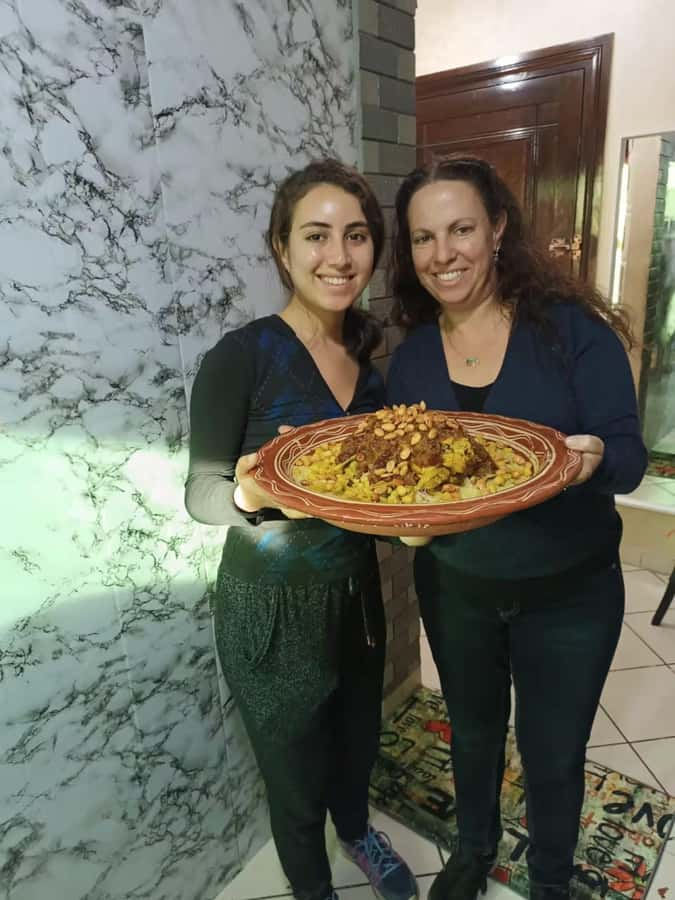
After the preparation, you share the meal with the family. This is the natural payoff of the class: you taste the dishes while they are fresh and talk about the food you have just made.
The shared meal also gives you a window into Moroccan hospitality. You are not rushed through a restaurant course or sent away with a takeaway box. You sit together, exchange stories, and enjoy the results of your work.
Several people found this family welcome to be the most memorable part of the experience. That makes sense. Casablanca has plenty of restaurants, but a meal prepared and eaten inside a local home offers a different kind of connection.
You should still keep your expectations sensible. This is a home-based experience, not a luxury dining event. The appeal is warmth, participation, and contact with ordinary family life. If you prefer a polished kitchen, a fixed menu, or formal service, you may be happier at a restaurant or professional cooking school.
The teaching style and personal attention
Inas is repeatedly described as patient, clear, and accommodating. That matters if you are not comfortable in a kitchen or if you have never cooked Moroccan food before.
She explains the steps as you work and shares small techniques passed down through her family. These details can be the difference between copying a recipe and understanding how to cook it. You may learn why a certain ingredient is used, how the family approaches a familiar dish, or how to adjust the process to suit your needs.
Dietary requests can be accommodated, according to the information available. You should still communicate your needs before the class so the host has time to plan. The activity details do not list specific allergies or dietary options, so it is best not to assume every request can be handled without advance notice.
The class suits beginners, food lovers, and anyone curious about Moroccan culture. You do not need to arrive with advanced cooking skills. A willingness to take part and ask questions is more useful.
Getting there and planning your time
Transportation is not included. You must reach Résidence El Fath on Abdellah Ibrahim Street at BIM Attacharok yourself. Since the class takes place in a local community and a private home, check the meeting instructions carefully before setting out.
Allow the full four hours. This is not an activity to squeeze between two tightly scheduled attractions. The time covers cooking, conversation, and the shared meal, and the relaxed pace is part of the appeal.
The host has provided indoor protected parking for at least one participant, but parking should not be treated as a guaranteed feature for everyone because it is not listed among the standard inclusions. If you plan to drive, ask about parking in advance.
The activity does not include accommodation. It is also not a transportation service, guided city tour, or restaurant transfer. Plan it as a stand-alone food and culture experience in Casablanca.
You can reserve now and pay later, which is useful if you are still arranging your Morocco schedule. Free cancellation is available up to 24 hours before the class for a full refund. Starting times vary, so check availability before making other plans.
Who will get the most from this experience
I would choose this class if you want to meet local people and learn how Moroccan food is made at home. It is particularly suitable for:
- Couples or friends looking for a shared activity beyond sightseeing
- Solo visitors who enjoy small-group social experiences
- Home cooks who want recipes and techniques they can use later
- First-time visitors who want cultural contact in a relaxed setting
- People who enjoy food stories as much as the finished meal
Families may also like the hands-on format, though the supplied information does not give a minimum age or child policy. If you are considering bringing children, confirm that detail before booking.
This may not be the right pick if you need guaranteed transport, a strictly fixed menu, or a professional teaching kitchen. It is also less suitable for someone who dislikes group activities or feels uncomfortable entering a private home.
Is $60 a fair price?
For four hours, $60 per person is a fair price if you value the personal setting. The fee covers a hands-on class, fresh ingredients, cultural conversation, and a shared meal with the family.
The strongest value comes from the combination. You could buy tagine or couscous for less, but you would not receive the instruction or the chance to cook alongside Inas. You also avoid the usual gap between tasting a dish and understanding how it is prepared.
The price becomes less attractive if you only want a quick meal or a polished culinary demonstration. In that case, a restaurant may be simpler. But if you want a personal connection and useful cooking skills, the four-hour format gives you plenty of time for the money.
Should you book the Casablanca cooking class?
You should book this experience if your ideal Casablanca afternoon includes cooking, conversation, and a meal with a local family. Inas offers more than a recipe lesson. She brings in family knowledge, Moroccan customs, and the kind of personal welcome that is difficult to find in a standard food tour.
Go in expecting a genuine home visit rather than a staged culinary show. Confirm the meeting details, ask about the menu and any dietary needs, and leave enough time for the full four hours.
For most food-focused visitors, this is one of the more personal ways to spend time in Casablanca. The tagine and couscous are the practical rewards, but the family setting is what gives the activity its lasting appeal.
FAQ
Where does the cooking class take place?
The class takes place in a local family home at Résidence El Fath on Abdellah Ibrahim Street, near BIM Attacharok, in Casablanca.
How long does the activity last?
The cooking class lasts four hours, including the cooking session and the shared meal with the family.
What dishes will I prepare?
The class may include traditional dishes such as tagine, couscous, pastilla, and Moroccan salads. The exact menu is not fixed in the provided information.
Who teaches the class?
Inas leads the class and teaches recipes and methods learned from her mother and grandmother, who each have more than 40 years of experience with Moroccan cuisine.
What languages are available?
The activity is offered in Arabic, French, and English.
Is transportation included?
No. Transportation to and from the family home is not included. You must make your own way to the meeting point.
Just added around Casablanca
- Exclusive tour of Casablanca with access to the Hassan II Mosque★ 5.0 · 205 reviews
- Your Private Casablanca Transfer★ 5.0 · 52 reviews
- Casablanca Airport Transfer from hotel in Casablanca★ 5.0 · 18 reviews
- 14 Days From Casablanca- Morocco Grand Tour★ 5.0 · 24 reviews
- Casablanca City Tour: Hassan II Mosque, Medina & Hidden Gems★ 4.5 · 38 reviews
- Marrakeck City tour from Casablanca all the day around trip★ 5.0 · 35 reviews
- Religious Casablanca: Private Spiritual Tour Including Hassan II Mosque Visit★ 5.0 · 33 reviews
- Casablanca Night Tour with Andalusian Dinner Show★ 4.5 · 25 reviews
Cooking Classes, compared.
Half-Day Cooking Class with Local Chef Laila in Marrakech
Read our review →
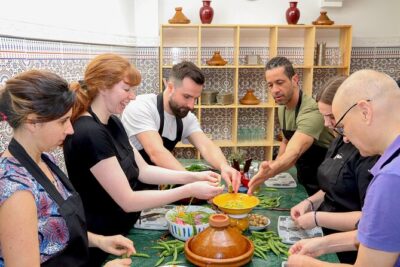
Marrakesh cooking class with chef Hassan – Local dishes
Read our review →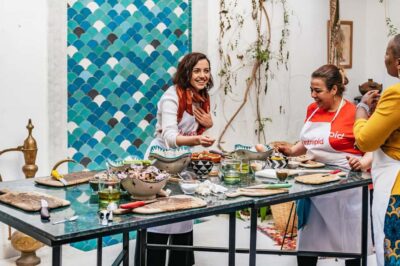
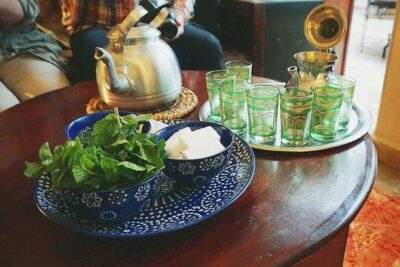
Marrakech Tour: Tajine Cookery Class Experience
Read our review →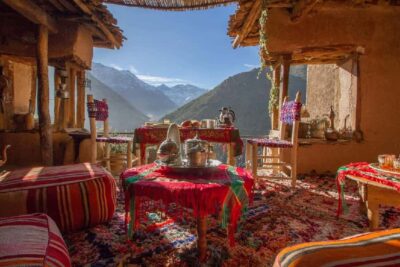
Atlas Mountains Cooking Class with Berber Family
Read our review →Browse the lists this tour appears in