
Reviewed · HIKING AND TREKKING TOURS
From Marrakech: Atlas Mountains 4-Day Hike with Hotels
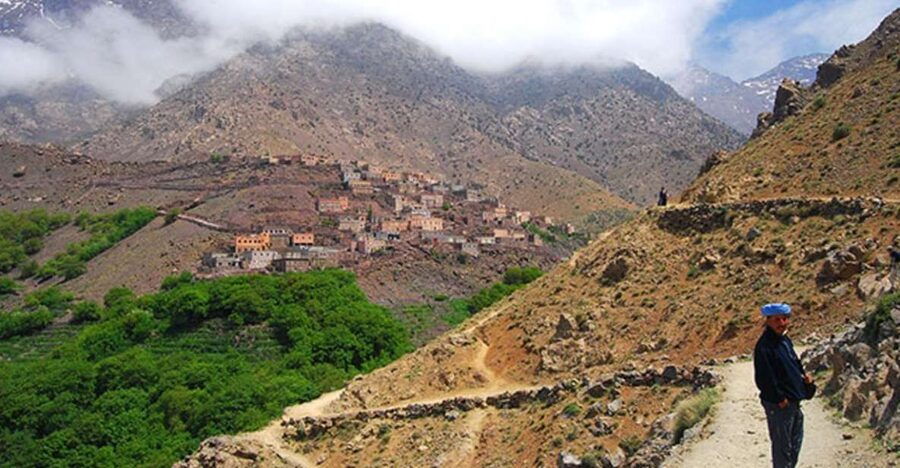
The best part of this four-day Atlas Mountains hike is the way it moves through real village life, not just mountain viewpoints. You walk old paths between farm terraces, walnut groves, river valleys, and remote Amazigh settlements, then sleep in the villages instead of returning to Marrakech each evening. I like the changing scenery from the green Imnane Valley to the red-toned Azzaden Valley, and I like having a cook and mule carry the heavy supplies.
The main catch is simple: this is a proper mountain trek, not a series of gentle country walks. Expect about five hours of hiking each day, loose rocks, steep ups and downs, and basic accommodation. Good shoes and warm layers matter, especially in winter.
Key points at a glance
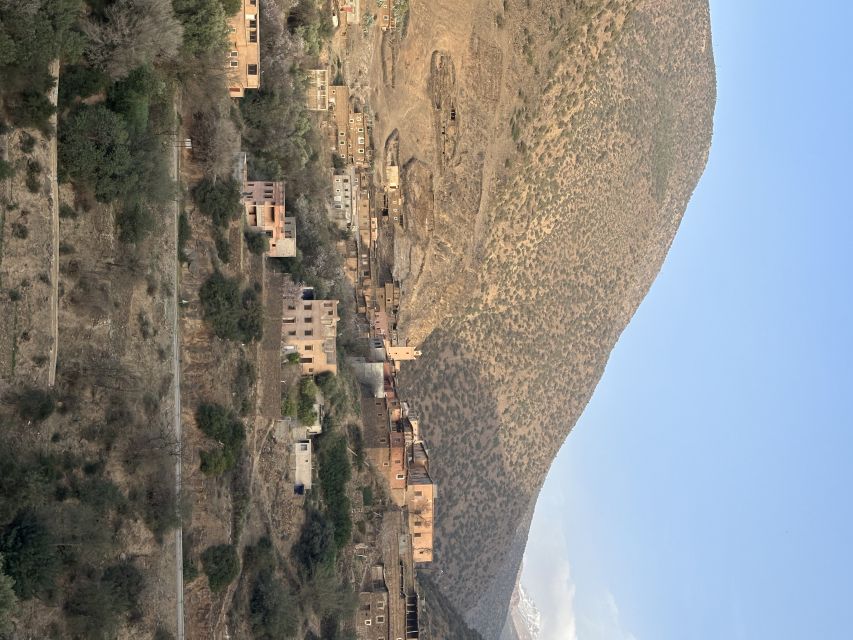
- Three Atlas valleys in four days: Walk through Imnane, Azzaden, and the valleys around Imlil, with a new view and village each day.
- Mountain passes without technical climbing: The route crosses passes around 2,000 to 2,500 meters, but it does not require climbing equipment.
- A local team handles the hard logistics: Your guide leads the route, a cook prepares meals, and a mule carries luggage and food.
- Village guesthouses, not resort hotels: Expect warmth and hospitality, but also simple rooms, shared facilities, and occasional missing towels.
- Small groups make the walk flexible: The group is limited to 10, and guides can adjust the pace and route to suit the group.
- Strong value at $176 per person: Four days of guiding, transport, meals, accommodation, and luggage support make this a low-cost way to see the High Atlas.
Why four days works better than a quick Atlas excursion
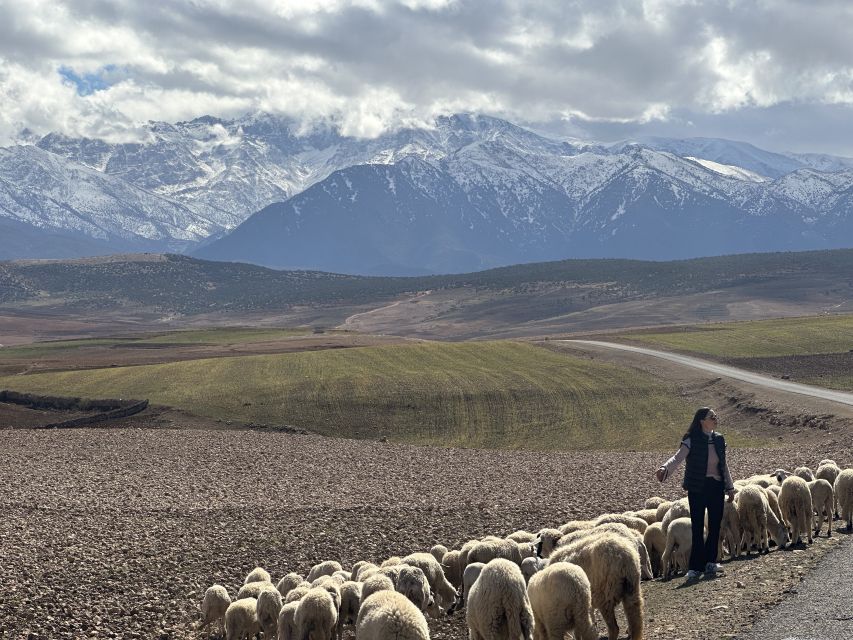
A day trip from Marrakech can show you a mountain village and a few fine views. This four-day route gives you time to walk from one valley community to another and see how the mountains are used by the people who live there.
You pass terraced fields of barley and corn, walnut and cherry trees, grazing animals, and small hamlets spread along the slopes. Your guide can explain the Amazigh way of life, local customs, farming, and the history of the villages. That human side gives the scenery more meaning.
The route is also varied enough to keep four days interesting. You do not simply walk up one valley and return by the same road. The Imnane Valley feels greener, the Azzaden Valley has warmer red tones, and the high passes bring wide views across the mountains.
I would choose this trip over a shorter outing if you want the Atlas Mountains to be a main part of your Morocco visit. If you only want a short taste of mountain scenery, four days may feel like more commitment than you need.
More Hiking and Trekking Tours in the Atlas Mountains
- Berber villages : Atlas Mountains Day Hike from Marrakech
★ 5.0 · 14,007 reviews - From Marrakech: Atlas Mountains Full-Day Hiking Trip w Lunch
★ 4.8 · 7,417 reviews - Marrakech: Atlas Mountains & Valleys Waterfall Hike w/ Lunch
★ 4.8 · 1,236 reviews
Day 1: Marrakech to Tachdirt through the Imnane Valley
Pickup from your Marrakech hotel is included. If your riad sits on a lane that cars cannot reach, the operator contacts you by WhatsApp or email before departure to arrange a meeting point. That small detail matters in Marrakech, where a driver may not be able to reach your front door.
The transfer takes you toward Imlil, where the walking begins. The first day usually lasts five to six hours, with the route heading toward the Imnane Valley and the pass of Tizi N’tamater at about 2,300 meters.
This first climb gives you an early test of the trek. The path rises and falls rather than following a flat valley floor, so you should settle into a steady pace and avoid rushing at the start. Your guide can help set a rhythm that suits the group.
Lunch is prepared on the trail by the local cook. A three-course meal served outdoors at the pass is one of the trip’s practical pleasures. You do not need to search for a café in a remote mountain area, and the midday stop breaks up the climb.
After lunch, you continue toward Tachdirt, one of the high villages in the Imnane Valley. The first night is in a local guesthouse. Accommodation is basic, but blankets are generally plentiful, an important comfort during cold nights.
Tachdirt is valuable because it gives you a first look at village life after the walking day is over. You are not just passing through for a photograph. You stay, eat, and wake up there.
Day 2: Following Imnane from Tachdirt to Imi Oughlad
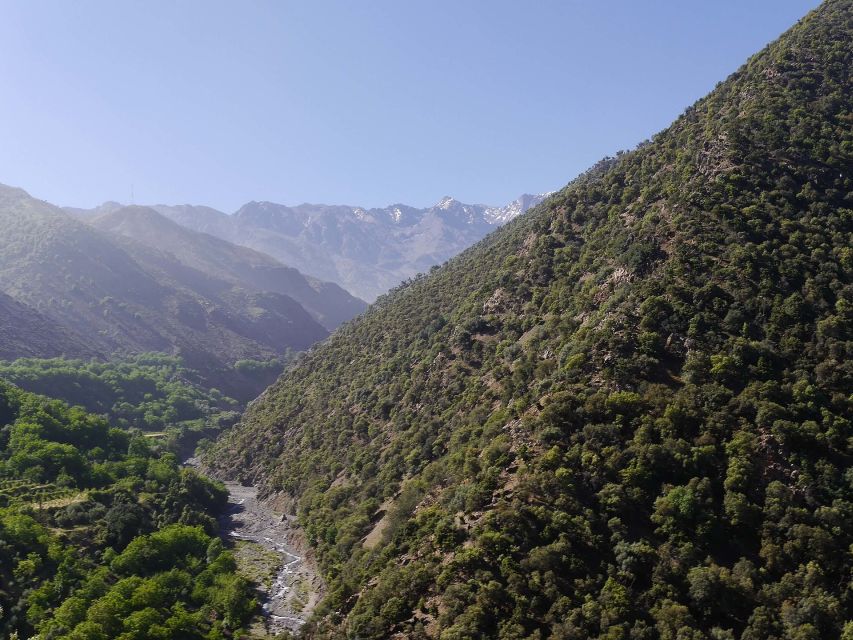
After breakfast, the route continues through the Imnane Valley toward Imi Oughlad. The walk takes about five hours and passes several Amazigh villages.
This is one of the strongest days for cultural context. The guide can point out fields, paths, homes, and features of daily life that you could easily miss on your own. In remote villages, English and French may not be widely spoken, so having a local guide is useful for communication as well as navigation.
The walking itself includes climbs and descents, with the valley providing a changing series of views. You may see farming areas, groves, streams, and small settlements set into the hillsides. The route is not technical, but loose stones and uneven ground make concentration important.
You spend the night at a guesthouse in Imi Oughlad. The trip notes say you may help the cook prepare dinner, which can make the evening feel more personal than a standard hotel meal. The cooking team is also one of the major strengths of this trip. Freshly prepared tagines, couscous, salads, soups, bread, fruit, and generous pots of tea are typical of the meals described, though the exact menu can vary.
Do not expect restaurant service or polished hotel dining. You get food designed to refuel hikers, served in a friendly local setting. After several hours on foot, that is usually exactly what you want.
Day 3: Crossing into the red Azzaden Valley
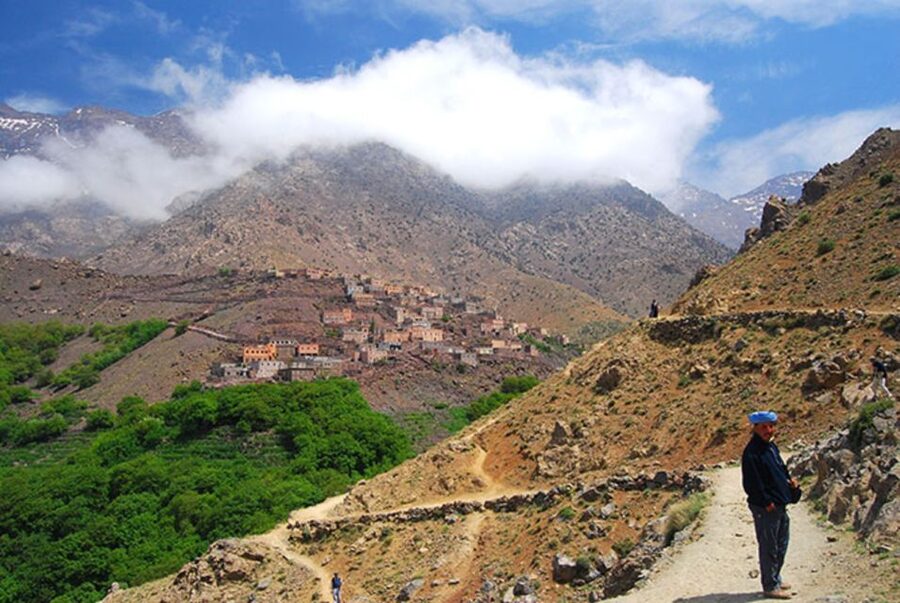
The third day changes the mood of the trek. After breakfast, you leave the Imnane side and head toward Tizi Oussem in the Azzaden Valley, often called the red valley because of its warmer earth tones.
The route passes through an oak forest and climbs toward Tizi n’Lbour pass. Lunch is served outdoors, again prepared by the cook. This is a good place to slow down and appreciate the contrast between the shaded trees, open slopes, and more strongly colored valley.
After lunch, the trail follows a dirt road toward the guesthouse in Tizi Oussem. The day takes about five hours. It remains a mountain walk, but the different vegetation and rock colors help prevent the itinerary from feeling repetitive.
A Berber hammam may be available at the guesthouse for an additional €4. You need to tell your guide beforehand if you want to use it. This is not a spa treatment in the resort sense. It is a local bathing experience, and the basic setting is part of its appeal.
The guesthouse in Tizi Oussem is another reminder that this trip favors access and local contact over comfort. Some accommodations are rustic, and facilities may vary. Bring your own towel because one may not always be supplied.
A completely different kind of day in the Atlas Mountains:
- From Marrakech: Atlas Mountains Day Trip with Camel Ride
★ 4.8 · 4,709 reviews - Atlas Mountains & 5 Valleys Tour from Marrakech – All inclusive –
★ 5.0 · 2,913 reviews - Agadir or Taghazout: Paradise Valley Atlas Mountains Tour
★ 4.4 · 2,905 reviews - Atlas Mountains, Berber Villages and Three Valleys all inclusive
★ 5.0 · 2,471 reviews
Day 4: Tizi Mezik, juniper forest, and the return to Marrakech
The final day leads back toward Imlil and then on to Marrakech. Some parts of the trail are more challenging, with loose rock and steeper sections. Your guide is there to check your comfort and help you manage the route, but you still need to be ready for a demanding finish.
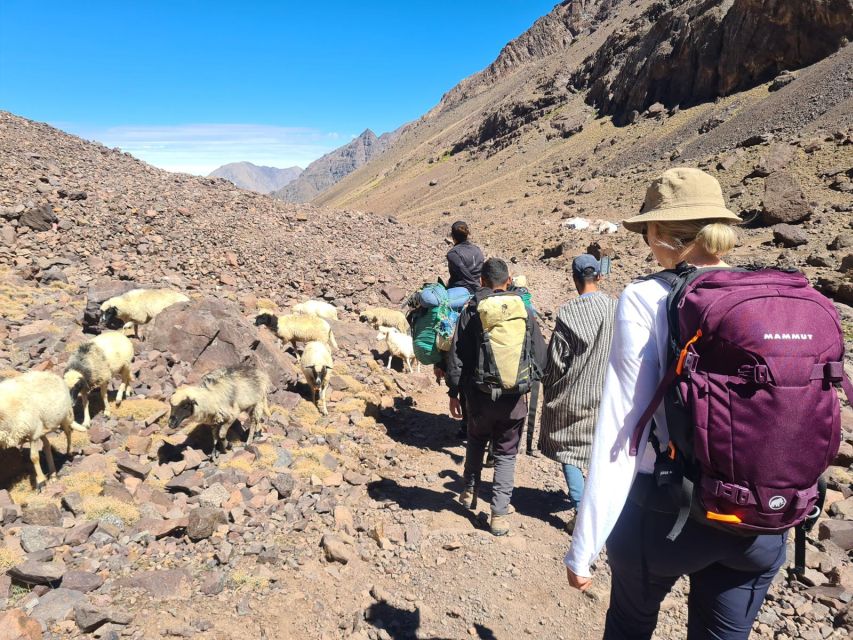
The path passes through a broad juniper forest. You may encounter local people with their herds, and the walk gives you one last chance to see how closely mountain life is tied to grazing and seasonal movement.
Lunch is served at Tizi Mezik, about 2,500 meters above sea level. This high pass is the day’s major viewpoint and a fitting final picnic stop. From there, you descend to the end point near Imlil before the transfer back to Marrakech.
The descent can be harder on tired knees than the climb. Trekking poles are not included, and they can be useful on loose or steep ground. The operator specifically lists walking sticks as part of your own equipment, so bring one if you normally use it.
The walking difficulty: manageable, but not effortless
The trek is often described as accessible to people with different fitness levels, especially when the guide adjusts the pace. That does not mean it is easy. You walk roughly five hours per day, and one account puts the full distance at about 50 kilometers, including four passes around 2,000 meters.
The hardest parts come from accumulated effort rather than technical climbing. Each day includes a climb and a descent. Some trails have loose rocks and can become slippery, so shoes with firm grip are more important than expensive hiking gear.
I would rate this as a moderate mountain trek for a reasonably active person. You do not need mountaineering experience, but you should be comfortable walking for several hours and handling uneven ground. If you rarely exercise, the four-day length may feel tough. Pregnant people and wheelchair users should not book this activity.
The guide can often slow the pace or choose a less demanding option. That flexibility helped younger hikers with limited trekking experience feel secure, and it also allowed stronger walkers to take more challenging routes at times. Still, the group needs to move together, so do not treat the itinerary as a private race.
Guides, cooks, and the mule team
The guide is central to the quality of this experience. Several guides are associated with the tour, including Mostafa, Houssain, Mohamed, Kamal, Hassan, and Ibrahim. The important point is not memorizing names before you arrive. It is knowing what a good guide adds here.
Your guide leads you across paths that can be hard to follow without local knowledge, explains Amazigh culture, translates when needed, checks how you are feeling, and helps shape the pace. Mostafa and Houssain are noted for patience and warmth, while Mohamed Bewajamor is known for explaining the region and adapting the route to the group.
The cook and muleteer are just as important. A mule carries luggage, cooking supplies, and equipment, so you do not need to carry everything on your back. The cook prepares meals along the route and at the guesthouses. Fresh tea, often flavored with wild mint or thyme, is a welcome ritual after a climb.
You should still pack a small day bag with water, warm clothing, sunscreen, snacks, and personal items. The mule does not mean you can bring unlimited luggage, and you will want your essentials with you during the day.
Sleeping in remote guesthouses
The accommodation is part of the reason to choose this tour, but it is also where expectations matter most. You stay in local guesthouses in villages such as Tachdirt, Imi Oughlad, and Tizi Oussem rather than in polished hotels.
Rooms are basic. Facilities can vary, towels may not be available, and winter nights can be very cold. Blankets are usually provided, but a lightweight sleeping bag is a sensible extra for winter departures. Bring warm layers even if Marrakech feels mild when you leave.
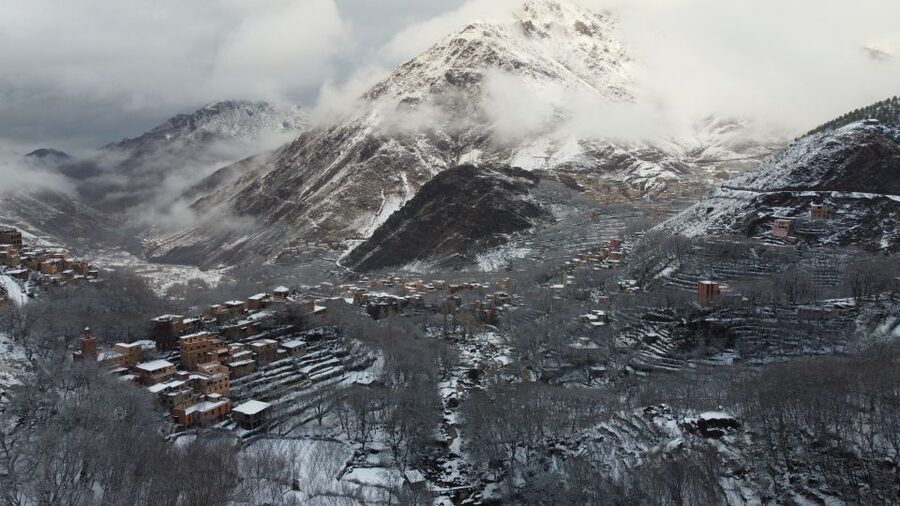
The reward is location. You sleep in villages that are difficult to reach independently and share the evening with the local community rather than returning to the city. The night sky, quiet surroundings, and simple hospitality are a large part of the trip’s character.
Pack modest clothing that covers your knees and shoulders when walking through remote communities. It is respectful, practical, and better suited to changing weather.
Food, transport, and what the $176 covers
At $176 per person, this is a strong-value mountain trip if you use the included services. The price covers hotel pickup and drop-off, a local guide, driver and guide services, accommodation, all meals, and a mule for luggage.
The value comes from bundling several tasks that would be difficult to arrange alone. You do not need to find a driver to Imlil, locate village accommodation, hire a cook, arrange luggage transport, or work out which paths connect the valleys.
The price does not include mountain gear or tips. You need comfortable clothing, hiking shoes, warm layers, and ideally a walking stick if you like extra balance. The hammam costs an extra €4.
A small group of up to 10 people keeps the price down while still allowing some personal attention. In quieter periods, you might have only a guide and a few companions. That can make it easier to ask questions and adjust the pace.
Free cancellation up to 24 hours before departure and the option to reserve without paying immediately add useful flexibility. Check the weather before booking, since rain, snow, or cold can change the route and walking conditions.
Who should book this Atlas Mountains trek?
I would choose this trip if you want an active, affordable way to see rural Morocco and you care more about local contact than hotel comfort. Families with older children or active teenagers may enjoy the shared challenge, provided everyone can handle long walking days.
It also suits first-time mountain hikers who want a guide and organized support. You get help with navigation, food, accommodation, and luggage, while still walking enough to feel that you have crossed the mountains under your own power.
It is less suitable if you want a luxury escape, short walks, private bathrooms, or a fixed program with no possible changes. One itinerary concern is worth noting: the final schedule can vary, and one reported version returned to Imlil earlier than expected. Ask the operator to confirm the exact overnight locations and luggage arrangements before departure.
Guided walks are available in Arabic, English, and French. That makes the experience easier to manage for an international group, especially when you need help communicating in small villages.
Should you book it?
Book this four-day trek if the thought of walking between Amazigh villages, eating meals cooked on the trail, and sleeping in simple mountain guesthouses appeals to you. The strongest features are the varied valleys, local guides, excellent food support, and low overall price.
Skip it if you are unfit, dislike steep trails, or need dependable hotel comforts. Pack serious footwear, warm layers, a towel, and perhaps a light sleeping bag. With those expectations in place, this is a practical way to trade Marrakech’s streets for four days of mountain paths, village life, and wide High Atlas views.
FAQ
How long do you hike each day?
The walking days are generally about five hours. Day one may last five to six hours, while the route includes regular climbs and descents across mountain passes.
Is the hike suitable for beginners?
It can suit people with limited trekking experience if they have reasonable fitness and can walk for several hours on uneven ground. It is not suitable for people who are very unfit, pregnant, or using a wheelchair.
What accommodation is included?
You stay in local guesthouses in mountain villages, including Tachdirt, Imi Oughlad, and Tizi Oussem. The accommodation is basic, and facilities such as towels may not always be available.
Are meals included?
Yes. All meals are included. A local cook prepares meals along the route and at the guesthouses, with lunches often served outdoors at mountain passes.
Is luggage transport provided?
Yes. A mule carries your luggage and cooking supplies, so you do not need to carry all your belongings while hiking.
What languages does the guide speak?
Guides are available in Arabic, English, and French.
More Four-Day Trips in the Atlas Mountains
- From Marrakesh: 4-Day Private Atlas Mountains & Desert Tour
★ 4.8 · 197 reviews - From Marrakech 4 Days Tour To Morocco Sahara Desert
★ 5.0 · 553 reviews - Agadir/Taghazout/Port: Sahara Desert 4×4 Day Trip with Lunch
★ 4.5 · 438 reviews - From Marrakech: Merzouga 4 Day Luxury Tour w/ Optional Quad
★ 4.8 · 332 reviews
More Multi-Day Tours in the Atlas Mountains
- Mt Toubkal Ascent Express Trek 2 Days 1 Nights
★ 4.7 · 962 reviews - Marrakesh: 2-Day Mt. Toubkal Trek with 1-Night Stay & Meals
★ 4.7 · 795 reviews - Marrakech: 2-Day Atlas Mountains Trek with Village Stay
★ 4.8 · 717 reviews - From Marrakech: 3-Day Mount Toubkal Climbing Trek
★ 4.7 · 597 reviews
Just added around the Atlas Mountains
- Private Berber Middle Atlas Day Trip From Fez★ 5.0 · 21 reviews
- Excursion from Fez to Midle Atlas★ 5.0 · 21 reviews
- Excursion From Fez to the Middle Atlas Mountains★ 5.0 · 40 reviews
- fes to Middle atlas day Trip★ 5.0 · 17 reviews
- Private Day Tour from Fez to the Middle Atlas★ 5.0 · 18 reviews
- Atlas Mountain & Berber Villages and Waterfalls Day Trip from Marrakech★ 5.0 · 54 reviews
- Agadir Desert Trip + berber villages★ 5.0 · 23 reviews
- Agadir or Taghazout: Paradise Valley Atlas Mountain Swimming Trip★ 5.0 · 27 reviews
Hiking and Trekking Tours, compared.
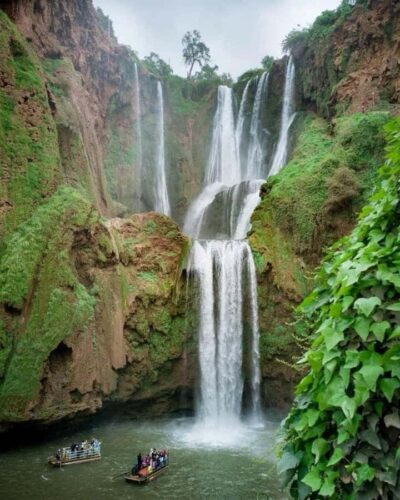
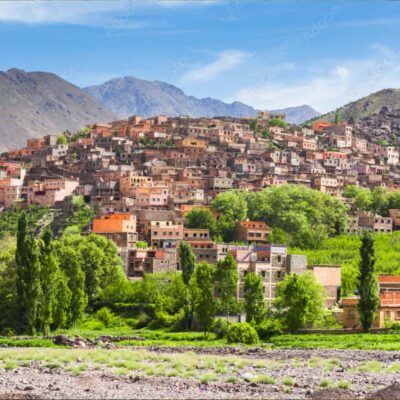
Berber villages: Atlas Mountains Day Hike from Marrakech
Read our review →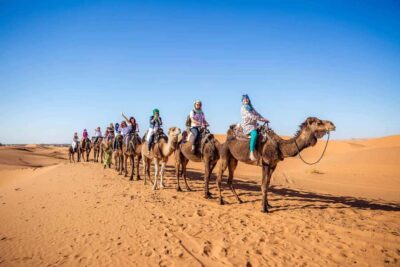
3 Days Desert Tour From Marrakech To Merzouga Dunes & Camel Trek
Read our review →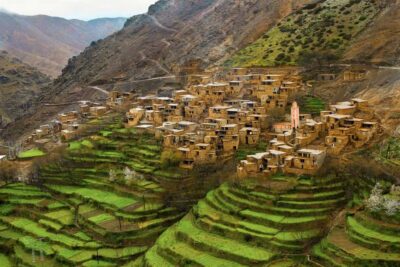
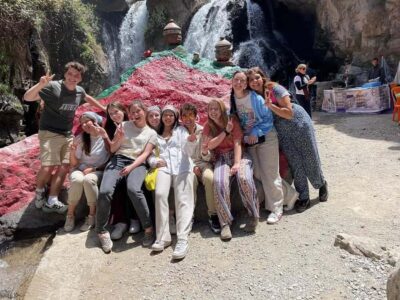
Ourika Valley Trip with Waterfall Hike & Lunch
Read our review →
3-Day Tour to Merzouga Erg Chebbi with Food & Camel Trek
Read our review →
Mt Toubkal Ascent Express Trek 2 Days 1 Nights
Read our review →
2-Day Mt. Toubkal Trek with 1-Night Stay & Meals
Read our review →Browse the lists this tour appears in