
Reviewed · CYCLING TOURS
Cycling Adventure in Marrakech
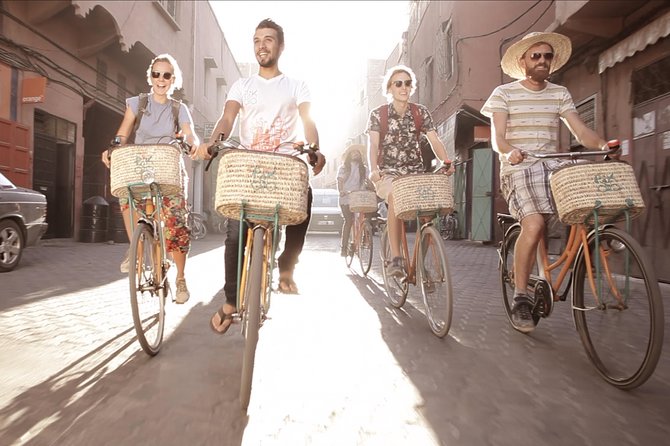
Marrakech makes more sense from a bicycle seat. You move from the tight lanes of the Medina to the wider streets of Gueliz, passing royal gardens, workshops, bakeries, and ordinary neighborhoods that a standard sightseeing route can miss. The best part is the human connection: guides such as Yasser, Hamit, Khawla, Zouhair, and Mo have brought local stories about family, religion, work, and modern Morocco into the ride.
I like the local focus and the way the tour supports Pikala Bikes, a non-profit project that trains young Moroccan guides. I also like the small stops, from bread at a public bakery to juice and sweets at Cafe Clock. The main concern is traffic. Cycling through Marrakech can be thrilling, but it requires confidence, alertness, and a willingness to handle a bike that may not fit you perfectly.
Key Points to Know Before You Ride
- Medina and Gueliz in one ride: You see both Marrakech’s historic center and its newer town in about three hours.
- Local life takes priority: Stops can include a public bakery, hammam, secondhand market, zellij workshop, and everyday neighborhoods.
- Young Moroccan guides lead the way: Guides including Yasser, Hamit, Khawla, Zouhair, and Mo have been praised for their warmth and personal stories.
- Traffic is part of the experience: The Medina can feel chaotic, with people, bikes, scooters, and other traffic sharing narrow streets.
- Snacks are included: Expect bottled water, juice, sweets, and sometimes bread or cookies during the stops.
- Small-group format: The maximum group size is 20 people, with morning and afternoon departures available.
Why a Bicycle Shows You More of Marrakech
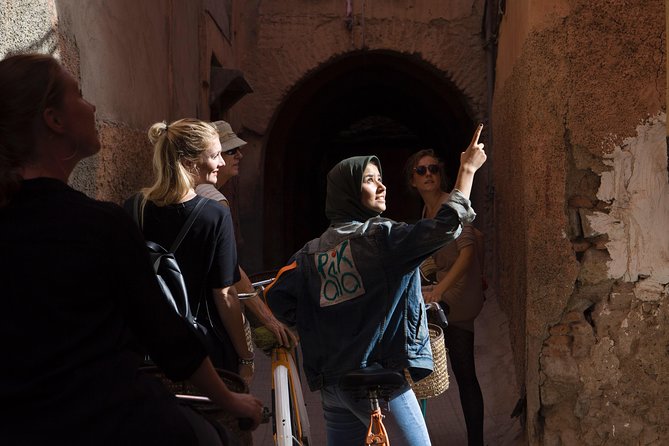
A walking tour gives you time to examine a doorway or bargain in a souk. A bicycle tour gives you range. In three hours, you can cover the Medina, reach the Kasbah and Agdal gardens, cross toward Gueliz, and still stop to watch daily life unfold.
That wider reach is the real value here. The tour does not focus only on polished monuments and famous photo spots. It uses the major sights as landmarks, then turns toward places connected to ordinary life. You might stop at a bakery that serves the neighborhood, learn how a traditional hammam functions, or see crafts and trades that are easy to miss from a taxi.
I find that useful for a first or second day in Marrakech. You get a rough map of the city in your head, along with a better sense of how the historic core connects to the newer districts. You also see how quickly the mood changes. One minute you are threading through old lanes, and soon you are riding along calmer streets in Gueliz.
The pace is active, but this is not a long-distance cycling trip. The route lasts about three hours and includes frequent stops for explanations, photographs, and conversation. The guides are young Moroccans trained by Pikala, so the tour has a personal quality. You are not simply hearing dates and architectural facts. You can ask about growing up in Morocco, family life, religion, and the effects of modernization.
More Bike Tours in Marrakech:
- Dutch Bike Tour in Marrakech with Local Guide
★ 4.7 · 269 reviews - Marrakech:Guided City Cycling Tour – Culture, Colors & Charm
★ 4.7 · 231 reviews - Marrakech: Guided Bike Tour with a local Guide
★ 4.6 · 79 reviews
Starting at 29 Rue Riad Laarous
The meeting point is 29 Rue Riad Laarous, near the historic center. The activity begins and ends at this same location, which keeps the logistics simple. It is also near public transportation.
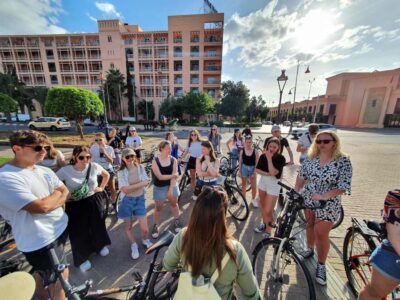
At the start, allow yourself time to settle onto the bicycle and listen carefully to the guide. The most important information may not be about the first monument. It will be about how the group rides together, where to stop, and how to stay alert in changing traffic.
The group can include up to 20 people. That is not an especially tiny group, but the frequent stops and guide support help keep the ride organized. One guide has even split a group to make room for different language needs, showing the kind of practical adjustment that can make a difference.
The bicycles have received mixed comments. Some people have found modern bikes that were easy to ride, while one strong criticism concerned bikes that did not suit every rider. I would treat the bike check as important. If the saddle or riding position feels wrong, say so before leaving.
Through the Medina, Where Riding Takes Focus
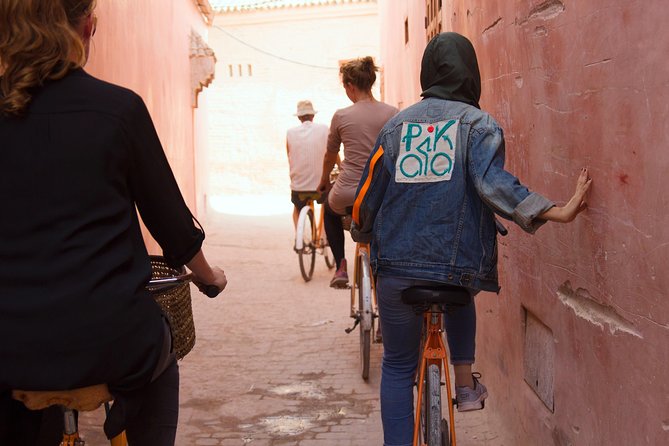
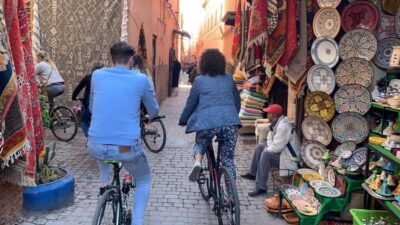
The Medina is the most exciting part of the route, and the part that demands the most from you. Its lanes can be narrow and crowded, with pedestrians and traffic moving in several directions. You may need to slow down, stop suddenly, and keep a close eye on what is happening ahead and beside you.
This is not the place for a nervous beginner who rarely rides. Several stops help break up the effort, but the route still asks you to control a bicycle in a busy urban setting. You need to be comfortable with basic cycling and able to stay calm when the street feels unpredictable.
The reward is access. On foot, you may spend much of your time dodging traffic or following a guide through a packed lane. On a bike, you can pass through more neighborhoods and get a stronger feel for the city’s rhythm. Cycling the small streets can feel almost cinematic, but the practical rule is simple: watch the road, listen to your guide, and do not let the photo opportunity distract you from moving traffic.
The Medina portion is also where the tour’s social purpose becomes clear. You are riding with local young people who can explain what the city looks like from their point of view. That may be more useful than another formal lecture about monuments.
Koutoubia, Kasbah, and the Royal Area
The Koutoubia is one of Marrakech’s key landmarks, and it helps orient you as you move through the city. The tour also passes the Kasbah, an area tied to Marrakech’s older quarters, and the gardens near the royal palace.
These sights matter, but they are not the whole point. You should expect brief stops rather than a long, formal museum-style visit. The guides use them to explain the city and provide time for photographs before taking you onward.
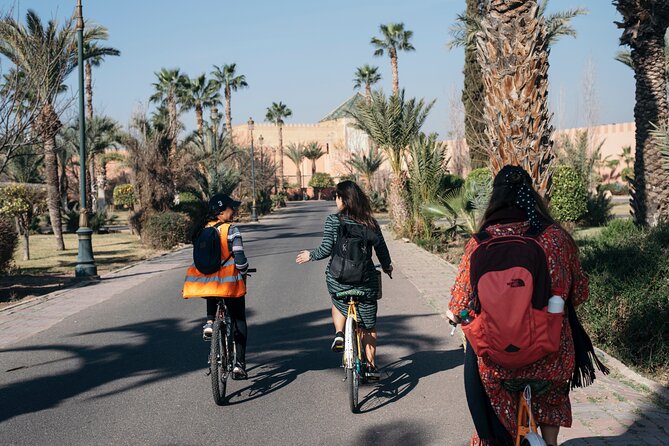
The palace gardens are especially useful as a contrast to the tight Medina lanes. The route gives you a sense of how Marrakech shifts between enclosed old streets, open garden areas, and newer city roads. One guide-led ride included the kings palace gardens and Gueliz, making the transition between old and new a central part of the experience.
You may already have seen the Koutoubia or Kasbah on foot. That does not make these stops wasted time. From the bicycle, they act as reference points, helping you understand where the neighborhoods fit together.
A few more Marrakech days worth comparing
- Marrakech: Quad Bike Tour to Palm Oasis and Jbilat Desert
★ 4.8 · 11,831 reviews - Marrakesh: Majorelle Garden Entry Tickets
★ 4.5 · 9,651 reviews - Marrakech Quad Bike Experience: Desert and Palmeraie
★ 4.5 · 9,509 reviews - Marrakech: Balloon Flight, Berber Breakfast & Certificate
★ 4.8 · 8,164 reviews
A Public Bakery and the Working City
The visit to a local public bakery is one of the tour’s strongest details. It shifts attention away from grand buildings and toward a service that forms part of everyday neighborhood life.
A bakery stop also gives you something concrete to understand. Instead of hearing a vague description of local customs, you see how bread fits into the daily routine. Some rides include bread or a small snack, adding a simple taste to the visit.
The same approach applies to the hammam, the traditional bathhouse. The stop is valuable because it introduces a social space that many visitors might not understand from the outside. You can learn about its role in local life while seeing a part of Marrakech that is not usually included in a quick sightseeing circuit.
These visits are not staged as luxury attractions. That is precisely why they work. You are being shown places tied to work, washing, food, and community life. If you want a polished attraction with a fixed display and a long scripted explanation, this may feel informal. If you want context for how the city functions, it is a strong part of the ride.
Markets, Workshops, and Everyday Neighborhoods
The route includes a large secondhand market and may include a zellij workshop or demonstration of tile making. These stops add texture to the tour without turning it into a shopping trip.
Zellij, the intricate tilework associated with Moroccan design, is easier to appreciate once you see the labor behind it. A short demonstration can make the patterns around Marrakech feel less decorative and more connected to skilled handwork.
The secondhand market offers a different view. It is not arranged for sightseeing, and that is its value. You get a glimpse of how people buy, sell, repair, and reuse everyday goods. It also gives you a chance to take photographs, though you should be respectful and follow the guide’s advice around people and private activity.
The route may also move through less familiar neighborhoods. This is where the tour separates itself from a basic list of Marrakech highlights. You are not only checking off the Koutoubia. You are seeing how people live outside the main visitor circuit.
Cafe Clock, Juice, Sweets, and Time to Talk
The food break is modest but well chosen. Juice and sweets are included at Cafe Clock, a cross-cultural cafe, and some rides also feature bread, cookies, or iced tea.
This is more than a refreshment stop. It gives the group a chance to sit down, cool off, and ask questions. One particularly memorable version of the tour included time at the cafe and a game of cards. That sort of pause can turn a sightseeing route into a conversation with the guide and the other people in the group.
The stop also gives you a break from traffic. Three hours on a bicycle in Marrakech can feel demanding, especially in warm weather, so bottled water and a seated pause matter. I would still bring your own water if you tend to drink a lot, since the listed inclusion is bottled water rather than unlimited drinks.
The cafe stop comes late in the experience for some versions of the route, making it a pleasant reset before the final visit. It is a small detail, but one that helps the tour feel more balanced.
Guides Who Add the Human Story
The guides are the heart of this activity. Yasser has been singled out for explaining local life with energy and clarity. Hamit has been praised for allowing time and space for questions. Khawla has shared stories from her childhood and brought a warm, personal style to the ride.
Zouhair has also been described as fluent in English, a strong cyclist, and highly familiar with Marrakech. Other rides have included Mo, Zuhair, and Achmed. Guide assignments can change, so you should not book expecting a particular person, but the repeated pattern is clear: the tour depends heavily on the guide’s personality and ability to manage a bike group.
The social project behind Pikala gives these conversations extra weight. The guides are local young Moroccans trained by the organization, and they discuss subjects such as family, religion, and modernization. Those topics can be sensitive or complicated, so a thoughtful guide matters more than a memorized script.
I like this format because it lets you ask the questions that come up while you ride. How does a hammam fit into local life? What is it like to grow up between tradition and modern city life? How important is family? A guide who is comfortable with conversation can make the route much more meaningful.
The Traffic Question: Fun, Challenging, and Not for Everyone
You should take the traffic warnings seriously. Several riders have described the experience as exhilarating, but others have called it unsuitable for anyone who is not a confident cyclist. Both views can be true.
Marrakech’s streets are not a quiet cycling path. The Medina can be especially demanding, while the Gueliz section may feel easier and more open. The tour guides lead the way, but they cannot remove every obstacle or control everyone else on the road.
I would choose this tour if you are comfortable riding in cities and can react quickly without panicking. I would think twice if you are a very occasional cyclist, dislike close traffic, or need a perfectly fitted bicycle. It may also be wise to avoid the hottest and busiest period if you are not an experienced rider. One rider specifically preferred the experience outside the busiest summer conditions.
Wear practical clothing and closed shoes. The supplied information does not specify protective equipment, so ask the provider about current equipment arrangements if that matters to you. Most people can participate, but physical comfort and confidence are more important than athletic ability.
Morning or Afternoon, and the Three-Hour Value
You can choose a morning or afternoon departure. The better choice depends on your tolerance for heat and your plans for the rest of the day. A morning ride may leave you with more energy for exploring later, while an afternoon ride can fit well after a slower start.
The listed price is $33.28 per person. For about three hours, that is a fair price, especially since the tour includes a local guide, bicycle, bottled water, and refreshments such as juice and sweets. The value is not based on the monuments alone. You are also paying for access to local neighborhoods and for the guide’s personal explanations.
Pikala’s non-profit purpose adds another layer to the price. Your booking helps support a project that trains young Moroccan guides. That does not excuse poor equipment or weak organization, but it does mean the money supports more than a standard commercial sightseeing loop.
The group maximum of 20 keeps the cost moderate, though your experience will depend on the final group size. A smaller group may make questions and traffic management easier. A larger group can still work, but you may spend more time waiting for the back of the group to catch up.
Free cancellation is available if you cancel at least 24 hours before the start time. Changes or cancellations inside that period are not accepted for a refund, so keep the cut-off in mind when arranging your Marrakech schedule.
Who Should Book This Marrakech Bike Tour?
I would choose Pikala Bikes if you want to see more than the famous monuments and are curious about daily Moroccan life. It suits confident cyclists, first-time visitors who want a city overview, and returning visitors who have already walked through the main Medina streets.
It is also a good fit if you care about meeting local people and supporting a social project. The guides can give you cultural context that is hard to gain from a map or audio guide.
I would not choose it for a relaxed ride with no traffic, a luxury food tour, or a tightly controlled sightseeing experience. The bicycles may not suit every rider, and the Medina section can be stressful if you are not used to city cycling.
Book this tour if the phrase active and a little unpredictable sounds appealing. You will get landmarks, local trades, neighborhood streets, personal stories, and a better sense of how old and new Marrakech connect. If you prefer to take your time on foot, spend three hours inside one museum, or avoid traffic entirely, choose a walking tour instead.
FAQ
Where does the cycling tour start and finish?
The tour starts at 29 Rue Riad Laarous in Marrakech and ends back at the same meeting point.
How long does the bicycle tour last?
The experience lasts approximately three hours.
What parts of Marrakech does the route cover?
The route includes the historic Medina and the newer Gueliz district. It also passes sights such as the Koutoubia, Kasbah, and Agdal gardens, along with local neighborhoods.
What local places might I visit?
Stops can include a public bakery, a traditional hammam, a secondhand market, a zellij workshop, Cafe Clock, and the tomb of one of Marrakech’s seven saints.
Are food and drinks included?
Bottled water, juice, and sweets are included. Depending on the route, you may also receive bread, cookies, or iced tea.
How far in advance can I cancel for a full refund?
You can cancel at least 24 hours before the experience start time for a full refund. Cancellations or changes made less than 24 hours before the start time are not accepted for a refund.
Just added around Marrakech
- Quad in the Palmeraie of Marrakech★ 5.0 · 41 reviews
- Marrakech Desert Camel Ride★ 5.0 · 17 reviews
- Sunset Camel Ride in the Palm Grove Of Marrakech★ 5.0 · 34 reviews
- Private Airport Transfer from or to Marrakech Menara Airport.★ 4.5 · 63 reviews
- Marrakech The History and Culture Day Trip★ 4.5 · 45 reviews
- Marrakech: Tailor-Made City Tour With Your Own Private Guide★ 4.9 · 236 reviews
- Marrakech palm grove: Sunset camel ride★ 4.8 · 194 reviews
- Sparkling Marrakech through the eyes of your local Guide★ 4.7 · 247 reviews
Cycling Tours, compared.
Guided City Cycling Tour – Culture, Colors & Charm
Read our review →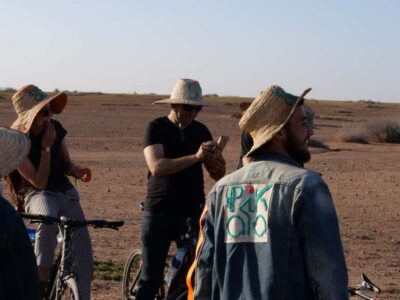
Cycling Tour in Palm Groove with Local Breakfast
Read our review →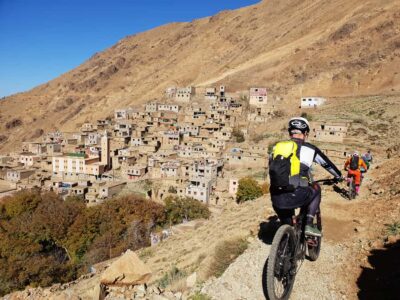
Toubkal National Park Mountain Bike Trip w/Lunch
Read our review →
Guided Cycling Adventure in Casablanca with Licensed Tour Guide
Read our review →
Browse the lists this tour appears in