
Reviewed · CRAFT WORKSHOPS
Marrakech: Make Your Own Moroccan Zellige Mosaic Masterpiece
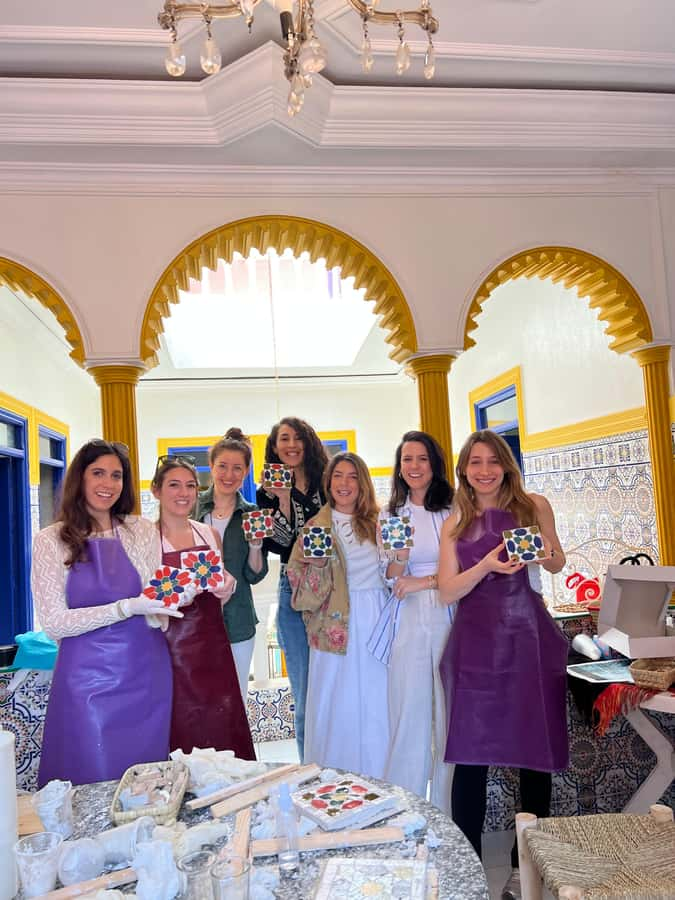
Making a Moroccan zellige mosaic gives you something most sightseeing cannot: a small, handmade reminder of Marrakech that you create yourself. In this two-hour workshop, you learn how geometric tilework is designed, arrange precut pieces, and finish with a tile of your own to take home. The souvenir is personal, not something pulled from a shop shelf.
I like the friendly teaching and the relaxed pace. Instructors such as Salma, Laila, and Layla help beginners without making the class feel stiff, and the tea and Moroccan pastries add a welcome local touch. The main thing to consider is that you work with precut tiles and a limited color range, so this is an introduction to zellige rather than a full artisan apprenticeship.
Key points to know
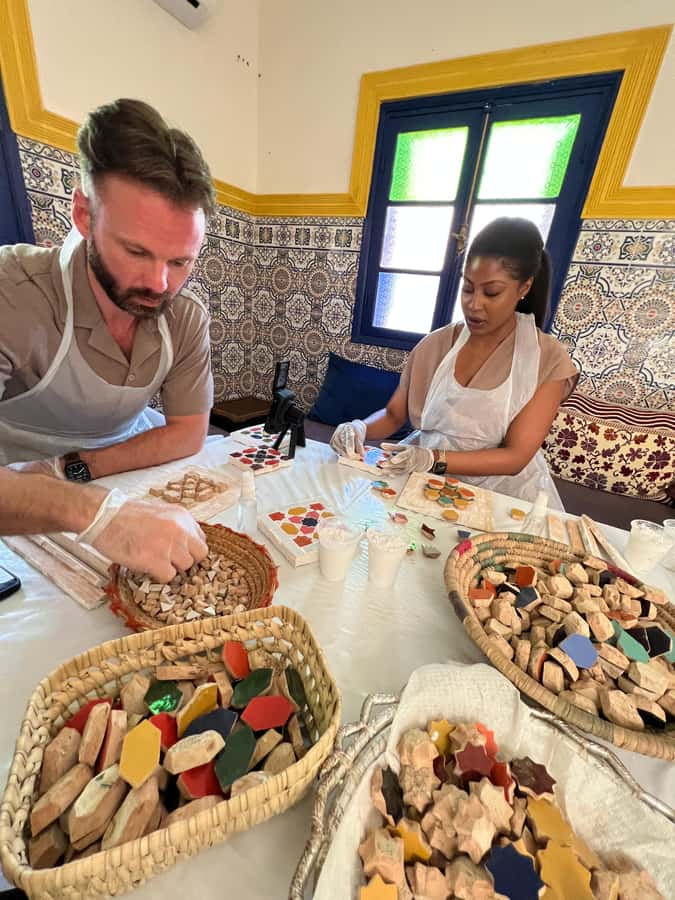
- A two-hour hands-on class: Learn the basics, arrange a pattern, and create one mosaic tile.
- Small-group feel: One class had six people, though another was large enough that a second host might have helped.
- Personalized keepsake: You choose the design and colors, and an instructor may write your name in Arabic on the back.
- Useful cultural context: The class explains Moroccan tile history and the techniques behind zellige.
- Comfortable Medina setting: The studio is spacious and well ventilated, with one booking experience describing it as air-conditioned.
- Good value at $42: Materials, instruction, tea, pastries, and your finished artwork are included.
Why this small tile matters in Marrakech
Zellige is one of Morocco’s most recognizable decorative arts. You see its geometric patterns in palaces, religious buildings, courtyards, fountains, and traditional homes. The appeal is not only the color. It is the careful relationship between shapes, lines, and empty space.
This workshop gives you a practical way to understand that design language. Instead of looking at a finished wall and admiring it from a distance, you handle the pieces yourself. You begin to see why a simple star or repeating border takes patience and planning.
You will not be cutting raw clay or learning every stage of professional tile production in two hours. The pieces are precut, which keeps the activity manageable and safe for beginners. That also means the workshop is best understood as a guided introduction to zellige design and assembly.
I think that is the right format for a short Marrakech activity. You get enough background to make the craft meaningful, then enough time to create something without turning your holiday afternoon into a technical course.
More Craft Workshops in Marrakech
- Marrakech: Pottery Workshop with Moroccan Tea
★ 4.8 · 756 reviews - Lamsaty Pottery Workshop with Moroccan Tea
★ 5.0 · 75 reviews - Marrakech Medina Basket Embroidery Workshop
★ 4.9 · 69 reviews
Entering the Medina studio
The workshop takes place in or near Marrakech’s Medina, in a rustic Moroccan setting reached through a side street of the souk. That location adds atmosphere, but it also means you should allow time to find the studio and arrive 15 minutes early.
The setting is part of the experience. You are not sitting in a generic classroom far from the city. The surrounding lanes and traditional feel help connect the activity to the craft you are learning. At the same time, a Medina side street can be less straightforward to navigate than a modern commercial address, so do not cut your arrival time too closely.
The studio is described as spacious and well ventilated. One family also found it air-conditioned, which matters during hot weather. You should still wear comfortable clothes that are suitable for crafting. Zellige work is hands-on, and you will be concentrating on small pieces rather than sitting back and watching a demonstration.
Smoking is not allowed. Children under five and wheelchair users are not suitable for this activity, according to the available information.
Tea, pastries, and the welcome
The class includes Moroccan tea and pastries. This is more than a minor snack stop. It gives the session a gentle beginning and a natural pause while you look at examples, choose a pattern, or wait for guidance.
The tea service also helps the workshop feel connected to Moroccan hospitality rather than like a quick craft transaction. Several experiences describe a warm welcome, and the setting is presented as relaxed and friendly. That tone suits people who want an activity with a social side.
Bring water, especially in warm months. You may also bring a camera if you want photos of the studio, your developing design, or the finished tile. Keep your phone and camera out of the way while handling materials.
Learning the story behind zellige
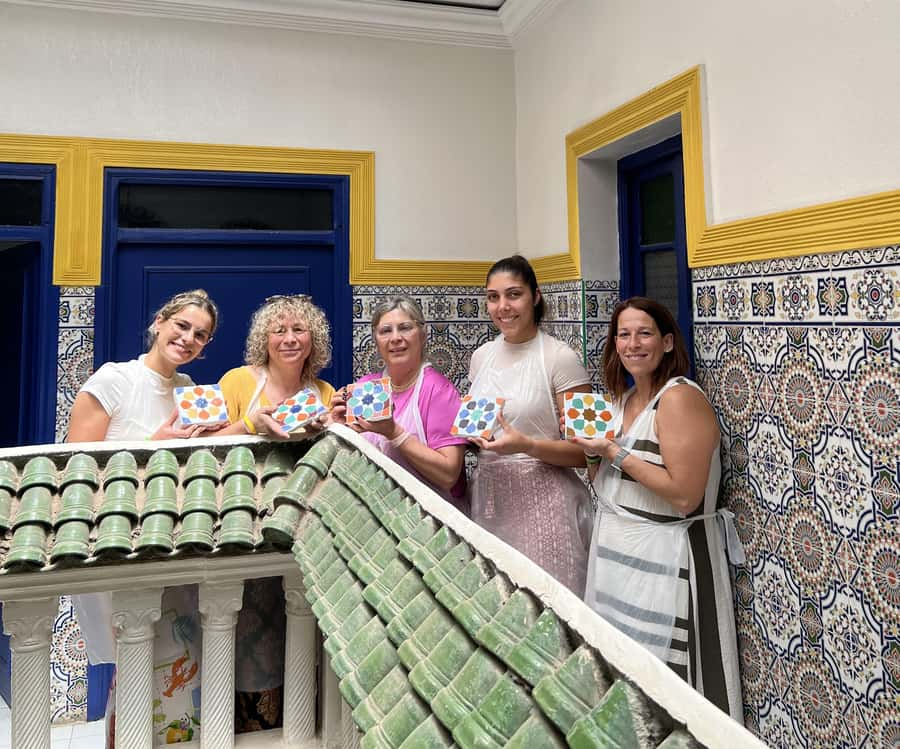
The first teaching section covers the history of Moroccan tilework, the basic design principles, and the techniques used to assemble a zellige piece. The instructors speak Arabic, French, and English, so you can choose the language that works best for you.
Salma is praised for explaining the craft clearly and for covering both the history and the working methods. Laila and Layla are also mentioned as patient, encouraging instructors who help people through the process. The names vary in the available information, so the instructor assigned to your session may be different.
You will learn to look at a design as a set of repeatable shapes rather than one complicated image. That is useful because geometric art can seem intimidating at first. Once you understand the order and placement of the pieces, the pattern becomes much easier to follow.
Still, keep your expectations sensible. One person felt that the class could have included more detail and chose to learn additional information independently later. That is fair. The session gives you a clear starting point, but it is not a complete survey of Moroccan ceramics or a professional course in tile making.
A completely different kind of day in Marrakech:
- Marrakech: Quad Bike Tour to Palm Oasis and Jbilat Desert
★ 4.8 · 11,831 reviews - Marrakesh: Majorelle Garden Entry Tickets
★ 4.5 · 9,651 reviews - Marrakech Quad Bike Experience: Desert and Palmeraie
★ 4.5 · 9,509 reviews - Marrakech: Balloon Flight, Berber Breakfast & Certificate
★ 4.8 · 8,164 reviews
Choosing colors and a pattern
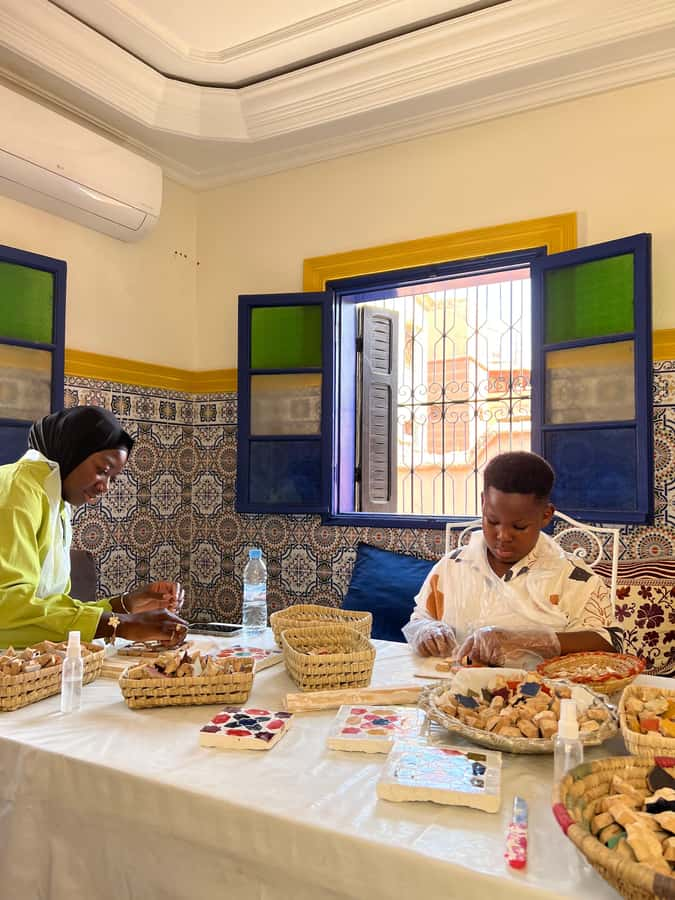
After the introduction, you choose from proposed patterns and available colors. Examples are provided to help you get started, which is useful if you are not naturally confident with design.
Some people enjoy choosing their own color combinations. Others prefer to copy a pattern closely and let the instructor guide the decisions. Both approaches work. If you want your tile to feel personal, think about your color choices before you arrive, but do not expect an unlimited palette.
The available color range can be more limited than some people imagine. There is also not always much direction about which colors work best together. If you are unsure, ask the instructor before you begin arranging the pieces. Salma, Laila, and Layla are all described as helpful, so you should make use of that support rather than trying to solve every design question alone.
This is one of the best moments to remember that the goal is not perfection. A simple design that you understand will usually be more satisfying than an ambitious one that leaves you confused.
Arranging the precut tiles
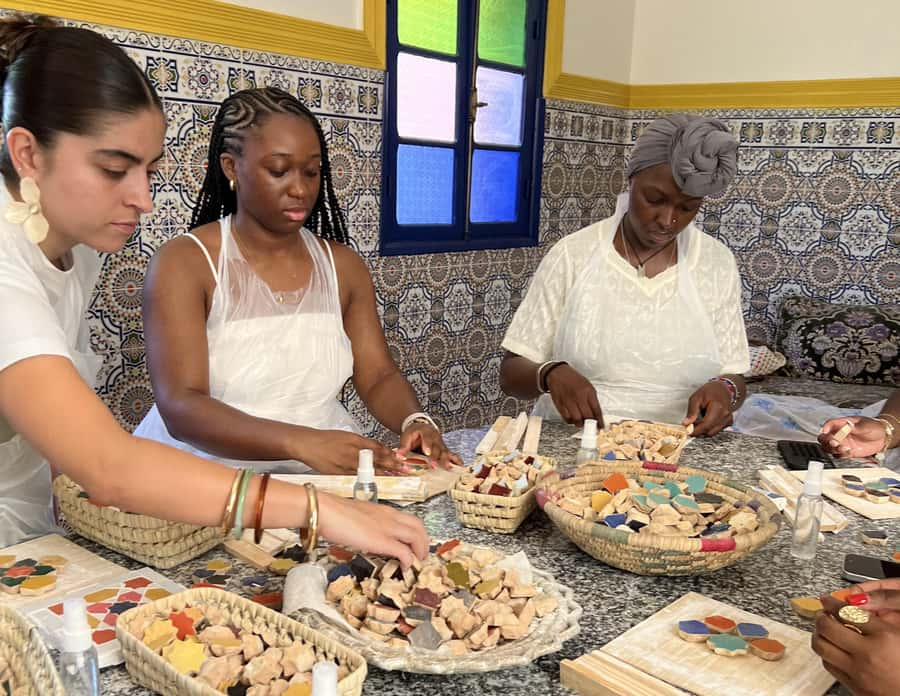
The practical part begins with precut tile pieces. You arrange them according to one of the proposed patterns or adapt the design with the colors available to you.
This stage requires more care than it first appears. Geometric patterns depend on correct placement, and a single piece in the wrong position can affect the surrounding shapes. The instructors explain the process and step in when you are muddled, which is especially helpful if you are new to mosaic work.
The class seems particularly well suited to couples and families. You can work side by side while still making separate pieces, and each person can choose a different color plan. One family with two children under ten enjoyed watching the younger artists work quickly and creatively, though the official suitability information excludes children under five.
Older children and teenagers may enjoy the balance of clear instructions and personal choice. Two teenagers, aged 14 and 16, created their own pieces after a visit to the Bahia Palace, which gave them a useful visual connection to the tilework they had seen earlier in the day.
Finishing a tile you can take home
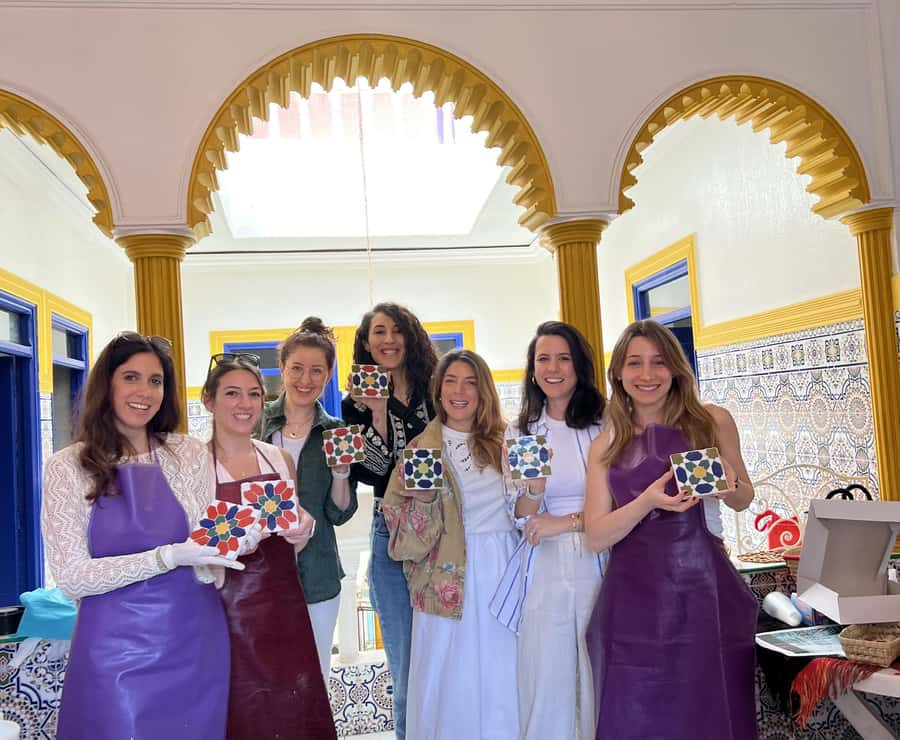
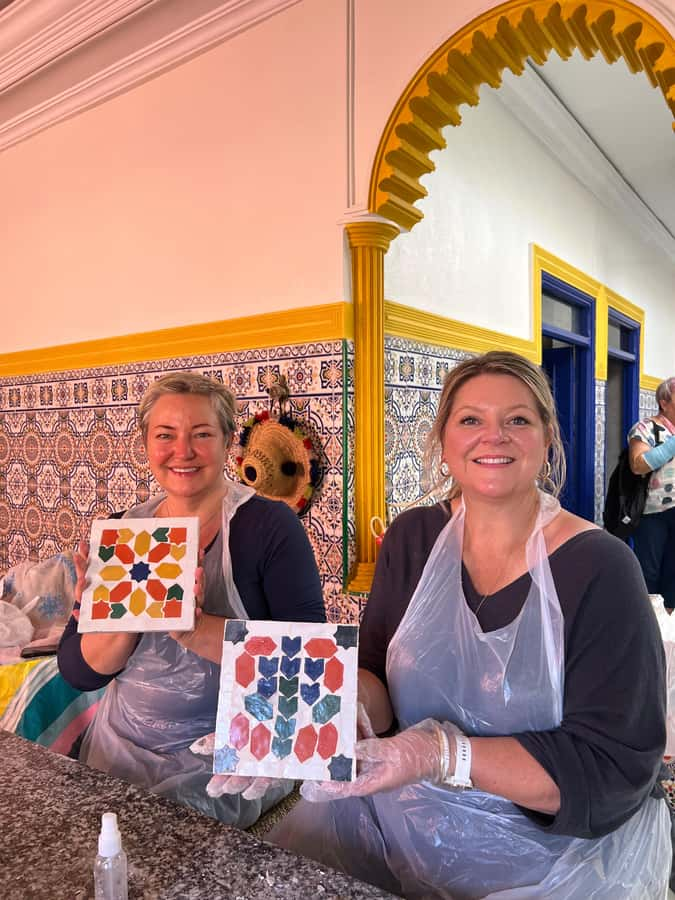
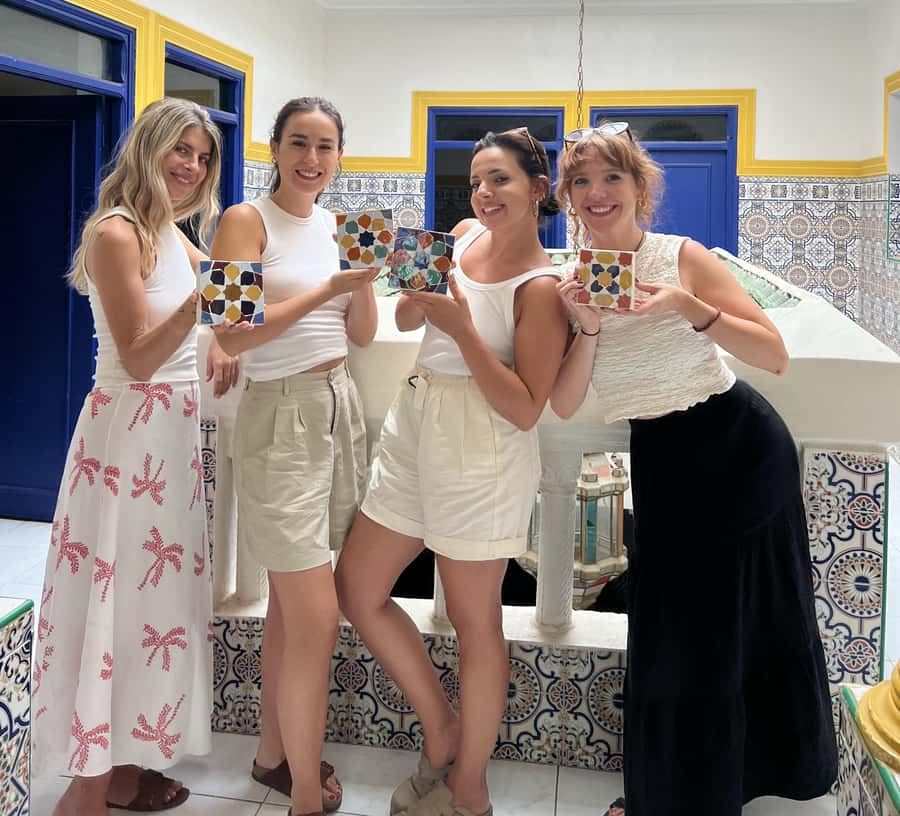
The biggest practical reward is that you leave with your own zellige artwork. It is not a large installation, but it is a genuine handmade souvenir tied to your time in Morocco.
The finished piece also carries the memory of the decisions you made: the pattern you selected, the colors you combined, and the places where you needed help. One instructor has written a participant’s name in Arabic on the back, a small personal touch worth requesting if it is available during your session.
Think about how you will carry the tile afterward. The activity includes the artwork, but the supplied information does not specify special luggage packaging or shipping. You should ask the workshop team how the finished piece will be protected before you leave, particularly if you are traveling with soft luggage.
The tile is also a reason to schedule the workshop earlier in your stay rather than on the final morning. That gives you time to enjoy it during the rest of your visit and reduces the worry of carrying a new craft item through a rushed departure.
How the $42 price measures up
At $42 per person, the workshop sits in a reasonable range for a two-hour cultural activity in Marrakech. Your fee includes expert instruction, all the materials, tea, Moroccan pastries, and the finished piece.
The value is strongest if you want more than a passive demonstration. You are paying for instruction and participation, not simply for access to a studio. The handmade tile gives the price a lasting element, especially compared with a short guided visit where you leave with only photographs.
It is less compelling if you mainly want a detailed professional lesson in traditional tile production. The precut materials keep the activity accessible, but they also limit how much technical skill you can learn in two hours.
For couples, the workshop offers an easy shared activity. For families with children old enough to follow instructions, it provides a creative break from palaces and souks. For solo visitors, the small-group format can make the session feel social without demanding a full-day commitment.
Group size and the pace of teaching
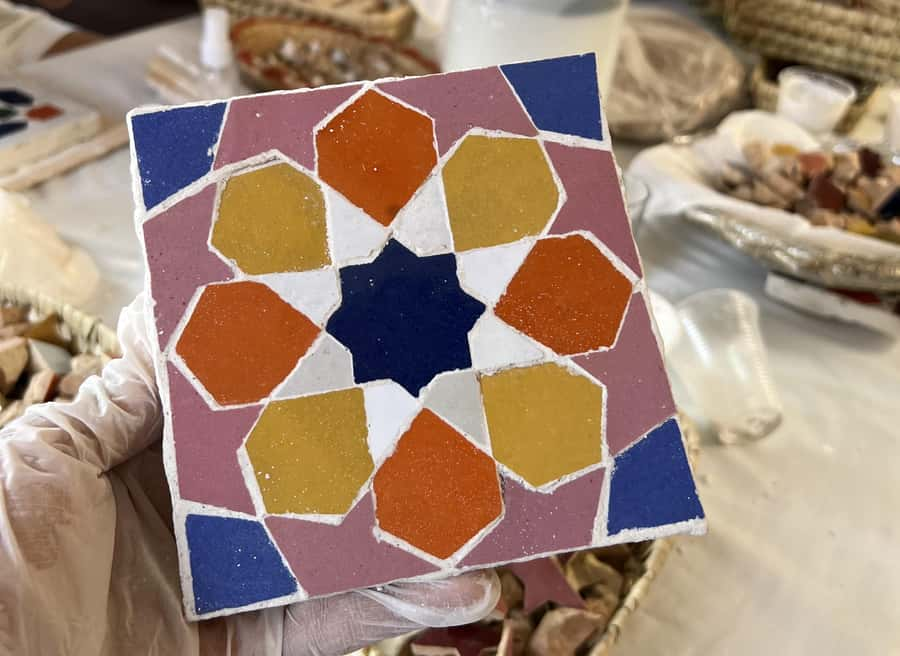
A group of six gives the class a personal feel, and one session had exactly that size. In a small group, you should have a good chance to ask questions and receive help when a pattern becomes confusing.
The experience can vary with group size. One person felt that a large group would have worked better with two hosts, although the instructor still gave close attention. If your booking date is flexible, ask about the expected group size before confirming if personal instruction matters a lot to you.
The teaching style is encouraging rather than formal. That is good news for beginners who may worry about making a mistake. You will have examples to follow, materials ready to use, and an instructor who can correct the arrangement before you commit to it.
Do not expect a silent, meditative art class. The room may include several people making different choices, asking questions, and comparing designs. For most visitors, that shared energy is part of the fun. If you want complete solitude, this may not be the right format.
Who should book this workshop
I would recommend it most strongly to:
- Couples looking for a creative two-hour activity
- Families with children over five who enjoy making things
- Teenagers interested in Moroccan architecture and design
- Visitors who want a handmade souvenir
- Anyone who needs a pleasant indoor plan for a rainy afternoon
- Art and craft fans who like clear guidance rather than total freedom
It also works well after visiting a place such as Bahia Palace, where you can look at Moroccan tilework with fresh eyes. The class helps you connect an architectural detail to the effort behind it.
You may want to skip it if you dislike working with small pieces, prefer a long technical lesson, or need wheelchair access. It is also not a meal experience, although tea and pastries are included.
Planning the timing and cancellation terms
The activity lasts two hours, but the practical commitment is slightly longer because you should arrive 15 minutes early. There is no transportation included, so you must make your own way to the workshop.
Starting times vary, and you need to check availability for your chosen date. The reserve-now-and-pay-later option can be useful if your Marrakech plans are still shifting. You can cancel up to 24 hours in advance for a full refund, based on the stated terms.
Wear clothing you can comfortably craft in. Bring water, and leave room in your day for finding the Medina studio. If the host contacts you about moving the appointment, confirm the final time clearly. One booking experience found repeated schedule-change messages stressful, so a firm written confirmation is sensible.
My call: a worthwhile Marrakech souvenir
Book this workshop if you want a relaxed, practical link to Moroccan culture and like the idea of making your own keepsake. The strongest parts are the patient instruction, the chance to choose a design, and the fact that you leave with something tangible.
Go in knowing what the class is. You will arrange precut pieces rather than learn every stage of professional zellige production, and your color choices may be narrower than expected. At $42, though, the materials, guidance, refreshments, and finished tile make this a fair-value activity for a two-hour break in the Medina.
If you are a beginner, do not worry about artistic skill. Ask for help early, take your time with the pattern, and choose a design you can enjoy rather than one that looks difficult. That approach gives you the best chance of leaving with a tile you will still be happy to see at home.
FAQ
How long does the zellige workshop last?
The workshop lasts two hours. You should arrive 15 minutes early to settle in before the class begins.
How much does the activity cost?
The listed price is $42 per person.
What is included in the price?
The fee includes expert instruction, all workshop materials, your own zellige artwork to take home, Moroccan tea, and Moroccan pastries.
Do I get to keep the mosaic I make?
Yes. You create a zellige piece during the workshop and take it home afterward.
Which languages do the instructors speak?
Instruction is available in Arabic, French, and English.
Do I need previous artistic experience?
No. The class is designed for all skill levels, including beginners. Instructors provide examples, explain the process, and help with arranging the pieces.
Are children allowed to attend?
Children under five are not suitable for the activity. Older children may attend, and the workshop has also been enjoyed by families with children under ten and teenagers.
Is transportation included?
No. Transportation to and from the workshop is not included, so you must arrange your own way there.
Can I cancel my booking?
You can cancel up to 24 hours in advance for a full refund. A reserve-now-and-pay-later option is also available.
Just added around Marrakech
- Quad in the Palmeraie of Marrakech★ 5.0 · 41 reviews
- Marrakech Desert Camel Ride★ 5.0 · 17 reviews
- Sunset Camel Ride in the Palm Grove Of Marrakech★ 5.0 · 34 reviews
- Private Airport Transfer from or to Marrakech Menara Airport.★ 4.5 · 63 reviews
- Marrakech The History and Culture Day Trip★ 4.5 · 45 reviews
- Marrakech: Tailor-Made City Tour With Your Own Private Guide★ 4.9 · 236 reviews
- Marrakech palm grove: Sunset camel ride★ 4.8 · 194 reviews
- Sparkling Marrakech through the eyes of your local Guide★ 4.7 · 247 reviews
Craft Workshops, compared.
Pottery and Mosaic Workshop in Fes Led by Local Artisans
Read our review →

Vibrant Souks, Local Artisans & Medina Experience
Read our review →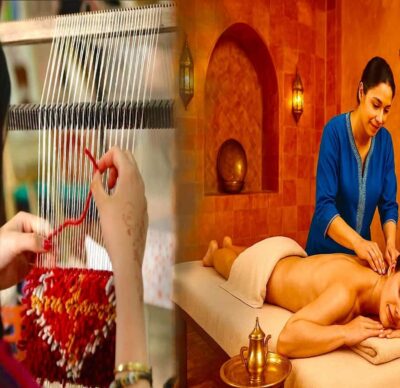
Marrakech Hammam, Massage & Berber Carpet Weaving Workshop
Read our review →
Fez Guided Tour of Artisans and Handicrafts Full-Day Private Tour
Read our review →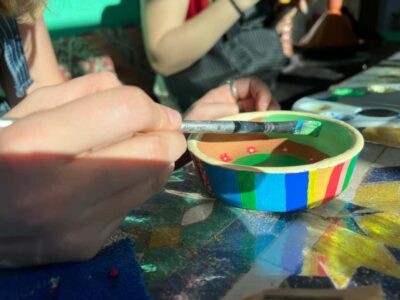
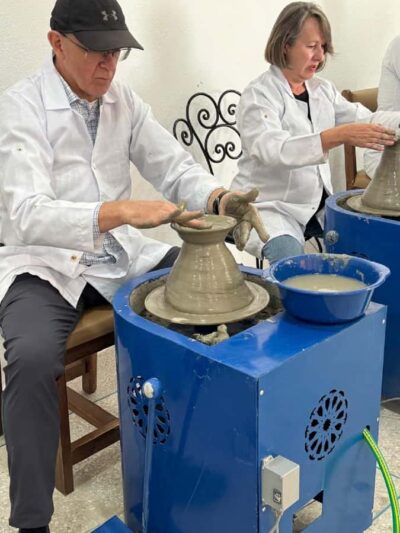
Artisan for a Day: Pottery & Zellige Workshop in Fez
Read our review →Browse the lists this tour appears in