
Reviewed · ATLAS MOUNTAINS TOURS
fes to Middle atlas day Trip
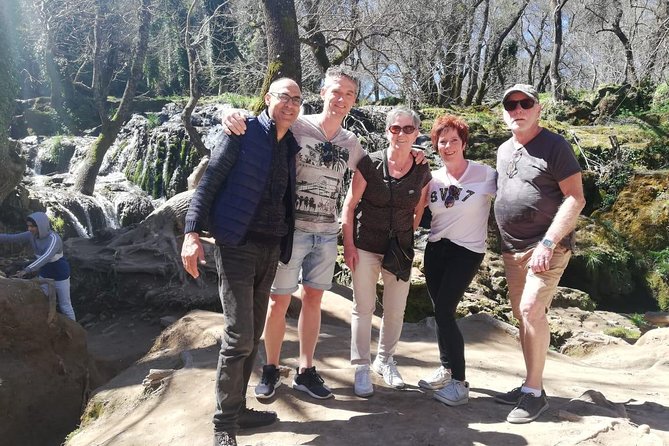
Oak and cedar forests, fruit orchards, olive groves, high plateaus, and snow make this Middle Atlas day trip a fine change from Fez’s city streets. The route also includes forest stops where you may see Barbary macaques, giving the day a welcome touch of wildlife and fresh air.
I like the private transport and the chance to stop along the way, rather than being rushed from one formal attraction to another. I also like the seasonal variety: spring brings flowers and green hills, while winter can bring snow around the high country. The main drawback is that food and monument admissions are not included, and the mountain weather can be cold, rough, or wet.
Key points at a glance
- Imouzzer Kandar comes before the high cedar forests: You pass apple, pear, apricot, and peach-growing country at roughly 1,000 to 1,300 meters.
- Ifrane gives the day a very different feel: The town is associated with Swiss-style architecture and a ski setting, with snowy peaks possible in the colder months.
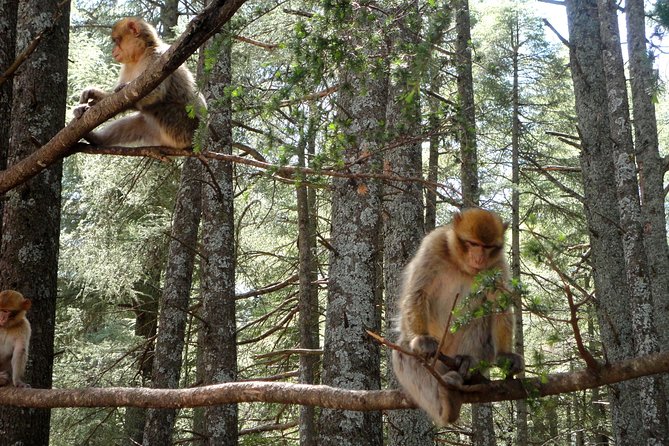
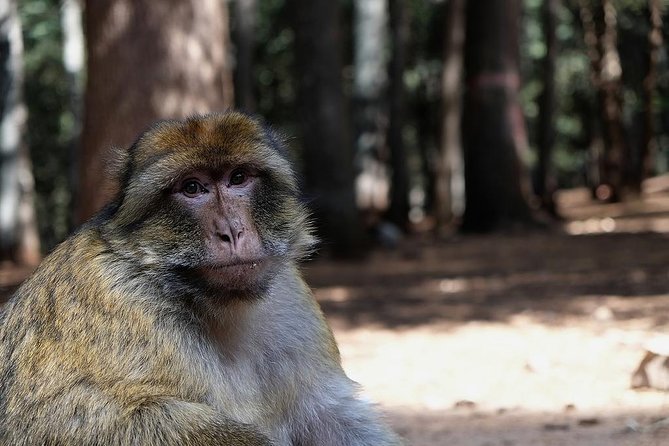
- Forest stops may include Barbary macaques: Bring patience and keep your distance rather than expecting a formal wildlife visit.
- Your group stays private: The vehicle, driver, pickup, and return are arranged for your own party.
- The route changes with altitude: Olive groves give way to fruit trees, oak, cedar, and then open steppe above the tree line.
- Plan for weather, not just sunshine: Warm clothing is important from November through May, when snow and poor conditions are possible.
Leaving Fez for the Saiss plain
The day begins with pickup in Fez and a drive toward the Middle Atlas Mountains. Air-conditioned transport, fuel, bottled water, and hotel pickup and drop-off are included, so you do not need to arrange a taxi to a distant meeting point.
The first broad change comes as you cross the agricultural Saiss plain. Olive trees shape the countryside here, and the open farmland gives you a useful sense of how quickly Fez’s urban setting gives way to rural Morocco.
I like this opening because it is not just a transfer to a single town. The road itself is the main attraction. As you gain altitude, the vegetation changes in clear stages, and you can watch the country shift from farm fields to orchards and forest.
The total experience lasts about eight hours, with around six hours associated with the mountain outing and stops. That leaves time for driving, short walks, viewpoints, and pauses, but this is still a full day. You should not expect a leisurely visit to every town along the route.
More Day Trips in the Atlas Mountains:
- From Marrakech: Atlas Mountains Day Trip with Camel Ride
★ 4.8 · 4,709 reviews - Marrakech: 1 Day Tour-Best of the Atlas Mountains &Three Valleys
★ 5.0 · 1,093 reviews - From Fez: Middle Atlas Day Trip with Ifrane National Park
★ 4.6 · 795 reviews
Imouzzer Kandar and the orchard country
Around Imouzzer Kandar, the route enters a fruit-growing area between about 1,000 and 1,300 meters. Apples, pears, apricots, and peaches are part of the countryside here, creating a softer and more cultivated view before the forests begin.
This is one of the trip’s more useful contrasts. If you spend most of your Morocco visit in Fez, you may picture the country mainly through old city walls, dry hills, and busy markets. The road to the Middle Atlas shows another side: orchard country, olive groves, cooler air, and highland farming.
The exact stopping pattern is not fixed in the information provided, so you should think of Imouzzer Kandar as part of the scenic route rather than a guaranteed long town visit. Your driver may stop at suitable points, and the private format makes that more practical than a large coach tour.
The lack of a local guide is worth noting. You receive a professional driver and private transport, but a separate guide and monument tickets are not included. If you want detailed interpretation of farming, geology, or local customs, ask questions during the drive and confirm what your driver can explain.
Green oak and tall cedar forests
Above the orchards, green oak forests appear. Higher still, the route reaches majestic cedar forests at more than 1,500 meters. This change in vegetation is the heart of the outing, and it gives the drive a strong sense of movement even when you are simply looking out of the window.
The forest is also where a stop can become more active. One account of the experience describes walking through the trees and seeing monkeys. That does not make this a dedicated wildlife tour, but it does mean you may have the chance to leave the vehicle, stretch your legs, and look for Barbary macaques in the forest.
Use common sense around animals. Do not treat the macaques as a guaranteed encounter, and do not build the entire day around them. The forest itself is the main reason to stop, with cool air, tall trees, and a welcome break from sitting in the car.
I would wear shoes suitable for an easy forest walk and bring an extra layer. The temperature can feel very different from Fez, especially at higher elevations. The supplied information does not promise a specific hiking route, so you should expect short walks and scenic pauses rather than a marked mountain hike.
Ifrane and the high-country change
Ifrane is one of the day’s named stops and one of its most unusual sights. It is associated with a Swiss-style ski town, which can surprise anyone expecting the usual Moroccan city scene. Snow-capped peaks may appear in the colder season, and snow is common in the higher areas.
Ifrane’s appeal is largely visual. It gives you a highland setting that feels distinct from Fez, with cooler conditions and mountain scenery. The exact amount of time spent in town is not specified, so check with the driver if you want to know how long you will have for photographs or a walk.
Do not assume that a winter visit guarantees a clear view. From November through May, the weather can be cold and rough, with occasional bad-weather days. Snow may add beauty, but it can also affect road conditions and the running of the trip.
Spring is described as especially attractive, usually from March through May depending on altitude. That window is not a strict promise of perfect weather, but it is a useful guide if you want a mix of fresh greenery and more comfortable conditions.
A few more the Atlas Mountains days worth comparing
- Berber villages : Atlas Mountains Day Hike from Marrakech
★ 5.0 · 14,007 reviews - From Marrakech: Atlas Mountains Full-Day Hiking Trip w Lunch
★ 4.8 · 7,417 reviews - Atlas Mountains & 5 Valleys Tour from Marrakech – All inclusive –
★ 5.0 · 2,913 reviews - Agadir or Taghazout: Paradise Valley Atlas Mountains Tour
★ 4.4 · 2,905 reviews
Above 2,000 meters: forests give way to open steppe
At more than 2,000 meters, the cedar forest gives way to broad plateaus and open steppe. In summer, these areas are used for transhumance, the seasonal movement of herds to higher grazing ground.
This is where the trip becomes more than a forest drive. You see how altitude shapes the region, from cultivated land near Fez to trees on the middle slopes and open grazing country higher up. The views may feel spare rather than dramatic in the classic postcard sense, but that is part of the attraction.
Each season changes the colors and mood. Spring can be green and fresh. Summer may show the high plateaus in their drier form, while winter brings cold, snow, and a harsher look. If you want the strongest seasonal contrast, ask about expected weather before you go.
There is no claim of a formal high-altitude walk, and you should not treat the drive as a trekking trip. The value lies in seeing several altitude zones within one day, with stops arranged by the driver along the way.
What the private format really gives you
This is a private activity, so only your group takes part. That matters on a scenic drive because you are not sharing every stop with a busload of people or waiting for strangers to finish a photo break.
Private transport also gives you a little more flexibility. You can ask to pause at a forest viewpoint, stop for a short walk, or spend extra time looking at a section of countryside, though the driver remains responsible for keeping the full day on schedule.
The driver is described as professional, and Driss is identified in the feedback as an English-speaking driver-guide who showed the group attractive places and helped make the trip enjoyable. Since driver assignment can vary, treat Driss as a useful name to request rather than a guaranteed part of every booking.
One account also describes learning Arabic during the drive and experiencing Moroccan hospitality along the way. That points to an informal, personal side of the experience. It is not a formal language class, but conversation with your driver can make the long road sections more engaging.
Transport, timing, and comfort
The included air-conditioned vehicle is important because the day involves a good deal of driving. Hotel pickup and return remove the need to navigate public transport or find a taxi after a full day in the mountains.
Bottled water is included, but food is not. Bring snacks or plan to ask about a meal stop before departure. Do not assume that a restaurant meal, picnic, or refreshments beyond the water are covered in the price.
The tour costs $63.88 per person. For a private eight-hour outing with transport, fuel, pickup, and a professional driver included, that can be good value, especially if you are sharing the vehicle with family or friends. The value is less obvious for a solo participant, since the price is charged per person and the day does not include meals, monument tickets, or a local guide.
Group discounts are available, though the details are not specified. If you are booking for several people, ask how the discount applies before paying. The private format may suit a small group better than a standard shared excursion, particularly if you care about quiet stops and a relaxed pace.
What is not included, and why it matters
There are no food costs in the package, so you need a small plan for eating. The information also excludes monument admissions, although the named experience focuses more on towns, forests, orchards, and scenery than on a set list of paid monuments.
A local guide is not included. The professional driver may provide useful conversation and route information, but you should not expect the same level of historical interpretation as you would receive from a dedicated guide. If cultural explanation is your top priority, ask about adding a guide or choose a tour that specifically includes one.
The tour’s strongest feature is the changing countryside. If you want a museum visit, a long guided walk, or a detailed lesson on regional history, this may feel limited. If you want fresh air, highland views, and a private road trip from Fez, the balance is much better.
Best seasons and what to pack
Spring, generally March through May depending on altitude, is a strong choice for color and fresh growth. The countryside can change quickly as you climb, so do not dress only for Fez’s temperature at departure.
From November through May, bring warm clothes. Cold and rough conditions are common enough to take seriously, and snow is possible. A jacket, comfortable walking shoes, and extra layers are sensible even if the morning in Fez feels mild.
Summer has its own appeal, particularly on the high plateaus used for seasonal grazing. The information does not provide exact temperatures or a forecast, so check the weather close to departure rather than relying only on the season.
The tour requires good weather. If conditions force cancellation, you are offered another date or a full refund. Free cancellation is available if you cancel at least 24 hours before the start time. Inside that window, payment is not refunded and changes are not accepted.
Who will enjoy this day most
I would recommend this trip to you if you want a break from Fez’s old city and prefer scenery to a long list of monuments. It suits couples, families, and small groups who value a private vehicle and the ability to stop at different points.
It is also a good fit if you enjoy seeing how a region changes with altitude. The route gives you orchards, olive groves, oak, cedar, high plateaus, and possible snow in one outing.
You should think twice if you dislike long drives, need a tightly scheduled food plan, or want a full-time local guide. The outing is also weather-sensitive, and a gray or stormy day may reduce the views even if the trip still operates.
Most participants can take part, and service animals are allowed. The activity is near public transportation, but the main convenience is hotel pickup and return, not the use of public transport during the trip.
Should you book the Fez to Middle Atlas day trip?
Book it if you want a private, scenic escape from Fez and like the idea of watching the countryside change from olive groves to orchards, oak, cedar, and high steppe. The possible monkey sighting, snowy peaks, and informal time with a driver such as Driss add character to what could otherwise be a simple mountain transfer.
I would be more cautious if you expect meals, entrance tickets, a dedicated guide, or a major walking adventure. At $63.88 per person, the trip offers solid value for private transport and a full day of changing scenery, but its success depends on your expectations and the weather.
FAQ
How long is the Fez to Middle Atlas day trip?
The experience lasts approximately eight hours. The mountain outing itself is described as taking about six hours, with the remaining time allowing for transport and stops.
What places are visited?
The route includes Imouzzer Kandar and Ifrane, along with the Middle Atlas Mountains, orchards, olive groves, oak forests, cedar forests, and high plateaus.
Is hotel pickup included?
Yes. Pickup and drop-off at your hotel are included, and the activity begins and ends in Fez.
Is the tour private?
Yes. Only your group participates in this private activity.
What transport is provided?
Air-conditioned private transportation is provided. Fuel, described as gasoil, is included.
Is bottled water included?
Yes. Bottled water is included in the experience.
Is food included?
No. Food is not included, so you should plan for your own meals and snacks.
Is a local guide included?
No. A local guide and monument admissions are not included. A professional driver is provided, and Driss is identified as an English-speaking driver-guide in the available experience details.
What should I wear in cold weather?
Warm clothing is advised, especially from November through May. Mountain weather can be cold and rough, and snow is common in higher areas.
Can I cancel for a full refund?
Yes, if you cancel at least 24 hours before the experience start time. Cancellations made less than 24 hours in advance are not refunded. If poor weather causes the operator to cancel, you are offered another date or a full refund.
Just added around the Atlas Mountains
- Private Berber Middle Atlas Day Trip From Fez★ 5.0 · 21 reviews
- Excursion from Fez to Midle Atlas★ 5.0 · 21 reviews
- Excursion From Fez to the Middle Atlas Mountains★ 5.0 · 40 reviews
- Private Day Tour from Fez to the Middle Atlas★ 5.0 · 18 reviews
- Atlas Mountain & Berber Villages and Waterfalls Day Trip from Marrakech★ 5.0 · 54 reviews
- Agadir Desert Trip + berber villages★ 5.0 · 23 reviews
- Agadir or Taghazout: Paradise Valley Atlas Mountain Swimming Trip★ 5.0 · 27 reviews
- Hidden Atlas Mountains Valley★ 5.0 · 63 reviews
Atlas Mountains Tours, compared.
Berber villages: Atlas Mountains Day Hike from Marrakech
Read our review →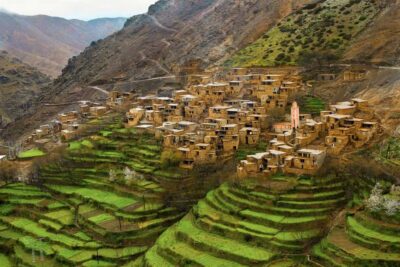
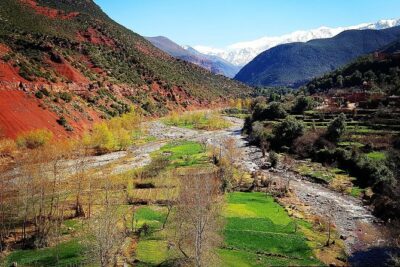
Atlas Mountains & 5 Valleys Tour from Marrakech – All inclusive –
Read our review →
Agadir or Taghazout: Paradise Valley Atlas Mountains Tour
Read our review →Paragliding, Camel Ride & Berber Villages Trip
Read our review →
Mt Toubkal Ascent Express Trek 2 Days 1 Nights
Read our review →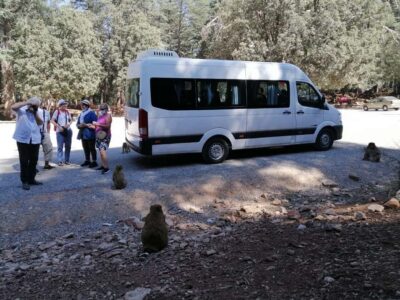
Middle Atlas Day Trip with Ifrane National Park
Read our review →Browse the lists this tour appears in