
Reviewed · WALKING TOURS IN TANGIER
Tangier: Food Walking Tour
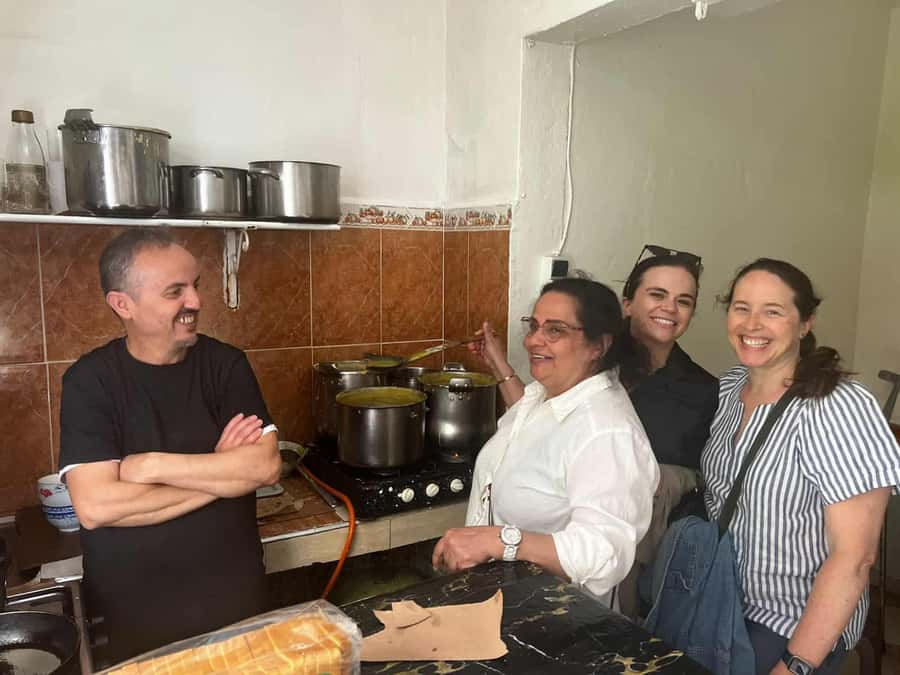
Tangier’s best food stories are found in small stalls, market counters, and old cafés, not just on a restaurant menu. This three-hour walk takes you from Sour Meêgazine through M’Sallah, Grand Socco, and the Kasbah while you eat your way through local specialties such as caliente, bissara, stuffed dates, bread, olives, pastries, smoothies, and tagine.
I like the six tasting stops and full meal, which give you a proper introduction to Tangier rather than a token bite or two. I also like the guide’s local connections, with guides such as Rabab, Mohammed, Ismail, Ahmed, and Anas adjusting the food and pace for families and dietary needs. The main drawback is that this is not a good choice for wheelchair users or people with mobility problems, since the old streets can be difficult to navigate.
Key points to know before you book
- Six tastings plus a full meal: Come hungry, since this is much more than a snack crawl.
- A walk through real Tangier: M’Sallah, Grand Socco, the Medina, and Place de la Kasbah bring you into everyday market life.
- Local guides make the difference: Rabab, Mohammed, Ismail, Ahmed, and Anas have been praised for their food and cultural knowledge.
- Flexible food choices: Vegetarian, gluten-free, and lactose-free requests can be accommodated when you provide them ahead of time.
- A useful first-day activity: The guide can point out where to buy foods and what to seek out later in your trip.
- Bring good shoes: You will walk through narrow historic streets, with no transportation included.
Why this Tangier food walk works so well
A food tour is one of the quickest ways to get your bearings in Tangier. You are not simply being taken from one restaurant to the next. You are walking through the old city, passing vendors and artisans, watching produce change hands, and stopping to taste foods that are part of ordinary Moroccan life.
That matters in Tangier, a city where food, faith, family, and daily trade are closely linked. Your guide explains why certain foods appear at particular times, how dishes are prepared at home, and how local customs shape what people eat. You can ask questions as you go, which makes the experience feel more like a conversation than a lecture.
The tour has earned a 4.9 rating from 43 reviews, and the strongest praise centers on three things: the guides, the range of food, and the sense of access to places a newcomer would not easily find alone. Guides have included Rabab, Rababe, Mohammed, Ismail, Ahmed, Abdul, and Anas. The exact guide may vary, but the format remains focused on food, walking, and local life.
More Walking Tours in Tangier
- 3h Private Walking Tour in Tangier Kasbah Medina & Colorful Souks
★ 5.0 · 148 reviews - Tangier: Private Guided Walking Tour of the Tangier Medina
★ 4.7 · 105 reviews - Private Walking Tour in Tetouan with Pickup
★ 5.0 · 87 reviews
Starting at Sour Meêgazine and entering M’Sallah
The meeting point is next to the third cannon, the one in the middle, at Sour Meêgazine in Tangier. Pay attention to that detail. It is more useful than simply being told to meet at a square, especially if you are arriving in a busy part of town.
From there, the walk begins with M’Sallah, an area known for traditional buildings and narrow streets. The first 45 minutes combine a guided walk with food tasting, so you start learning the shape of the city while your appetite is still fresh.
M’Sallah is a good opening section because it introduces you to Tangier at street level. You see the city’s old architecture, local vendors, and the way people use public spaces during the day. The guide can explain what you are eating, how it is made, and how the same dish may be prepared differently in a family kitchen.
You might taste items such as caliente, a savory chickpea-based local specialty, or bissara, a filling soup made from beans or split peas. Exact dishes can change, but the tour is built around handmade Moroccan foods rather than standardized restaurant portions.
Give yourself time to look around between bites. The point is not to rush from sample to sample. The pauses let you notice details in the streets and understand how the food fits into the neighborhood.
Grand Socco brings the market life into focus
The next 45-minute section takes you to Grand Socco for another guided walk and tasting session. This is one of the most useful parts for anyone who wants to understand Tangier beyond its postcard views.
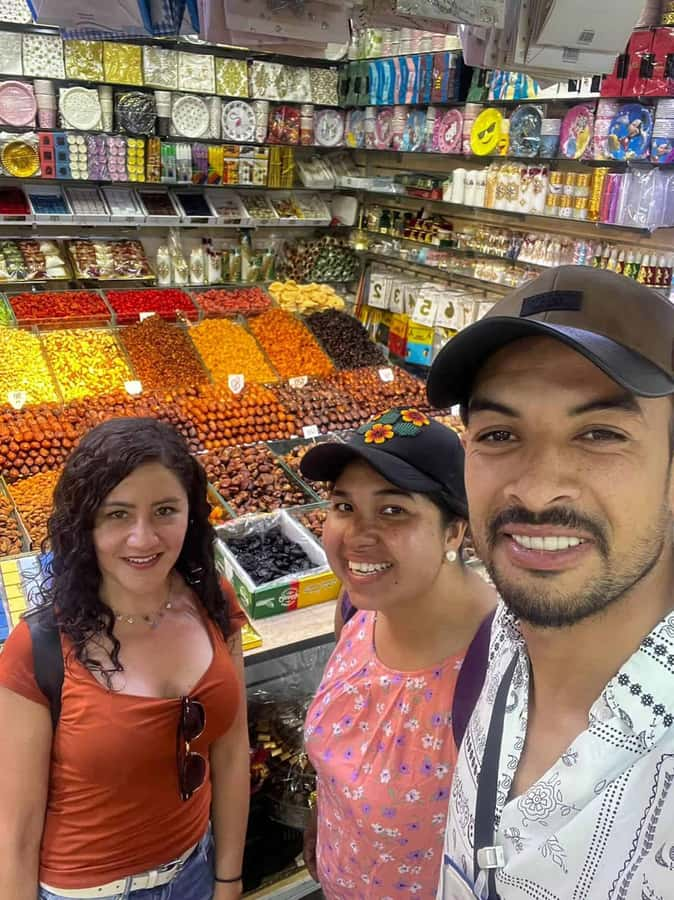
Markets tell you what a city eats. You may see fresh produce, breads, olives, sweets, and other local products being sold for daily meals. Your guide helps you read the scene, explaining what is common, what is seasonal, and where locals shop.
The food is spread across several stops rather than served all at once. That pacing is important. You get time to walk off one taste before the next, and you can pay attention to flavor instead of treating the experience as one oversized meal.
The market section also gives you a practical advantage later. You can ask where to buy additional food, which products travel well, and what is worth seeking out on your own. That kind of advice can be more useful than a list of famous restaurants, especially if you plan to stay in Tangier for more than a day.
If you have children in your group, mention that when booking or at the start. Guides have adjusted the pace and food choices for families before, and one group with three children found the walking distance manageable. Still, the streets are old and uneven enough that anyone with mobility problems should choose a different activity.
Place de la Kasbah and the best views
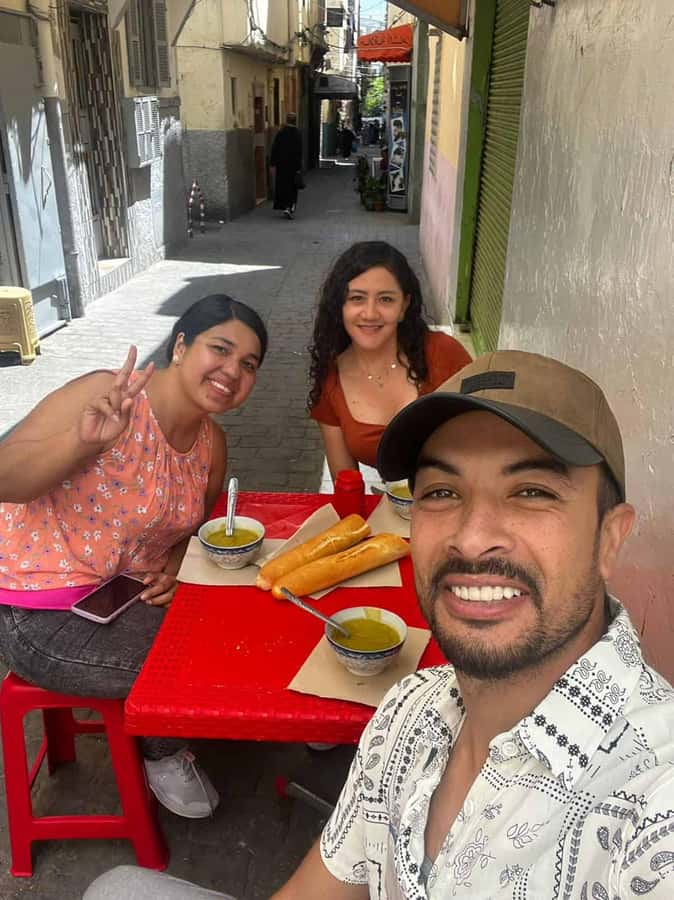
The longest section takes place around Place de la Kasbah, with about an hour of walking, explanations, and tasting. This is where the food tour becomes a proper introduction to Tangier’s old citadel area.
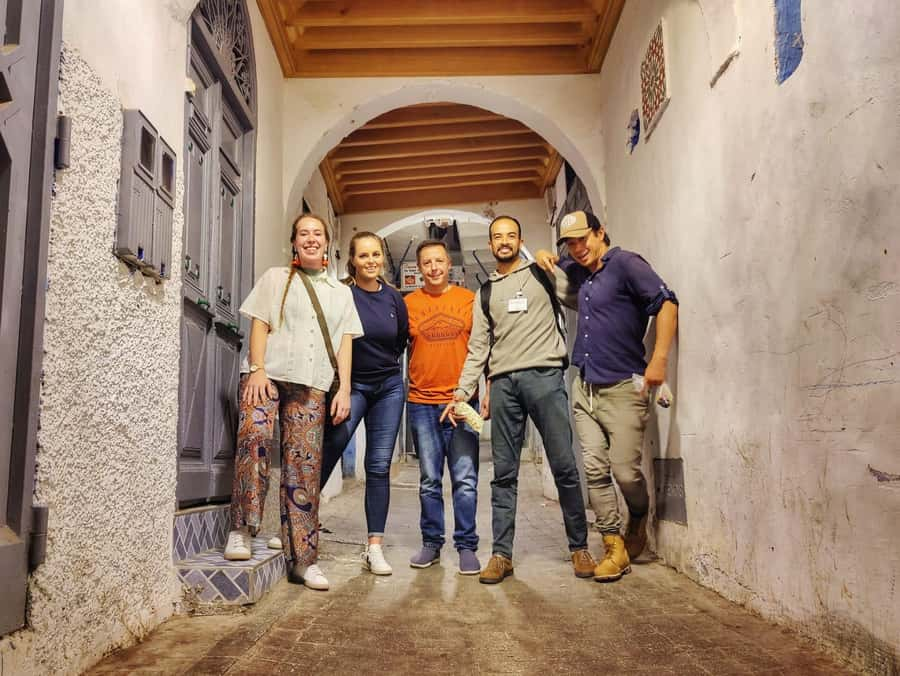
The Kasbah brings narrow alleyways, traditional architecture, and views that give the walk a strong visual side. You will have chances to take photographs, but keep your attention on the guide too. The value here is the connection between the place and the food: the streets, homes, markets, and customs make more sense when someone from the city explains them.
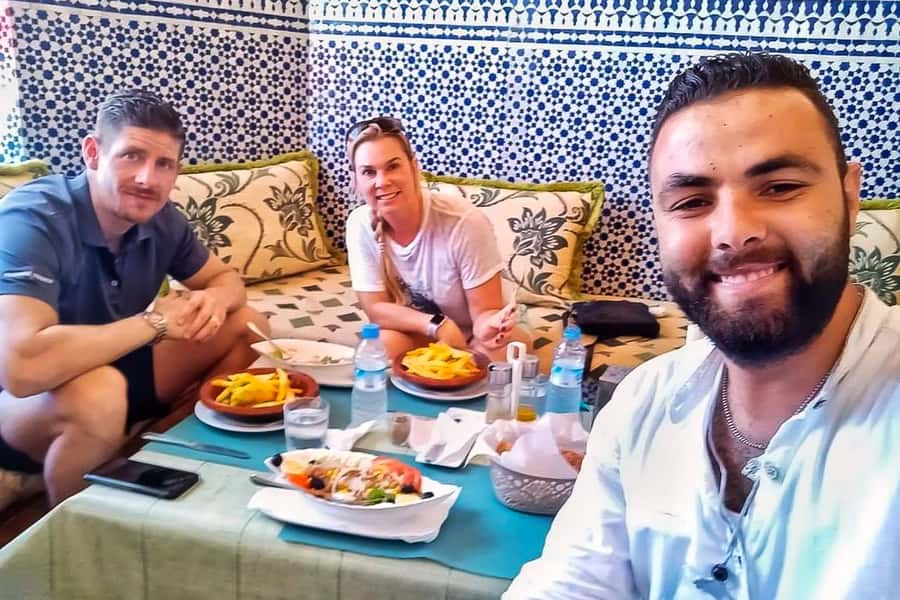
This is also where the tour’s variety becomes clear. Past food choices have included local bread, soup, olives, meat pastries, smoothies, tagine, dates, and other Moroccan specialties. You receive six tasting stops and a full meal overall, so you should expect a substantial amount of food.
That is why you should arrive on an empty stomach. The advice is not just a polite suggestion. A few early samples can quickly become a full meal, and the later dishes may be the part you most want to enjoy.
The tour is especially useful if you are unsure about Moroccan food. You can ask what contains dairy, wheat, meat, or other ingredients before eating. Vegetarian, gluten-free, and lactose-free needs can be accommodated, but tell the operator in advance rather than assuming every stall will have alternatives.
A completely different kind of day in Tangier:
- From Tangier: Cap Spartel and Hercules Cave with Camel Ride
★ 4.7 · 1,157 reviews - From Tarifa: Tangier Full-Day Trip with Lunch
★ 3.8 · 776 reviews - Tangier: Hop-On Hop-Off Sightseeing Bus
★ 4.1 · 769 reviews - From Tarifa: Tangier Day Trip with Lunch and Ferry
★ 4.3 · 631 reviews
A local café provides a slower final stop
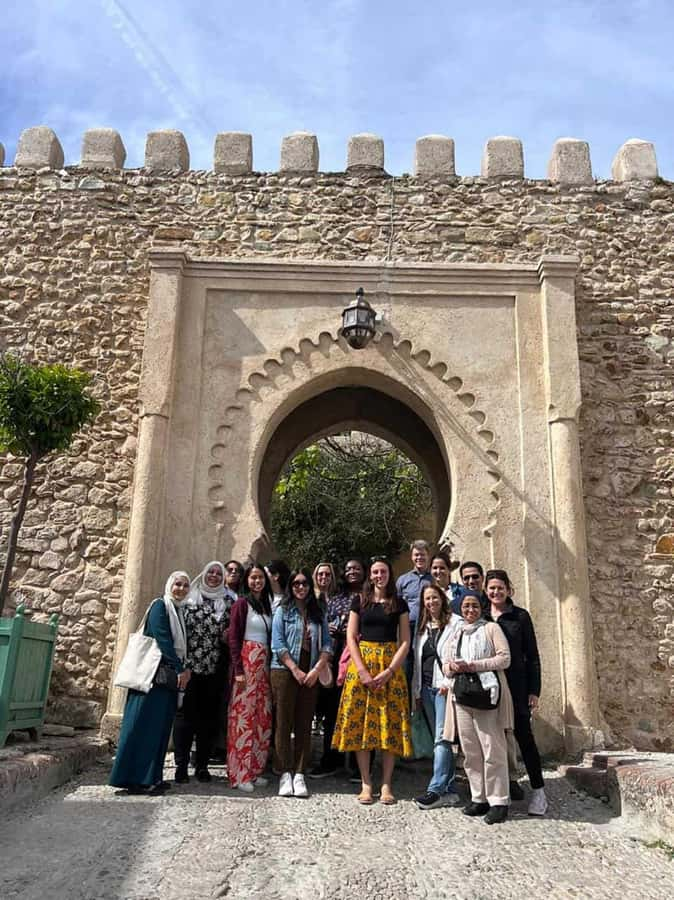
The last 30 minutes take place at a local café. This is a welcome change after walking through the old streets and sampling food at several locations.
The café stop includes a break and more conversation with your guide. It gives you a chance to ask about customs, religion, daily routines, and places to visit after the tour. Guides have been praised for explaining more than food, which is exactly what makes this stop worthwhile.
A café is also a better setting for questions you may not want to ask while standing at a market counter. You can talk about how foods are eaten at home, how recipes vary, and what to look for when you order on your own.
The tour finishes at Café Hafa. The endpoint is useful because it leaves you in a well-known Tangier setting rather than sending you back to the starting point. Transportation is not included, so plan your onward route before you begin. The tour itself is on foot.
What the guides add to the experience
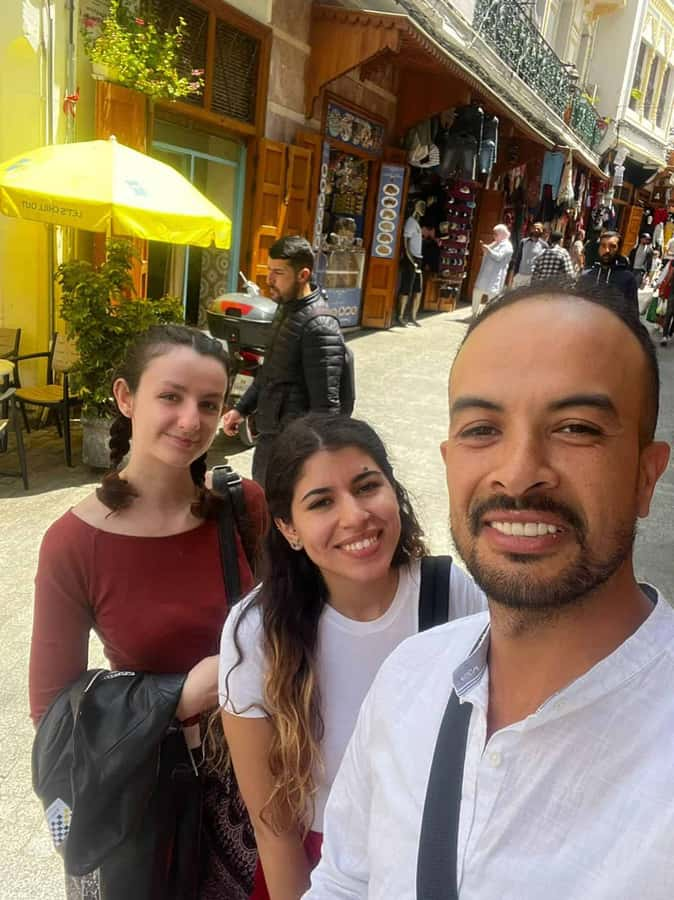
The guide is the key variable in any food walk, and this one depends heavily on that personal connection. Rabab and Rababe have been praised for being warm, flexible, and familiar with the people running the food stalls and cafés. Mohammed has been noted for his command of Medina history, local food, and regional customs.
Ismail brings a strong focus on culture and the stories behind each stop. Ahmed has led the walk at a calm pace, which is helpful if you want time to take photographs and ask questions. Anas has been described as especially proud of Tangier and eager to show the city through local favorites.
These details matter because the tour is not simply about eating food that you could find on a menu. A good guide explains where the food fits into local life and helps you approach unfamiliar places with confidence.
Guides have also adjusted dishes for personal tastes, children, and dietary restrictions. That flexibility is valuable, but it is still wise to state your needs clearly when you reserve.
Is the $73 price good value?
At $73 per person, this is not the cheapest way to eat in Tangier. You could buy individual snacks for much less. The better question is what the price includes.
You receive six tasting stops, a full meal, bottled water, an English-speaking guide, and three hours of walking through several important parts of the city. You are also paying for the guide’s local connections and explanations, not only the food itself.
For a first visit, I think the price is reasonable if you want a structured introduction and would otherwise spend time guessing where to eat. The tour can also save you from ordering unfamiliar dishes without knowing what they contain or how they are normally served.
The value is lower if you already know Tangier well or mainly want a single sit-down meal. This is an active experience with a lot of small tastings, walking, and conversation. It suits curious eaters more than people seeking a quiet restaurant afternoon.
The reserve-now, pay-later option and free cancellation up to 24 hours before the start also make planning easier. Starting times vary, so check availability for your chosen date.
Who should book this food tour?
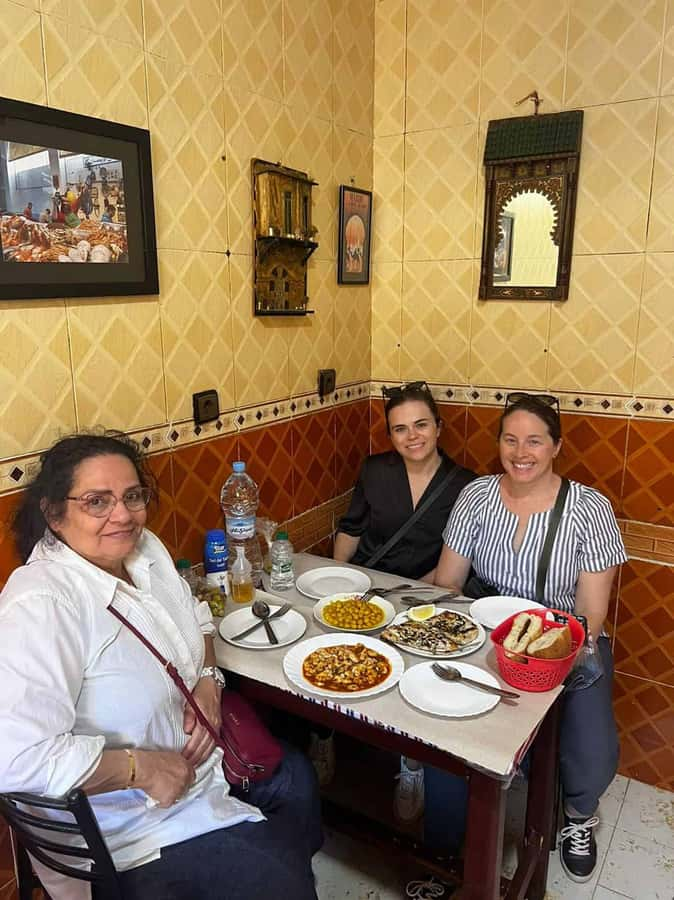
I would choose this tour for a first or second day in Tangier. It gives you a useful map of the old city, introduces foods you might otherwise miss, and leaves you with ideas for later meals.
It is a strong fit for:
- Curious eaters who want local dishes rather than tourist standards
- Families who want food, walking, and cultural context in one activity
- Visitors who enjoy markets and old streets
- People who want help with vegetarian, gluten-free, or lactose-free eating
- Anyone who likes asking questions and learning how food connects to daily life
I would think twice if you have difficulty walking on uneven streets, need wheelchair access, or dislike eating several small portions over a few hours. Pets are not allowed, and transportation is not part of the experience.
Wear comfortable shoes. You do not need special equipment, but you do need enough energy for several neighborhoods and enough appetite for the food stops.
Should you book the Tangier Food Walking Tour?
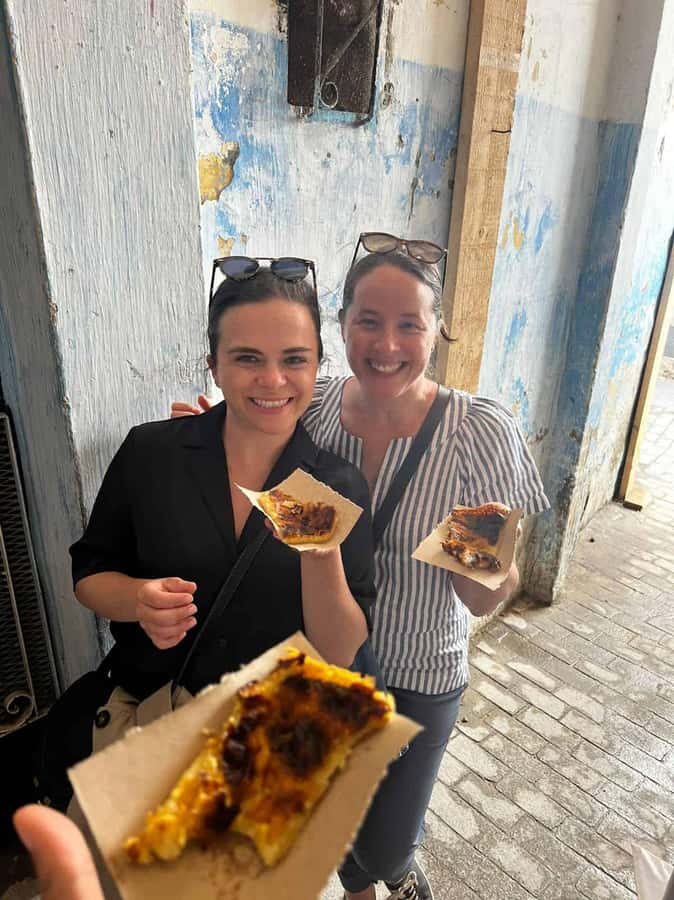
Book it if you want Tangier explained through its food, markets, and old streets rather than viewed only from major sights. The combination of six tastings, a full meal, local cafés, and guide-led stories offers more substance than a quick sampling session.
I especially recommend it early in your stay. You will learn what to order, where to shop, and how to read the city’s food culture. Just arrive hungry, state dietary needs in advance, and be realistic about the walking.
Skip it if you need a fully accessible route or prefer to control every meal yourself. For most curious eaters who can manage the old streets, though, $73 buys a generous and useful introduction to Tangier.
FAQ
How long does the Tangier Food Walking Tour last?
The tour lasts three hours. The walk includes food stops in M’Sallah, Grand Socco, and Place de la Kasbah, followed by time at a local café.
Where does the tour begin?
Meet next to the third cannon, the one in the middle, at Sour Meêgazine in Tangier, Morocco.
Where does the tour finish?
The tour finishes at Café Hafa.
What food is included?
The experience includes six tasting stops and a full meal. Foods may include caliente, stuffed dates, bissara, bread, soup, olives, meat pastries, smoothies, tagine, and other local products.
Can the tour accommodate dietary restrictions?
Yes. Vegetarian, gluten-free, and lactose-free requests can be accommodated. Tell the operator about your needs in advance.
Is the tour suitable for wheelchair users?
No. The tour is not suitable for wheelchair users or people with mobility impairments because it takes place on foot through old streets and narrow alleyways.
Just added around Tangier
- Casablanca to Tangier Day Trip By High-Speed Train and Camel Ride★ 4.5 · 30 reviews
- Casablanca to Tangier Day Trip by High-Speed Train★ 3.5 · 54 reviews
- Tangier Highlights Private 6-Hour Tour★ 4.1 · 137 reviews
- Tangier Full-Day Grand Tour★ 4.8 · 146 reviews
- Tangier: Quad Bike Adventure with Hotel Transfers★ 4.7 · 71 reviews
- Tangier: sunset, tea, camel ride, Cape Spartel and caves.★ 4.3 · 58 reviews
- Tangier: Walking Tour in The Medina With Local Guide★ 4.9 · 39 reviews
- Tarifa/Algeciras: Tangier Private Day Tour with Ferry Ticket★ 4.9 · 47 reviews
Walking Tours in Tangier, compared.

3h Private Walking Tour in Tangier Kasbah Medina & Colorful Souks
Read our review →
Walking Tangier Tour from ancient Kasba to Bustling Souks
Read our review →
Browse the lists this tour appears in