
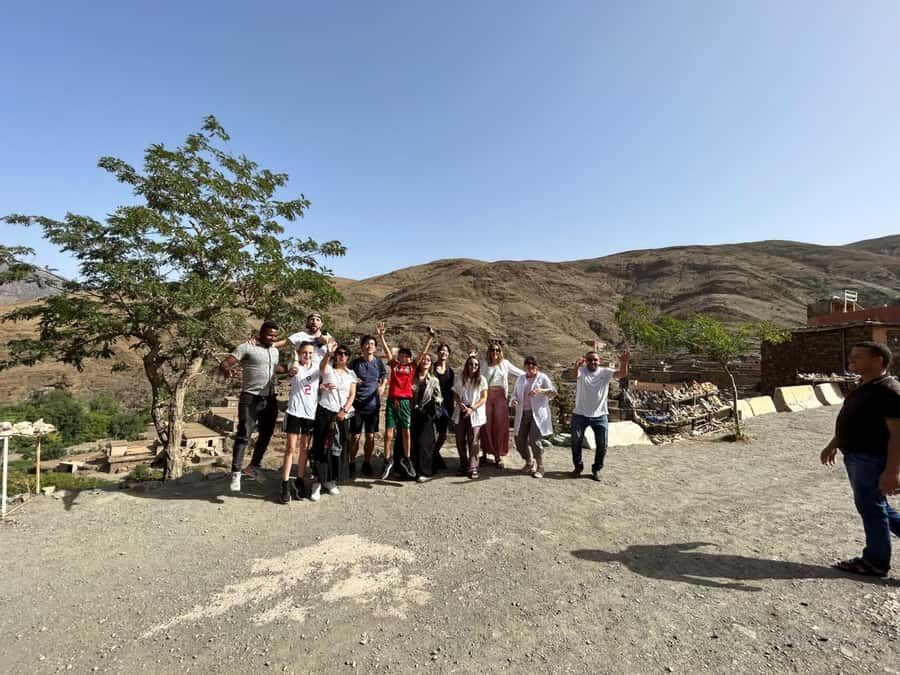
Reviewed · 3-DAY EXPERIENCES
Marrakech to Fes 3-Day Sahara Desert Tour
The best part of this trip is the way it links Morocco’s big scenery in one hard-working route: High Atlas passes, ancient kasbahs, and the Erg Chebbi dunes. You cross Tizi n’Tichka, visit Aït Ben Haddou, sleep in a desert camp, and finish in Fes without retracing your route.
I like the camel trek at sunset and the early morning return for sunrise. I also like that larger bags stay in the vehicle, so you only carry a small overnight bag into camp. The tradeoff is a lot of road time, especially the 8 to 9-hour drive from Merzouga to Fes, plus lunch stops that can feel costly and fixed.
Key points to know before booking
- Tizi n’Tichka sets the tone: You cross the highest road pass in North Africa, with photo and coffee stops along the way.
- Aït Ben Haddou is a real highlight: You get about an hour to explore this UNESCO-listed fortified village, with an optional local guide.
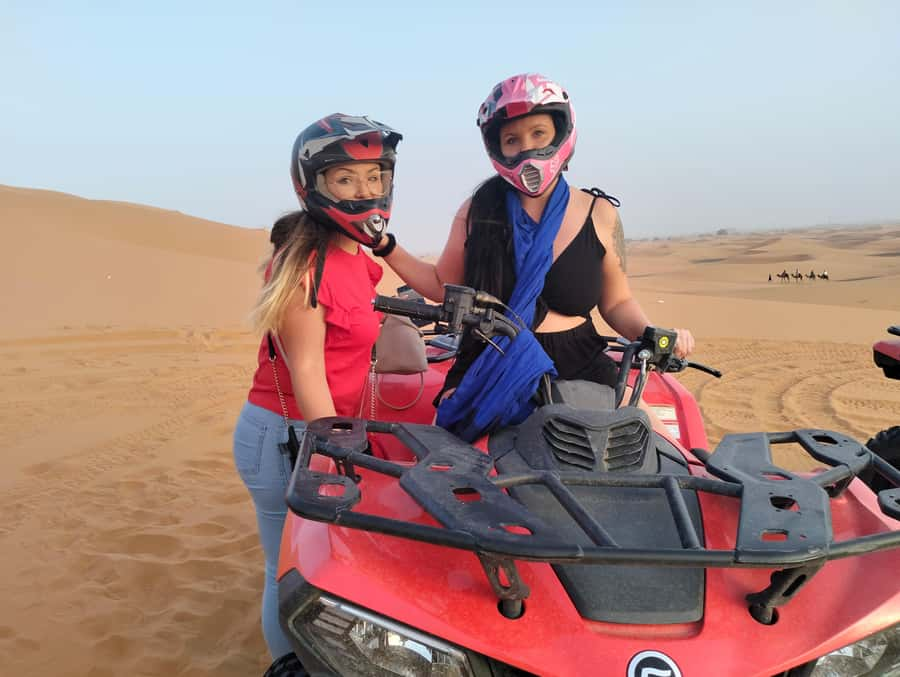
- The desert camp is the main event: Ride camels across Erg Chebbi, watch the sunset, eat dinner, and hear drum music around the fire.
- Day three is mostly transport: The route through the Ziz Valley and Middle Atlas is scenic, but the drive to Fes takes about 8 to 9 hours.
- Lunch is not included: Bring water and budget roughly 130 dirham for some arranged lunch stops.
- The small-group format helps: The minivan holds up to 17 people, and named drivers such as Youssef, Hamza, Hassan, and Oussam have been praised for being attentive.
What this Marrakech to Fes desert route really gives you
At $118 per person, this is an ambitious trip for the money. You are paying for transport across a large stretch of Morocco, two nights of accommodation, breakfasts and dinners, a camel ride, camp staff, and drop-off in Fes. It is not a leisurely desert holiday. It is a practical way to connect two major cities while seeing several of the country’s best-known sights on the way.
The route works best if you value variety over long stays. One day brings mountains and a kasbah. The next brings a canyon, villages, and desert dunes. The final day crosses the Ziz Valley and Middle Atlas before reaching Fes.
You should also understand the pace. This is a road trip with frequent stops, not a deep stay in any one valley. Some breaks are useful for photographs or coffee. Others may be at craft cooperatives or restaurants that are part of the standard route. That keeps the trip moving, but it can make the day feel organized around stops you did not choose.
More Multi-Day Tours in the Sahara Desert:
- From Marrakech: 3-Day Merzouga and Sahara Desert Tour
★ 4.9 · 15,308 reviews - From Marrakech: Merzouga 3-Day Desert Safari with Food
★ 4.7 · 12,232 reviews - 3 Days Desert Tour From Marrakech To Merzouga Dunes & Camel Trek
★ 5.0 · 10,125 reviews
Day one: Tizi n’Tichka and Aït Ben Haddou
Pickup begins early from your Marrakech hotel or riad. If you are staying inside the Medina, the vehicle cannot always reach your door, so you meet at the closest accessible point. Your exact time arrives the day before.
The first major section climbs into the High Atlas Mountains. Tizi n’Tichka is the highest road pass in North Africa, and the crossing gives you a strong sense of how quickly Morocco changes outside Marrakech. The city’s flat, busy streets give way to mountain villages, bends in the road, and broad views across the hills.
There are stops for photographs, a short break, and coffee. The exact number and length can vary, but you should expect a full morning in the vehicle. If you get carsick, sit near the front and tell your driver early. Youssef has been especially helpful in this situation, stopping at a pharmacy and moving a sick passenger to the front.
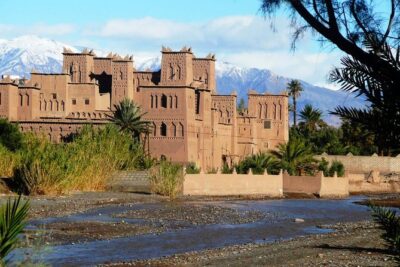
Aït Ben Haddou is the day’s most important stop. This fortified village is made of earthen buildings grouped along the old caravan route. Its fame comes partly from films such as Gladiator, Lawrence of Arabia, and Kingdom of Heaven, but the place is more than a movie set. Its walls, narrow lanes, and raised position show how homes and trade routes were protected in southern Morocco.
You have about an hour to explore. An optional local guide costs about 2 euros per person, though guide quality can vary. One guide may give you a useful introduction, while another may rely on a fixed script and struggle with detailed questions. If you want a fuller understanding of the site, ask clear questions and keep your expectations modest.
The visit is described as an outside visit, so do not expect a long museum-style tour or a detailed archaeological program. The value is in seeing the village itself and walking through its compact lanes.
Lunch follows, then the minivan continues through Ouarzazate, Kelaat M’Gouna, and the Dades Valley. Ouarzazate is a useful geographic marker on the route, while Kelaat M’Gouna is associated with the Rose Valley. By late afternoon, you reach a hotel in Dades or Tinghir.
Dinner and breakfast are included. The hotel is best viewed as a simple overnight base rather than a destination in its own right. You get a bed, a meal, and a chance to rest before another long day.
The lunch question: budget more than the tour price
Lunches and drinks are not included, and this is where the low headline price needs some adjustment. The group is often taken to arranged restaurants, and lunch can cost around 130 dirham. You may have limited freedom to choose another place, especially on the second day.
The problem is not simply the cost. Some arranged meals may be average, and one account raised serious concerns about food quality. I would carry sealed drinking water and keep snacks in your day bag. If you have dietary needs, state them at booking. A vegetarian option is available, but it is still worth reminding the driver and restaurant staff.
This is also a trip where small expenses add up. Add lunches, drinks, optional guide fees, and personal purchases to the $118 price when comparing it with longer or more private tours.
Day two: Todra Gorge and the road to Merzouga
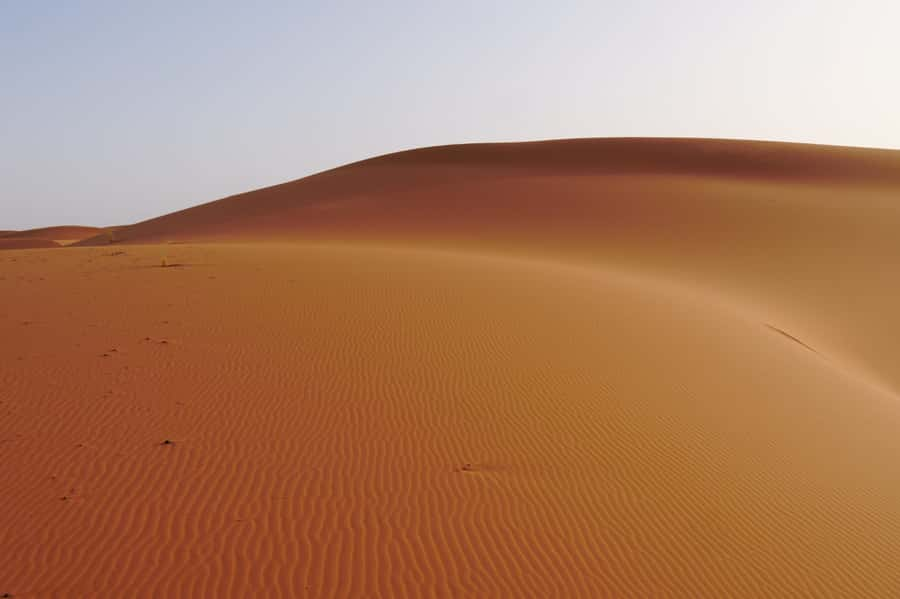
After breakfast, you leave Dades or Tinghir and head toward Merzouga. The route passes through Tinghir, Tinjdad, and Erfoud, with traditional Berber villages and increasingly dry country along the way.
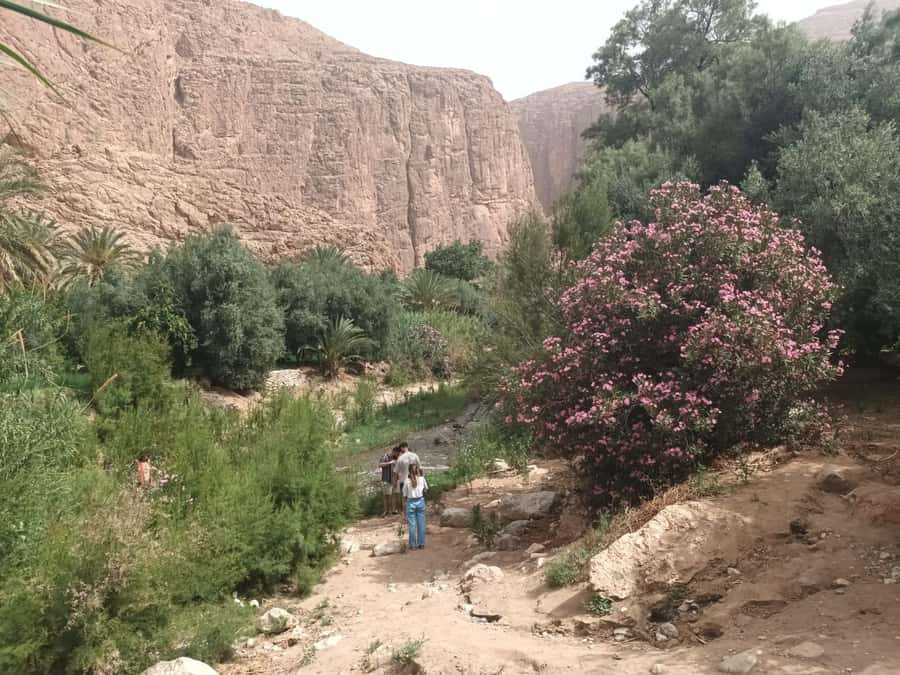
Todra Gorge is the key morning stop. The road reaches a narrow canyon with steep rock walls, and you walk through part of it with a local guide. This is a welcome change from sitting in the minivan. Wear shoes with a firm sole, since the stop involves walking rather than simply stepping out for a quick photograph.
The canyon makes the long drive easier to understand. You are not only crossing empty ground. You are moving through a series of water-shaped valleys and settlements, with the scenery changing from mountain rock to open desert.
A stop at a local cooperative is also included. You may learn about regional crafts and products, though the commercial side of these visits is clear. You do not have to buy anything. Treat the stop as a chance to see how local goods are presented, not as a required shopping session.
Beyond Erfoud, the scenery becomes more open and dry. Merzouga marks the edge of the Erg Chebbi dunes, where the sand rises in long golden ridges. You usually have a short pause to organize your belongings before the camel ride.
More Three-Day Trips in the Sahara Desert:
- 3-Day Marrakech to Merzouga Desert Tour: Camel Rides & Overnights
★ 5.0 · 8,734 reviews - 3-Day Marrakech to Fes Sahara Desert Tour via Merzouga
★ 5.0 · 6,546 reviews - Marrakech: 3-Day Merzouga Desert Experience Camel & Meals
★ 4.6 · 6,252 reviews - 3-Day Tour to Merzouga Erg Chebbi with Food & Camel Trek
★ 5.0 · 1,770 reviews
Riding camels into the Erg Chebbi dunes
Pack a small overnight bag for the camp. Your larger luggage remains in the vehicle, which is one of the smartest details in the arrangement. Take only what you need for the night, including water, warm layers, medication, and basic washing supplies. Bring your own soap, since it may not be provided.
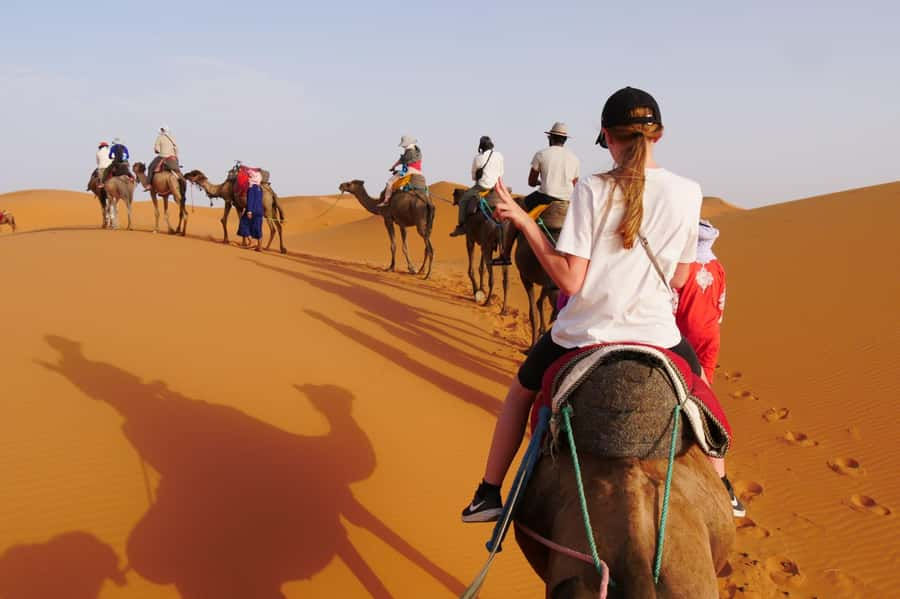
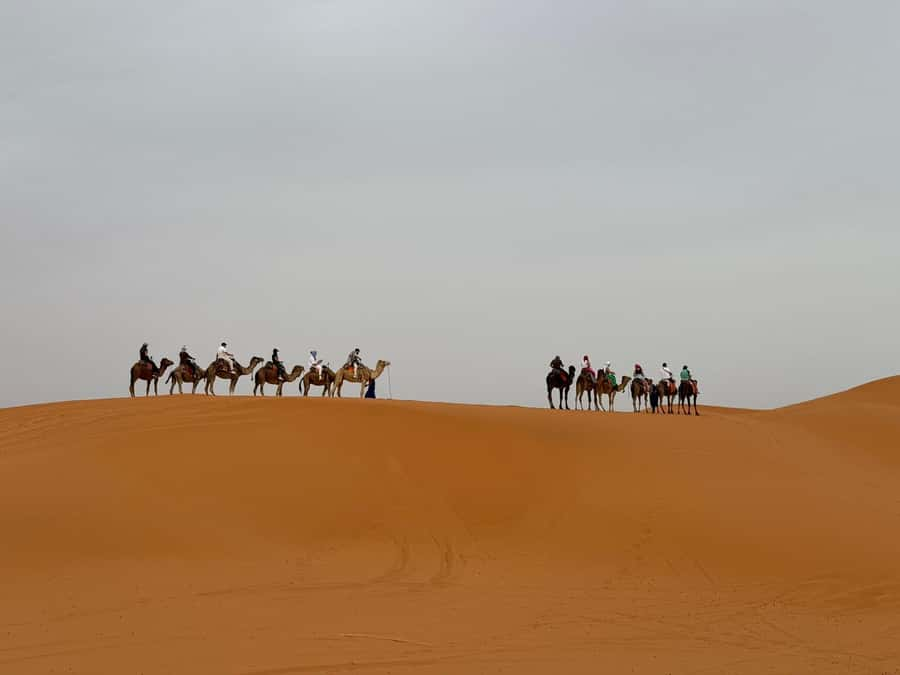
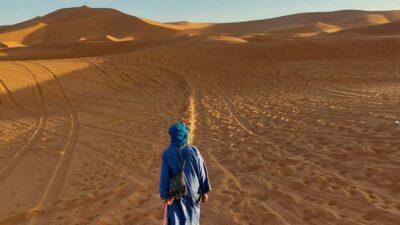
The camel trek carries you across the dunes toward camp. This is not a long wilderness expedition, but it is a memorable way to reach the tents. The most dramatic timing comes late in the day, when the sun lowers over the sand and the ridges turn gold.
Camel riding is not effortless. Mounting and dismounting can be awkward, and the animals can shift suddenly. One person was thrown while trying to get onto a camel and needed first aid for scratches. The camp handlers may provide only basic assistance, so move slowly, hold on firmly, and tell staff if you are nervous or unsteady.
The tour is not suitable for pregnant women. Anyone with balance, joint, or back concerns should also think carefully before booking, even though those conditions are not specifically listed in the restrictions.
At camp, you can walk up the dunes for a better sunset view. Dinner follows, with traditional drum music around the campfire. You sleep in Berber nomad tents, with camp staff handling the basic services. Sandboarding may be available if the camp has equipment, but it is not guaranteed.
The camp stay is the emotional center of the trip. It gives you a clear break from the road and a chance to watch the sky after dark. Comfort can vary, so do not book this expecting a fully equipped hotel. Think of it as a supported desert night with a bed, meals, tents, and a memorable setting.
Sunrise, the Ziz Valley, and the long road to Fes
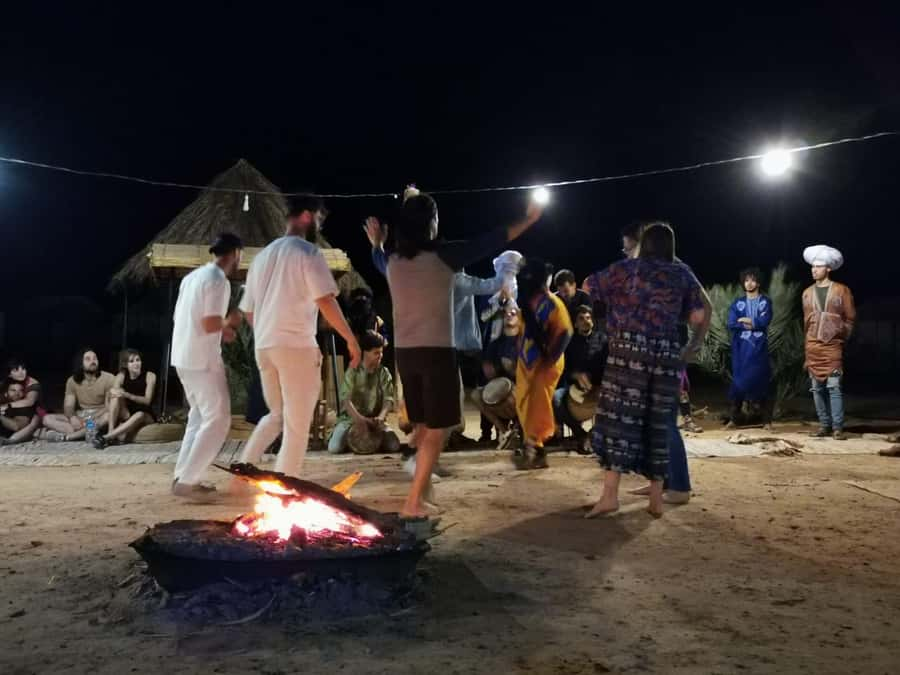
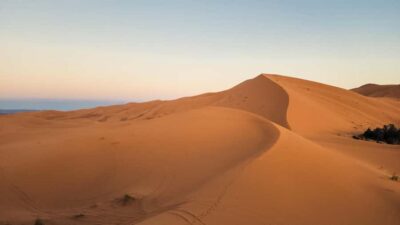
Wake before sunrise and return to the dunes. The early light is worth the lost sleep. The sand changes color as the sun rises, and the quiet morning feels very different from the campfire atmosphere of the night before.
After breakfast, you ride back to Merzouga and rejoin the minivan. The longest drive of the tour now begins. The route passes through the Ziz Valley, Errachidia, and the Middle Atlas Mountains before reaching Fes in the late afternoon.
The drive from Merzouga to Fes takes about 8 to 9 hours, depending on road conditions and stops. This is the part you need to accept before booking. The scenery helps, and the Ziz Valley provides worthwhile views, but you will spend most of the day seated.
Some drivers make this stretch far more comfortable than others. Youssef, Hamza, Hassan, and Oussam have each received strong praise for being friendly, careful, and attentive to passenger needs. Drivers are not always the same, so you should treat those names as examples rather than a promise of a particular person.
Vehicle comfort can also vary. The minivan is described as comfortable, but air-conditioning problems have occurred during transport. In warm weather, check the condition of the vehicle when you meet the group and keep water close at hand.
Drop-off is at your Fes accommodation or the nearest accessible location. As in Marrakech, a vehicle may not be able to reach every narrow street or Medina entrance.
How the small group and guide setup affect the trip
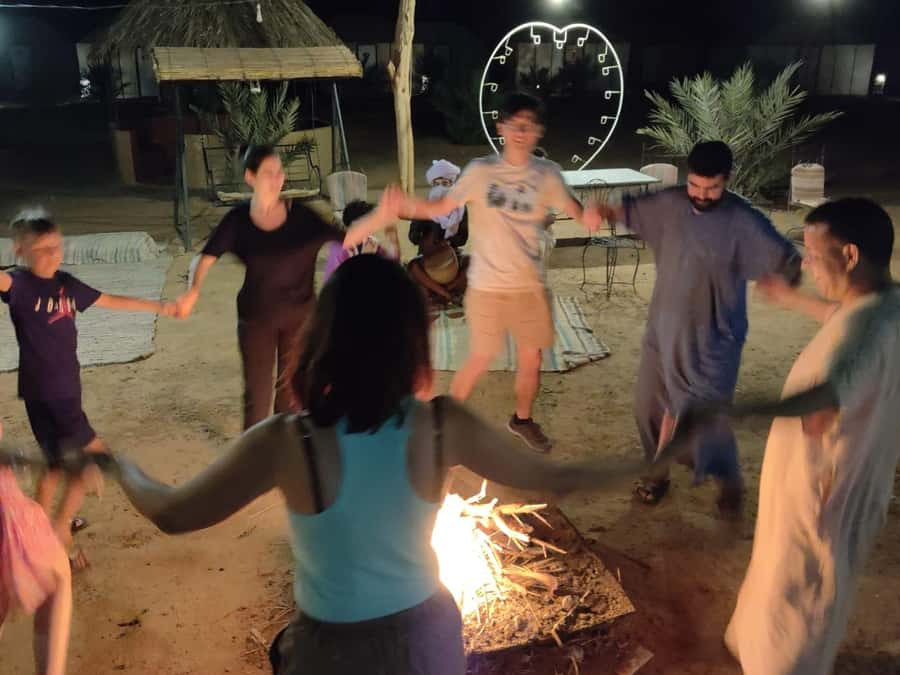
The group is limited to 17 people. That is small enough to make stops and luggage handling manageable, though it is not the same as a private tour. You may spend long stretches with people you have just met, especially during the two nights and the extended final drive.
The English-speaking driver is central to the experience. A good driver can make the road days feel easy, stop when someone feels sick, and explain what you are seeing. Several drivers have been praised for this kind of care, including helping with medication, first aid, and seating arrangements.
Local guides handle certain attractions, including Aït Ben Haddou and Todra Gorge. Their performance may be uneven. If you want detailed historical explanations, ask questions directly and consider paying the small optional guide fee at Aït Ben Haddou.
This division of roles matters. Your driver may be excellent at logistics and safety, while the person guiding a particular sight may offer only a basic introduction.
Who should book this $118 trip?
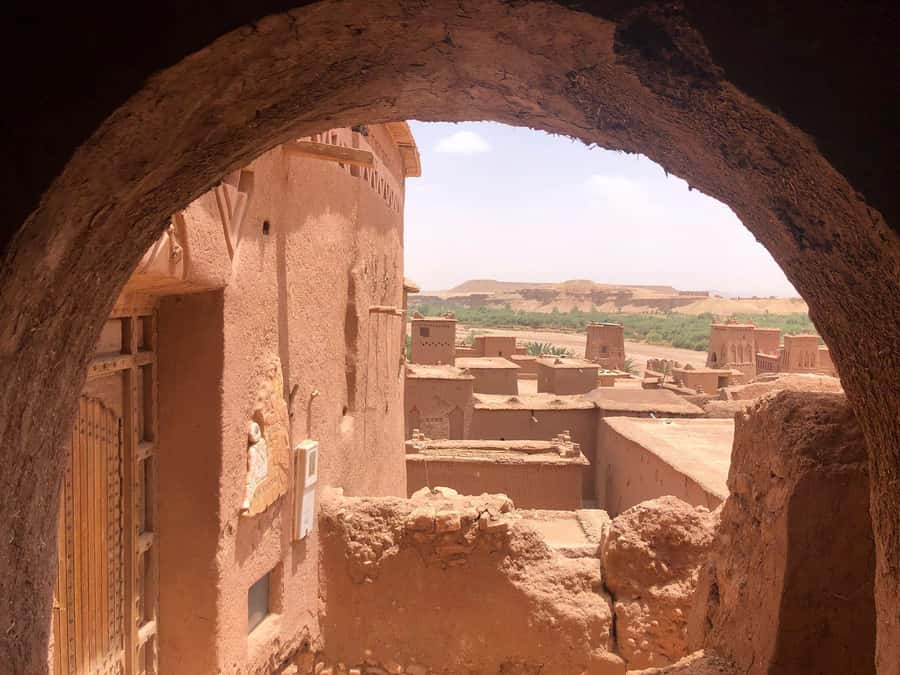
I would choose this tour if you have only a few days, want to move from Marrakech to Fes, and care most about seeing the Sahara rather than spending extra nights in each stop. The price is strong for the transport, meals, camp, camel ride, and one-way routing.
It also suits first-time visitors who want a broad introduction without arranging several separate transfers. You see major sights, sleep in two different settings, and avoid returning to Marrakech.
I would hesitate if you dislike long drives, fixed meal stops, shopping-oriented breaks, or group schedules. The final day is especially demanding. Anyone seeking quiet, comfort, or detailed cultural visits should consider a private or slower itinerary.
Should you book it?
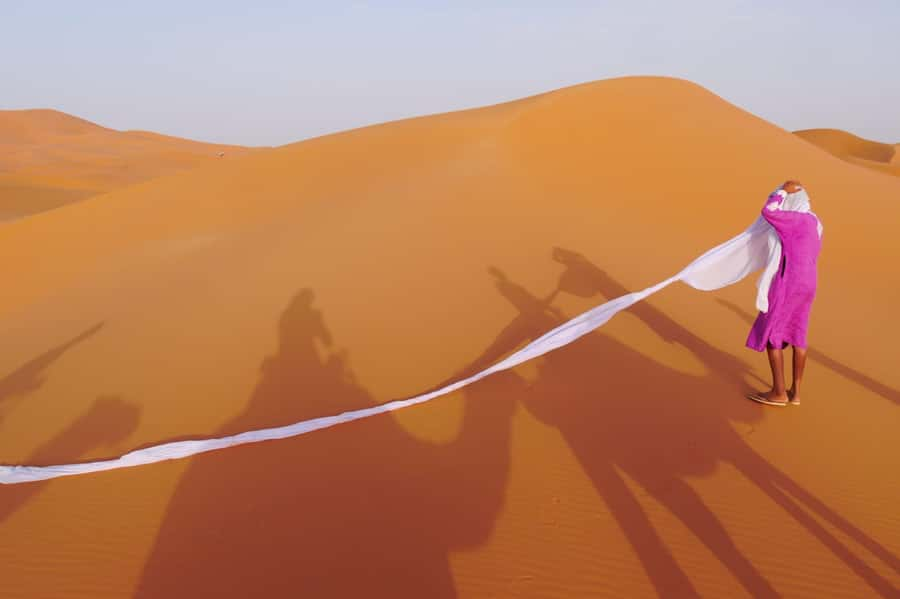
Book this trip if the desert sunrise is your priority and you accept that the Sahara comes with a lot of road time. The best parts are genuinely memorable: Aït Ben Haddou, Todra Gorge, the camel ride, sunset, campfire drums, and dawn over Erg Chebbi.
Before paying, budget for lunches and drinks, pack a small camp bag, bring soap and water, and ask for an early pickup confirmation. If you can handle the long transfer to Fes and keep your expectations realistic about guides and restaurants, $118 offers a practical and eventful way to cross southern Morocco.
FAQ
How long is the Marrakech to Fes Sahara tour?
The tour lasts 3 days. It begins with pickup in Marrakech and ends with drop-off in Fes on the third day.
What is included in the price?
The price includes Marrakech pickup, minivan transport, an English-speaking driver or guide, one hotel night in Dades or Tinghir, one night at a Berber desert camp, breakfast and dinner on both nights, the camel trek, sunset and sunrise in the dunes, camp services, and Fes drop-off.
Are lunches and drinks included?
No. Lunches, water, and other drinks are not included. Some arranged lunches cost about 130 dirham, so bring extra money and water.
Can I leave my large luggage in the vehicle?
Yes. You should pack a small overnight bag for the desert camp, while larger bags can remain in the vehicle.
Is the camel ride included?
Yes. The camel trek into the Erg Chebbi dunes is included, along with the return camel ride after sunrise.
How long is the drive from Merzouga to Fes?
The drive takes approximately 8 to 9 hours, depending on stops and road conditions.
Is sandboarding guaranteed?
No. Sandboarding is available only if the desert camp provides the equipment.
Is pickup available from a Medina riad?
Yes. Pickup is available from hotels and riads in Marrakech. If your accommodation is inside the Medina and the vehicle cannot reach it, you meet at the closest accessible point.
Just added around the Sahara Desert
- 4 Day desert trip from Fes to Marrakech and 2 night in merzouga★ 4.5 · 19 reviews
- 2 Days Sahara Group Tour Fez to Marrakech via Merzouga★ 5.0 · 49 reviews
- Private Fez to Marrakech Via Merzouga desert tour 3days★ 5.0 · 25 reviews
- shared group Fez To Fez via Merzouga Desert Tour 2 Days/ 1 Night★ 5.0 · 29 reviews
- Shared Group Fez To Marrakech via Merzouga Desert Tour 2 Days★ 5.0 · 18 reviews
- Fez to Marrakech via Merzouga Desert – 3 Day Desert Tour★ 5.0 · 120 reviews
- Fes to Fes 2 days via Merzouga desert tour★ 5.0 · 24 reviews
- 3 Days Desert Tour from Fes to Marrakech via Merzouga★ 5.0 · 24 reviews
3-Day Experiences, compared.
3-Day Tour to Merzouga Erg Chebbi with Food & Camel Trek
Read our review →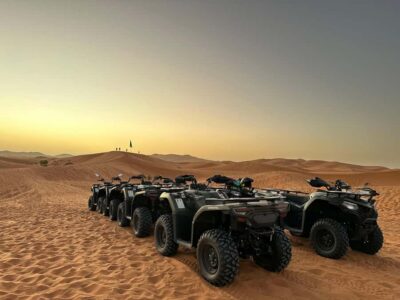
3Day Luxurious Merzouga Tour w/ Camel & Quad Option
Read our review →
Browse the lists this tour appears in