Reviewed · GUIDED
Marrakech Inviting shop around with your local guide
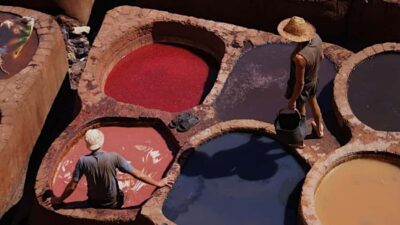
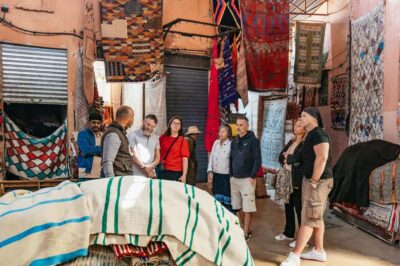
Marrakech’s souks are easier to enjoy when someone who knows every turn leads the way. This three-hour walk with local guide Abdo takes you from Jemaa el Fnaa into craft workshops and market sections that are easy to miss, including the lamp makers’ quarter, leather stalls, ironworkers, carpet sellers, and spice merchants. The useful part is not just finding shops, but knowing what you are looking at.
I like the tour’s practical side: your guide helps you compare quality, bargain without guesswork, and avoid constant approaches from stallholders. I also like the human side, with time to watch weaving, dyeing, carpentry, embroidery, ceramics, and metalwork. The main consideration is simple: this is a shopping-focused walk, not a full sightseeing tour of Marrakech, and three hours on uneven, narrow lanes can feel long in hot weather.
Key points to know before booking
- Abdo’s local knowledge: He knows the Medina’s maze and can tailor the walk to the items you want.
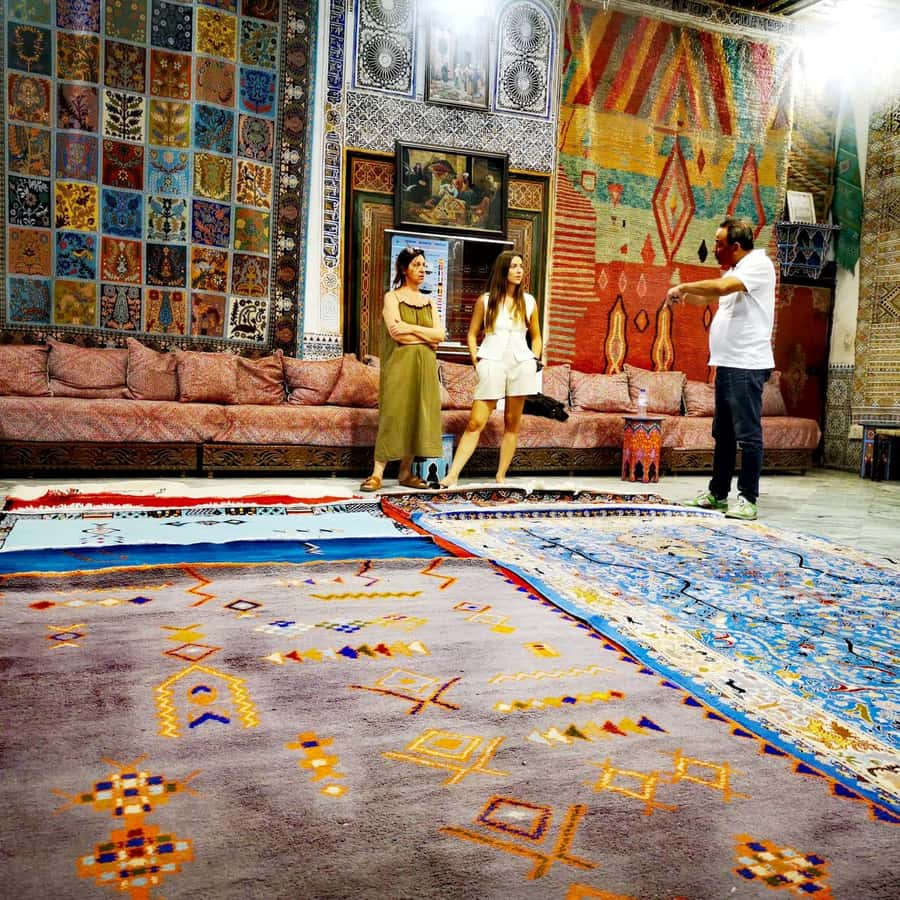
- Craft workshops, not just sales stalls: You may see leather, iron, wood, lamps, carpets, jewelry, ceramics, and textiles being made.
- Practical bargaining help: Your guide can explain prices, quality, and how to walk away from a deal that does not suit you.
- A calmer way into the souks: The guide can help you feel at ease and reduce unwanted attention from sellers.
- Good value at $25: The fee includes a three-hour guide, water, hotel or riad delivery of purchases, and DHL shipping for carpets and lamps.
- A flexible route: The itinerary can change around your interests, from decoration shopping to spices, clothing, jewelry, or small souvenirs.
Why a guide helps in Marrakech’s souks
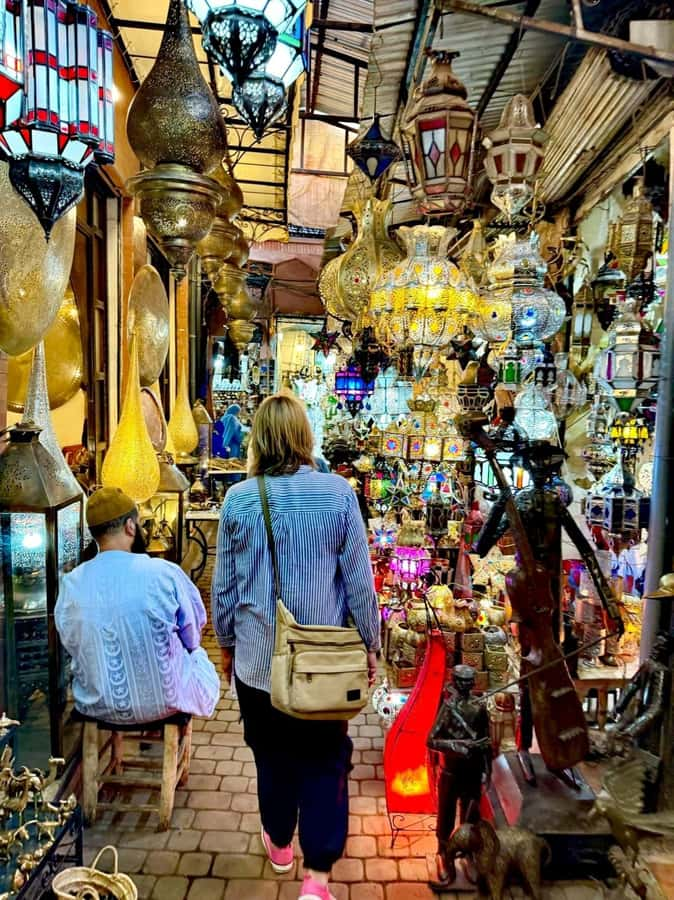
The Medina is a working market, a craft district, and a place for daily shopping. Its lanes twist around one another, and each section has its own trade. Without a guide, you may see a lot of attractive goods but miss the workshops where those goods begin.
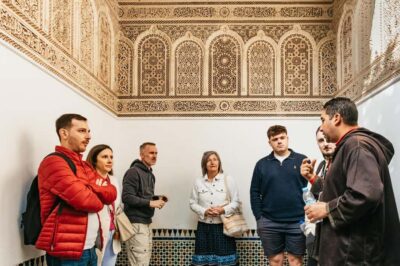
That is where this tour earns its fee. Abdo and the other listed guides do more than point out shops. They explain how materials are cut, woven, dyed, shaped, embroidered, dried, packed, or carved. You get a better sense of why two leather bags, rugs, lamps, or pieces of pottery may look similar but differ in finish and price.
I also see value in having a local person beside you when it is time to buy. Bargaining is part of shopping here, but it is easier when you understand what a reasonable price might be and when you can leave without feeling pressured. The guide can communicate with sellers and help you focus on the purchase rather than the sales pitch.
Several people who booked with Abdo also found his manner reassuring in the crowded lanes. That matters if this is your first visit to Marrakech, or if you are traveling with children or family members who do not enjoy being approached by every shopkeeper.
A few more Marrakech days worth comparing
- Marrakech: Quad Bike Tour to Palm Oasis and Jbilat Desert
★ 4.8 · 11,831 reviews - Marrakesh: Majorelle Garden Entry Tickets
★ 4.5 · 9,651 reviews - Marrakech Quad Bike Experience: Desert and Palmeraie
★ 4.5 · 9,509 reviews
Meeting near Argana and entering the Medina
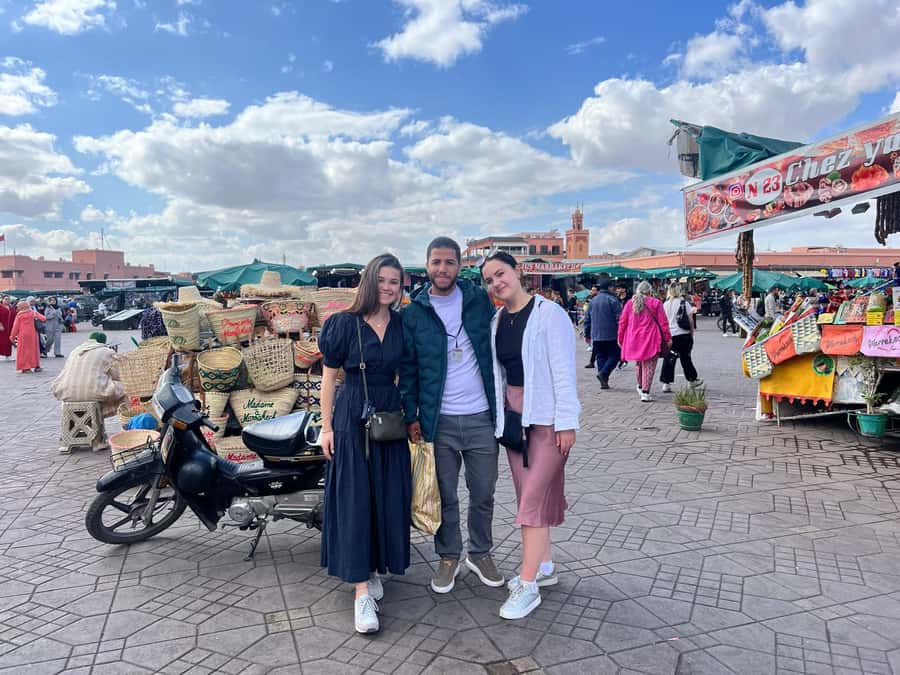
The meeting point is near the S-Cream model in front of Argana Café Restaurant. The guide is meant to arrive five minutes early, wearing a white hat and carrying a professional tour guide card. That description should make the first meeting straightforward, but I would still arrive with the meeting details open on your phone.
Argana sits beside Jemaa el Fnaa, so the tour begins in one of the city’s best-known public spaces. You will start with a walk and orientation before moving into the narrower market lanes. This is a useful place to ask for a change of plan. If you are hunting for a particular lamp, piece of jewelry, carpet, or type of clothing, say so early.
The guide speaks English, French, Arabic, German, and Dutch. Actual language availability can depend on the guide assigned to your booking, so choose carefully when making your reservation if language is important.
There is no transport included. You meet and finish at Argana, and the tour takes place on foot. Wear comfortable clothing and shoes, carry cash as well as a credit card, and bring water even though one bottle is included.
Jemaa el Fnaa: orientation before the shopping
Jemaa el Fnaa is the natural starting point for a souk walk. It gives you a broad sense of where you are before the route narrows into the Medina. The square itself is not the main shopping stop, but it helps set the scene for Marrakech’s public life and the maze that begins around it.
Your guide can explain the surrounding streets, the way the market is divided, and how to move through the lanes without losing your sense of direction. This early orientation is valuable because the souks can feel confusing even after you have walked them once.
Do not expect a long formal lecture here. The strength of the tour is conversation while walking. You can ask about Moroccan customs, local food, city history, and the role of the market in daily life. The guide can also point out places to return to later, including food stops and shops suited to your interests.
Souk Haddadine and the lantern makers
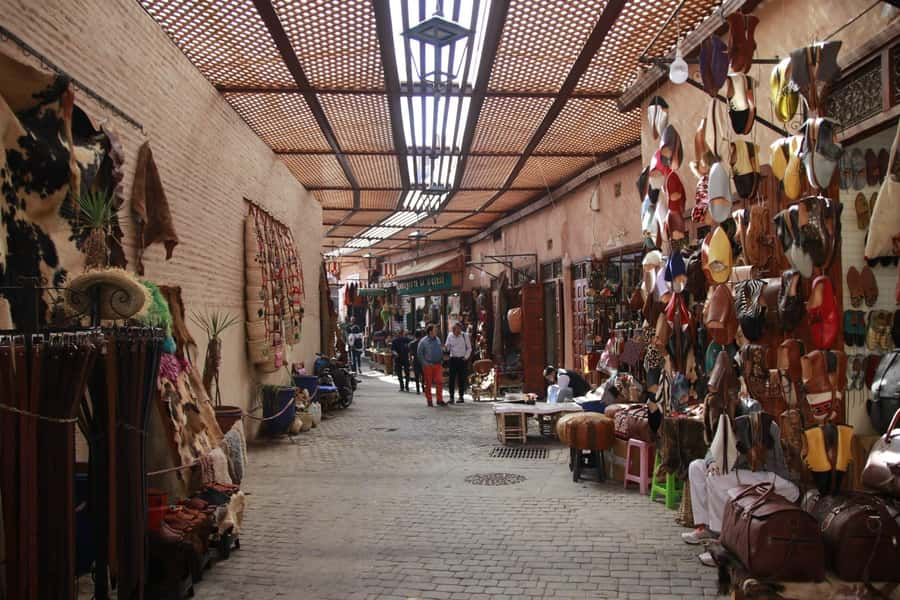
Souk Haddadine is the metalworking section, best known for lampshades and lanterns. This is one of the more memorable stops because you are not only looking at finished pieces. You may see the work behind them and learn how metal is cut, shaped, punched, and assembled.
The lamps are beautiful, but this is also where practical advice matters. Ask about the material, finish, electrical fittings, packing, and shipping before you buy. The tour includes free DHL shipping for carpets and lamps, according to the activity details, which is useful if you are considering a larger or delicate piece.
There is a catch: market lighting and shop displays can make colors and metal finishes look different from how they appear at home. Take your time, inspect the item closely, and ask the guide to help you compare several examples rather than buying the first attractive lamp you see.
A completely different kind of day in Marrakech:
- Marrakech: Balloon Flight, Berber Breakfast & Certificate
★ 4.8 · 8,164 reviews - Marrakesh: Desert & Mountain Tour with Camel Ride & Lunch
★ 4.8 · 7,513 reviews - Marrakesh: Early Morning 40-Minute Balloon Flight
★ 4.8 · 6,533 reviews - Marrakech: Majorelle Garden, YSL, and Berber Museum Entry
★ 4.6 · 5,168 reviews
Rahba Kedima and the market’s everyday color
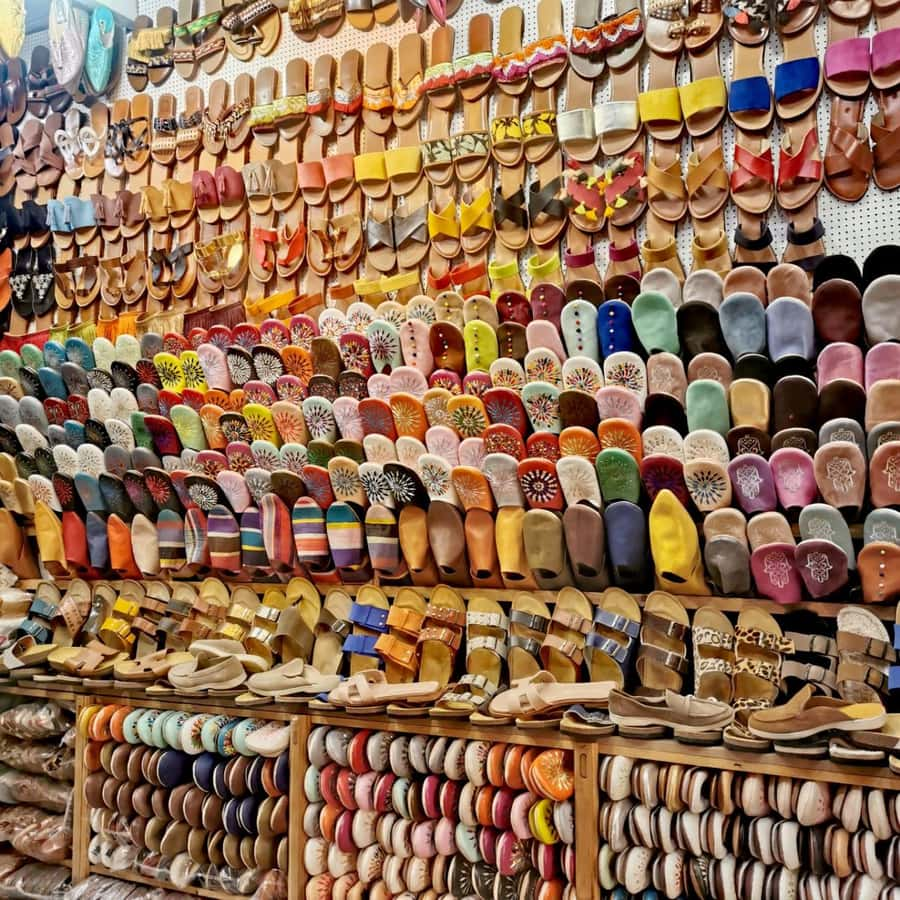
Rahba Kedima is a historic market area with stalls selling spices, herbs, cosmetics, baskets, and other goods. The itinerary lists time here for visiting, walking, and shopping, so this is a good section for smaller purchases and photographs.
You might find yourself looking at colorful spices, olives, woven items, or traditional products whose names and uses are unfamiliar. Ask before buying cosmetics or food products if you have allergies or special requirements. The guide can help explain what an item is, but you should still check ingredients and packaging yourself.
This is also a good place to practice the tour’s bargaining advice. Start with a clear idea of what you want, compare more than one stall, and do not feel obliged to buy because you asked a question. A guide can make that process less awkward, especially if you are not used to negotiating.
Ben Youssef area and the quieter craft lanes
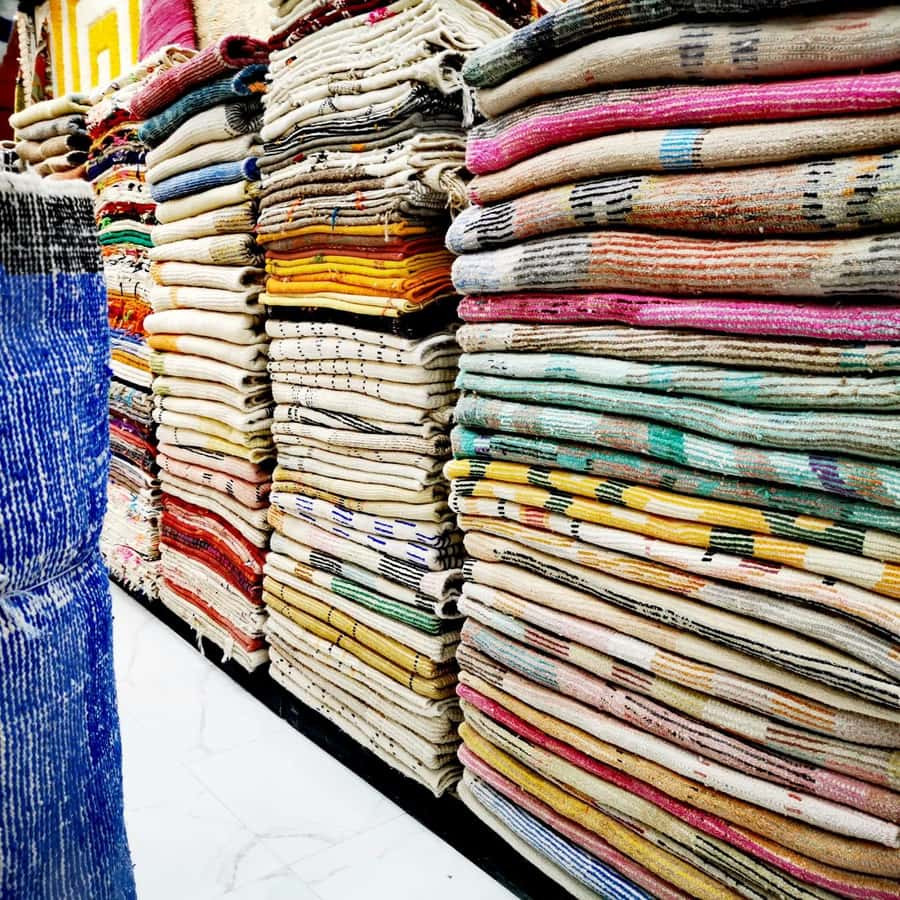
The walk continues toward the Ben Youssef Mosque area. This part of the route links the shopping experience with Marrakech’s older religious and architectural setting. The activity does not promise an interior visit to the mosque, so treat this as a walking and shopping stop rather than a mosque tour.
The lanes around this area can lead you away from the most obvious shopping streets. That is one of the tour’s strongest features. Abdo has been praised for taking people into parts of the souks they would not have found alone, including workshops where the goods are made for local use as well as for visitors.
You may see leatherworkers, woodworkers, embroiderers, weavers, or ceramic makers, depending on the route and the day. The work can be hands-on and practical rather than arranged as a formal demonstration. That gives you a better view of the skill involved, but it also means the exact workshop stops can vary.
Le Jardin Secret and the final stretch
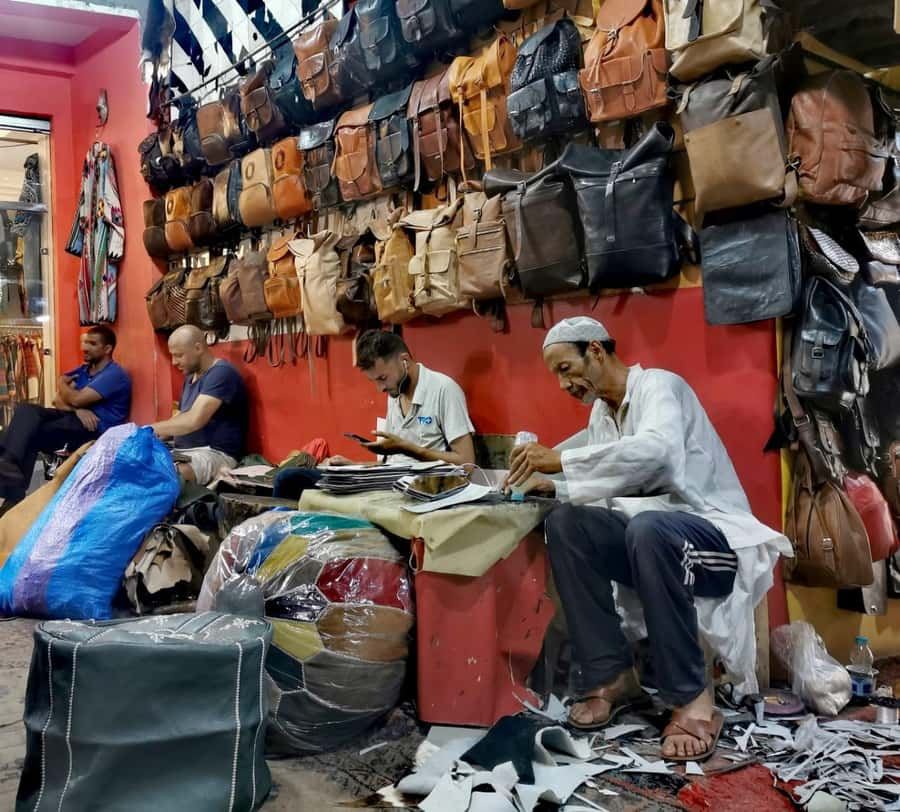
Le Jardin Secret is listed as a photo stop with time for walking and shopping. The garden itself is not described as a full included visit, so confirm with your guide what your stop covers if seeing the gardens is important to you.
This part of the route can provide a change of pace after the tight lanes. It is also a useful point for final purchases or photographs before returning to Argana. Because the route can adapt to your needs, you may spend more time here, visit another shop, or shorten a stop if your shopping list has already been handled.
The walk returns to Argana rather than leaving you at a hotel or a different neighborhood. That makes the end easy to plan, especially if you have an afternoon meal, a museum visit, or a taxi connection afterward.
What you can buy, and how the guide helps
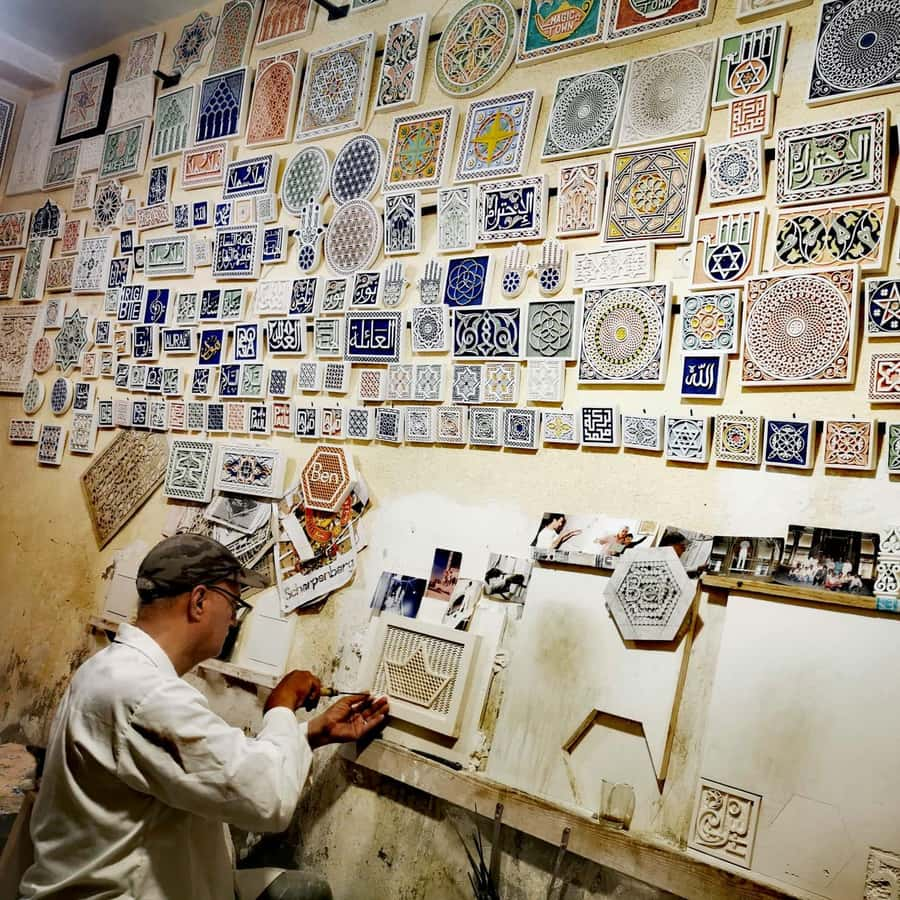
The tour covers a wide range of Moroccan crafts:
- Leather goods
- Ironwork and lanterns
- Woodwork
- Carpets
- Jewelry
- Ceramics
- Embroidery and woven textiles
- Spices and olives
- Clothing and small souvenirs
The best approach is to decide what you care about before you meet the guide. You do not need a fixed shopping list, but a few priorities help. Tell the guide if you want decoration for a home, a small gift, a carpet, a piece of jewelry, or something easy to pack.
The shopping support is especially useful for quality checks. You can ask about stitching, leather finish, weight, weaving, color, handmade details, and whether an item is suitable for shipping. The guide may also help arrange delivery to your hotel or riad, which is included at no extra charge according to the activity details.
One point needs care: the tour offers help in trustworthy stores, but no guide can guarantee that every purchase will suit your taste or budget. You remain responsible for checking the item, agreeing on the final price, and confirming delivery arrangements before leaving the shop.
Bargaining without losing the fun
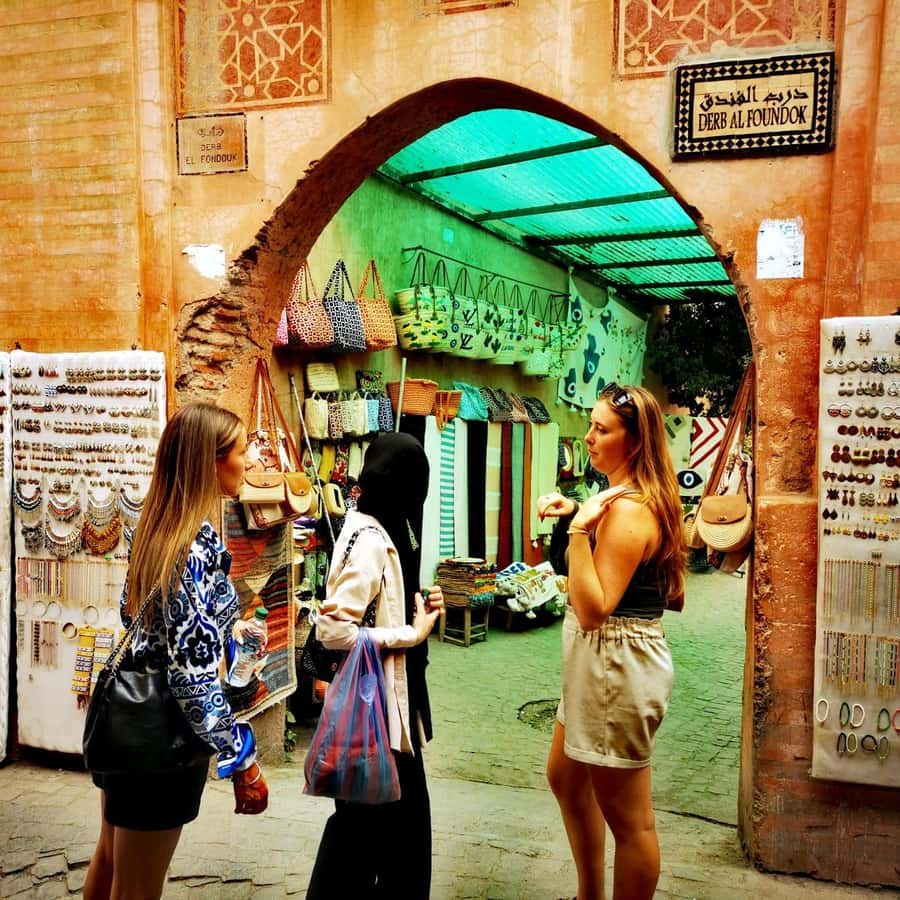
Bargaining can be enjoyable when you treat it as a conversation rather than a contest. The guide can show you how to compare prices, when to make an offer, and when to walk away. That is valuable if you are worried about paying too much or feel uncomfortable with fast sales talk.
I would not expect every purchase to be dramatically cheaper because a guide is present. The real benefit is better judgment. You are less likely to buy poor-quality goods simply because the shop is attractive, and you have someone who can explain what you are paying for.
A good rule is to agree on the item, the total price, and any delivery or shipping details before handing over money. For custom work, ask about size, color, timing, and where the finished item will be sent. The guide can help communicate, but you should make sure you understand the arrangement.
The strongest part of the experience is that shopping is not forced. The tour is designed around buying, but you can walk, photograph the lanes, watch artisans, and ask questions without purchasing anything at every stop.
Is $25 good value?
At $25 per person, this is a low-cost way to get three hours of local help in a difficult place to navigate. The fee includes a licensed bilingual guide, a bottle of water, delivery of goods to your hotel or riad, and DHL shipping for carpets and lamps.
The value depends on how you use it. If you only want to wander for thirty minutes and buy a single postcard, the tour may be more than you need. If you plan to shop for several items, want to see workshops, or feel uneasy about bargaining, the price is easier to justify.
It may also save time. Instead of walking into random stalls and trying to compare everything yourself, you can explain your goals and follow a route shaped around them. That does not promise the lowest price in Marrakech, but it can lead you to better-suited shops and more informed purchases.
Food and drinks are not included, and you arrange your own transport to and from the meeting point. Some people have enjoyed mint tea or coffee during the walk, but that is not listed as a guaranteed inclusion, so budget separately for any refreshments.
Who will enjoy this tour most?
I would recommend it to first-time visitors who want to shop but do not want to face the Medina alone. It also suits anyone interested in how Moroccan goods are made, not just in taking finished products home.
Families can benefit from the guide’s patience and ability to keep the walk flexible. The tour is also wheelchair accessible, though narrow lanes and market surfaces may still make movement more demanding in places. Ask the provider about your specific mobility needs before booking.
The tour works well for shoppers with a clear goal. People have used the time to find jewelry, clothes, spices, cosmetics, shoes, lamps, carpets, and wall decoration. It also suits people who are browsing without a plan, provided they are comfortable spending part of the three hours in shops.
It is less suitable if you want a quiet museum-style tour, a food tour, or a broad survey of all Marrakech sights. The focus stays on the souks, their crafts, their sellers, and the culture around shopping.
Practical advice for making the most of three hours
Tell the guide your priorities at the start. If you want lamps and carpets, do not spend too much early time on souvenirs. If your main aim is photography and craft production, say that you would rather see workshops than shop at every stop.
Bring cash for smaller purchases, but keep your credit card available for larger transactions if a shop accepts it. Wear shoes you can walk in and clothing that keeps you comfortable in warm conditions. The lanes are narrow, so a small bag is easier than a large daypack.
Keep your receipts and delivery details. If a purchase is sent to your riad or hotel, confirm the name, address, phone number, and expected arrival time. The activity includes free delivery of goods to hotels or riads, but careful details still matter.
The tour allows free cancellation up to 24 hours in advance and offers reserve-now, pay-later booking. Starting times vary, so check availability before choosing a slot. The route is adaptable, which is helpful, but it also means the exact order and workshop stops may change.
Should you book this Marrakech souk tour?
Book it if you want the souks to feel less confusing and more meaningful. At $25, the combination of navigation, cultural explanation, bargaining help, and craft workshops is strong value, particularly for a first visit.
I would choose it before a shopping trip rather than after one. The guide can help you learn what to look for before you spend money, and the flexible route means you can shape the walk around your own list.
Skip it if you prefer to browse privately, dislike shop visits, or want a tour centered on palaces, gardens, or major monuments. For everyone else, especially anyone hoping to buy a carpet, lamp, leather item, jewelry, or Moroccan decoration, this is a practical introduction to the Medina with a friendly local guide at your side.
FAQ
Where does the tour meet?
Meet near the S-Cream model in front of Argana Café Restaurant. The guide is expected to arrive five minutes early, wearing a white hat and carrying a professional tour guide card.
How long does the tour last?
The tour lasts three hours. Starting times vary, so you need to check availability when booking.
Which languages are available?
The listed tour languages are German, Dutch, English, French, and Arabic.
What places are included in the walking route?
The route begins at Argana and includes Jemaa el Fnaa, Souk Haddadine, Rahba Kedima, the Ben Youssef Mosque area, and Le Jardin Secret before returning to Argana.
Can the itinerary be changed?
Yes. The itinerary is adaptable to your needs, so you can tell the guide what products, workshops, or parts of the souk matter most to you.
Is shipping available for purchases?
Free delivery to hotels or riads is included. Free DHL shipping is listed for carpets and lamps.
What should I bring?
Bring cash, a credit card, and comfortable clothing. One bottle of water is included, while food and other drinks are not.
Just added around Marrakech
- Quad in the Palmeraie of Marrakech★ 5.0 · 41 reviews
- Marrakech Desert Camel Ride★ 5.0 · 17 reviews
- Sunset Camel Ride in the Palm Grove Of Marrakech★ 5.0 · 34 reviews
- Private Airport Transfer from or to Marrakech Menara Airport.★ 4.5 · 63 reviews
- Marrakech The History and Culture Day Trip★ 4.5 · 45 reviews
- Marrakech: Tailor-Made City Tour With Your Own Private Guide★ 4.9 · 236 reviews
- Marrakech palm grove: Sunset camel ride★ 4.8 · 194 reviews
- Sparkling Marrakech through the eyes of your local Guide★ 4.7 · 247 reviews
Guided, compared.
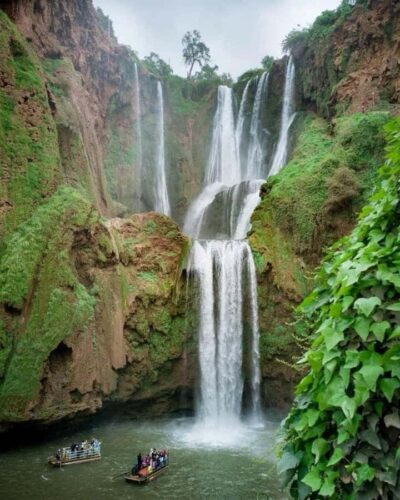
Ourika Waterfalls, Atlas Mountains, Guide + Lunch
Read our review →

Small group Ouzoud Waterfall Guided Tour Boat Ride from Marrakech
Read our review →