
Reviewed · DESERT CAMPS
Marrakech: 4D Desert to Merzouga w/ 2 nights in the desert
The best part of this four-day journey is the change in scenery. In a few long drives, you go from Marrakech and the Atlas Mountains to red kasbahs, palm-filled valleys, narrow gorges, and the Sahara dunes of Erg Chebbi. The sunset camel ride is the main event, followed by dinner and a night under canvas.
I like the visit to Ait Ben Haddou, one of Morocco’s most striking fortified villages, and the extra time around Merzouga. That additional desert night gives you room for a second camel ride, a possible nomad visit, sandboarding, or quad biking instead of rushing straight back to Marrakech. The drawback is the transport: the last day is a long haul, lunch stops can be expensive, and the standard itinerary is not always explained clearly.
Key points to know
- Ait Ben Haddou is included, but a local guide costs extra and may not be necessary for every visitor.
- The camel trek includes sunset and sunrise rides in the Erg Chebbi dunes.
- The extra desert night adds breathing room, though the day can be quiet if you do not pay for optional activities.
- Expect long minibus rides, including a demanding return to Marrakech that can end around 8:30 p.m.
- Lunches and drinks are not included, and tourist-oriented stops may charge about 120 to 150 MAD for a meal.
- Pack for both heat and cold, with water, snacks, a power bank, a scarf or head covering, and warm clothes for the desert night.
From Marrakech to the Sahara in Four Long Days
At $234 per person, this trip gives you a lot of Morocco for the price: transport, three nights of accommodation, dinners and breakfasts at the overnight stays, the camel trek, and drop-off in Marrakech or Fez.
The price is good if you want to see the desert without arranging several hotels, transfers, and a separate camel camp. It is less attractive if you dislike sitting in a minibus for hours or prefer to set your own pace. This is a sightseeing circuit, not a slow desert retreat.
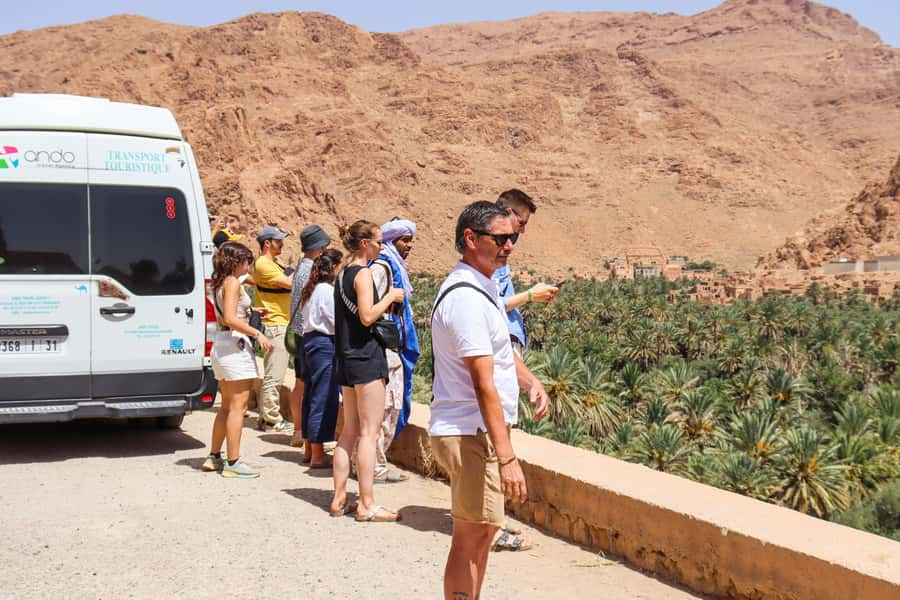
Transport is by an air-conditioned minibus with up to 17 seats. That matters because the roads between Marrakech and Merzouga cover a great distance. Even with air conditioning, you should expect tiring stretches, winding mountain roads, and several stops rather than a quick transfer.
The tour includes an English or French-speaking driver and guide service, but the level of guiding can vary. Drivers named Haj, Rarhib, Abderrahman Abbassi, Mohammed, and Kiki have been praised for being kind, funny, or helpful. Still, do not assume that every stop comes with a full guided visit. Ait Ben Haddou, in particular, is mainly free time unless you hire a local guide.
More Desert Camps in the Sahara Desert
- From Fez: Sahara Desert 2-Day Tour with Merzouga Camp Stay
★ 4.8 · 1,716 reviews - Marrakech: 3-Day Desert Trip to Merzouga with Luxury Camp
★ 4.7 · 887 reviews - From Fes: 2-Day Merzouga Desert Trip w/Luxury Tent & Dinner
★ 4.7 · 844 reviews
Day One: Ait Ben Haddou and the Road to Dades
Your first day takes you from Marrakech across or around the Atlas Mountains toward Ouarzazate and the Dades Valley. It is a full day on the road, but the reward is a quick lesson in how sharply Morocco changes outside Marrakech.
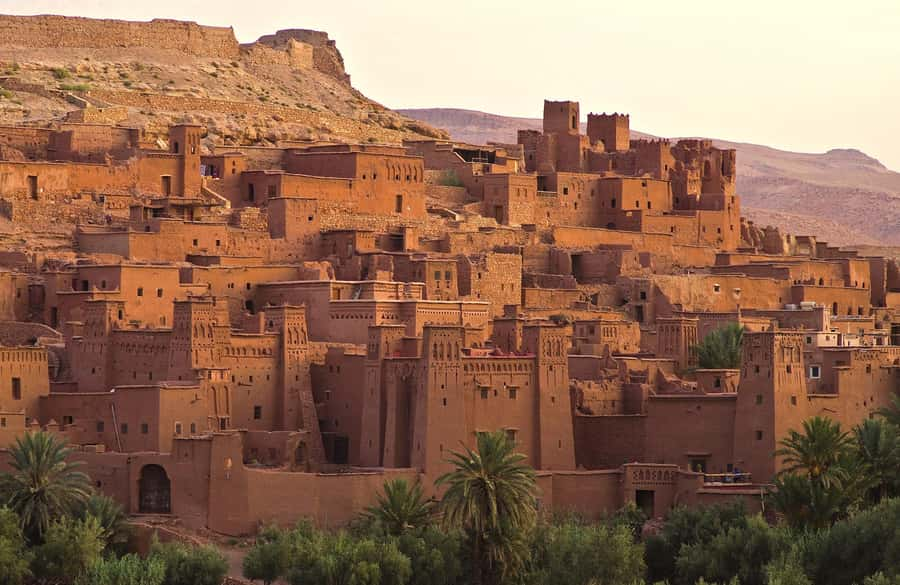
Ait Ben Haddou is the star stop. The fortified village is made of earthen buildings grouped on a rise, with narrow passages and views across the surrounding country. It is also a famous film setting, so you may recognize its walls from films and television. The appeal is not only the screen connection. The old village gives you a clear picture of southern Morocco’s defensive architecture and traditional building methods.
You generally have free time to walk through the kasbah. A local guide can be hired for about €2, but that cost should be clear before you start. A guide may help explain the village, yet you should also be able to explore at your own pace and take photographs.
One warning is worth taking seriously: a guided visit can become too focused on shops if expectations are not set in advance. Ask your driver what is included, how long you have, and if the guide fee is optional before entering. If you want quiet time for photographs, say so clearly.
The route continues to Ouarzazate, whose name is often translated as noises or without noise, depending on the explanation given. You have free time to buy lunch, but lunch is not included. Some stops used on this route serve meals at tourist prices, so bring snacks and water if you want a cheaper and more flexible day.
The overnight stay is at a kasbah-style hotel in the Dades area, described as Kasbah Amazigh or, in one arrangement, Kasbah La Porte du Dadès. Expect a private room with an en-suite bathroom, dinner, and breakfast. The hotel has been described as comfortable, with a buffet dinner and a good sunset setting. Facilities can vary, though. Weak shower pressure and occasional pool maintenance have been reported, so think of this as a pleasant road-trip hotel, not a luxury resort.
Day Two: Todra Gorge and the Gateway to Erg Chebbi
The second day follows the road sometimes called the Road of 1001 Kasbahs. The route runs through oasis country, where palms and cultivated strips of green contrast with dry hills and exposed rock.
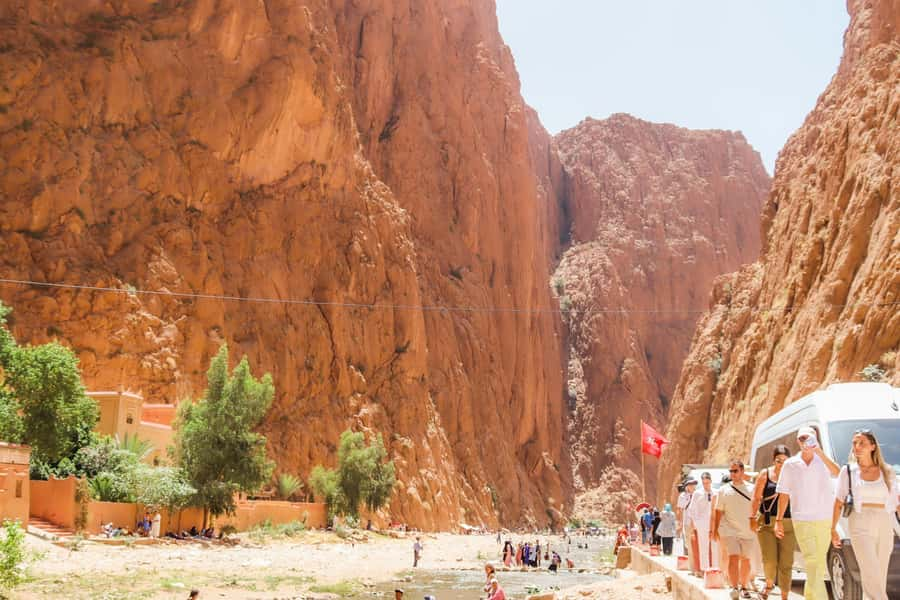
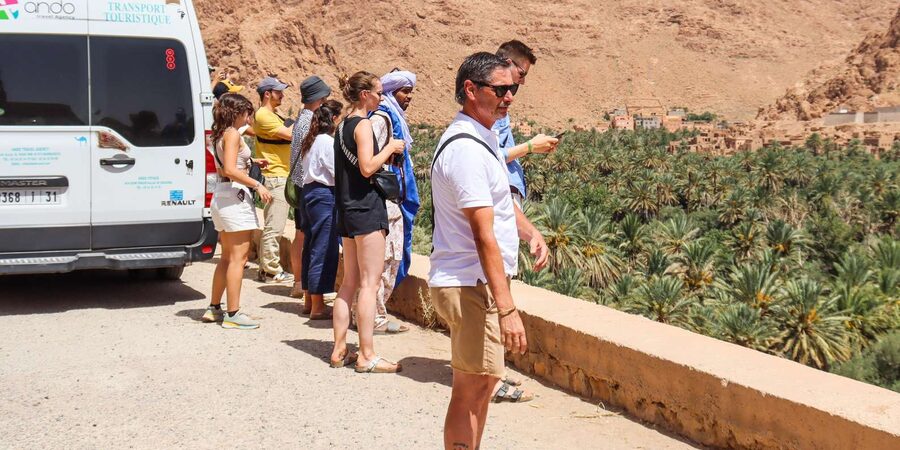
Todra Gorge is the main natural stop. Tall canyon walls close in around the road, giving you a short walk and photo stop before lunch. This is one of the trip’s most memorable places because the scale changes so quickly. You move from broad valleys into a narrow corridor of stone, then back out toward the desert.
An oasis viewpoint is also part of the route in some versions of the schedule. Guide Moha has led this section for some groups. Ask how much time you have at each stop, since the day includes a lot of driving and the exact order can shift.
Lunch is again at your own expense. Menus are not always posted, and some stops are aimed at tour groups. A typical menu price reported on this route is around 120 to 150 MAD, though a local café can be cheaper. One meal has cost around 80 MAD, so it pays to ask about the price before ordering.
By late afternoon or evening, you reach the Merzouga area and an auberge near the base of the dunes. This is a useful pause before the desert camp. Depending on the exact arrangement, the second night may include dinner and a room at a desert hotel, with the camp night following after your activities.
The extra night is the feature that makes this version different from a rushed three-day desert tour. You can swim, rest, or take a short break before the camel ride. Do not expect a full day of planned sightseeing unless you book an optional activity. One itinerary has left the extra day largely free, which was disappointing for people expecting a packed program.
Day Three: Camel Bells, Sunset, and a Night in the Dunes
After breakfast at the Merzouga lodge, you have time to slow down. The pool may be available, although maintenance and cleanliness can vary. This is also the point to decide if you want extra desert activities.
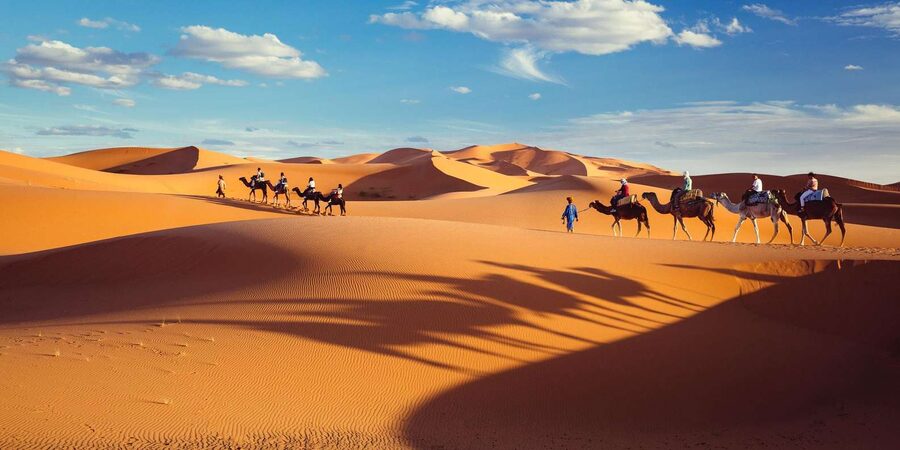
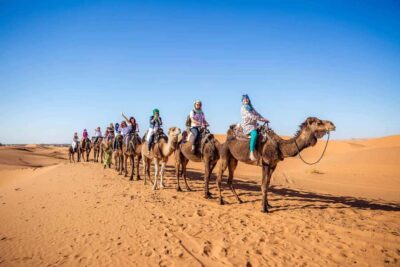
The included camel trek takes you into the Erg Chebbi dunes for sunset. Riding a camel is not a smooth, fast journey. The animals rise and sit in stages, and you will feel the movement in your legs and back. Wear comfortable trousers, close-toed shoes, and clothing that protects you from the sun.
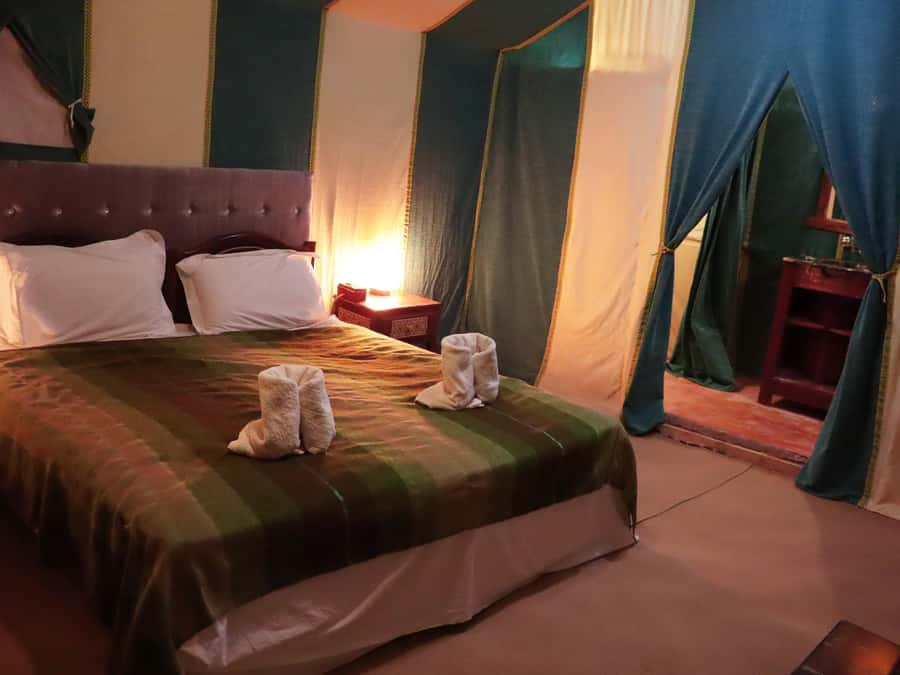
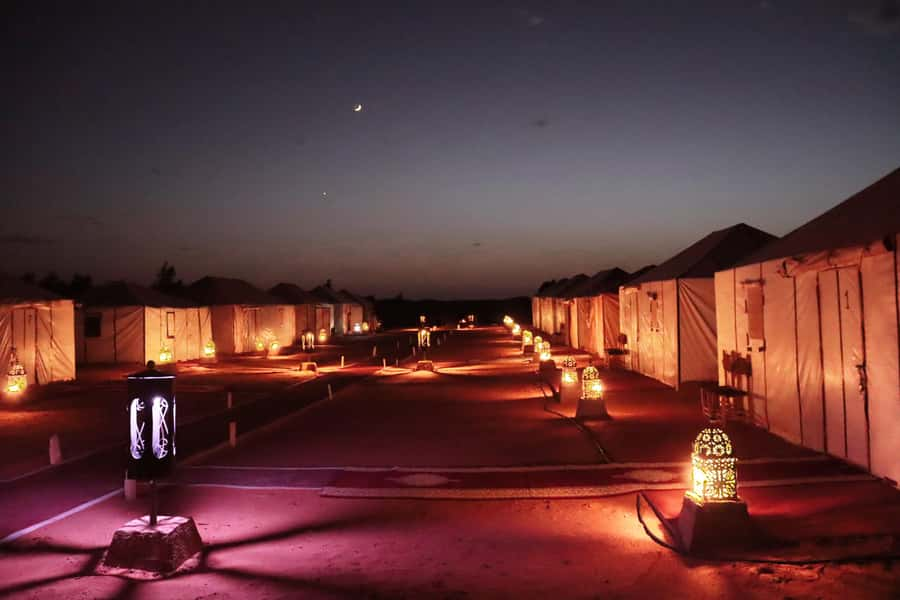
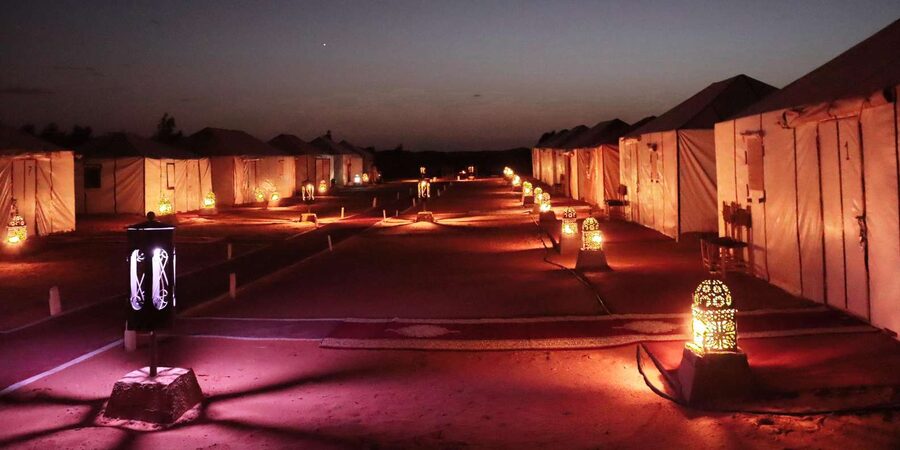
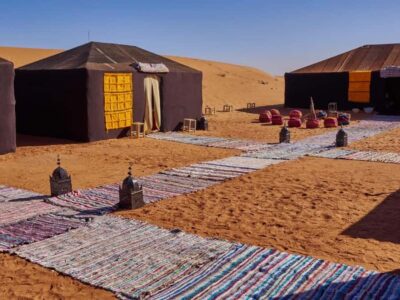
The desert camp is described as a private standard tent with dinner and breakfast. Conditions are basic compared with a hotel. A shared bathroom may not have a shower, and some tents do not have electrical outlets. Bring a power bank and pack a small overnight bag rather than carrying your full suitcase into the dunes.
Dinner at camp has included tagine and salted rice, with portions that may feel modest. Other meals have been described as very good, and the evening usually includes traditional music or a Berber performance. The simple setting is part of the appeal: you sit outside, watch the sky darken, and trade hotel comforts for a closer connection to the desert.
Temperatures can be extreme. July can be very hot, with daytime conditions around 40°C, while desert nights in other seasons can feel cold. Take a sun hat, sunglasses, headscarf, sunscreen, water, and a warm jumper. A scarf is useful, but it is not the only option for sun protection.
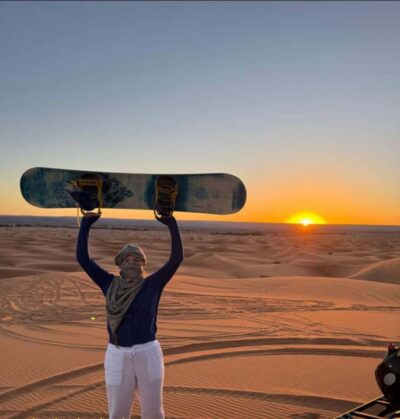
Optional activities may include a 4×4 visit to nomad families, tea in a tent, Berber pizza, quad biking, buggy rides, and sandboarding. These cost extra. The nomad visit is the most culturally focused choice, while quad biking and buggies are better for speed and noise across the dunes. Sandboarding is a low-cost-feeling adventure if the equipment is provided, though the climb back up each dune is part of the workout.
The additional desert night is worth paying for if you want time to rest and choose one of these activities. If you prefer a tightly scheduled tour, clarify the plan before booking. The free day can otherwise feel empty.
A completely different kind of day in the Sahara Desert:
- From Marrakech: 3-Day Merzouga and Sahara Desert Tour
★ 4.9 · 15,308 reviews - From Marrakech: Merzouga 3-Day Desert Safari with Food
★ 4.7 · 12,232 reviews - 3 Days Desert Tour From Marrakech To Merzouga Dunes & Camel Trek
★ 5.0 · 10,125 reviews - 3-Day Marrakech to Merzouga Desert Tour: Camel Rides & Overnights
★ 5.0 · 8,734 reviews
Sunrise on Erg Chebbi and the Long Return
Day Four begins early with sunrise in the dunes. You ride the camels again, this time with the light changing from cool blue to warmer orange across the sand. The second ride is shorter for some groups, but it gives you another chance to enjoy the setting without the heat of midday.
After breakfast, you begin the long journey back. The return to Marrakech can take most of the day and may end around 8:30 p.m. You may stop for lunch and short breaks, but do not plan a major evening activity after arrival.
You can also finish in Fez through Midelt and Ifrane, according to the arrangement selected. Confirm the final destination before setting out, especially if you need to catch a train or meet a hotel transfer. A requested station drop-off has not always been possible, so clarify the exact drop-off point early.
Air conditioning is important on this stretch. Most of the vehicle information promises an air-conditioned minibus, but the system may not always be used as expected. Carry water, snacks, a light layer, and anything you need within reach. Do not pack all your essentials in the luggage compartment.
Winter brings another concern. If snow or road conditions close the Atlas route, the operator may use an alternative route through Taroudant. That change adds a mandatory €10 per person supplement. The alternative may keep the trip moving, but it can alter the timing and route.
Food, Accommodation, and Extra Costs
The tour includes breakfast and dinner at the Dades accommodation and at the desert camp. Lunches and drinks are not included, so budget for them separately.
Food quality is mixed but generally workable. Dinners have included buffet dishes, tagine, and rice. Breakfasts have ranged from acceptable to poor. If breakfast matters to you, carry fruit, biscuits, or other familiar snacks for the road.
The biggest extra cost is not the camel ride, which is included. It is the collection of optional activities and tourist-priced meals. A simple spending plan should include:
- Lunches and bottled water for four days
- About €2 for a local guide at Ait Ben Haddou, if wanted
- Quad biking, buggy rides, or a nomad visit, if selected
- Any scarf or souvenir you choose to buy
- A possible €10 winter route supplement
Ask for prices before ordering in places without menus. You are not required to buy a scarf, and a hat and sunglasses may be enough for sun protection. The desert camp itself may have fewer conveniences than the hotel, so practical gear is more valuable than extra shopping.
What to Pack for the Atlas and Desert
Pack for two climates and several long vehicle days. Comfortable shoes are essential at Ait Ben Haddou, Todra Gorge, and the dunes. Loose, weather-appropriate clothing works well, but bring long trousers and a warm top for the night.
I would put these items at the top of the bag:
- Reusable water bottle and road snacks
- Power bank, since the desert tent may not have an outlet
- Headscarf, hat, and sunglasses
- Comfortable walking shoes
- Warm jumper and long trousers
- Small overnight bag for the camp
- Any medication or personal items you cannot leave in the main luggage
The tour is not recommended for children because of the long drives. It also suits adults who can handle a full road schedule and basic camp facilities. If you want a relaxed trip with short transfers, choose a slower private itinerary instead.
Is This Four-Day Merzouga Tour Worth It?
I would book this trip if you want the major southern Morocco sights in one package and value the extra desert night. The camel rides, Ait Ben Haddou, Todra Gorge, and the Dades route give you a strong first look at the country beyond Marrakech.
I would not book it without asking for a written day-by-day schedule. Confirm where you sleep on each night, how much free time you have in Merzouga, whether the local guide at Ait Ben Haddou is optional, and where the final drop-off will be.
At $234, the tour offers good value when the transport runs smoothly and you use the included camel trek and accommodations. It becomes less appealing if you are charged for unwanted guiding, pushed toward costly restaurants, or expect the extra desert day to come with a full program.
The best match is an independent-minded first-time visitor who can pack lightly, manage long drives, and speak up about prices and timing. If that sounds like you, this is an efficient and memorable route from Marrakech to the Sahara, with enough time in the dunes to make the long ride worthwhile.
FAQ
How long is the Marrakech to Merzouga tour?
The tour lasts four days. The return to Marrakech can finish around 8:30 p.m.
What destinations are included?
The route includes Ait Ben Haddou, Ouarzazate, the Dades Valley, the Road of 1001 Kasbahs, Todra Gorge, Merzouga, and the Erg Chebbi dunes.
Is the camel ride included?
Yes. The package includes camel rides at sunset and sunrise in Erg Chebbi.
Where do I sleep during the tour?
You stay in a private en-suite room at a kasbah-style hotel in the Dades area and in a private standard tent at a desert camp in Erg Chebbi. The itinerary also includes an overnight stay at a Merzouga auberge or desert hotel before the camp experience.
Are meals included?
Breakfast and dinner are included at the listed overnight accommodations. Lunches and beverages are not included.
Do I need to pay for a guide at Ait Ben Haddou?
No. A local guide is optional and costs about €2 if you decide to hire one.
Can I finish the tour in Fez instead of Marrakech?
Yes. Drop-off in Fez is available through Midelt and Ifrane, while the standard return option is Marrakech.
What should I bring?
Bring comfortable shoes, comfortable clothing, weather-appropriate layers, a headscarf, water, snacks, and a power bank. Warm clothing is useful because desert nights can be cold.
Is the tour suitable for children?
The tour is not considered suitable for children because it includes long drives.
Just added around the Sahara Desert
- 4 Day desert trip from Fes to Marrakech and 2 night in merzouga★ 4.5 · 19 reviews
- 2 Days Sahara Group Tour Fez to Marrakech via Merzouga★ 5.0 · 49 reviews
- Private Fez to Marrakech Via Merzouga desert tour 3days★ 5.0 · 25 reviews
- shared group Fez To Fez via Merzouga Desert Tour 2 Days/ 1 Night★ 5.0 · 29 reviews
- Shared Group Fez To Marrakech via Merzouga Desert Tour 2 Days★ 5.0 · 18 reviews
- Fez to Marrakech via Merzouga Desert – 3 Day Desert Tour★ 5.0 · 120 reviews
- Fes to Fes 2 days via Merzouga desert tour★ 5.0 · 24 reviews
- 3 Days Desert Tour from Fes to Marrakech via Merzouga★ 5.0 · 24 reviews
Desert Camps, compared.
Sahara Desert 2-Day Tour with Merzouga Camp Stay
Read our review →
2-Day Merzouga Desert Trip w/Luxury Tent & Dinner
Read our review →

Agafay Desert Overnight Stay, Dinner & Activities
Read our review →
Camp Overnight in Merzouga’s Erg Chebbi Dunes from Merzouga
Read our review →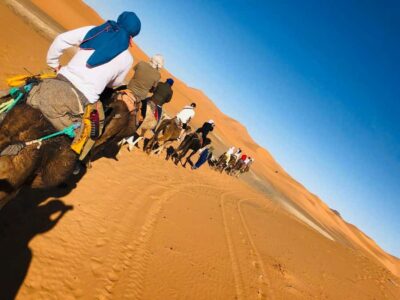
Marrakech To Merzouga: 3-Day Dreams Tours & Luxury Camp
Read our review →Browse the lists this tour appears in