Reviewed · MARRAKECH TOURS
Hidden Sights of Marrakech:
Marrakech’s Medina makes more sense when you leave the main shopping lanes. This small-group walk takes you to a working bakery, a centuries-old caravan inn, a tangia cooking oven, a mausoleum, metalworkers, and a spice market. Guides such as Azim and Mohamed add local stories and practical advice about finding your way and bargaining.
I like the small maximum of six people, which makes it easier to stop in a narrow lane or ask questions. I also like the early 10 a.m. start, before the souks become harder to navigate. The tradeoff is simple: the title may suggest grand secret monuments, but much of the experience is a guided walk through ordinary Medina life.
Key points at a glance
- Working Marrakech, not just postcard Marrakech: See bakeries, ovens, workshops, and old trading spaces still tied to daily life.
- A useful first-day walk: Guides explain Medina routes, local customs, and shopping habits before you explore alone.
- Three to four hours on foot: Expect narrow lanes, standing, and steady walking, with no vehicle transfer between stops.
- Personal guiding: Azim and Mohamed are praised for storytelling, cultural context, and a gentle pace.
- Good value at $39: Bottled water and a professional local guide are included, while food, drinks, and hotel transfers are not.
- A realistic expectation: This is mainly a cultural Medina walk, not a ticketed monument tour.
Why this walk is useful early in your Marrakech stay
Marrakech can feel like a maze during your first hours in the Medina. The lanes twist, signs are not always clear, and the liveliest shopping streets can make it hard to notice what is happening around you.
This tour gives you a working map of the old city. You learn how bakeries serve neighborhoods, how traditional food is cooked, where craftspeople work, and how the souks connect. That information is more useful than simply collecting a few impressive photographs.
Guides Azim and Mohamed receive especially strong praise for their storytelling and calm manner. Their role is not limited to pointing at buildings. They explain Moroccan customs, local languages, history, and the practical side of shopping. One useful feature is their willingness to point out when a price seems too high and to offer advice about bargaining.
I would book this near the start of a Marrakech visit. You can return to the souks later with a better sense of direction and a clearer idea of which shops and workshops interest you.
A few more Marrakech days worth comparing
- Marrakech: Quad Bike Tour to Palm Oasis and Jbilat Desert
★ 4.8 · 11,831 reviews - Marrakesh: Majorelle Garden Entry Tickets
★ 4.5 · 9,651 reviews - Marrakech Quad Bike Experience: Desert and Palmeraie
★ 4.5 · 9,509 reviews
Starting at Café Argana and Bab Ftouh
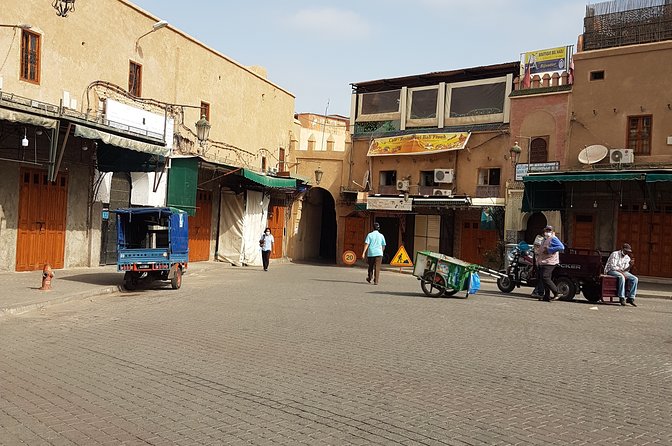
The meeting point is Café Argana, at number 18, Znikat Rahba, on or beside Jemaa el-Fna. The walk begins at 10 a.m., then heads toward Bab Ftouh, one of the old interior gates and an entrance to the souks.
The gate is not presented as a grand ticketed sight. Its value is as a first lesson in how Marrakech is organized. You begin with a passage between the square and the market lanes, then move into places that are easier to miss if you only follow the busiest streets.
This opening is also practical. Starting in a famous square gives you a clear reference point, while the guide takes over the navigation once the lanes become less obvious. Arrive with the meeting point saved on your phone, since the square has several cafés and entrances.
Mouassine bakery and the smell of daily life
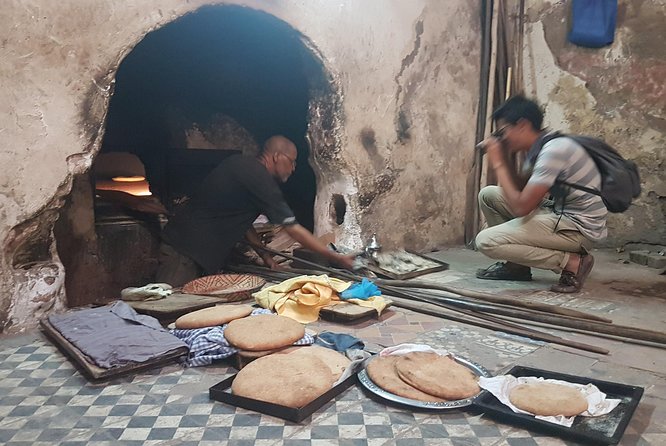
In Mouassine, the group visits a local bakery. The stop is brief, but it gives you a useful look at the Medina as a neighborhood rather than a shopping district.
Traditional bakeries matter because they serve everyday residents, not only people visiting Marrakech. The route uses this kind of place to explain how food fits into local routines. You might not spend long inside, but the stop helps connect the streets with the people who live and work there.
This is one reason to keep your expectations sensible. You are not receiving a cooking class or a meal. Food and drinks are not included, though bottled water is provided. The reward is context, not a tasting session.
El Mouassine Mosque and the old Jewish quarter
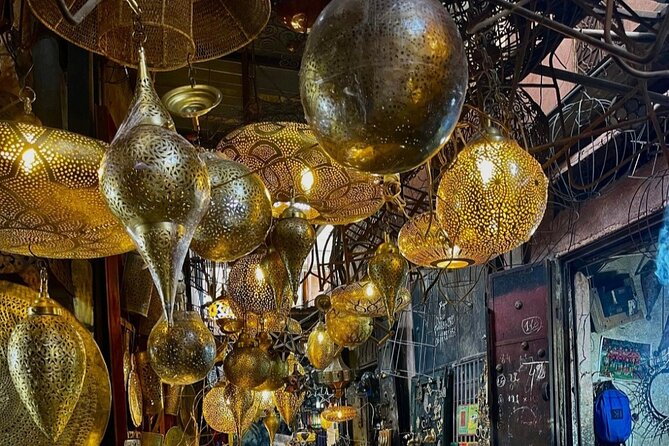
The route continues to El Mouassine Mosque, one of Marrakech’s oldest mosques, dating from the 16th century. The mosque sits in an area once used as a residential quarter by Moroccan Jews known as the Toshavim.
The guide explains the neighborhood’s religious and social layers. That kind of setting adds depth to the walk without turning it into a formal museum visit. You see how different communities shaped the Medina and how place names and buildings carry older stories.
Keep in mind that this is primarily an outside cultural visit. The tour information does not promise entry into the mosque, and visitors should follow local rules about access and dress. The stop is best understood as a chance to learn about the district and its past.
A completely different kind of day in Marrakech:
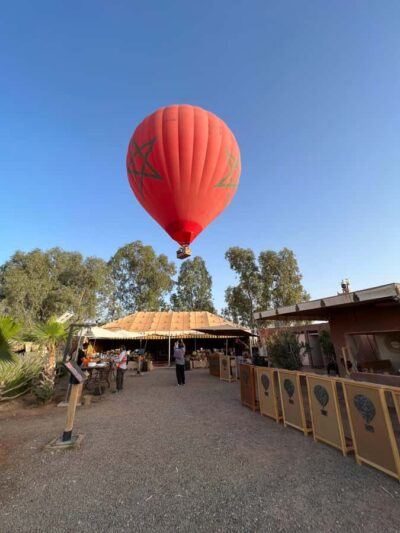
- Marrakech: Balloon Flight, Berber Breakfast & Certificate
★ 4.8 · 8,164 reviews - Marrakesh: Desert & Mountain Tour with Camel Ride & Lunch
★ 4.8 · 7,513 reviews - Marrakesh: Early Morning 40-Minute Balloon Flight
★ 4.8 · 6,533 reviews - Marrakech: Majorelle Garden, YSL, and Berber Museum Entry
★ 4.6 · 5,168 reviews
Foundouk Sarsar, a reminder of caravan trade
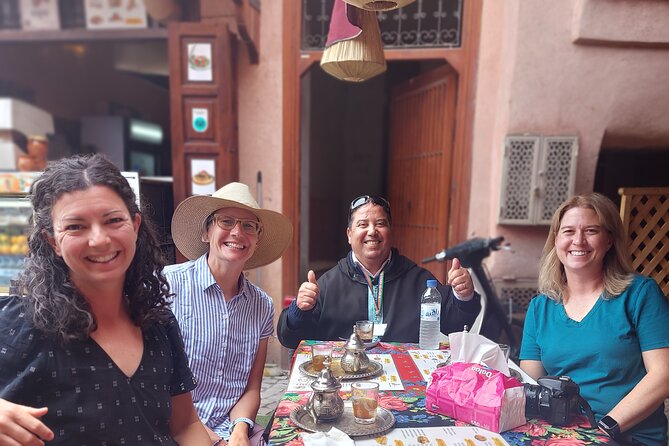
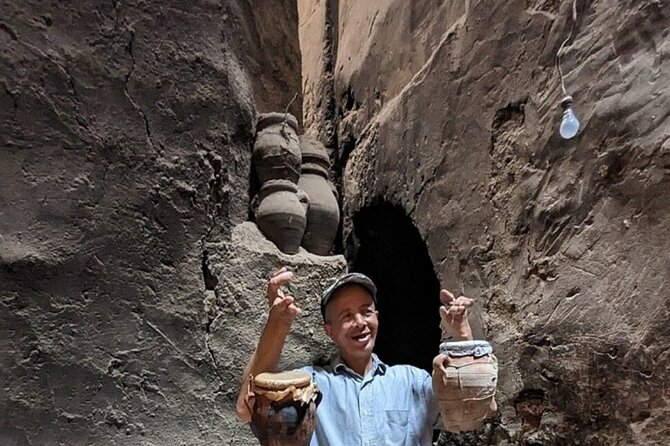
Foundouk Sarsar is described as one of Marrakech’s oldest caravan inns. A foundouk, also spelled funduq or fondouk, served merchants and pack animals moving through Morocco’s trading network.
Today, a site like this helps you picture the old commercial system behind the souks. Merchants needed places to store goods, rest, and conduct business. The narrow market lanes were not merely retail streets. They were part of a larger chain linking Marrakech with other towns and regions.
The visit lasts about ten minutes. That is enough for an explanation and a look around, but not enough for a long architectural study. If you enjoy old trade routes and working urban spaces, this will likely be more interesting than another shop selling souvenirs.
The tangia oven on Route Sidi Abdelaziz
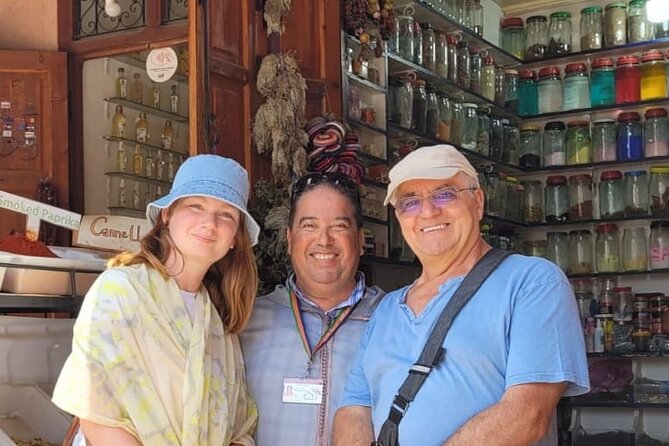
One of the most distinctive stops is a traditional cooking oven. Local residents bring a dish called tangia there to cook slowly.
Tangia is associated with Marrakech, and the oven shows how a meal can move from a home or food preparation area to a neighborhood cooking place. You are seeing a method tied to local life rather than a restaurant performance arranged for visitors.
The stop is short, around five minutes, so listen closely while the guide explains what you are seeing. There is no food included, and the tour does not promise a sample. Still, this may be one of the route’s most memorable details because it connects the Medina’s streets with a real daily practice.
Sidi Abdel Aziz Tabaa and the Seven Saints
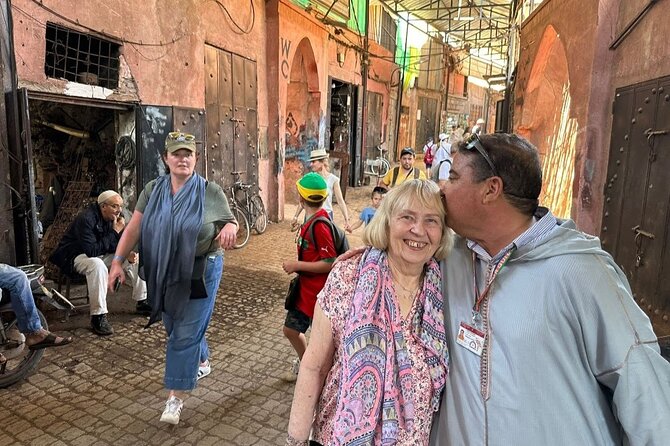
The walk then reaches the mausoleum of Sidi Abdel Aziz Tabaa, one of the Seven Saints of Marrakech. The stop lasts about ten minutes and brings a religious dimension to the route.
The mausoleum is not treated as a grand monument with a long queue or ticket counter. Instead, it is part of the living city. Your guide can explain the saint’s place in Marrakech’s traditions and why such sites matter to the city.
As with the mosque, respect is essential. Follow the guide’s instructions and local customs. The attraction here is the story and setting, not a formal interior tour.
Talaa, leather auctions, and Souk Haddadine
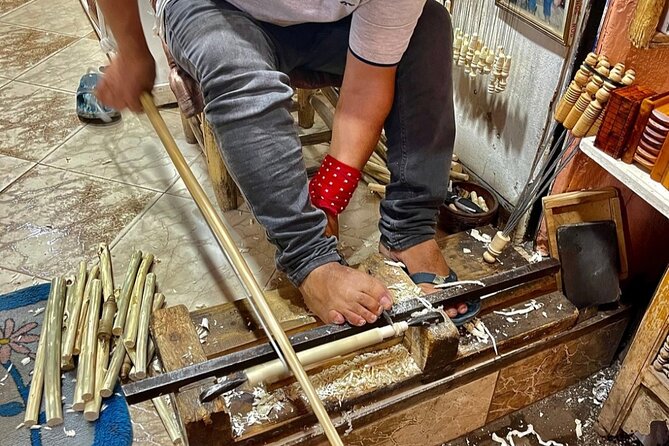
At Talaa, you see a souk where auctions of leather skins still take place, except on Fridays. This is a particularly useful stop for anyone curious about the trade behind Morocco’s famous leather goods.
The important point is that you are not only seeing finished products. You are learning about an older commercial process and the workers connected to it. The auction activity may not be taking place if your visit falls on Friday, so do not book this walk expecting a guaranteed live auction.
From there, the route continues through Souk Haddadine, the area of blacksmith workshops. Metalworkers provide another look at the skills behind the objects sold in the souks. The sound, tools, and workspaces can tell you more about the market than a polished display in a shop.
The lanes can be tight, and workshops may be active. Stay with the guide, watch your step, and avoid blocking doorways while you look.
Rahba Kedima and the spice market
Rahba Kedima, also called the Place of Spices, brings a change of mood. You encounter the scent and color of fresh spices, and visiting a local spice stall is optional.
That optional wording matters. Marrakech’s markets can include strong sales pressure, especially around products presented as special remedies or premium spices. You can look without buying, and you should feel free to do so.
A guide who understands local prices can help you judge the difference between a fair purchase and a tourist markup. If you want to shop, ask questions first and agree on a price before handing over money. If you do not want to shop, enjoy the smells and movement, then keep walking.
Souk Semmarine and the return to Jemaa el-Fna
Souk Semmarine is the best-known and busiest section of the Marrakech souks. By this point, you have seen quieter work areas and older commercial spaces, so the contrast is useful.
Here you encounter the more familiar side of the Medina: shops, merchandise, narrow lanes, and plenty of other people. The guide helps you connect this main shopping route with the less obvious sections visited earlier.
The walk ends at Jemaa el-Fna, the public square where you may see musicians, storytellers, snake charmers, and other performances. The square is also the starting area, so you finish with a familiar landmark and can continue exploring or return to your accommodation independently.
The tour information says the activity ends back at the meeting point. Hotel pickup and drop-off are not included.
What the guide adds to the experience
The guide is the main reason to choose this walk over wandering alone. The route itself is valuable, but many of the stops would be easy to pass without understanding what they mean.
Azim is praised for explaining Marrakech’s culture and history in a way that helps people get their bearings. Mohamed is praised for his storytelling, courtesy, and gentle pace. The provider is Marrakech Guide Azim, though the specific guide assigned to your booking may vary.
The strongest feature is the human explanation. You hear about Moroccan life, local customs, languages, artisans, food traditions, and the way the Medina functions. The guide also helps you feel less uncertain in the souks, where a wrong turn or aggressive sales pitch can sour an otherwise good morning.
Do not expect a scripted lecture at every stop. The experience appears to work best as a conversation while walking. Ask about anything that catches your eye. The small group makes that easier than on a large city tour.
Price, group size, and physical effort
At $39 per person, this is a fair price if you want a guided introduction to the Medina. You are paying for three to four hours with a local professional guide, route-finding help, and access to places that are not obvious on a first visit. Bottled water is included.
The value is lower if you only want famous monuments or a shopping trip. The route has no listed admission tickets, meals, or hotel transport. Its worth comes from interpretation and access to everyday spaces rather than costly attractions.
The group maximum is six people, a real advantage in narrow lanes. You can hear the guide more easily and ask questions without waiting behind a large crowd.
You should have a moderate level of physical fitness. The walk lasts several hours and includes Medina streets, standing, and repeated movement through narrow passages. One person praised the tour’s accessibility, but the stated requirement is still moderate physical fitness, so contact the provider if mobility is a concern rather than assuming the route will suit every need.
Children must be accompanied by an adult. Bring comfortable shoes, water beyond the bottle supplied if you prefer to drink often, and clothing suitable for visiting religious surroundings.
The main limitation: hidden sights means ordinary sights
The title sets a high bar. You should not expect secret palaces, private rooms, or a string of major monuments closed to the public.
The route is better understood as a behind-the-scenes look at the Medina. A bakery, oven, caravan inn, workers’ souk, mausoleum, and spice stall may seem modest beside a famous palace, but together they explain how the city works.
One important criticism is that the experience can feel like a general Medina walking tour rather than a tour of truly unknown places. That is a fair concern. If you want dramatic architecture and formal sightseeing, choose a tour focused on palaces, gardens, or major historic buildings.
I would describe this as an everyday-life tour with lesser-seen stops. That is a more accurate promise, and for many people it is the more useful one.
Who should book this Marrakech walk
I would recommend it to first-time visitors who want help finding their way through the Medina. It is especially useful if you plan to shop, because the guide can explain bargaining and point out the difference between craft production and sales presentation.
It also suits curious people who enjoy food traditions, old trade routes, religious history, and working neighborhoods. Solo visitors and couples may appreciate the small group, while families should be comfortable with several hours of walking.
I would be cautious about booking it if you have limited mobility, dislike markets, or want a fully seated experience. I would also skip it if your main aim is to enter major monuments, since the route focuses on streets and places observed from the outside.
Free cancellation is available up to 24 hours before the 10 a.m. start time. Changes or cancellations inside that window are not accepted for a refund.
Should you book Hidden Sights of Marrakech?
Book it if you want to understand the Medina before exploring it alone. The best parts are the tangia oven, caravan inn, artisans’ lanes, local bakery, and the guide’s practical help with routes and bargaining.
At $39, the small group and three to four hours make good sense for a first morning. Just set your expectations correctly: this is not a grand-monument tour. It is a friendly, useful walk through the working side of Marrakech, with Azim or another local guide helping you notice what you might otherwise pass by.
FAQ
How much does Hidden Sights of Marrakech cost?
The tour costs $39 per person.
How long does the tour last?
The experience lasts approximately three to four hours.
What time does the tour start?
The tour starts at 10 a.m.
Where does the tour meet?
The meeting point is Café Argana, number 18, Znikat Rahba, near Jemaa el-Fna in Marrakech.
Where does the tour end?
The activity ends back at the meeting point area, at Jemaa el-Fna.
What is included in the price?
A local professional guide and bottled water are included.
Are food and lunch included?
No. Food, drinks, and lunch are not included.
How many people can join the tour?
The group has a maximum of six travelers.
Can I cancel for a full refund?
Yes, if you cancel at least 24 hours before the experience start time. Cancellations or changes made less than 24 hours before the start are not accepted for a refund.
Just added around Marrakech
- Quad in the Palmeraie of Marrakech★ 5.0 · 41 reviews
- Marrakech Desert Camel Ride★ 5.0 · 17 reviews
- Sunset Camel Ride in the Palm Grove Of Marrakech★ 5.0 · 34 reviews
- Private Airport Transfer from or to Marrakech Menara Airport.★ 4.5 · 63 reviews
- Marrakech The History and Culture Day Trip★ 4.5 · 45 reviews
- Marrakech: Tailor-Made City Tour With Your Own Private Guide★ 4.9 · 236 reviews
- Marrakech palm grove: Sunset camel ride★ 4.8 · 194 reviews
- Sparkling Marrakech through the eyes of your local Guide★ 4.7 · 247 reviews
Marrakech Tours, compared.

Quad Bike Tour to Palm Oasis and Jbilat Desert
Read our review →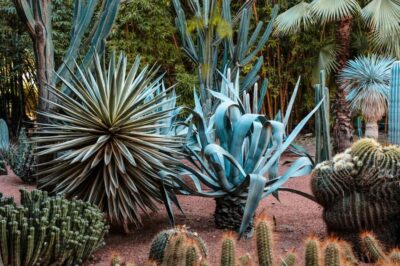
Balloon Flight, Berber Breakfast & Certificate
Read our review →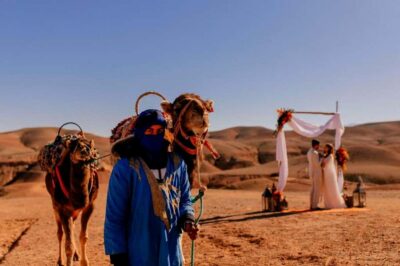
Desert & Mountain Tour with Camel Ride & Lunch
Read our review →
Dunes of the Palmeraie Quad Bike Ride with Tea
Read our review →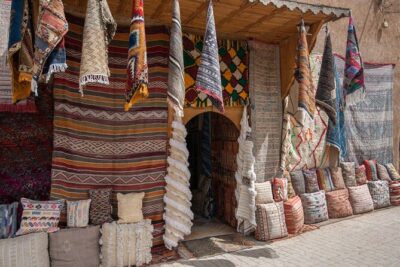
Bahia Palace, Saadian Tombs, Souk and Medina Tour
Read our review →