
Reviewed · MEDINA AND SOUK TOURS
Casablanca: Traditional Souks Shopping Private Tour
Casablanca’s souks are easiest to enjoy when someone else handles the maze, the language gap, and the bargaining. This private outing takes you through food, spice, antique, rug, and craft shops, with mint tea and Moroccan sweets along the way. Hotel pickup and an air-conditioned car or van make the experience simple to arrange.
I like the flexible shopping focus and the chance to arrive with a real list, such as spices, argan oil, tea glasses, caftans, or pottery. I also like having a local guide translate prices and explain what you’re seeing. The main concern is that some stops may be tied to particular vendors, and the rug visit can become a high-pressure sales pitch.
Key points to know before you book
- Your shopping list can shape the route: Ask clearly for spices, oil, textiles, pottery, or other items before the tour begins.
- The rug stop needs caution: It may include an interesting demonstration, but you could face persistent sales pressure.
- Transport is a real convenience: City-center hotel pickup and drop-off come with an air-conditioned vehicle, Wi-Fi, and a phone charger.
- Mint tea and sweets add local flavor: These are included, along with bottled water.
- Guides speak three languages: Arabic, French, and English are listed as available.
- The value depends on your shopping goals: At $41 per person, the tour can be useful for transport and help bargaining, but less so if you want an unstructured market walk.
Casablanca’s souks, with the practical work handled for you
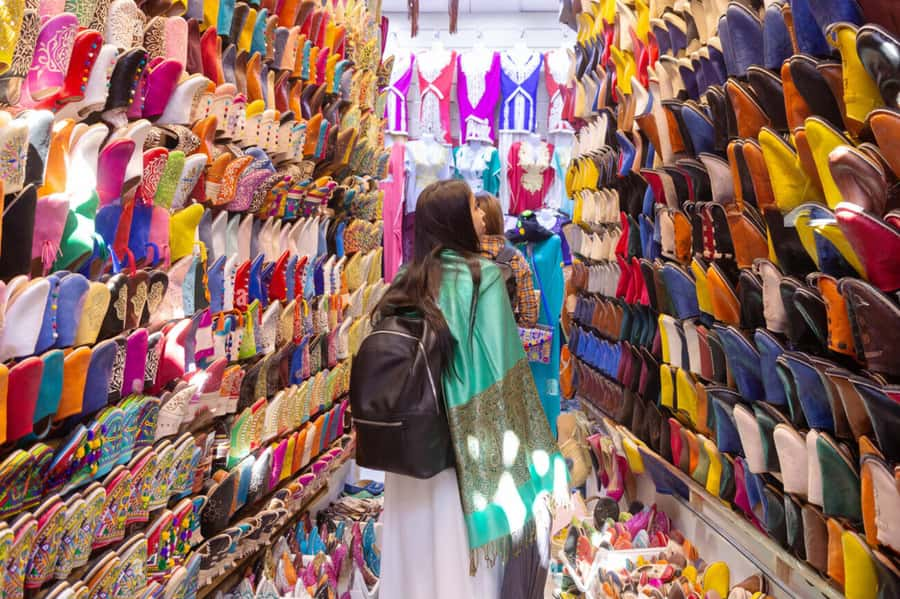
Casablanca is Morocco’s largest city, but its shopping districts can feel less straightforward than the grand avenues and modern neighborhoods. A private souk tour gives you a set of wheels, a guide, and someone who can speak with vendors while you look.
That matters most if you do not speak Arabic or French. Your guide can translate questions about materials, origins, sizes, and prices. The guide is also expected to bargain on your behalf and help you understand how much room there is to negotiate.
I would treat the word private as a benefit for flexibility, not as a guarantee that every stop will be chosen from scratch. The advertised plan allows changes based on your interests, but the experience can still include established vendor stops. Tell the guide what you want before reaching the first shop, then repeat those priorities if the route starts moving in another direction.
The tour is especially useful for a first visit to Casablanca, a short city stay, or a port stop when you want to shop without spending time working out transport. If you already know the medina well and enjoy shopping independently, you may find the guided format less appealing.
More Shopping Tours in Casablanca
- From rick’s coffee to local markets authentic casablanca
★ 5.0 · 90 reviews - Old local Market visit+Moroccan cooking class with a local family
★ 5.0 · 84 reviews - Traditional Souks Shopping Private Tour in Casablanca
★ 5.0 · 64 reviews
What the three-hour outing may look like
The experience is presented as a roughly three-hour shopping and walking tour, with hotel pickup and drop-off in Casablanca’s city center. The vehicle is air-conditioned and includes Wi-Fi and a phone charger, which is handy if you are checking directions, translating product information, or arranging your next stop.
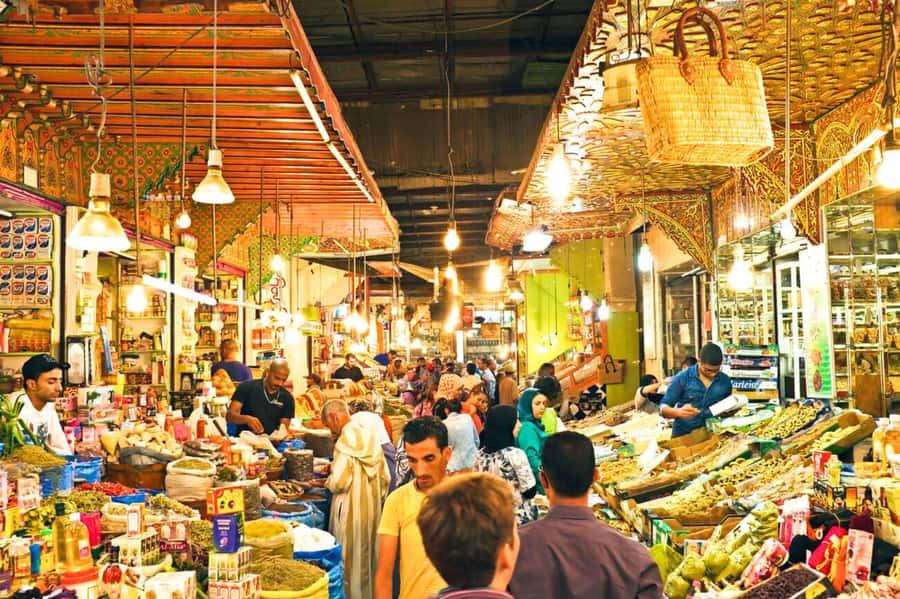
The exact order of the markets can change. Your guide may take you through several types of souks rather than one single market. That variety is part of the appeal: you can compare food products, spices, handicrafts, textiles, pottery, antiques, and other Moroccan goods in one outing.
The time limit matters. A long presentation in the first shop can reduce the time available for everything else. One reported outing spent about an hour and a half of a three-hour schedule at a rug store, leaving the rest of the shopping hurried. If you have a short list, say so at the start. You might prefer a quick look at rugs and more time for spices, tea glasses, or pottery.
Food and spice markets: the most natural fit for a souk tour
The food and spice sections are likely to feel closest to the everyday purpose of a Moroccan market. You can look for herbs, spice blends, sweets, tea, and other edible products while your guide explains what you are seeing and helps with communication.
Spices make good souvenirs because they are compact and connected to Moroccan cooking. Still, ask about quantity, ingredients, and packaging before buying. A brightly colored blend may not be what you expect, and a label or translation can help you avoid an unwanted purchase.
Argan oil is another common item on shopping lists. The guide can help with language, but you should still compare bottle sizes and prices carefully. Do not assume that an attractive presentation or a claim about local production tells you enough about the product.
Mint tea is part of the experience, not just a drink break. Morocco’s tea tradition is closely tied to hospitality, and the included tea gives you a chance to slow down between shops. Moroccan sweets are also included, with bottled water provided during the outing.
These small food stops may be more satisfying than a long sales demonstration because they connect directly with the market and daily life. If food is your main interest, say that plainly and ask for more time in this part of the route.
Rugs, textiles, and the hard part of shopping
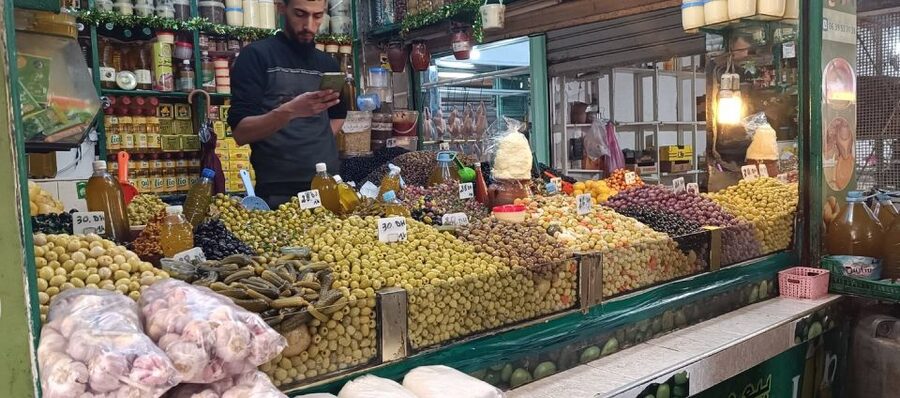
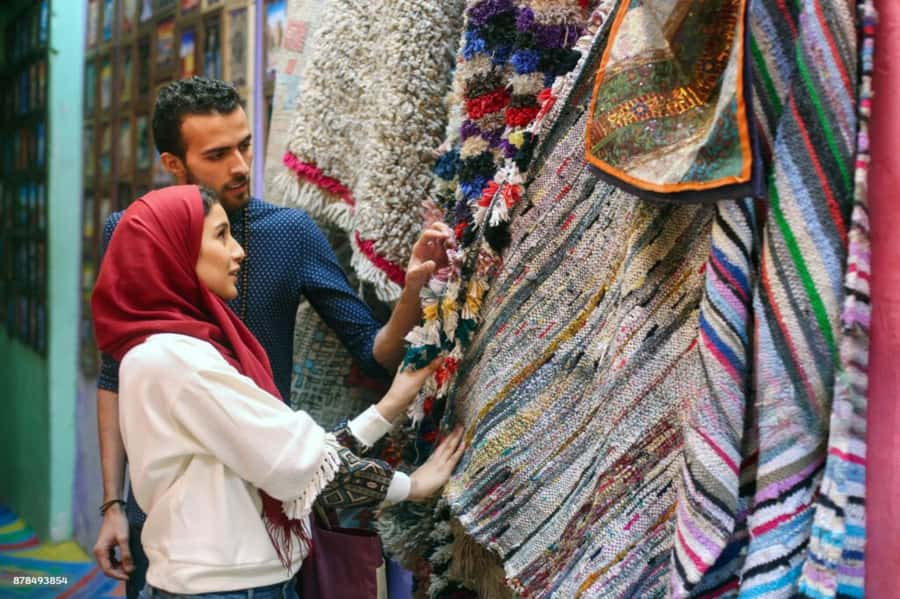
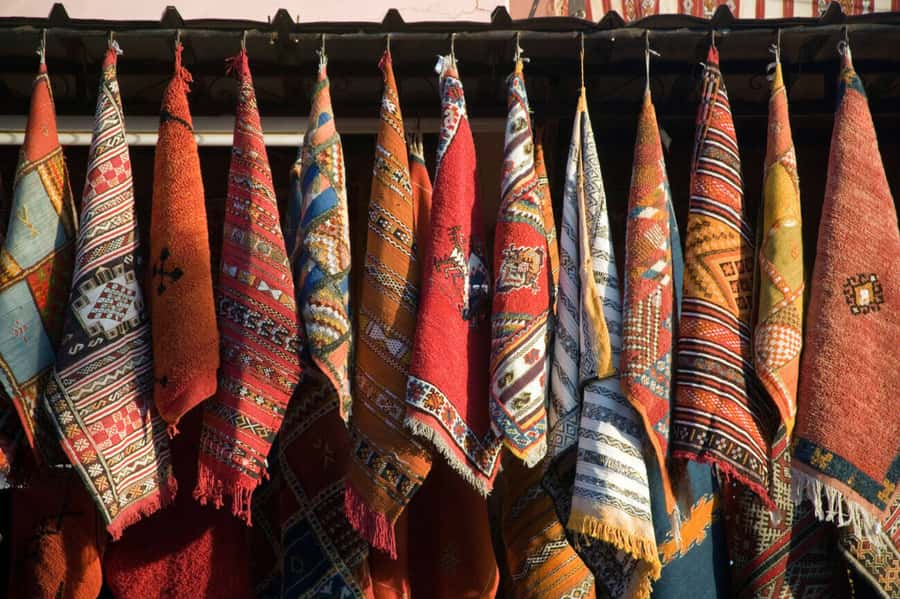
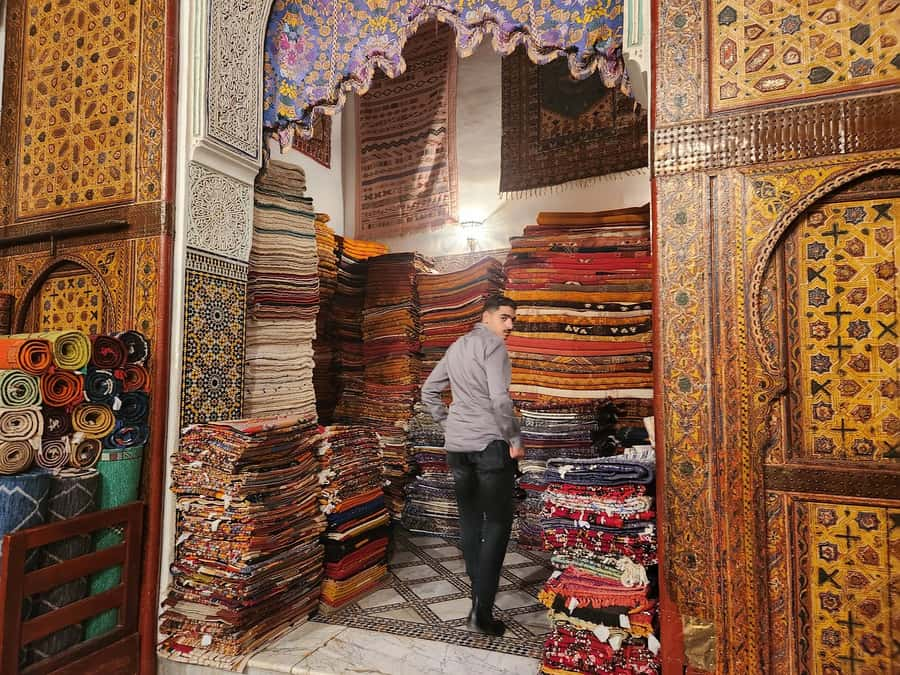
Rugs are often the most memorable and most complicated stop. A rug shop may explain regional designs, weaving methods, colors, and the work involved in making each piece. That background can be genuinely interesting, especially if you want to understand Moroccan textiles rather than simply glance at them.
The trouble starts when an educational presentation turns into a purchase session. You may be invited to sit, shown many carpets, and told about family workshops or struggling makers. Discounts and shipping to the United States may be offered. None of this means you must buy.
My practical advice is simple: decide your budget before entering, and do not reveal a high maximum price. If you have no intention of buying a rug, say so early and repeat it politely. You can appreciate the craft without accepting a carpet, and you should not feel responsible for solving a seller’s business problem.
The same caution applies to caftans, textiles, and other higher-priced goods. Ask whether the price is for the complete item, how shipping works, and what happens if you change your mind. If the guide is negotiating, make sure the final price and product are clear before paying.
A rug stop can be worthwhile for a serious buyer who wants help with translation and bargaining. It is less suitable for someone who wants a relaxed look with no sales pressure.
More Medina and Souk Tours in Casablanca:
- Morning Casablanca: The Medina and Beyond Cultural Walking Tour
★ 5.0 · 284 reviews - Casablanca Cultural Tour: Medina, Views & Local Delights
★ 4.6 · 126 reviews - Discovering Life & Walk Inside Old Medina /With Taxi Back Hotel
★ 4.5 · 97 reviews - Casablanca City Tour: Hassan II Mosque, Medina & Hidden Gems
★ 4.5 · 38 reviews
Pottery, tagines, antiques, and handmade goods
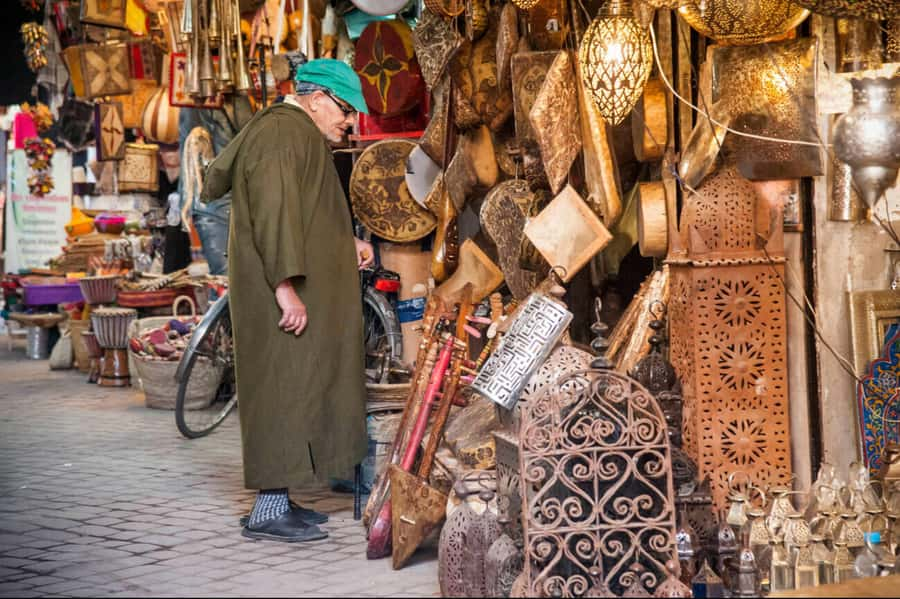
Moroccan pottery and tagines can be excellent buys when you know what you want. A tagine intended for cooking may need different care from one sold mainly as decoration. Ask the seller how the piece should be used, cleaned, and transported.
The guide can help you communicate those questions, but you remain responsible for checking the item. Look for cracks, uneven glazing, loose handles, or damage before agreeing to a price. If you plan to fly home with pottery, ask about packing and shipping rather than assuming the shop will handle it safely.
Antique shopping requires even more care. The word antique can describe many things in a market setting, and age, origin, and value may be difficult to verify. If you are buying a costly piece, ask for details in writing where possible and avoid making a quick decision simply because a seller says the item is rare.
The advantage of the tour is that you can ask questions through a guide who speaks Arabic, French, or English. The disadvantage is that a guide’s preferred shop may not be the same as the place you would choose on your own. If you want modest everyday stores instead of polished tourist shops, make that request clearly.
A guide can make or break the shopping experience
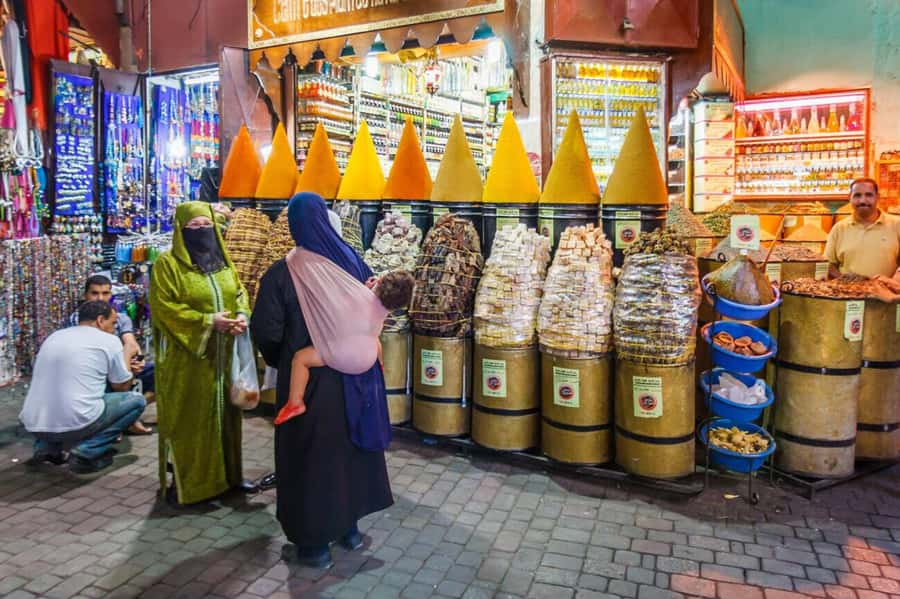
The strongest part of this tour is the human help. A good guide does more than translate words. The guide explains local customs, keeps the outing moving, helps you compare goods, and makes it easier to say no when a sales conversation becomes uncomfortable.
Hamid received especially warm praise for careful driving, a clean Mercedes van, and entertaining explanations around the medina and central market. That combination matters. You want a guide who can provide local context without turning every stop into a buying opportunity.
Another guide helped a visitor practice photography, which is useful if your main goal is to observe market life rather than shop heavily. Tell the guide if you want time for photos, since a sales-focused route can otherwise move quickly from one store to the next.
The language support covers Arabic, French, and English. That does not remove every shopping risk, but it can prevent basic misunderstandings about materials, sizes, prices, and shipping.
One reported pickup had a problem before the original guide arrived, with a police delay involved. That appears to have been an isolated complication rather than a normal feature, but it is sensible to keep your phone available on the day and confirm the pickup details.
Is $41 per person a good value?
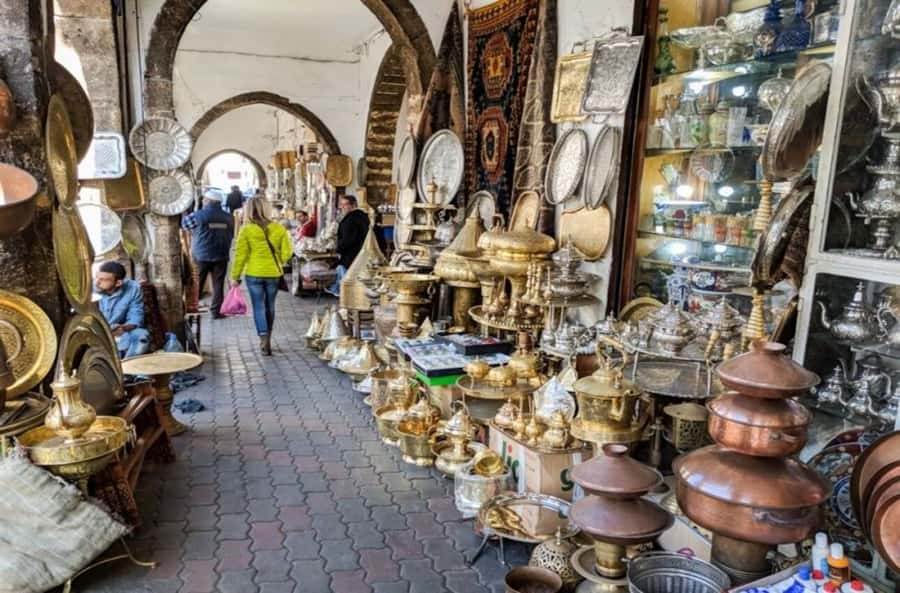
At $41 per person, the price is reasonable if you value door-to-door transport, a private guide, translation, and help with bargaining. You also receive bottled water, mint tea, Moroccan sweets, and an air-conditioned vehicle with Wi-Fi and a phone charger.
The value is less clear if you only want to wander through markets. Casablanca’s shopping areas can be explored without buying a package, and a short independent visit costs less. Here, part of what you are paying for is convenience and confidence.
I would also factor in the time cost of vendor presentations. A discount is not a saving if you buy something you did not want. The included shopping assistance is valuable only when the guide follows your priorities and gives you room to decide.
For two or more people with a shared shopping list, the private format may work particularly well. You can divide your attention between shopping, photos, and local explanations. For solo visitors, $41 can still be fair if the transfer and language support save you hassle.
How to shop without losing control
You will get more from this experience if you prepare before pickup. Write down the items you want, the approximate quantities, and your spending limit. Include less obvious details, such as whether you want cooking pottery or decorative pottery.
Use these habits during the tour:
- Ask for the price before showing strong interest.
- Compare sizes and materials, not just the final number.
- Keep your budget private until you are ready to negotiate.
- Say no clearly if you do not want an item.
- Do not let a free tea or demonstration create an obligation to buy.
- Check bottles, textiles, pottery, and other goods before payment.
- Ask about shipping costs and delivery terms for large purchases.
The guide is there to negotiate, but you should still speak up. If the first shop does not suit you, ask to move on. If you want local everyday shopping rather than a formal showroom, use those exact words.
Who will enjoy this tour most?
I would recommend it to a first-time visitor who wants a guided introduction to Casablanca shopping, especially someone staying at a city-center hotel. It also suits people who want to buy spices, tea, sweets, textiles, or pottery but feel unsure about language and bargaining.
It may work well for a short stay because the vehicle and guide reduce the time spent finding the market. Photographers may also appreciate the local explanations and the chance to ask for time to take pictures.
I would be more cautious if you dislike sales pitches, want complete control over every stop, or are looking for quiet cultural observation rather than purchasing. In that case, ask at the start for a shorter rug visit and more time in food, spice, and everyday market areas.
The overall rating is 4.4 from 29 ratings, but the individual experiences show a clear split. Some people praise the guide, vehicle, safety, and personal attention. Others found the route sales-driven and shorter than expected. That difference makes your opening conversation with the guide especially important.
Should you book the Casablanca souk tour?
Book it if you want a convenient, guided shopping outing and are prepared to set firm boundaries. The combination of hotel transfer, language help, tea, sweets, and bargaining support gives the $41 price solid value for many first-time visitors.
Do not book it expecting a completely independent market wander. The rug and oil stops may bring strong sales pressure, and your preferred shopping list may not control the route unless you insist on it.
My best advice is to book this for practical help, not for a promise of untouched local life. Arrive with a list, a budget, and the willingness to say no. If the guide respects those limits, the tour can be an efficient and enjoyable way to get acquainted with Casablanca’s markets.
FAQ
Where does the tour pick up and drop off?
Pickup and drop-off are included from Casablanca city-center hotels.
What kind of transportation is provided?
You ride in an air-conditioned car or van with Wi-Fi and a phone charger.
Which languages are available?
Guides are available in Arabic, French, and English.
What markets can I visit?
The experience includes local souks such as food, spice, and antique markets. The route can also include rugs, textiles, pottery, and other handicrafts based on your interests.
Can I request specific items?
Yes. The itinerary is described as flexible, and you can ask to focus on items such as spices, argan oil, mint tea, tea glasses, caftans, tagines, pottery, textiles, or handicrafts.
Are food and drinks included?
Mint tea, Moroccan sweets, and bottled water are included. Lunch is not included.
Is bargaining assistance provided?
Yes. The guide provides language support and is expected to help negotiate with vendors and seek better prices.
Can I cancel for a full refund?
You can cancel up to 24 hours in advance for a full refund. You can also reserve now and pay later.
Just added around Casablanca
- Exclusive tour of Casablanca with access to the Hassan II Mosque★ 5.0 · 205 reviews
- Your Private Casablanca Transfer★ 5.0 · 52 reviews
- Casablanca Airport Transfer from hotel in Casablanca★ 5.0 · 18 reviews
- 14 Days From Casablanca- Morocco Grand Tour★ 5.0 · 24 reviews
- Casablanca City Tour: Hassan II Mosque, Medina & Hidden Gems★ 4.5 · 38 reviews
- Marrakeck City tour from Casablanca all the day around trip★ 5.0 · 35 reviews
- Religious Casablanca: Private Spiritual Tour Including Hassan II Mosque Visit★ 5.0 · 33 reviews
- Casablanca Night Tour with Andalusian Dinner Show★ 4.5 · 25 reviews
Medina and Souk Tours, compared.
Bahia Palace, Saadian Tombs, Souk and Medina Tour
Read our review →
Ben Youssef, Secret Garden, & Souks Walking Tour
Read our review →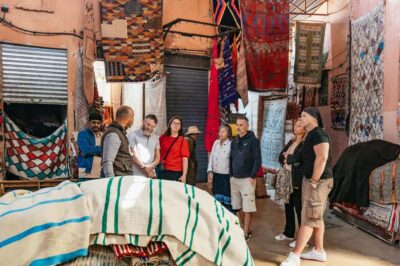
Museum, Al Attarine Madrasa & Tannery and Medina Tour
Read our review →
Bahia Palace, Madrasa Ben Youssef and Medina Tour
Read our review →
Explore Fes: Unforgettable Guided Walking Tour of the Medina
Read our review →Browse the lists this tour appears in