
Reviewed · MULTI-DAY TOURS IN CASABLANCA
Big Morocco Tour 15 Days From Casablanca
Morocco packs an astonishing range of scenery into 15 days: Atlantic beaches, Roman ruins, cedar forests, high mountain roads, kasbahs, and Sahara dunes. This private journey links the country’s great cities with smaller places such as Asilah, Midelt, Taroudant, and Essaouira.
I like the small maximum group of eight, which should make airport pickups, narrow medina walks, and long road days easier to manage. I also like the mix of planned sightseeing and local contact, from Gnawa music in Khamlia to saffron fields near Taliouine and a sunset camel ride in Erg Chebbi.
The tradeoff is pace. You cover a huge stretch of Morocco, and several days involve long drives followed by sightseeing. The price is also substantial at $3,019.78 per person, so confirm exactly which hotels and room arrangements are included before paying.
Key points at a glance
- The Sahara is a real centerpiece: You cross the Ziz Valley, reach Merzouga, ride camels over Erg Chebbi, and sleep at a desert camp.
- You see four imperial cities: Rabat, Meknes, Fes, and Marrakech each offer a different view of Moroccan power, faith, architecture, and city life.
- Fes and Marrakech include local guides: This matters most in the old medinas, where a good guide can explain what you are seeing and help you keep your bearings.
- The route crosses nearly every type of Moroccan scenery: Expect coast, mountains, cedar forests, valleys, gorges, rose country, and desert.
- The trip is private and capped at eight people: That gives you more flexibility than a large coach tour, though the vehicle still becomes your main living space on long drives.
- Most meals are not covered: Four dinners and 14 breakfasts are included, but lunches and drinks are your responsibility.
Casablanca begins with Morocco’s modern face
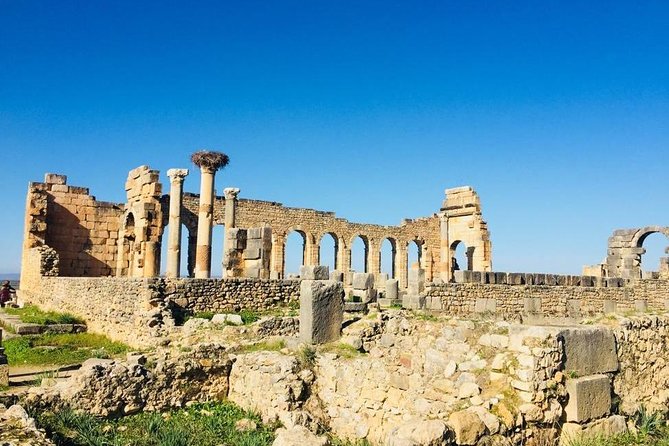
Your driver-guide meets you at Mohammed V Airport and takes you to your Casablanca hotel. If you arrive early, the pickup can also begin from your hotel, which is useful if you want a few nights in the city before the formal tour starts.
The main Casablanca visit is Hassan II Mosque, one of Morocco’s grandest buildings and the largest mosque of its kind in Africa. The scheduled visit lasts about two hours. The tour data lists admission as free, but you should confirm whether any guided interior visit or special access carries an extra charge.
Casablanca is not the old Morocco of storybooks. It is a working city, with business districts, traffic, and a modern coastal setting. That makes the mosque an effective opening stop: it gives you a strong architectural anchor before the tour turns toward royal cities, mountain villages, and desert roads.
More Multi-Day Tours in Casablanca
- 10 Day Desert Tour From Casablanca via the Imperial Cities
★ 5.0 · 254 reviews - 10D 9N Private Morocco Tour From Casablanca By Imperial Cities And South Desert
★ 5.0 · 156 reviews - 7 Days Luxury Desert Tour From Casablanca to Marrakech via fez -Camel trekking
★ 5.0 · 146 reviews
Rabat and the Atlantic north
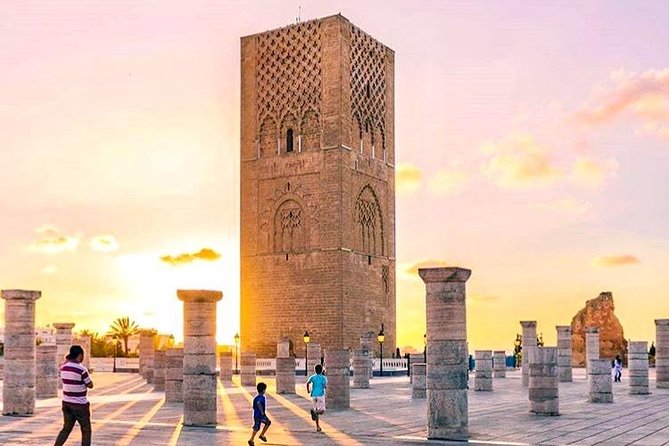
From Casablanca, you drive to Rabat, Morocco’s capital. The route includes the Mechouar, the tombs of Mohammed V and Hassan II, and the Kasbah of the Oudayas.
Rabat is a good early contrast with Casablanca. Its royal and administrative character feels more measured, while the Oudayas offers narrow lanes and views toward the coast. You spend the night in Rabat, so this is not just a rushed photo stop.
The next day takes you to Asilah, a small coastal town known for its appealing old quarter and seaside setting. The listed visit is short, about an hour, so think of Asilah as a pleasant pause rather than a full day of exploration.
Tangier receives more time. You see the city, Cap Spartel, and the Caves of Hercules before staying overnight. Cap Spartel marks the meeting point of the Atlantic and Mediterranean waters, while the caves bring one of Morocco’s most photographed coastal sights.
The schedule for Tangier is slightly awkward because the itinerary places some Tangier sightseeing on the following day before the trip to Chefchaouen. Your exact order may depend on arrival time and your driver’s plan. Ask for a clear day-by-day schedule if you care about a particular stop.
Chefchaouen adds color and a slower rhythm
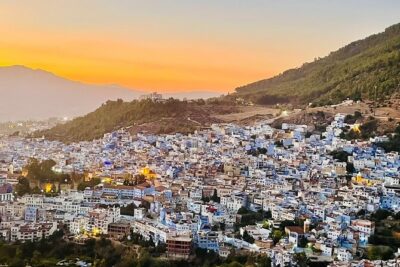
Chefchaouen is one of the trip’s most recognizable stops, with white and blue buildings set among green hills and crossed by a river. Two hours is enough to walk around and take in the town’s setting, but it is not a long stay.
That short visit is one of the itinerary’s weak points. Chefchaouen rewards unhurried wandering, and a single sightseeing block leaves little room for sitting with a mint tea, browsing shops, or simply watching daily life unfold.
Still, the stop breaks up the city-to-city pattern. After Casablanca, Rabat, Asilah, and Tangier, Chefchaouen gives you a smaller place where the pleasure comes from walking rather than checking off monuments.
Volubilis, Meknes, and the road to Fes
The route then heads through the Rif Mountains toward the Roman ruins of Volubilis and the imperial city of Meknes. Volubilis is especially useful for understanding that Morocco’s story reaches well beyond Islamic dynasties. Its ruins and mosaics show the Roman presence in North Africa.
Meknes brings the focus back to the Moroccan sultans. The planned stops include the old medina, ramparts, the mausoleum of Moulay Ismail, Bab Mansour, and Lahdim Square. Bab Mansour is the grand gateway most people associate with Meknes, while the mausoleum offers a more religious and ceremonial setting.
The itinerary gives only about an hour to Meknes before continuing to Fes, although another two-hour block is also listed for the medina before reaching your riad. That makes this another day where timing matters. If Meknes is a priority, ask whether the driver can protect enough walking time there rather than treating it mainly as a route stop.
You continue to Fes for the night. The use of a riad is appropriate here, since a traditional house in or near the medina can make the city feel more personal than a standard hotel.
A completely different kind of day in Casablanca:
- From Marrakech: Casablanca Tour with Hassan II Mosque Visit
★ 4.7 · 4,756 reviews - Casablanca: Hassan II Mosque Premium Tour with Entry Ticket
★ 4.5 · 2,971 reviews - Casablanca City Tour with Hassan II mosque ticket
★ 5.0 · 2,480 reviews - Casablanca Day Tour from Marrakech and Big Mosque Visit
★ 4.8 · 2,394 reviews
Fes deserves its full eight-hour day
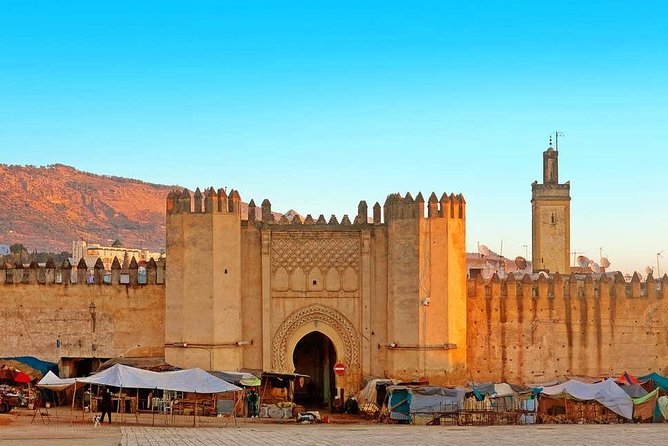
Fes is one of the strongest parts of the trip because it receives a full day. The old medina is a maze of narrow lanes filled with historic buildings, workshops, fountains, schools, and religious sites. This is exactly where a local guide is useful.
The planned sights include Al-Attarine Madrasa, the Nejjarine Fountain, Al-Qarawiyyin University, Bou Inania Madrasa, and the Mausoleum of Moulay Idriss. The itinerary describes Al-Qarawiyyin as the oldest university in the world, founded in 859. You should treat that wording as a historical claim with different definitions of what counts as a university, but the institution’s importance to Islamic learning is not in doubt.
The day also includes Fes el-Jdid, the newer section of the old royal city, lunch in a local restaurant, and a panoramic view over the medina. The schedule says the medina exploration ends after breakfast, then lunch follows before the later city visit. Meals are not included except for the four listed dinners, so budget for this lunch and choose with your guide’s help.
Past trips with Tilila Travel have used guides and drivers such as Yassin, Mustapha, Tawfiq, Hassan, and Karim. Their roles have included careful driving, restaurant suggestions, and help with family needs. The exact person assigned to your departure is not guaranteed, but you can ask the company before booking.
Across the Middle Atlas to Midelt
Leaving Fes, you cross the Middle Atlas Mountains toward Ifrane and Azrou. The road passes Berber villages and cedar forests, and Ifrane is often called Little Switzerland because of its tidy mountain setting and European-style appearance.
This is a scenic road day, not a long sightseeing day. Ifrane receives about 30 minutes, and Midelt about an hour before your overnight stay in a hotel or kasbah. The benefit is variety: you move from the dense old city of Fes into highland scenery in a single morning.
The drawback is another stretch of road with limited time on foot. If you get carsick, carry water and plan ahead. The itinerary is built around seeing much of Morocco, not lingering in each region.
Erfoud and the first Sahara sunset
From Midelt, the road follows the Ziz Valley toward Erfoud. Palms and valley views mark the shift from mountain country to the desert fringe. In Erfoud, the tour includes a stop at fossil shops.
You then continue to Merzouga and arrive before sunset. The plan calls for a walk in the desert and a climb up a sand dune to watch the light change. This is a fine introduction to the Sahara because it gives you open space and time outside the vehicle before the camel ride the next day.
The fossil stop is worth treating as a shopping opportunity rather than a required purchase. If you are interested, ask questions about the material and workmanship. If not, keep your focus on the valley and desert scenery.
Erg Chebbi brings the trip’s most memorable night

The Merzouga area receives a full day, which is welcome after the previous driving days. You visit Khamlia, known for its Gnawa music, and are offered tea while local musicians perform. You also visit a desert lake where several bird species may be seen, then continue toward Rissani and the Tafilalt region.
Rissani is linked with fortified villages, souks, and the origins of Morocco’s Alaouite dynasty. These stops give the desert section more substance than a simple dune excursion. You see settled communities and trade centers, not only sand.
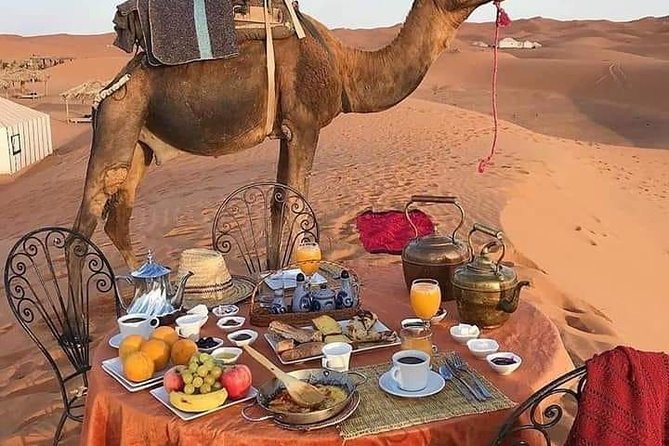
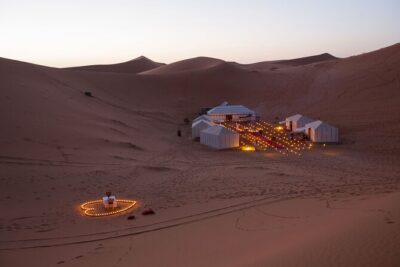
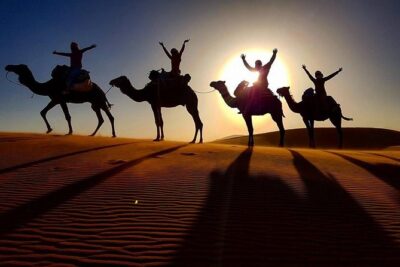
In the afternoon, you return to the hotel area for the camel trek. You ride across the dunes, watch sunset, and continue to a desert camp. Dinner, a campfire, quiet desert surroundings, and Berber music are part of the evening.
This is the trip’s clearest highlight, but keep your expectations practical. A camel ride can be uncomfortable, especially if you have back or hip problems. You should also confirm the camp standard, sleeping arrangements, and bathroom setup before booking, since those details are not provided.
Gorges, roses, and the Road of a Thousand Kasbahs
The next morning starts early for sunrise. That means you may have a short night after the camp evening, but the sunrise is one of the few moments on this route that justifies losing sleep.
You pass Rissani and Tafilalt again before reaching the Todra Gorges, where water runs from rocky mountains through a green valley. The listed stop lasts about an hour, enough for a walk and photographs, but not a full hike.
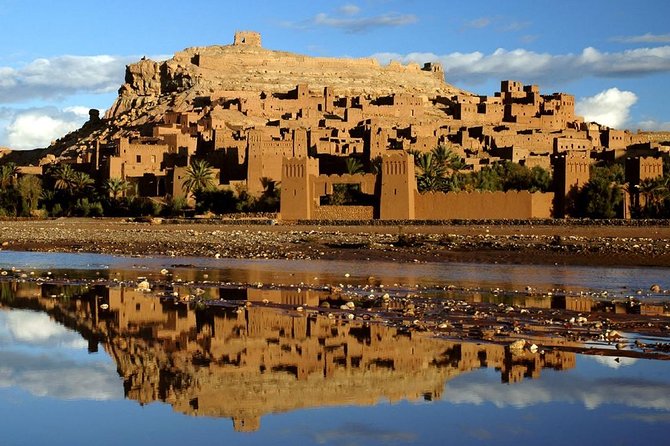
The road continues through Boumalne Dades and the Rose Valley, known for rose cultivation as well as apples, figs, and corn. Kasbahs line the route, giving it the popular name Road of a Thousand Kasbahs. You spend the night in Ouarzazate, a useful base between the desert and southern valleys.
This day is scenic but demanding. You have sunrise, a gorge, valley roads, and an evening arrival. Your driver’s skill matters here, and several past arrangements specifically praised drivers for safe, steady driving.
Taroudant, saffron country, and the Atlantic coast
From Ouarzazate, the tour heads through Taznakht and Taliouine toward Taroudant. The route offers a chance to visit saffron fields and meet local farm workers. Because the visit depends on timing and local access, treat it as an opportunity rather than a fixed farm tour.
Taroudant’s medina is enclosed by walls and is explored on foot for about two hours. It provides another walled city experience, but with a different pace from Fes or Marrakech.
The next day takes you toward Agadir for lunch, then along a quieter coastal road to Essaouira. The route includes views of argan trees with goats climbing into their branches, an odd but famous sight in southern Morocco.
Essaouira receives a full morning. You visit the seaport, the medina, and the Skala with its old structures and cannons. The schedule also includes the Sidi Mohammed Ben Abdallah Museum and market streets filled with local crafts.
Seafood lunch is planned before the drive to Marrakech. Lunch is not included, so this is another meal to budget for. Essaouira is one of the better places on the route to slow down, breathe sea air, and shop for crafts without the pressure of a packed inland medina.
Marrakech closes the circle
The final full sightseeing day belongs to Marrakech. Stops include the Menara, Bahia Palace, Badi Palace, Saadian Tombs, Koutoubia Mosque, and Djemaa el Fna.
The palaces and tombs show the city’s royal side, while Koutoubia provides its best-known religious landmark. Djemaa el Fna is most atmospheric at night, when storytellers, performers, and other entertainers gather. The schedule says the square is especially lively after dark, so ask how much free evening time you will have.
Marrakech can feel intense after two weeks on the road. That is part of its appeal, but it can also be tiring. A local guide helps you understand the main sights, while your free time lets you choose between more shopping, a quiet meal, or simply watching the square.
On Day 15, your driver transfers you back to Casablanca airport. The listed transfer takes about two hours, but your flight time should allow a generous buffer. The route ends where it began, which is convenient for a round-trip flight from Casablanca.
What the $3,019.78 price really covers
At $3,019.78 per person, this is not a budget bus tour. You are paying for private transportation, a small group, driver support, local guides in Fes and Marrakech, the camel ride, 14 breakfasts, and four dinners.
The value is strongest if you want one company to connect the whole country. You avoid arranging separate trains, desert transfers, local guides, and airport rides. The private format can also make a major difference for families, older relatives, or groups with different walking speeds.
The price is harder to judge if accommodation is not clearly listed as included. The itinerary names hotels, riads, kasbahs, and a desert camp, but the included list does not explicitly say lodging. Confirm the room category, number of nights, single supplement, and camp facilities in writing.
Also budget for 13 lunches, drinks, and any paid admissions or optional purchases. The listing marks most sightseeing as free, but that does not necessarily mean every interior visit or special access is covered.
Who should book this Morocco route?
Book it if you want Morocco’s major regions in one long trip and prefer a private vehicle over public transport. It suits families, small groups, and first-time visitors who want airport transfers, a planned route, and local help in the busiest medinas.
Think twice if you prefer slow travel. You will change hotels often, spend many hours on the road, and sometimes have less than a day at a place that deserves more. A custom itinerary with fewer stops could be better for repeat visitors or anyone who dislikes frequent packing.
The strongest reasons to choose this tour are its range, small group size, Sahara camp, and support from a local operator that has worked with drivers such as Mohammed, Yassin, Mustapha, Tawfiq, Hassan, and Karim. Before booking, confirm the exact driver, hotels, camp setup, vehicle seating, and daily driving times. If those details suit you, this is a practical way to see a remarkable amount of Morocco in 15 days.
FAQ
Where does the tour start and finish?
The tour starts with pickup at Mohammed V Airport in Casablanca, or from a Casablanca hotel if you have already arrived. It ends with a transfer to Casablanca airport on Day 15.
How long is the tour?
The experience lasts approximately 15 days, from the first Casablanca pickup through the final airport transfer.
What cities and regions does the route visit?
The route includes Casablanca, Rabat, Asilah, Tangier, Chefchaouen, Meknes, Fes, Ifrane, Midelt, Erfoud, Merzouga, Erg Chebbi, Todra Gorges, Ouarzazate, Taroudant, Essaouira, Agadir, Marrakech, and Casablanca.
Is the camel ride included?
Yes. A camel ride in the Sahara is included, along with a desert sunset and an overnight stay at a desert camp.
Are meals included?
Four dinners and 14 breakfasts are included. Lunches and drinks are not included.
Are local guides provided?
Yes. Local guides in Fes and Marrakech are included. The rest of the route is supported by private transportation and a driver-guide.
How large is the group?
The activity has a maximum of eight travelers, making it a small-group private experience.
Can I cancel for a full refund?
Yes, if you cancel at least 24 hours before the experience start time. Cancellations or changes made less than 24 hours beforehand are not accepted for a refund.
Just added around Casablanca
- Exclusive tour of Casablanca with access to the Hassan II Mosque★ 5.0 · 205 reviews
- Your Private Casablanca Transfer★ 5.0 · 52 reviews
- Casablanca Airport Transfer from hotel in Casablanca★ 5.0 · 18 reviews
- 14 Days From Casablanca- Morocco Grand Tour★ 5.0 · 24 reviews
- Casablanca City Tour: Hassan II Mosque, Medina & Hidden Gems★ 4.5 · 38 reviews
- Marrakeck City tour from Casablanca all the day around trip★ 5.0 · 35 reviews
- Religious Casablanca: Private Spiritual Tour Including Hassan II Mosque Visit★ 5.0 · 33 reviews
- Casablanca Night Tour with Andalusian Dinner Show★ 4.5 · 25 reviews
Multi-Day Tours in Casablanca, compared.
10 Day Desert Tour From Casablanca via the Imperial Cities
Read our review →
7 Days Luxury Desert Tour From Casablanca to Marrakech via fez -Camel trekking
Read our review →
12 Days From Casablanca- Cultural Immersion Tour
Read our review →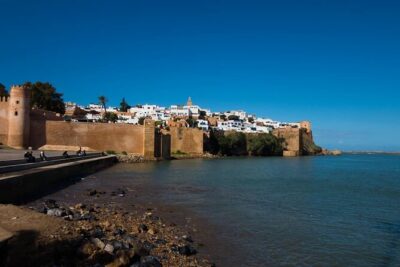
Browse the lists this tour appears in