
Reviewed · FOOD TOURS
Rabat Food Tour in the Old Town
Rabat’s best introduction may come one bite at a time. This 3 to 4-hour walk leads from Rabat Ville through the central market and old medina, then finishes near the Kasbah of the Udayas with mint tea and almond cookies by the river. Along the way, you sample the foods people actually buy and eat, not just the familiar parade of tagines.
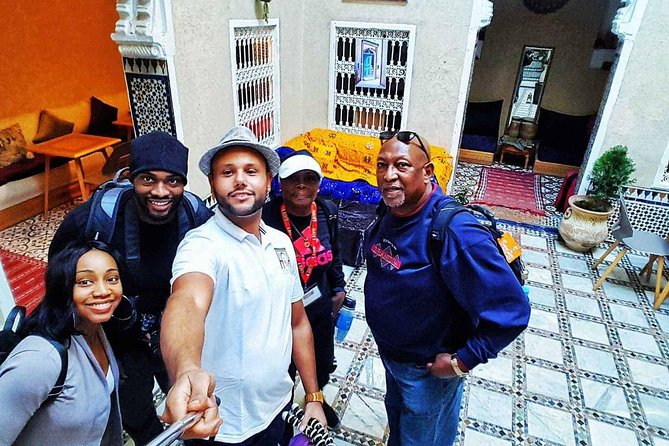
I like the small group limit of 12, which makes crowded medina lanes easier to manage, and I like the sit-down meal at Dar El Medina after the tastings. Guides including Mohamed, Iman, Imane, and Boutaina are praised for clear English, local stories, and a knack for answering questions. The main drawback is simple: you need a moderate level of fitness, a good appetite, and comfortable shoes.
Key points at a glance
- Start with Rabat’s central market: Your first tasting is usually bread near the end of Mohammed V Avenue.
- Taste beyond standard Moroccan dishes: Expect a changing mix of sweet and savory foods, snacks, bread, olives, dates, yogurt, soups, and other local specialties.
- Walk where the medina gets confusing: A guide helps you find small food stalls and side-street eateries you might pass by alone.
- Settle in for a two-course meal: Dar El Medina is usually the main lunch or dinner stop, and weekend live music may accompany the meal.
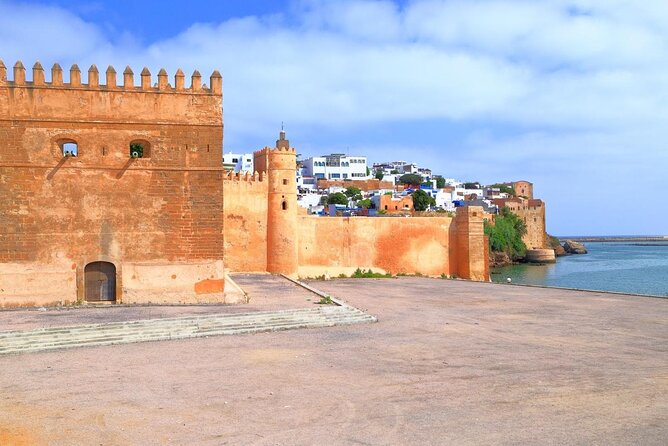
- Finish beside the Bouregreg River: Moroccan mint tea and almond cookies provide a calm final stop near the Kasbah des Udayas.
- Plan for value, not just volume: At $72.12 per person, the price covers tastings, a substantial meal, drinks, a guide, and the convenience of a small group.
Why this Rabat food walk works so well
Food tours can sometimes be a string of tiny samples with little sense of place. This one has a more useful shape. You begin in central Rabat, walk into the medina, eat along the way, sit down for a proper meal, and end by the river. The food provides a reason to move through the city, while the guide supplies the context.
I especially like the way this tour uses Rabat as more than a backdrop. Mohammed V Avenue, with its French-style architecture, provides a clear starting point. From there, you move toward the old medina, where the streets narrow and the food becomes more local and informal.
You should not expect a cooking class or a fixed tasting menu. The exact foods can vary, which is part of the point. The available tastings have included bread, soup, olives, dates, yogurt, snacks, sweets, and several tagines. Some food is prepared or displayed right in front of you, giving you a closer look at ingredients and everyday buying habits.
The strongest part is the combination of food and conversation. Guides such as Mohamed have been praised for funny stories and excellent English. Iman has been singled out for practical explanations of unfamiliar ingredients and cooking ideas. Boutaina and Imane have also led tours that mix food with Rabat’s history and Moroccan customs.
More Food Tours in Rabat:
- Rabat: Walking Food Tour
★ 4.9 · 48 reviews - Marrakech: Street Food Tour with a Local Guide
★ 4.9 · 3,119 reviews - Marrakech: Street Food Tour by Night
★ 4.8 · 2,838 reviews
From Mohammed V Avenue to the first bread tasting
The meeting point is at Rabat Ville on Avenue Mohammed V. This is a sensible place to begin because it is central and near public transportation. You do not start deep inside the maze, where finding the right doorway can be stressful.
The opening walk follows a historic avenue lined with French-style architecture. It is not only a transfer to the food stops. Your guide uses the route to introduce Rabat and point out how the modern city connects with the older medina.
Your first tasting usually takes place near the end of the boulevard, at or around the Central Market. Bread is the focus here. That may sound modest, but bread is a daily part of Moroccan life, and it gives you an immediate connection to ordinary meals rather than a special-occasion restaurant.
This stop lasts about 15 minutes. It is short, so do not expect a long market tour at this stage. Instead, think of it as your first taste and a quick look at how the city buys fresh food.
Inside Rabat’s medina, where the food gets more personal
The main walking section takes about an hour through the streets and alleys of the medina. This is where the tour earns its keep for anyone who finds old-town navigation tiring. Your guide leads you through food stalls and small shops that are easy to miss if you are concentrating on directions, traffic, or the general swirl of the market.
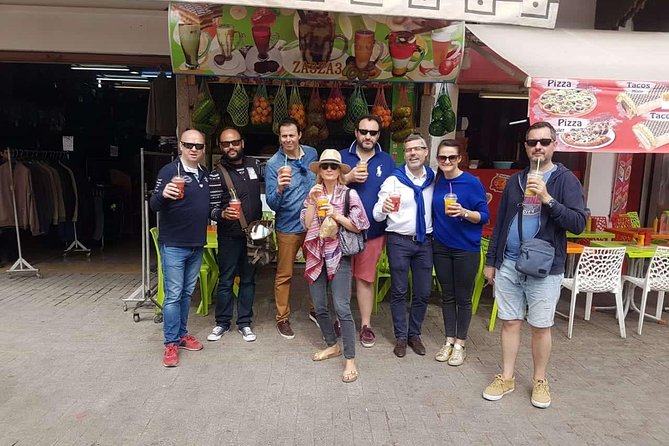
The tastings are designed to include variety. You might try savory foods, sweet treats, bread, olives, dates, soup, yogurt, and other local snacks. Several people have described tasting six or seven different foods before the main meal, though the exact number can change.
I appreciate that the focus is not only on tagine. Tagine is important, of course, but Moroccan cooking is far broader. This walk can introduce you to small bites, preserved foods, market produce, baked goods, and ingredients that do not always appear on a standard restaurant menu.
The medina is also the best place to ask questions. You can ask what an ingredient is used for, how a dish is eaten, or why a particular snack is common. One guide, Iman, is an accomplished home cook and has offered suggestions for using unfamiliar ingredients. That kind of advice is more useful than a memorized list of dish names.
Expect a moderate amount of walking on uneven streets and busy lanes. Wear shoes that are comfortable for several hours. There is no need to dress for a formal restaurant at the start, but you will want to be comfortable on your feet before reaching the meal.
Dar El Medina and the meal that brings everything together
After the market tastings, you usually stop at Dar El Medina for lunch or dinner. This is the point when the tour shifts from grazing to sitting down. The meal includes two courses, and it is often the most filling part of the afternoon or evening.
The restaurant is described as being on a narrow side street in the medina. That setting suits the tour. You are not simply being dropped at a large dining room after a market walk. You are continuing the old-town experience in a local restaurant.
The meal may include several Moroccan dishes served for the table, and the food has been described as plentiful. Some people have found the sit-down lunch the highlight of the tour. If you are planning to eat a full dinner afterward, keep that in mind. This is not a few token bites followed by a light plate.
Live music may accompany the meal on Saturdays and Sundays. It is not presented as a daily feature, so you should not book the tour solely for music. Still, if your schedule lines up with a weekend, it can add a pleasant sense of occasion.
The restaurant stop also gives you a chance to rest. That matters after an hour in the medina, especially if you are visiting during a warm part of the year. The tour moves at an easy pace, with stops spaced out rather than forcing you to rush from one tasting to the next.
A few more Rabat days worth comparing
- Private Rabat Day Trip from Casablanca
★ 5.0 · 382 reviews - Rabat Imperial City Day Trip from Casablanca
★ 4.5 · 353 reviews - From Casablanca: Rabat Guided Day Trip with Hotel Transfers
★ 4.7 · 334 reviews - Rabat: Full-Day Trip from Casablanca
★ 4.5 · 252 reviews
Mint tea by the Bouregreg River
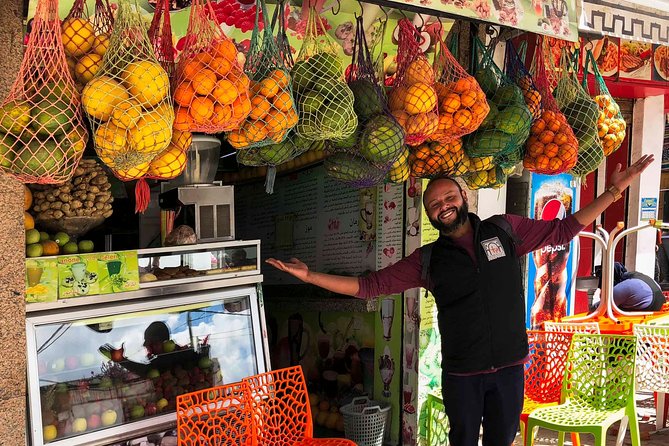
The final stop takes place at a café on the Corniche Bouregreg, near the Kasbah des Udayas. Here, you finish with Moroccan mint tea and almond cookies. The setting is a useful contrast to the tight medina lanes: open river views, a café seat, and time to let the meal settle.
Mint tea is more than a drink in Morocco. It is part of the country’s social welcome, and ending with tea gives the tour a natural closing ritual. The almond cookies add a sweet finish without turning the final stop into another full meal.
The tour ends at the riverside café rather than returning you to Rabat Ville. That is convenient if you want to continue near the Kasbah of the Udayas, but it is worth planning your next move. Hotel pickup and drop-off are not included, and you will need to make your own way back afterward.
What you are really paying for at $72.12
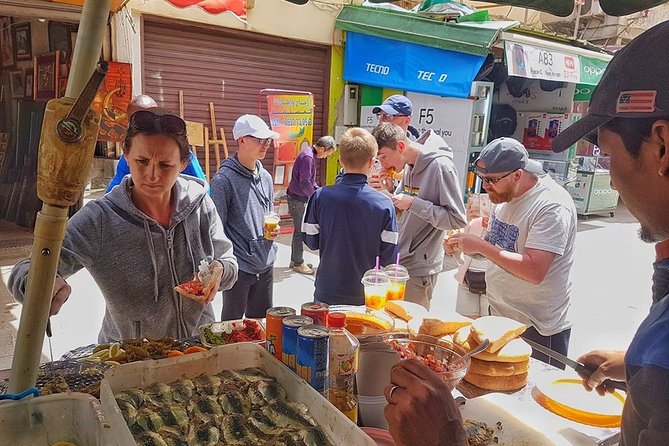
The $72.12 price is not cheap for a three-hour city activity, but the calculation changes once you consider what is included. You receive the guide, bottled water, snacks, coffee or tea, a two-course lunch or dinner, and the tastings along the route. Taxes and handling charges are also covered.
I would view this as a food-and-orientation tour rather than a meal alone. If you explored the same stops independently, you might spend less, but you would also need to choose the food, understand what you are buying, locate the restaurants, and navigate the medina without help.
The value is strongest for a first visit to Rabat, especially if you want food to introduce you to the city. A guide can help you recognize local products and explain how they fit into Moroccan life. You also get a ready-made route that connects the avenue, market, medina, restaurant, and river.
The price may feel less worthwhile if you already know Rabat well or prefer to choose every dish yourself. It is also more food than some people expect. Arrive hungry, and avoid scheduling a major meal immediately afterward.
The tour is commonly booked well ahead, with an average booking time of about 45 days. That does not guarantee it will sell out on your dates, but it is a sign that advance planning makes sense, particularly for a preferred day.
The guides make the difference
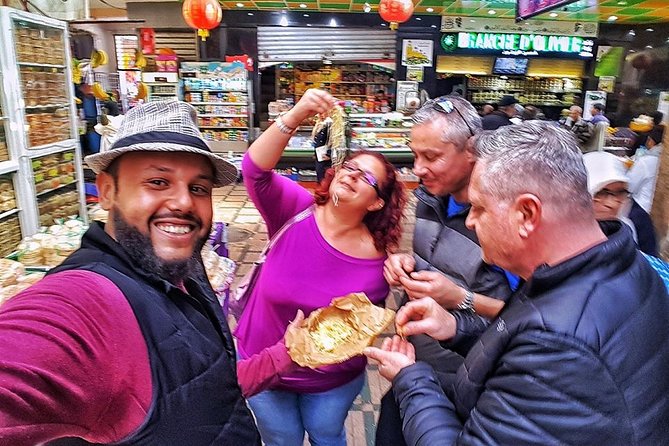
This tour relies heavily on the person leading it. The food route matters, but a good guide turns a series of samples into a lesson in Moroccan daily life.
Mohamed has led several tours and is praised for friendly conversation, strong English, cultural explanations, humor, and careful group management in crowded streets. He has also helped people understand the city beyond the food, answering questions about Rabat and local customs.
Iman is described as patient and personable, with a strong understanding of home cooking. Her ability to explain unfamiliar ingredients and suggest ways to use them is useful if you are curious about taking Moroccan flavors home.
Imane has been praised for welcoming first-time visitors to Morocco and explaining both sweet and savory foods. Boutaina has also been recognized for making the tasting stops enjoyable and easy to follow. Ibrahime has led tours that combine food, culture, and Rabat itself.
You may not receive a particular guide, so treat these names as examples of the guiding style to expect rather than a guarantee. The common thread is a personal approach, plenty of questions, and attention to the group.
Who should book this experience
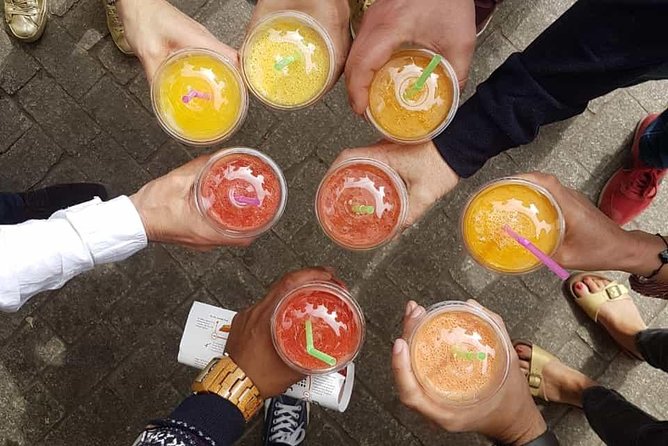
I would recommend this tour to you if you want a gentle introduction to Rabat and like trying foods outside the usual tourist menu. It suits curious eaters who enjoy asking questions and do not need every dish to be familiar.
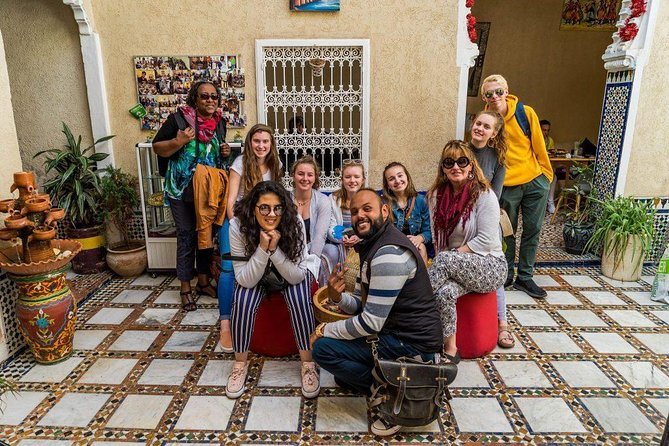
It is also a good fit for solo visitors or couples who want a small-group activity without arranging a private guide. With a maximum of 12 people, the group should remain manageable, though the medina itself can still feel crowded.
This tour may suit you especially well at the beginning of a Morocco trip. The guide can introduce foods you may encounter later in Marrakech, Casablanca, Fez, or elsewhere, and the market walk can help you feel more at ease around local food stalls.
You should think twice if you have very limited mobility, dislike walking on uneven streets, or prefer a short tasting rather than a full food outing. The tour requires moderate physical fitness, and the amount of food is substantial.
Vegetarian and vegan options are available, but you need to provide dietary requirements when booking. Do not wait until the first tasting to mention allergies or restrictions. Alcohol is not included.
Practical details before you go
The experience lasts roughly 3 to 4 hours, though the stated tour length is about 3 hours. Allow some flexibility because walking through a market and sitting down for a meal rarely runs like a train timetable.
Confirmation is provided at booking, and the mobile ticket makes the meeting details easy to carry. The starting point is Rabat Ville, Avenue Mohammed V. The end point is a café on Corniche Bouregreg near the Kasbah des Udayas.
Bring comfortable walking shoes and arrive ready to eat. Bottled water is included, but you may still prefer to carry a small bottle, especially on a warm day.
Free cancellation is available if you cancel at least 24 hours before the start time. Changes or cancellations inside that window are not accepted for a refund. The tour also requires a minimum number of participants, so a cancellation by the operator could lead to another date, another experience, or a full refund.
Should you book the Rabat Food Tour?
Book it if you want Rabat explained through everyday food, local markets, and a proper sit-down meal. The route gives you a useful first look at the city, while guides such as Mohamed, Iman, Imane, and Boutaina add the personal stories that make the tastings meaningful.
The strongest reasons to go are the range of foods, the help with medina navigation, and the meal at Dar El Medina. The riverfront tea and almond cookies are a pleasant final touch.
Skip it if you want a very short snack stop, dislike group tours, or have trouble walking for several hours. Otherwise, the $72.12 cost is fair for the amount of food, guidance, and city orientation included. Just wear good shoes, mention dietary needs early, and save room for more than you think you will eat.
FAQ
How long does the Rabat Food Tour last?
The tour lasts approximately 3 to 4 hours, with the planned food walk taking about 3 hours.
Where does the tour start?
It starts at Rabat Ville on Avenue Mohammed V in Rabat, Morocco.
Where does the tour end?
It ends at a riverside café on Corniche Bouregreg near the Kasbah des Udayas.
Is lunch or dinner included?
Yes. A two-course lunch or dinner is included, along with snacks, bottled water, coffee or tea, and the food tastings.
Are vegetarian and vegan options available?
Yes. Vegetarian and vegan options are available, but you must advise the operator of dietary requirements when booking.
How much walking is involved?
A moderate amount of walking is involved through the central market and medina. Comfortable walking shoes are recommended, and a moderate level of physical fitness is required.
Just added around Rabat
- Private Day Trip to Rabat Departure from Casablanca★ 5.0 · 33 reviews
- Casablanca to Rabat Full-Day Trip★ 4.0 · 27 reviews
- Private Full Day Tour from Casablanca to Rabat★ 5.0 · 23 reviews
- Guided tour of casablanca and rabat, full day.★ 5.0 · 38 reviews
- Best Private Day Trip to Rabat from Casablanca★ 4.5 · 45 reviews
- 7 Days / 6 Nights Private Morocco Tour from Casablanca or Rabat★ 5.0 · 34 reviews
- Rabat: Walking Food Tour★ 4.9 · 48 reviews
- Rabat: Private Half-Day City Tour★ 4.1 · 26 reviews
Food Tours, compared.
Authentic Moroccan Food Tour in Marrakech with Dinner
Read our review →
Evening Marrakech: Gastronomic and Market Tour Inside the Medina
Read our review →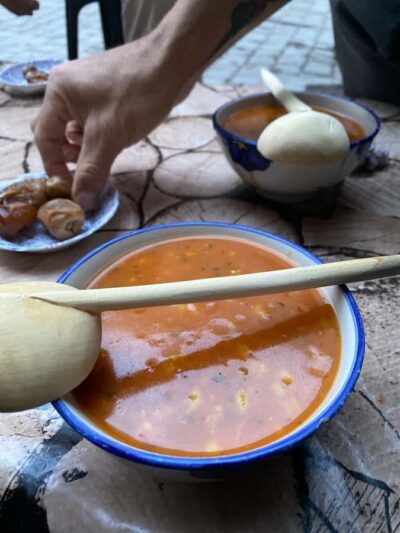
Marrakech Night Street Food Tour / Taste The Real Marrakech
Read our review →

Authentic Food Tour in Agadir – Eat Like A Local
Read our review →
Casablanca Food Tour – Moroccan Street Food Tour
Read our review →Browse the lists this tour appears in