
Reviewed · MEDINA AND SOUK TOURS
Marrakech: Medina Souks Guided Walking Tour
The best reason to take this tour is simple: the Marrakech souks are easier to enjoy when someone else knows the turns. Your guide leads you from Jemaa el-Fnaa into working sections devoted to spices, metal, dyeing, fabrics, food, and crafts, while explaining what you are seeing.
I like the access to small workshops and everyday Medina life, including communal bakeries, baths, fountains, and artisan areas that are easy to miss alone. I also like the practical help with shopping, including price negotiation when you want it. The main caution is that some stops may include a sales pitch, especially at shops selling oils, herbs, rugs, or other goods.
Key points to know before booking
- Start at Café de France in Jemaa el-Fnaa, a busy meeting point where several guides may be gathering at once.
- Follow a route through several specialist souks, including metalwork, fabric dyeing, spices, clothing, food, and antiques.
- Expect local color and useful context, not just a walk from shop to shop.
- Choose a morning or afternoon departure, with private tours offering more flexibility.
- Allow around three hours, though one experience ended after about two hours when the participant needed to leave.
- Plan for shopping pressure, since some stops may feel more commercial than others.
Why a guide helps in Marrakech’s Medina
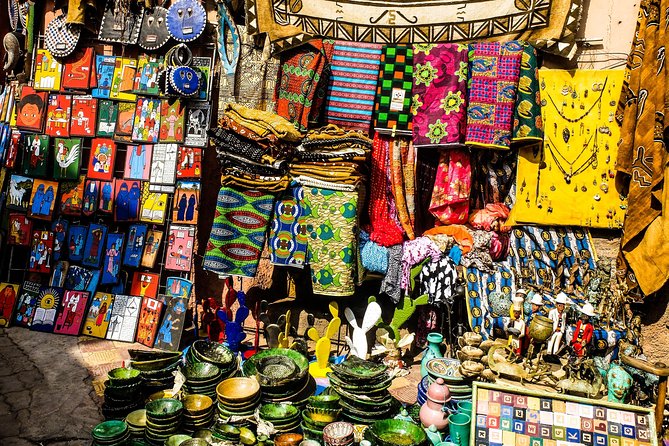
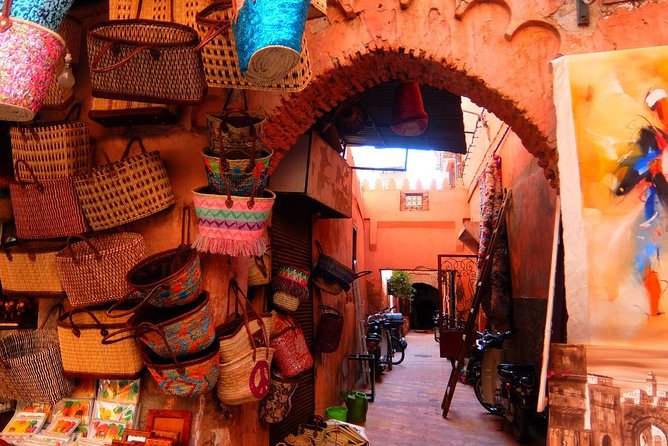
The Medina souks are not one neat market with clear signs. They are a web of narrow passages, small squares, covered lanes, workshops, food stalls, and shops that blend into one another. You can certainly walk in alone, but it is easy to lose your sense of direction or miss the places where goods are actually made.
This tour gives you a local guide who leads the way and explains the trades around you. Guides named Ali, Mohamed, Ismail, Osama, Abdul, Cherif, Hussain, and Yahya Lotfi have led different departures. Their approach can vary, but the best guides adjust the route to what you want to see.
That flexibility matters. If you care about spices, fabrics, metalwork, or gifts, tell your guide early. If you do not want to spend time in a particular shop, say so. One of the strongest features of the experience is the ability to ask for more of what interests you and less of what does not.
The tour is also useful at the start of a Marrakech visit. You learn the basic shape of the souks before returning on your own, and you get a first look at how prices, bargaining, and local crafts work.
More Medina and Souk Tours in Marrakech
- Marrakech: Bahia Palace, Saadian Tombs, Souk and Medina Tour
★ 4.7 · 4,974 reviews - Marrakech: Ben Youssef, Secret Garden, & Souks Walking Tour
★ 4.6 · 2,802 reviews - Marrakech: Colorful Medina Souks Guided Walking Tour
★ 4.7 · 2,470 reviews
Meeting at Jemaa el-Fnaa
The tour begins at Hôtel Restaurant Café de France, on Rue des Banques beside Jemaa el-Fnaa. The square is the natural starting point for a walk through the Medina, but it can be confusing at meeting time. Several guides may be looking for their groups, so arrive with your booking details ready and allow a few minutes to find the correct person.
The first stop at Jemaa el-Fnaa is short, about 10 minutes. It provides a useful orientation before you leave the open square and enter the covered lanes. This is where the tour shifts from the famous public face of Marrakech to the more enclosed world of workshops and stalls.
Do not expect a long historical lecture here. The value is in getting organized and moving into the souks with someone who knows the route. From this point, the walk becomes less about checking off sights and more about understanding how the Medina works.
Rahba Kedima and the spice trade
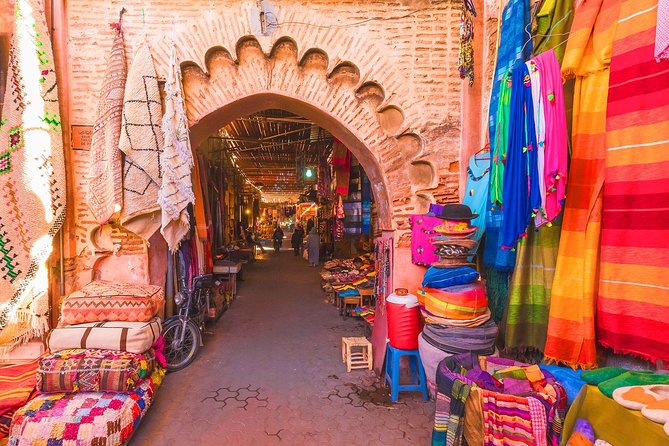
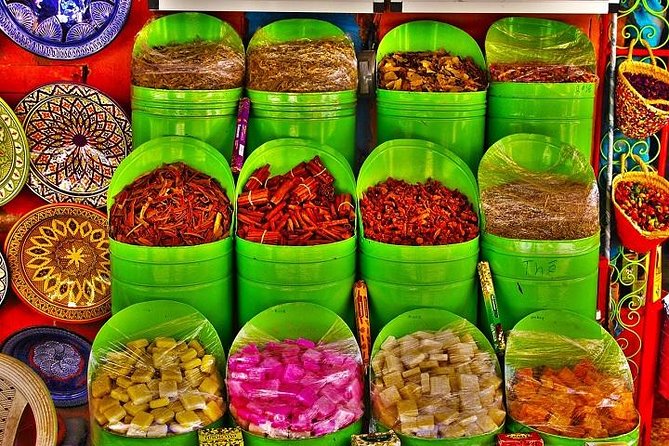
Rahba Kedima Square, often called Spice Square, is scheduled for about 15 minutes. It is a good place to see the colorful side of Marrakech’s market culture, with herbs, spices, traditional products, and shop displays arranged to catch your eye.
A guide can add useful context here by explaining how Moroccan customs connect with food, scent, beauty products, and household remedies. The tour may also include an herbalist shop, which several departures have featured.
This is one place to stay alert to the difference between information and selling. You may hear interesting explanations about oils, herbs, and spices, but you should feel free to listen without buying. If you do want something, ask the price clearly and compare before agreeing. Your guide may help with bargaining, but the final choice is yours.
Souk Haddadine and Marrakech metalwork
Souk Haddadine is devoted to traditional metalwork and lasts about 15 minutes. Here, the sound and activity change as you pass workshops where artisans shape or finish metal goods.
This stop helps you see the souks as working neighborhoods rather than just shopping streets. The products on display are not isolated souvenirs. They are connected to long-standing craft skills and to the daily business of making, repairing, and selling items.
The scheduled time is fairly short, so this is more of an introduction than a full craft demonstration. If metalwork interests you, ask your guide what is made locally and how the process works. A good explanation can make a quick stop feel much more meaningful.
More Walking Tours in Marrakech
- Marrakech: Medina by Night Walking Tour with Moroccan Tea
★ 4.6 · 586 reviews - Medina of Marrakech Walking Tour
★ 4.0 · 300 reviews - Marrakech: Authentic Moroccan Food Walking Tour & Dinner
★ 4.8 · 261 reviews - Marrakech: Monuments, Souks and Medina Guided Walking Tour
★ 4.8 · 208 reviews
The Medina’s fountains, baths, and everyday life
The central Medina section lasts about 30 minutes and is the broadest part of the walk. It is also where the tour can move beyond shopping. The route may include fountains, hammams, communal bakeries, and other corners of ordinary neighborhood life.
This is the part I find most valuable for anyone who wants more than a buying trip. Shops can show you what is sold, but a bakery or public bath offers a clue about how the old city functions. You begin to see the Medina as a place where people live and work, not simply a maze designed for visitors.
The exact stops can depend on the guide and the route. Guides such as Mohamed and Osama have been praised for explaining more about Moroccan culture and the city beyond the goods in the shops. If you want local history, ask direct questions. The tour is strongest when it becomes a conversation rather than a march from one store to the next.
Souk des Teinturiers and the art of dyeing
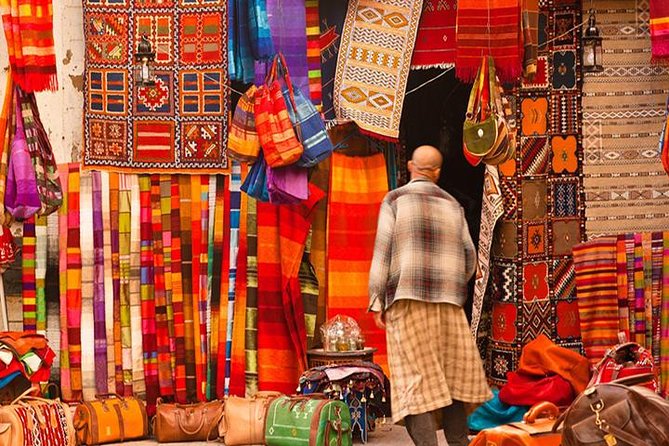
Souk des Teinturiers, also called Souk Sebbaghine, is the traditional fabric-dyeing area. The scheduled stop lasts about 15 minutes.
This is a particularly good stop for anyone interested in textiles. You can learn how the dyeing trade fits into the larger chain of Moroccan craft, from raw material and color to finished clothing or household fabric. The area also gives you a break from the general mix of goods found in the main shopping lanes.
Do not expect a long workshop class. The tour moves through several parts of the Medina, so the stop is designed to show you the area and explain its purpose. If you hope to buy fabric, ask about the difference between handmade and factory-produced items, and check how prices are calculated before you commit.
Souk Semmarine, the main shopping stretch
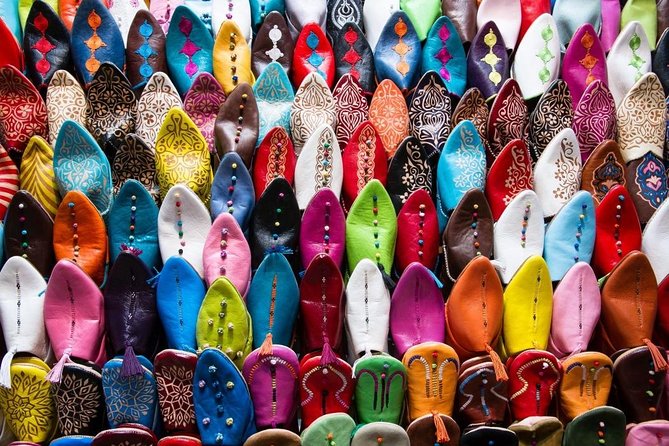
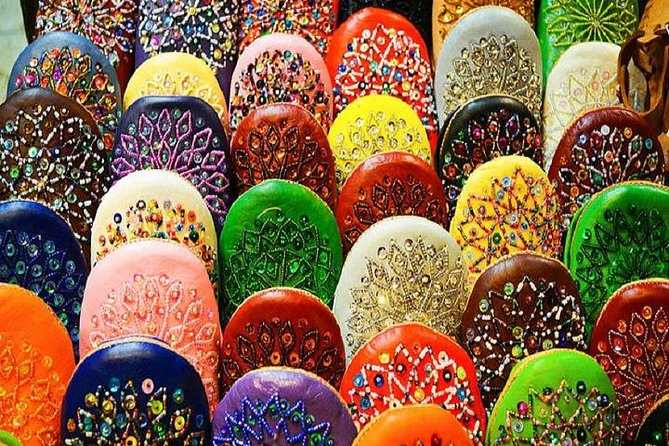
The final listed stop is Souk Semmarine, with about 30 minutes set aside. This is one of the main shopping routes and offers a wide mix of colorful clothing, fabrics, antiques, food, and spices.
You are likely to find this section more commercial than the smaller craft areas. That is useful if you have a shopping list, but it can also make the tour feel less focused on local life. The guide can help you sort through the choices and point you toward the type of shop you want.
Several guides have helped participants find specific items and negotiate prices. Yahya Lotfi, for example, has been praised for taking people to stalls that matched their interests and helping with purchases. That kind of assistance can be worth a great deal if you are unsure how bargaining works or worry about paying far too much.
Still, keep control of your wallet. A guide may introduce you to a store, but you do not need to buy anything. If a stop feels like a hard sell, say that you would rather continue walking.
What the shopping help is really worth
At $25 per person, the tour offers good value if you want orientation, local explanation, and help finding your way through the Medina. You are paying less for admission to a sight and more for three hours of guidance in a place where direction, language, and bargaining can all be tiring.
The value rises if you plan to shop. A guide may help you understand prices, explain products, and negotiate when you ask. That can save time and reduce the stress of making a purchase in an unfamiliar market.
The value is lower if you want to wander alone and avoid shops entirely. The route includes several commercial stops, and some guides may spend more time than you prefer at stores connected to the local trades. This is not necessarily a flaw, but it is part of the experience.
Small-group and private choices give you different levels of control. A small group can keep the price down and still give you a guide. Private tours allow more flexibility in departure time and make it easier to adjust the route around your interests. The supplied details also describe the activity as private for your group, so confirm the exact format when booking if group size matters to you.
Morning or afternoon: which works better?
You can choose a morning or afternoon departure. The better choice depends on your plans, since the route itself covers the same main areas.
A morning walk may suit you if you want to learn the souks early and return later for shopping. It also gives you a clear introduction before the Medina feels too tiring. An afternoon departure may work better if you prefer a slower start or want to combine the tour with other morning plans.
The walk lasts about three hours, although timing can vary. Wear comfortable shoes and expect narrow lanes, uneven walking surfaces, and frequent stops. There is no need to rush. The point is to look around, listen, and ask questions.
The activity ends back at the meeting point. That makes it easy to continue exploring Jemaa el-Fnaa afterward, though you should arrange your own drinks since they are not included.
Guides, language, and personal attention
The experience depends heavily on the guide. Strong guides have been described as friendly, clear, good at navigation, and able to explain local culture without making the route feel like a lecture.
Mohamed has led tours that included history, spices, oils, fabric dyeing, and help finding specific items. Ismail has been praised for moving through the lanes with confidence. Osama has taken people to places they would not have found alone, while Abdul has guided small groups of around eight people.
Hussain has also guided in Portuguese, which may help Brazilian visitors. Ali has been praised for explaining culture and history and for taking photos. Yahya Lotfi has helped with shopping and arranged a birthday surprise involving a silver hamsa, lunch at a rug shop, and a cake. That is not a standard promise of the tour, but it shows how much a private guide may tailor the experience.
Because different guides lead different departures, do not assume every tour will feel identical. The guide’s personality and your own questions will shape the morning or afternoon.
Who will enjoy this walk most?
I would choose this tour if you are visiting Marrakech for a short stay, feel uneasy about entering the souks alone, or want local context while you shop. It is also a good fit for first-time visitors who want to learn the layout before returning independently.
Families can participate, though children must be accompanied by an adult. Service animals are allowed, and the experience is near public transportation. Most people can take part, but remember that this is a walking tour through narrow market lanes.
You may prefer to skip it if you dislike shopping stops, do not want to bargain, or already know the Medina well. Independent walkers may enjoy setting their own pace more. Still, even confident walkers can benefit from a guide if they want to see artisan areas, baths, bakeries, and less obvious routes.
Booking, cancellation, and practical details
Confirmation is provided when you book, and mobile tickets are accepted. The meeting point is Café de France at Jemaa el-Fnaa, and the activity returns there.
Free cancellation is available up to 24 hours before the local start time. Canceling within 24 hours, or changing the booking during that period, does not qualify for a refund.
The price is $25 per person. Group discounts are available, and private options can provide greater control over the departure time and route. Drinks are not included, so plan for your own refreshments before, during, or after the walk.
Should you book the Marrakech souks tour?
Book it if you want to get your bearings fast, see several specialist markets, and have someone explain what you are looking at. The strongest parts are the route through working craft areas, the chance to see parts of everyday Medina life, and the guide’s help with shopping and negotiation.
Go in with realistic expectations. This is not a quiet museum tour, and some stops may carry a sales pitch. Tell your guide what you want, ask questions, and do not feel obliged to buy.
For first-time visitors, $25 is a fair price for three hours of orientation and local help. I would choose a private option if you have particular shopping goals or want flexible timing. A small-group departure makes more sense if you mainly want a safe, informative introduction at a lower cost.
FAQ
Where does the Marrakech souks tour begin?
The tour begins at Hôtel Restaurant Café de France, located beside Jemaa el-Fnaa on Rue des Banques in Marrakech.
Where does the tour end?
The activity ends back at the meeting point at Café de France.
How long does the tour last?
The tour lasts approximately three hours, although the exact duration can vary.
What areas does the walking tour visit?
The route includes Jemaa el-Fnaa, Rahba Kedima Square, Souk Haddadine, the Medina of Marrakech, Souk des Teinturiers, and Souk Semmarine.
Are morning and afternoon departures available?
Yes. You can choose between morning and afternoon departures.
Is the tour private or shared?
Small-group and private options are available. Private tours allow more flexible departure times, and the activity details describe private participation for your group. Confirm the format you want when booking.
Is shopping included in the tour?
Shopping is not required, but the route includes time to stop at shops and artisan areas. Guides may help explain products and negotiate prices when you decide to buy.
What is the cancellation policy?
You can cancel for a full refund up to 24 hours before the experience start time. Cancellations or changes made less than 24 hours before the start time are not refunded.
Just added around Marrakech
- Quad in the Palmeraie of Marrakech★ 5.0 · 41 reviews
- Marrakech Desert Camel Ride★ 5.0 · 17 reviews
- Sunset Camel Ride in the Palm Grove Of Marrakech★ 5.0 · 34 reviews
- Private Airport Transfer from or to Marrakech Menara Airport.★ 4.5 · 63 reviews
- Marrakech The History and Culture Day Trip★ 4.5 · 45 reviews
- Marrakech: Tailor-Made City Tour With Your Own Private Guide★ 4.9 · 236 reviews
- Marrakech palm grove: Sunset camel ride★ 4.8 · 194 reviews
- Marrakech: Sunrise Desert Tour with Camel Ride and Breakfast★ 4.4 · 36 reviews
Medina and Souk Tours, compared.
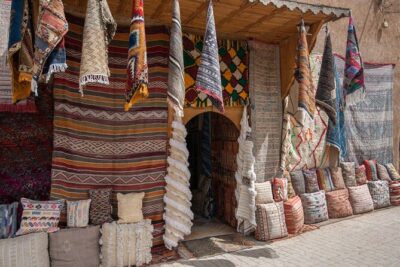
Bahia Palace, Saadian Tombs, Souk and Medina Tour
Read our review →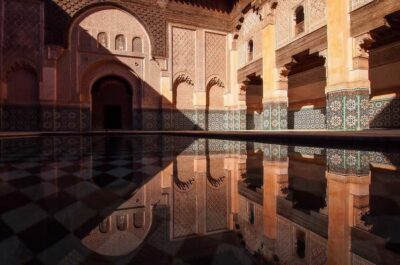
Ben Youssef, Secret Garden, & Souks Walking Tour
Read our review →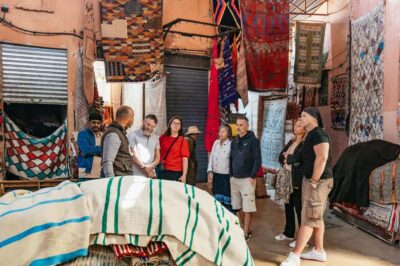
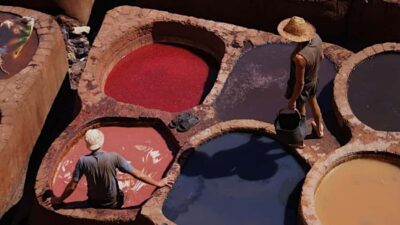
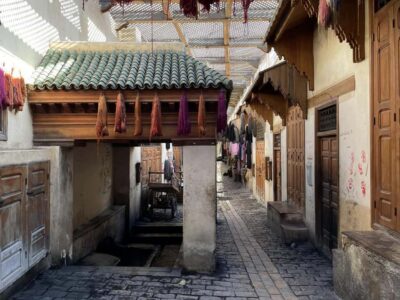
Museum, Al Attarine Madrasa & Tannery and Medina Tour
Read our review →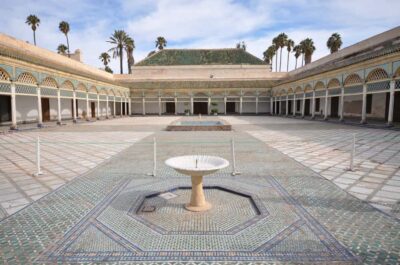
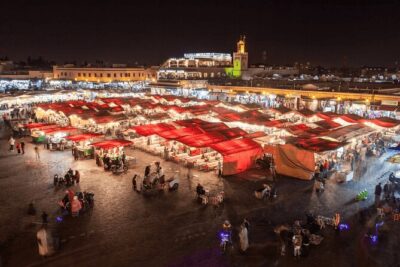
Bahia Palace, Madrasa Ben Youssef and Medina Tour
Read our review →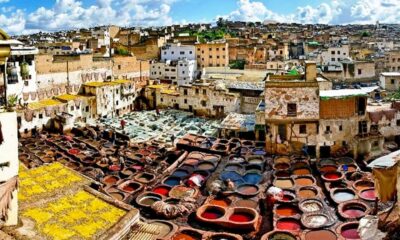
Explore Fes: Unforgettable Guided Walking Tour of the Medina
Read our review →Browse the lists this tour appears in