
Reviewed · MEDINA AND SOUK TOURS
Casablanca Cultural Tour: Medina, Views & Local Delights
Casablanca makes the most sense when you see its old medina, French-era center, local cafés, and oceanfront sights in one sweep. This four-hour tour does exactly that, beginning at Rick’s Café and ending with a broad view of Hassan II Mosque and the Atlantic.
I like the blend of walking and short taxi rides, which lets you cover far more ground than a walking tour alone. I also like the food stops: olives, Moroccan mint tea or coffee, and pastries such as gazelle horns and Fekkas. The main consideration is pace. Four hours is a lot of Casablanca, so some stops are photo visits rather than long explorations.
Key points to know before booking

- Rick’s Café sets the scene: Hear stories about the film Casablanca and begin in one of the city’s most recognizable meeting spots.
- The route covers old and modern Casa: Walk the medina, then see Mohammed V Square, Sacred Heart Cathedral, Arab League Parc, and the Habous Quarter.
- Pastries are part of the experience: Stop at Bennis Pastry House for Moroccan sweets and learn about local baking customs.
- Taxi rides save time: Transport between key sites makes the tour practical for a first visit, though city traffic can affect the schedule.
- Al Aank provides the grand finale: Look across the Atlantic toward Hassan II Mosque from an observation deck.
- Guiding is a major strength: Guides including Mohammed, Aafif, Hicham, and Bennis are praised for personal attention, local knowledge, and extra help beyond the scheduled route.
Why this tour works well in Casablanca
Casablanca is not a city that reveals itself from one postcard viewpoint. Its appeal comes from contrasts: white modern buildings beside worn medina walls, French planning beside Moroccan market life, and grand religious architecture beside ordinary cafés and bakeries.
This tour gives you that contrast in a compact package. You walk where the city feels most personal, then use taxis to connect districts that are too spread out to cover comfortably on foot in four hours. That structure is especially useful if you have only one day in Casablanca, are stopping during a cruise, or want an orientation before exploring alone.
The price is $53 per person. For four hours with an English-speaking guide, taxi transportation between major sites, several tastings, and the observation deck, I consider that a fair price. It is not the cheapest way to wander around town, but the route would be difficult to reproduce efficiently without local help.
The small-group format is another plus. The group can include up to 12 people, and private arrangements are available. In quieter periods, the group may be much smaller. That matters here because medina lanes and pastry shops are easier to manage when your guide is not trying to keep a large crowd together.
More Medina and Souk Tours in Casablanca:
- Morning Casablanca: The Medina and Beyond Cultural Walking Tour
★ 5.0 · 284 reviews - Discovering Life & Walk Inside Old Medina /With Taxi Back Hotel
★ 4.5 · 97 reviews - Traditional Souks Shopping Private Tour in Casablanca
★ 5.0 · 64 reviews
Starting at Rick’s Café and the Sqala area
The meeting point is in front of Rick’s Café at Place du Jardin public, on Boulevard Sour Jdid. Starting here gives the tour an immediate sense of place, even if you are not a film enthusiast.
Your guide explains the connection between Casablanca and the famous 1940s movie, along with behind-the-scenes stories about the film and its iconic setting. Rick’s Café is best understood as a cultural reference point rather than a complete portrait of the real city. The tour quickly moves beyond movie nostalgia and into Casablanca’s streets, food, and architecture.
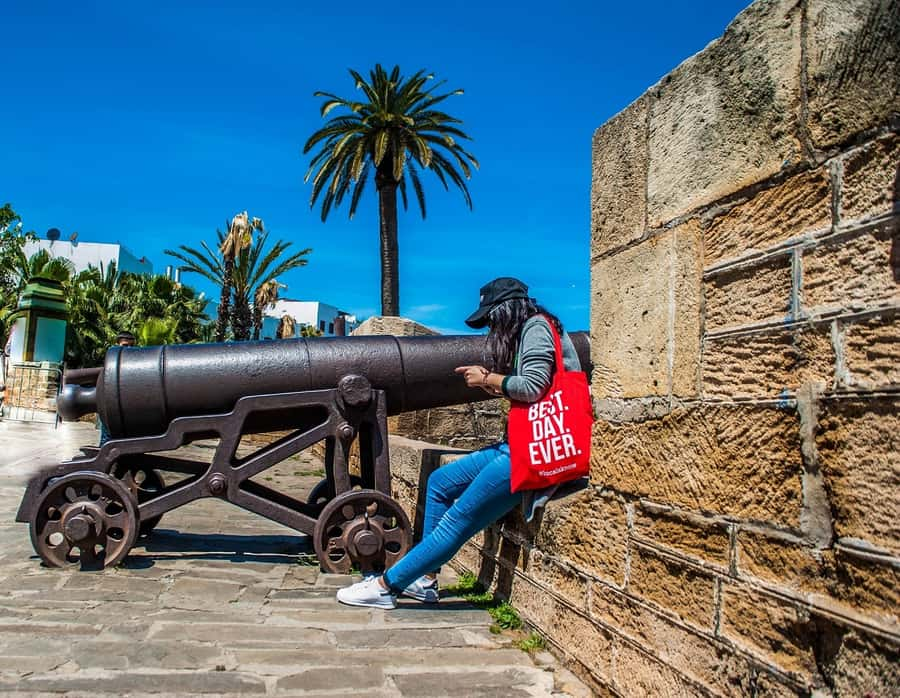
From there, the route reaches the Sqala Tower area. The Portuguese-era fortifications and old cannons point to Casablanca’s long position on the Atlantic trade route. You also get open coastal views, a welcome change from the narrow lanes of the medina.
This part is a good reminder that Casablanca is more than an urban stop between airport and hotel. The sea shaped its trade, defenses, neighborhoods, and daily rhythm. Bring comfortable shoes, since the route combines pavement, uneven older streets, and extended periods on foot.
Mohammed V Square and the French-Moroccan city
The tour then moves into the central districts, including Mohammed V Square, often called Pigeon Square. This is one of the places where Casablanca’s French and Moroccan influences are easiest to read in the buildings, public spaces, and broad urban layout.
Your guide provides context about the city’s development and points out architectural details you might otherwise pass without noticing. The value here is not simply taking a photo of a square. It is learning how Casablanca changed from a port settlement into Morocco’s major economic center.
You also visit Arab League Parc, a calmer green space near the Sacred Heart Cathedral. The park offers a pause between city streets and helps break up the walking. The Sacred Heart Cathedral adds another layer to the city’s story. Its presence reflects the French colonial period and the mixed religious and cultural influences that shaped central Casablanca.
The cathedral’s condition and access can vary, so treat it as an architectural stop rather than assuming you will receive a full interior visit. The guide’s explanation is likely to matter more than the amount of time spent inside.
Walking through the old medina
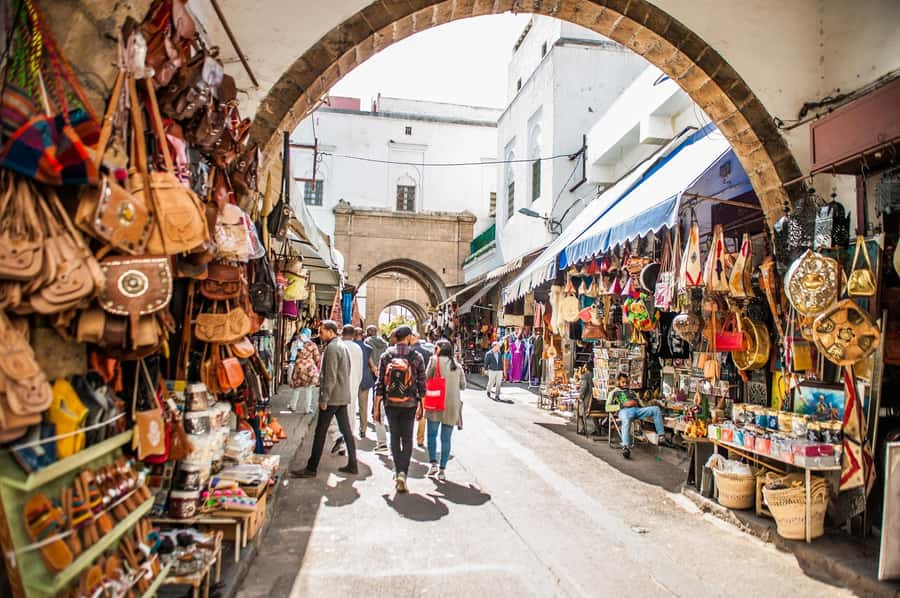
The old medina is where the tour becomes most connected to everyday Casablanca. Instead of only looking at major monuments, you pass through market lanes, local shops, and small artisan businesses.
You can browse traditional goods and see how the older city works as a living neighborhood. This is also the section where a guide earns the fee. A local guide can explain what you are seeing, help you read the pace of the market, and point out details that are easy to miss when you are concerned about directions.
The walking route is not designed as a long shopping session. You will have time to look at goods and may find items worth buying, but the tour also has several more stops ahead. If you want a slow, serious shopping trip, plan a separate visit to return to the medina.
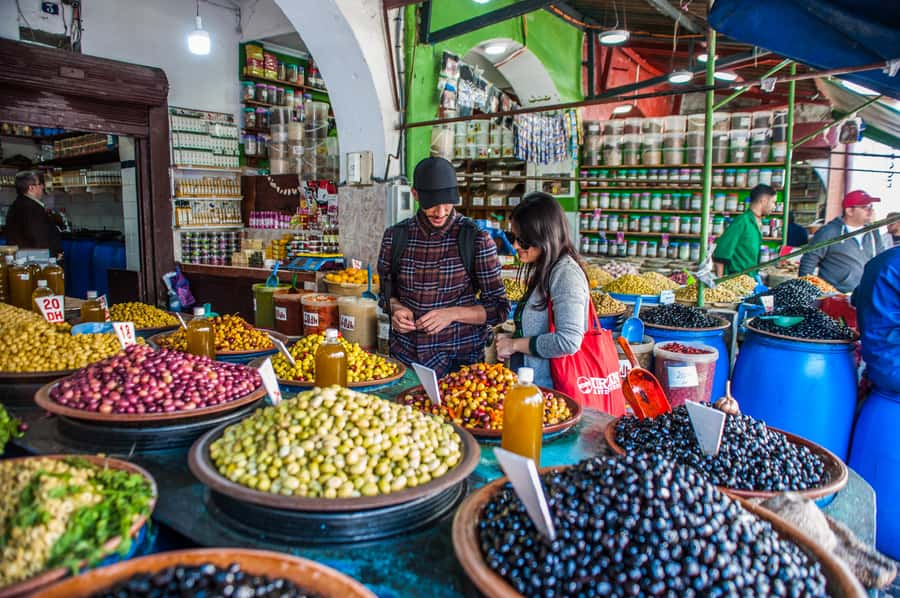
One food element here is a tasting of traditional Moroccan olives. It is a small detail, but it brings the market to life in a more direct way than a lecture about Moroccan cuisine. The tour also includes a visit to a food market and time at a local café for tea.
More Historical Tours in Casablanca:
- Casablanca to Fez: Scenic & Historical Day Trip with Lunch
★ 4.7 · 111 reviews - 6-Day Private Morocco Cultural Tour From Casablanca To Marrakech
★ 5.0 · 24 reviews - Marrakech Historical and Cultural Tour – Half Day City Tour
★ 4.5 · 1,180 reviews - Fez: Guided Walking Tour of the Historic Medina
★ 5.0 · 359 reviews
Habous Quarter: a different kind of old Casablanca
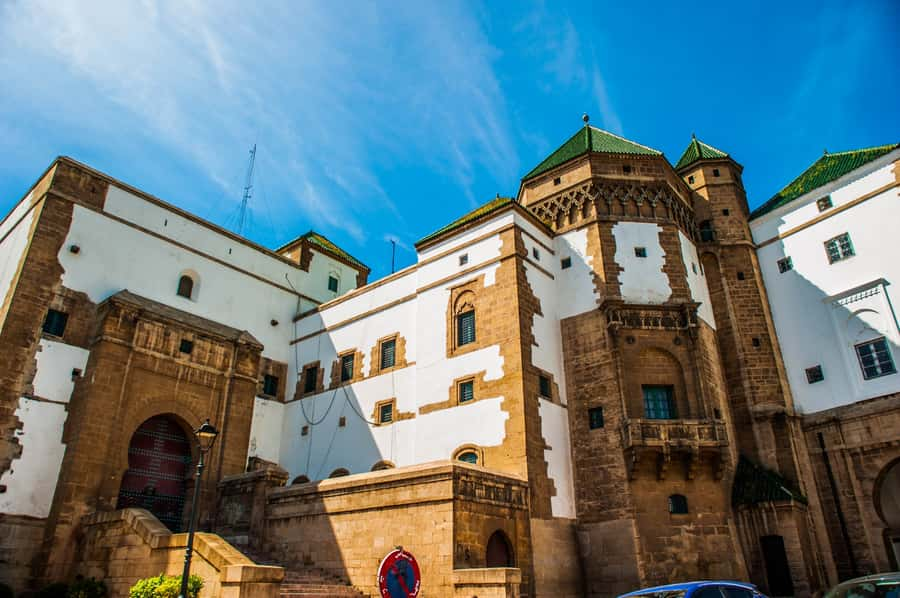
The Habous Quarter offers a clear contrast with the older medina. Its streets and buildings combine French planning with Moroccan forms, arcades, shops, and decorative details. It was created as a planned district, yet it has the feel of a traditional neighborhood.
This is one of my favorite parts of the route because it gives you two versions of Casablanca’s past in a short time. The old medina feels irregular and tightly packed. Habous feels more orderly, while still offering traditional products and local shopping.
You might find Moroccan goods such as crafts, clothing, leather items, or food products, but the precise shopping opportunities depend on what is open that day. Your guide can help you understand the difference between a useful local purchase and a shop aimed mainly at short-term visitors.
The district is a good place to ask practical questions about Morocco: how religious and cultural traditions shape daily life, how old buildings are maintained, and how Casablanca balances preservation with modern growth. Several guides, including Mohammed and Aafif, are praised for answering questions in a personal and engaging way rather than delivering a fixed speech.
Bennis Pastry House and Moroccan tea
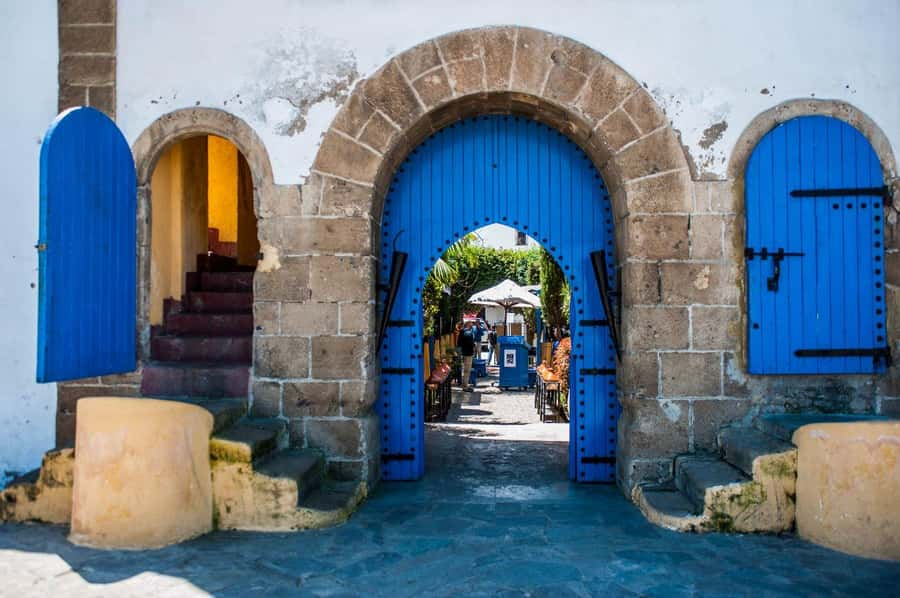
The pastry stop gives the tour its most enjoyable local flavor. At Bennis Pastry House, you sample Moroccan sweets including gazelle horns and Fekkas, usually alongside Moroccan mint tea or coffee.
Gazelle horns are delicate crescent-shaped pastries, while Fekkas is a firmer, biscuit-like sweet. The point is not to turn the tour into a full meal. It is to show you the role of neighborhood bakeries and the range of textures found in Moroccan pastry.
The included food details require a little care when budgeting. A pastry tasting and a coffee or mint tea are part of the experience, but extra pastries and additional food or drinks are not included. If you see something you want to take away, expect to pay separately.
Dietary needs can be accommodated, including vegetarian requests, but you should notify the operator in advance. If you have allergies or avoid particular ingredients, do not wait until you arrive at the bakery to mention it.
The café stop is also a useful social pause. Several guides have gone beyond the formal program by helping visitors choose a restaurant or arranging a taxi afterward. That sort of practical assistance can be valuable if Casablanca is your first stop in Morocco and you are still learning how the city works.
Taxi rides make the ambitious route possible
This is not a four-hour walking tour with a few quick photographs. You use taxis between important sites, then walk within each area. The taxis are part of the experience because they show you how the city connects, but they also make the schedule less predictable.
Traffic, weather, and the time needed to gather a small group can affect how long you spend at each stop. On a clear day, the combination feels efficient. In cold rain, the outdoor portions are less pleasant, and the open views near the coast may not be at their best.
One practical issue concerns cruise passengers. The meeting point is at Rick’s Café, while some ship shuttles drop passengers at United Nations Square. A late-arriving cruise passenger once needed help reaching the start and was collected by car. That kind of assistance may be possible, but you should contact the operator ahead of time rather than count on an improvised pickup.
If your ship schedule is tight, share the arrival and departure details when booking. The tour has helped visitors with onward transport and hotel drop-offs, but the advertised finish is not the cruise terminal.
The Al Aank view of Hassan II Mosque
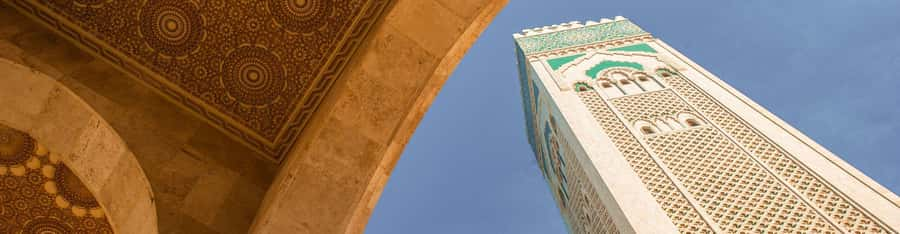
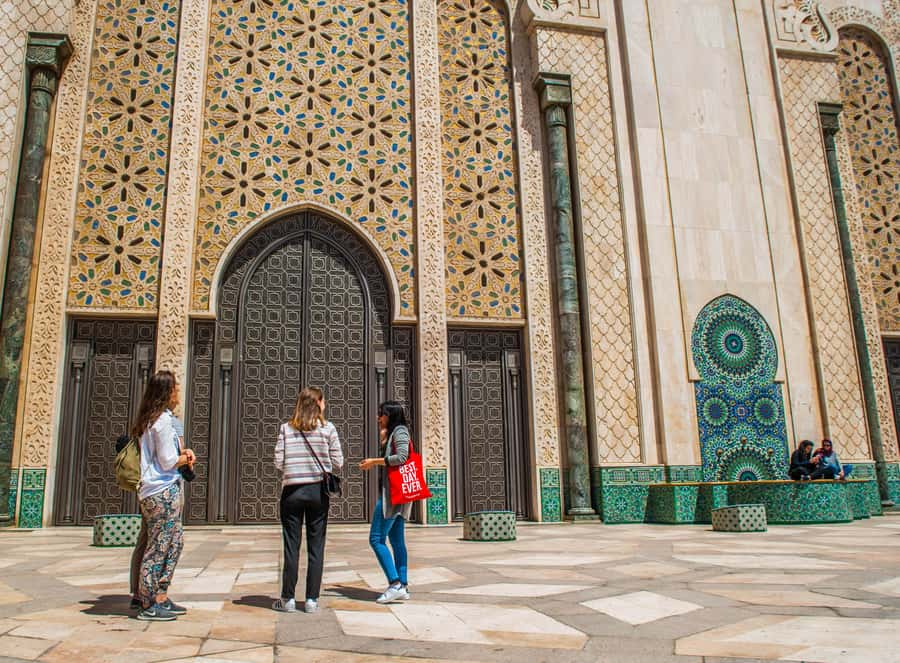
The final stop is Al Aank Observation Deck, where you look toward Hassan II Mosque and the Atlantic Ocean. This is a strong ending because it pulls the city’s main themes together: religion, architecture, the coast, and Casablanca’s modern identity.
The observation deck is primarily a viewpoint. The tour does not promise an interior visit to Hassan II Mosque, and the mosque is not the same as the Sacred Heart Cathedral stop. If seeing the mosque inside is a priority, ask about arranging a separate visit or extending your plans. Some guides have helped visitors fit in a mosque visit when schedules allowed, but that should not be treated as guaranteed.
The view is especially useful after several hours among streets and buildings. You can see the mosque in relation to the ocean rather than only as an isolated monument. Bring a phone or camera, but also allow time to listen. Your guide can explain why the mosque matters to Casablanca and Morocco beyond its size and appearance.
The guides are central to the experience
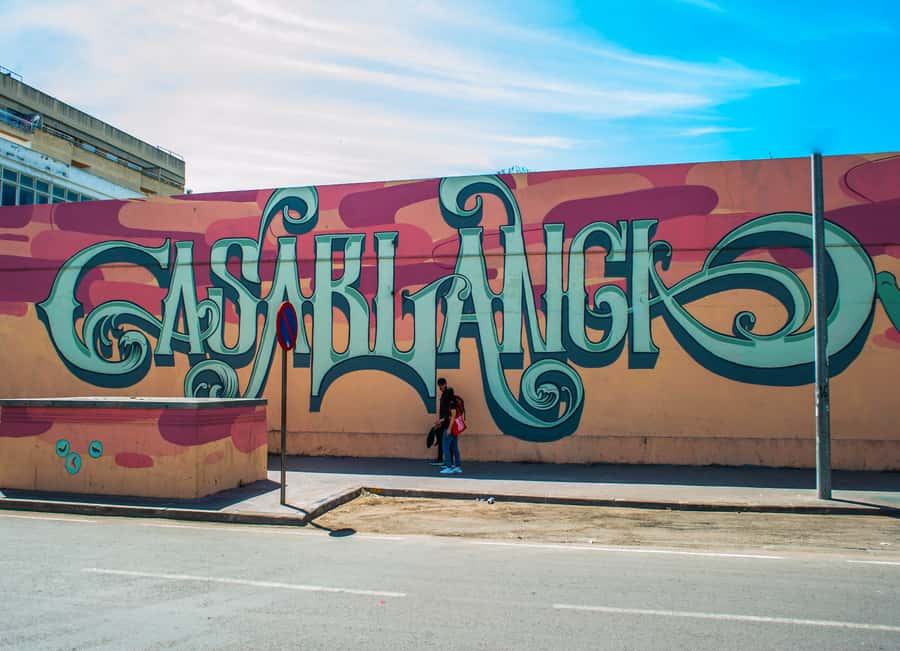
The strongest part of this tour is the human element. Guides named Mohammed, Aafif, Hicham, Bennis, and Afif have led departures, with repeated praise for their warmth, local insight, patience, and willingness to adjust the route.
That flexibility shows up in practical ways. Guides have added a site, extended the tour for a mosque visit, helped with restaurant choices, arranged taxis, and walked people toward their next destination. One guide even made sure a visitor knew how to return safely to United Nations Square after the tour.
You should still remember that the exact guide and route can vary. A small group may receive more individual attention, while a private departure gives you the best chance to shape the pace. The tour is offered in English, and private groups are available.
Who should book this Casablanca tour?
I would choose this tour if you want a first look at Casablanca without spending hours sorting out transport and directions. It suits first-time visitors, cruise passengers with a limited window, couples, solo visitors, and anyone who prefers a local guide to a self-guided introduction.
It is also a good match if you care about food and ordinary city life as much as famous buildings. The olive tasting, pastry stop, café break, medina, and Habous Quarter keep the day grounded in local routines.
I would be more cautious if you want long museum visits, a slow shopping day, or an in-depth tour of Hassan II Mosque. The itinerary covers a lot, so it favors range over extended time at one site.
You need comfortable shoes and clothing suited to the weather. The tour is carbon neutral and operated by a B Corp certified company, which may matter if responsible travel is part of your booking decision. Free cancellation is available up to 24 hours before departure, and you can reserve now and pay later.
Should you book it?
Book this tour if you have four hours and want Casablanca explained through its streets, architecture, food, and coastal views. The combination of walking and taxis gives you a useful overview, while the guides add the personal help that can make a large city feel manageable.
Skip it only if you prefer to stay in one district or want a full mosque visit as the main event. For most first visits, the $53 price offers solid value, especially when you consider the guide, transport between sites, tastings, and the small-group format.
FAQ
Where does the Casablanca cultural tour start?
It starts in front of Rick’s Café at Place du Jardin public, 248 Boulevard Sour Jdid, Casablanca.
How long does the tour last?
The tour lasts four hours. Starting times depend on availability.
Is the tour conducted in English?
Yes. The tour includes a live English-speaking guide.
Does the tour include taxi transportation?
Yes. Taxi transportation between key sites is included, while the main sightseeing sections are done on foot.
What food and drink are included?
The experience includes a tasting of traditional Moroccan olives, a pastry tasting at a local spot, and coffee or Moroccan mint tea at a local café. Additional pastries, food, and drinks cost extra.
Can I book a private group?
Yes. Private group arrangements are available. The standard small group can include up to 12 people.
Just added around Casablanca
- Exclusive tour of Casablanca with access to the Hassan II Mosque★ 5.0 · 205 reviews
- Your Private Casablanca Transfer★ 5.0 · 52 reviews
- Casablanca Airport Transfer from hotel in Casablanca★ 5.0 · 18 reviews
- 14 Days From Casablanca- Morocco Grand Tour★ 5.0 · 24 reviews
- Casablanca City Tour: Hassan II Mosque, Medina & Hidden Gems★ 4.5 · 38 reviews
- Marrakeck City tour from Casablanca all the day around trip★ 5.0 · 35 reviews
- Religious Casablanca: Private Spiritual Tour Including Hassan II Mosque Visit★ 5.0 · 33 reviews
- Casablanca Night Tour with Andalusian Dinner Show★ 4.5 · 25 reviews
Medina and Souk Tours, compared.
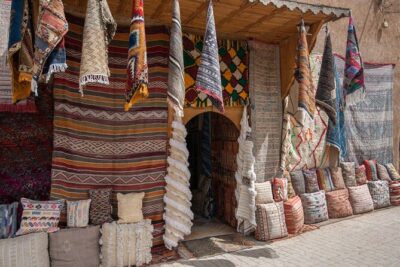
Bahia Palace, Saadian Tombs, Souk and Medina Tour
Read our review →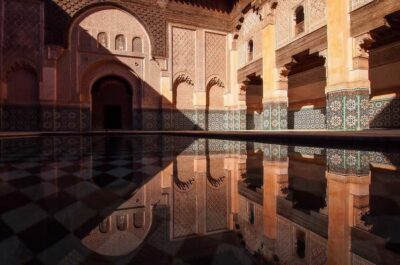
Ben Youssef, Secret Garden, & Souks Walking Tour
Read our review →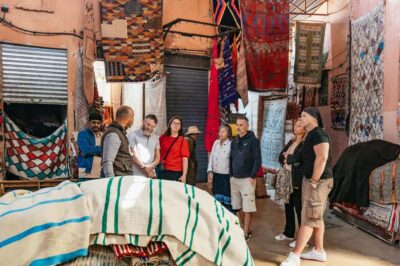
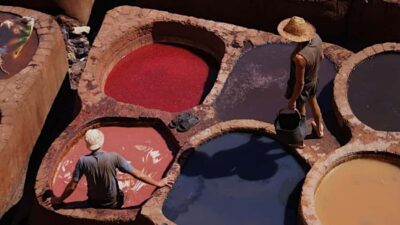
Museum, Al Attarine Madrasa & Tannery and Medina Tour
Read our review →
Bahia Palace, Madrasa Ben Youssef and Medina Tour
Read our review →
Explore Fes: Unforgettable Guided Walking Tour of the Medina
Read our review →Browse the lists this tour appears in