
Reviewed · TANGIER TOURS
Tangier Full-Day Grand Tour
Tangier makes sense when you see both sides of it in one outing: the polished boulevards and royal residences, then the steep, twisting lanes of the Kasbah and Medina. This tour links those worlds with Cape Spartel, where the Atlantic meets the Mediterranean, and the old workshops where leather, wood, and silver goods are still made by hand.
I like the private format and the way it lets your guide adjust the pace. Guides such as Rashid, Ahmed, Hicham, and Achraf are often praised for explaining the city clearly, finding good photo spots, and changing the route around your interests. I also like that transport is included, so you can cover distant Cape Spartel and the port before tackling the old city on foot.
The main consideration is that some stops connected with shopping, such as spice shops and restaurants, are aimed at visitors and may carry tourist prices. You should also expect busy Tangier traffic and limited free time in the Medina unless you ask for it directly.
Key points to know before booking
- Cape Spartel marks two seas: Visit the lighthouse area at the entrance to the Strait of Gibraltar, where the Atlantic Ocean and Mediterranean Sea meet.
- The itinerary covers old and new Tangier: See modern boulevards, villa districts, royal property, the Kasbah, Medina, and Grand Socco.
- Private touring brings flexibility: Your guide can spend more time on crafts, food, history, photos, or the Medina, depending on your interests.
- The Medina is the heart of the walking portion: Expect narrow streets, local workshops, markets, leather goods, woodwork, and silver handicrafts.
- The Hercules Caves cost extra: Entry is optional and listed at €8 per person, with the cave stop adding a mythic and archaeological note to the day.
- It works well for port calls: Pickup is available at Tangier port, your hotel, or an address in town, with return transport included.
Seeing Tangier in one well-planned sweep
At $63 per person, this five-hour tour is priced as a practical introduction rather than a slow, specialist study of Tangier. You get a private group, an air-conditioned vehicle, a guide in English, French, or Spanish, and a route that reaches places too far apart to cover easily on foot.
That matters in Tangier. Cape Spartel lies away from the Medina, while the old city itself is best explored by walking. Doing both independently in a short port visit can mean juggling taxis, directions, opening times, and a strict return deadline. Here, the driver handles the road while your guide explains what you are seeing.
The strongest value comes when two or more people share the booking. A private tour at a group-style price gives you a more personal pace, though the exact vehicle and guide may vary. The most useful approach is to tell your guide at the start what matters most: old-city history, photography, food, crafts, shopping, or a quick overview before continuing your Moroccan trip.
More Full-Day Trips in Tangier:
- From Tarifa: Tangier Full-Day Trip with Lunch
★ 3.8 · 776 reviews - Full Day Private Tour of Tangier
★ 5.0 · 372 reviews - From Tangier: Full-Day Tangier, Asilah, & Cape Spartel Tour
★ 4.6 · 309 reviews
Port pickup and Tangier’s modern face
The day usually begins at Tangier port or at your hotel. Cruise passengers should pay close attention to the meeting instructions, especially if they do not have shipboard Wi-Fi. One visitor had trouble receiving the message in time, though other guides helped make contact. Confirming the meeting point before leaving the ship is a sensible step.
From the port, the route crosses the modern part of Tangier. Large boulevards, newer districts, villa areas, celebrity homes, and palaces show a side of the city that is easy to miss if you head straight for the Medina. The summer residence of the Moroccan royal family is also included in the drive-by sightseeing.
This part is not a major walking attraction. Its value is context. Tangier is not only a maze of old lanes and whitewashed walls. It is also a port city with expanding roads, grand homes, modern neighborhoods, and a prominent place in northern Morocco.
Your guide can explain how the city’s location drew Romans, Arabs, Moors, Portuguese, French, and others. That sequence gives the rest of the tour a useful frame. Tangier’s identity comes from contact between cultures, not from one single period.
Cape Spartel and the meeting of two seas
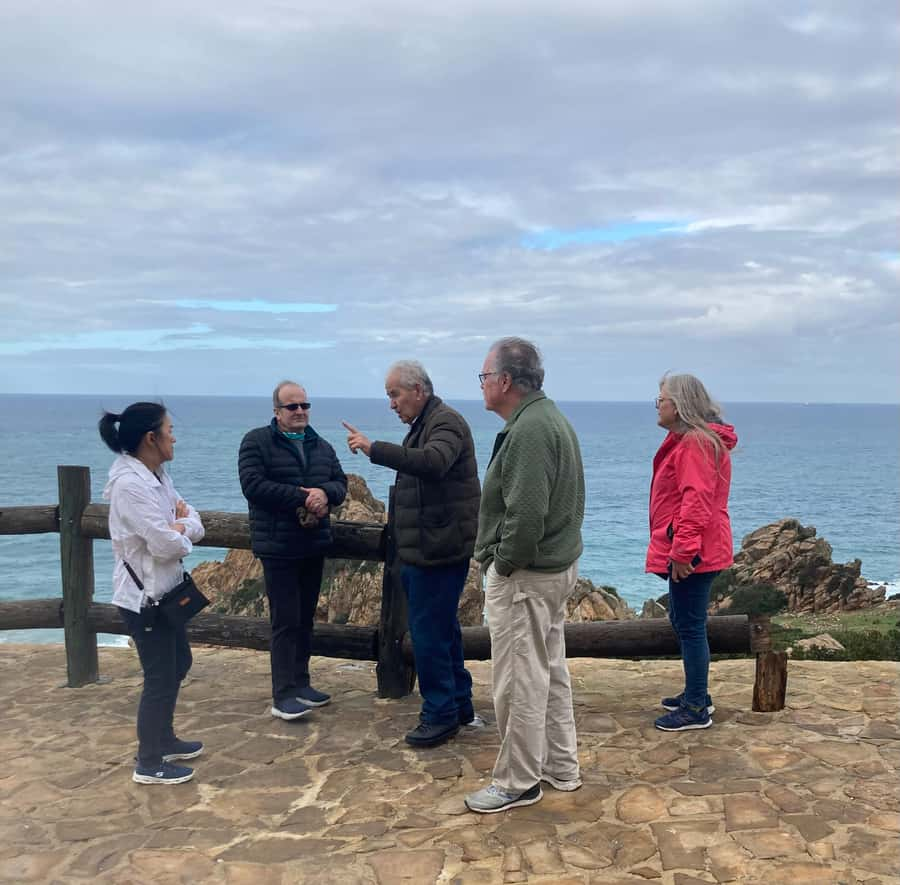
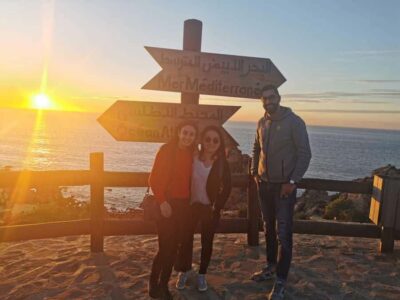
Cape Spartel is the most dramatic natural stop on the route. The cape sits at the entrance to the Strait of Gibraltar, where the Atlantic and Mediterranean come together. The lighthouse is the easy visual marker, and the open views make this a good place for photographs.
The exact quality of the view depends on weather. On a clear day, the cape gives you a strong sense of Tangier’s position between Europe, Africa, the Atlantic, and the Mediterranean. In hazier conditions, the lighthouse and cliffside setting still make the stop worthwhile, but you should not expect a perfect horizon every time.
This is also one of the points where a private tour helps. You can ask for a little time to take photographs instead of being hurried through a fixed group schedule. Several visitors appreciated guides who stopped at good viewpoints and took pictures for them. If you want a family or couple photo, simply ask.
Camels, the Hercules Caves, and optional extras
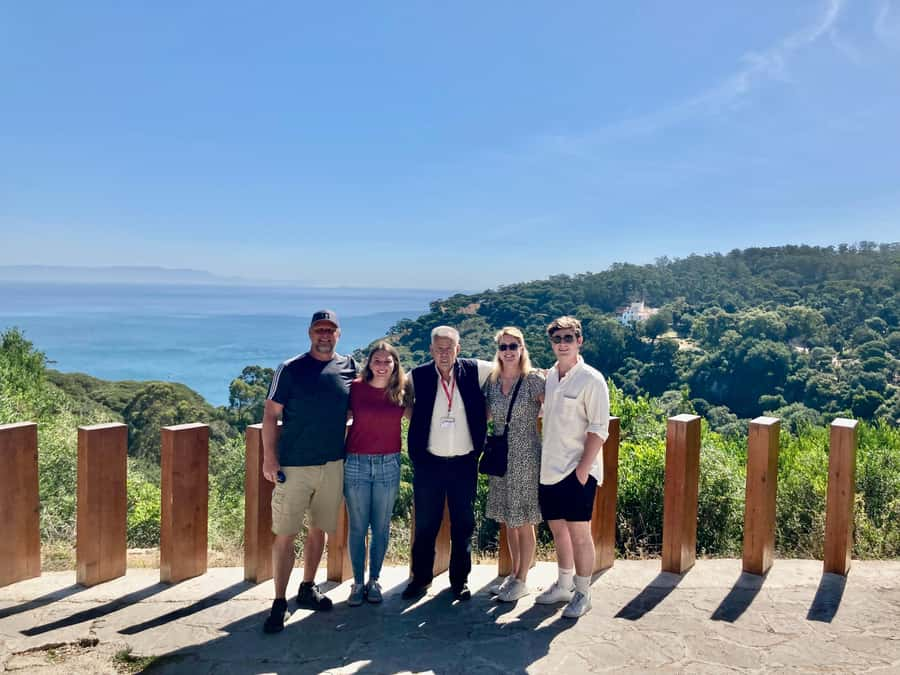
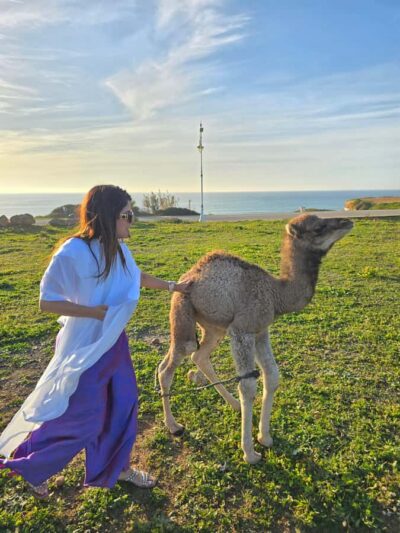
Near the coastal stops, you may have the chance to see or ride camels. The camel stop is mainly a photo opportunity, so think of it as a brief novelty rather than a major cultural visit. You are free to take pictures without making it the center of the day.
The Caves of Hercules are optional, with an entrance fee of €8 per person. The caves have been occupied since Neolithic times, while the famous story links them to Hercules, who is said to have created the Strait of Gibraltar with one blow of his hand.
That blend of archaeology, geology, and legend is what makes the stop appealing. It is not just a photo stop by the sea. It gives your guide a chance to explain how Tangier’s past mixes recorded events with old stories that still shape the city’s image.
Because the cave entrance is not included, ask your guide what is open and how much time remains before you pay. If your priority is the Medina, you may prefer to spend more of the allotted time there. If this is your only visit to Tangier, the extra fee can be reasonable for the added setting and folklore.
A few more Tangier days worth comparing
- From Tangier: Cap Spartel and Hercules Cave with Camel Ride
★ 4.7 · 1,157 reviews - Tangier: Hop-On Hop-Off Sightseeing Bus
★ 4.1 · 769 reviews - From Tarifa: Tangier Day Trip with Lunch and Ferry
★ 4.3 · 631 reviews - Tangier: Sunset, Tea, Sweets, Camel Ride, and Hercules Caves
★ 4.9 · 575 reviews
Walking through the Kasbah
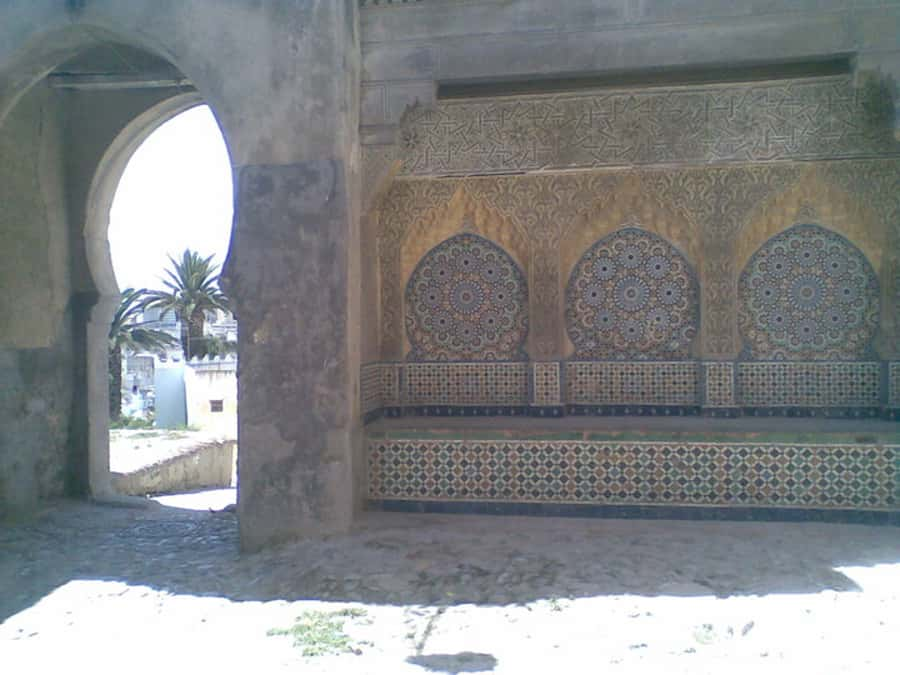
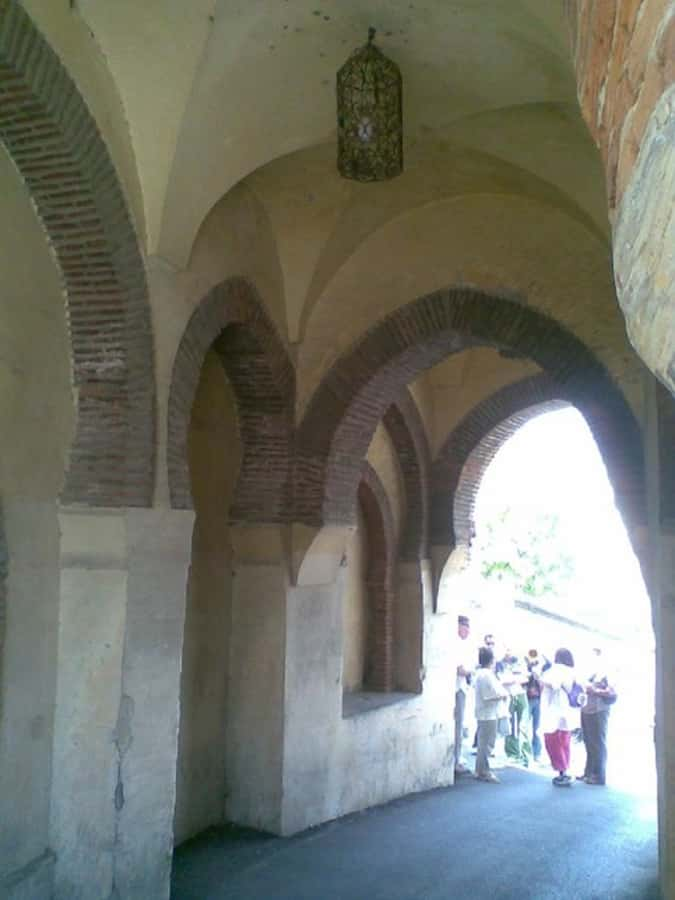
The Kasbah is where the tour changes pace. The vehicle gives way to walking, and the streets become narrower, more uneven, and more atmospheric. You will see the old defensive quarter and hear how its position shaped the city.
The Kasbah is not a place to rush through while looking only for grand monuments. Its appeal lies in the pattern of streets, doorways, walls, viewpoints, and everyday movement. A good guide helps you read what you are seeing instead of treating the area as a backdrop for photographs.
Guides including Hicham, known to some locals by the nickname Chop-Chop, and Rashid have been praised for knowing the old city well and for being greeted by people along the way. That local connection can make the walk feel less like a route through disconnected sights and more like an introduction to a lived-in neighborhood.
Walking ability matters here. The tour is wheelchair accessible, but the Medina and Kasbah portion still involves old-city streets and pedestrian movement. Tell the guide about mobility needs at the start. Previous bookings included older visitors and a parent with a baby, and the guide and driver adjusted the pace and vehicle access where possible.
The Medina, crafts, and local tastes
The Medina is the most rewarding part of the tour if you want contact with traditional Tangier. Its lanes form a compact maze, and it is easy to lose your sense of direction without a local escort. Your guide leads you through markets and workshops where artisans work with leather, wood, and silver.
The craft element is important. You are not only looking at finished souvenirs behind glass. You might see the work taking shape, ask questions, and learn how these trades fit into the old city. The setting is also a practical introduction to shopping customs, though you should remember that a demonstration shop may be set up with visitors in mind.
Some stops can include spices, local products, or restaurants. These places are not necessarily poor choices, but they may charge tourist prices. You are not required to buy anything, and you should say clearly if you would rather keep walking or spend more time looking at the streets.
Food can be part of the day, but it is not included. Guides have suggested local restaurants and cafés, and some have offered small tastes such as a chickpea pancake, walnut pastry, dates, or Moroccan sweets with mint tea. These touches can be useful if you want a first taste of local food, but budget separately for lunch and drinks.
The best food plan is to tell your guide what you want. You may prefer a full sit-down meal, a quick café stop, or no restaurant at all. One guide recommended a meal that became a highlight for a visiting couple, while others appreciated a simple mint tea and local sweets.
Grand Socco and the city’s political past
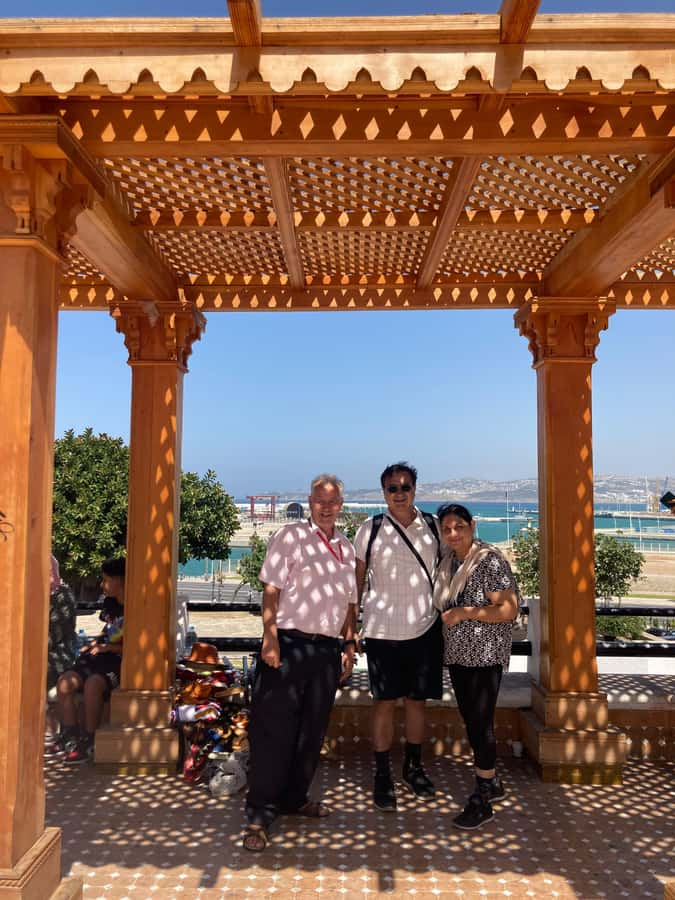
The tour continues to Parc de la Mendoubia, also called the Grand Socco. This public space connects the modern city with the old Medina and gives you a chance to pause after the tight lanes of the Kasbah.
The Grand Socco also carries political meaning. Moroccan independence was shaped here, so the square is more than a convenient meeting place or photo stop. It helps explain how Tangier moved from an international port under outside influence toward its place in modern Morocco.
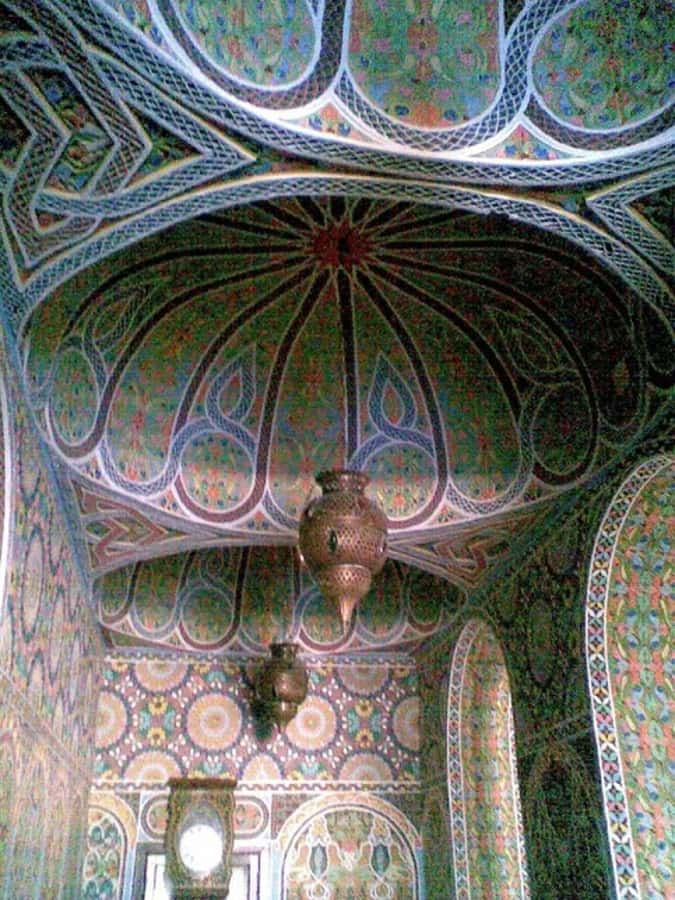
Your guide can also point out religious and cultural traces within the old city. One route included synagogues as well as markets, a useful reminder that Tangier’s story includes several communities and traditions. Ask questions here if you want more than a quick visual tour.
You may have some time to wander at leisure, but do not assume you will receive a long period of independent exploration. One of the few criticisms of the experience was that the guide stayed with the group throughout, leaving less time to roam alone. If independent Medina time matters to you, make that request before the walking portion begins.
Guide quality and the private touring advantage
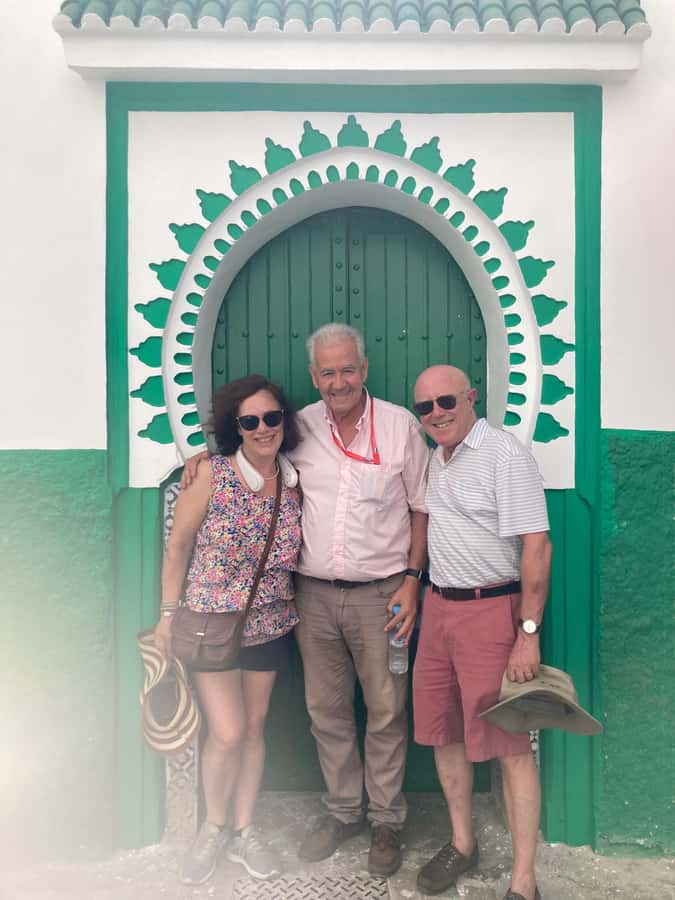
The guide is the main variable in any city tour, and this experience has a strong record in that area. Rashid is praised for his command of Tangier’s history and for making the city easy to understand. Ahmed is described as polite and attentive, while Achraf is noted for changing the route to suit the group’s reactions.
Tommy, Rachid, Mustafa, Robbie, and Hicham also receive strong praise for their manners, local insight, patience, and ability to explain sites that the group chose not to enter. That last point matters. A good guide can still give context when you skip a paid attraction or decide to move on.
The private format lets you ask for more photos, fewer shops, a slower walk, or a stronger focus on history. The driver is also part of the value. Several bookings praised calm, friendly drivers and comfortable, clean vehicles, especially when returning to a ship on time.
Still, the advertised guide names are examples, not a guarantee that you will receive one specific person. You can ask whether a preferred guide is available, but plan for the quality of the day to depend on the assigned guide and driver.
Timing, comfort, and value at $63
Five hours is enough for a broad introduction, not enough for a detailed examination of every monument. The route includes driving, coastal viewpoints, short stops, and a substantial walk through the Kasbah and Medina. That mix keeps the day moving without turning it into a single long walk.
The air-conditioned minibus is useful in warm weather and gives you a break between stops. It also helps older visitors, families, and anyone arriving from a cruise ship with limited time. You should still wear comfortable shoes for the old city and bring water, since food and drinks are not included.
At $63 per person, the tour is good value if you want transportation, a private group, a multilingual guide, coastal sightseeing, and an organized Medina visit in one booking. It is less compelling if you only want several hours to wander independently or if you have already visited Tangier’s main sights.
The flexible cancellation policy allows a full refund when you cancel at least 24 hours ahead, and the reserve-now, pay-later option helps if your schedule may change. Pickup is available from the port, a hotel, or another address in town. Pets are not allowed.
Who should book this Tangier tour?
I would choose this tour for a first visit, a cruise port call, or a short stay when you want the city explained rather than simply photographed. It suits couples, families, older visitors, and small private groups who value a vehicle between distant sights and a guide inside the old city.
It is also a good match if you want both the coastal viewpoints and Medina crafts in one half-day. The route gives you a useful first look at Tangier’s geography, royal and modern districts, old fortifications, markets, and cross-cultural past.
I would hesitate if you want a slow food tour, a serious archaeology visit, or several hours of free shopping. The Caves of Hercules cost extra, meals are separate, and some commercial stops may feel more visitor-focused than local. Ask for your priorities at the beginning, and the private format should give you room to shape the day.
FAQ
How long is the Tangier Grand Tour?
The tour lasts five hours.
What languages does the guide speak?
Guides are available in English, French, and Spanish.
Is this a private tour?
Yes. The activity is operated for a private group.
Where can pickup take place?
Pickup is available from Tangier city port, a hotel, or another address in town.
Is transportation included?
Yes. Transportation in an air-conditioned vehicle is included.
Is entry to the Caves of Hercules included?
No. Entry is optional and costs €8 per person.
Are food and drinks included?
No. Food and drinks are not included, so you should budget separately for lunch, drinks, or optional tastings.
Should you book it?
Book this tour if you want a well-rounded first look at Tangier with a guide who can connect the Atlantic coast, the Hercules legend, the Kasbah, Medina crafts, and the city’s many cultural influences. The private vehicle and flexible pacing are especially useful during a cruise stop.
Before booking, decide what matters most to you and say so early: more Medina time, fewer shopping stops, a restaurant, local sweets, photographs, or a quick return to port. At $63 per person, the combination of transport and personal guiding makes this a sensible choice for most first-time visitors, provided you are comfortable with a busy schedule and a few visitor-oriented stops.
Just added around Tangier
- Casablanca to Tangier Day Trip By High-Speed Train and Camel Ride★ 4.5 · 30 reviews
- Casablanca to Tangier Day Trip by High-Speed Train★ 3.5 · 54 reviews
- Tangier Highlights Private 6-Hour Tour★ 4.1 · 137 reviews
- Tangier: Quad Bike Adventure with Hotel Transfers★ 4.7 · 71 reviews
- Tangier: sunset, tea, camel ride, Cape Spartel and caves.★ 4.3 · 58 reviews
- Tangier: Walking Tour in The Medina With Local Guide★ 4.9 · 39 reviews
- Tangier Private Day Tour★ 4.7 · 45 reviews
- Tangier Private Tour: Explore And Camel Ride Adventure★ 4.8 · 26 reviews
Tangier Tours, compared.

Sunset, Tea, Sweets, Camel Ride, and Hercules Caves
Read our review →
Explore Tangier: Cap Spartel, Cave, & Camel Ride Adventure
Read our review →

7 days Tour from Tangier to Marrakech Morocco Tours
Read our review →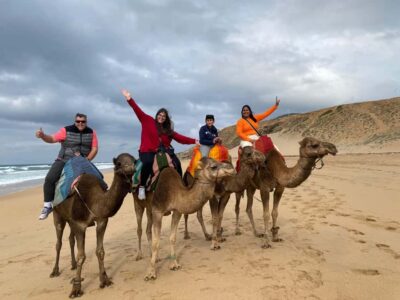
Browse the lists this tour appears in