Reviewed · MARRAKECH TOURS
Marrakech: Moroccan Pastries and Tea Class with a Local
Marrakech’s souks can be wonderfully chaotic, but two and a half hours of pastry making gives you a calmer, tastier look at Moroccan food. You’ll learn hands-on techniques for treats such as fekkas and Kaab el Ghazal, then practice the graceful pour used for mint tea.
I like the practical format: you eat what you make and take another box with you. I also like the small group limit of 10, which gives you a better chance to get help with fiddly dough and shaping. The main drawback is that the exact workshop address arrives before the experience, so you’ll need to leave time to find it, especially if you are relying on a taxi.
Key points to know before booking
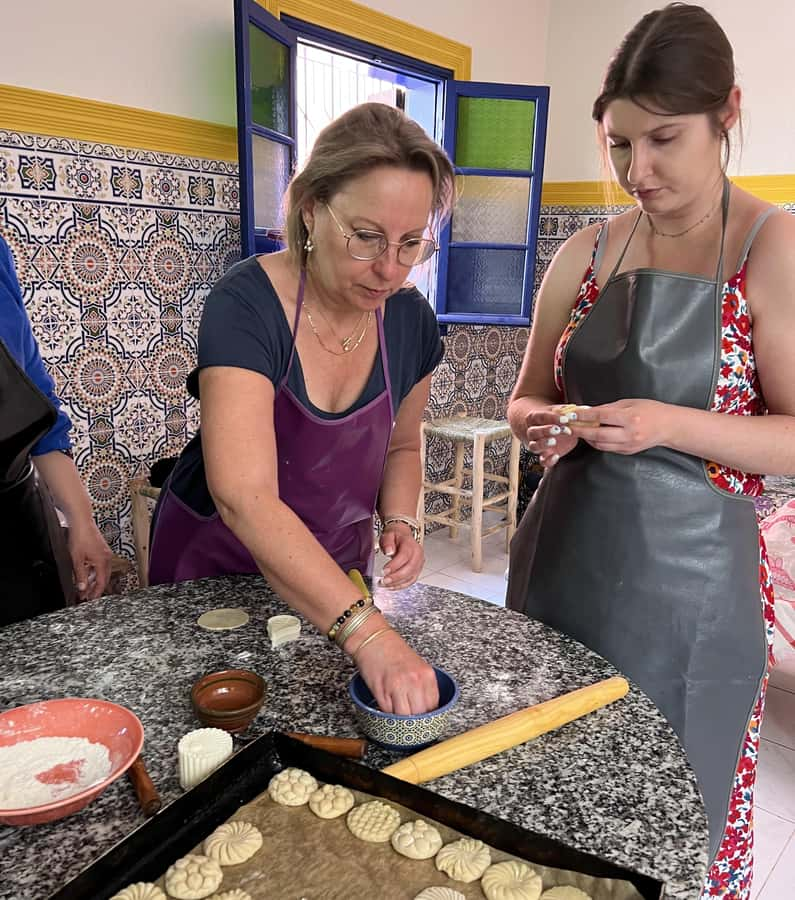
- Traditional pastries, not just a demonstration: You work through the recipes and techniques with a local instructor.
- Fennel and orange blossom water: These distinctive ingredients help explain why Moroccan pastries taste different from standard European biscuits.
- Mint tea is part of the class: You make the tea and practice the traditional pouring style.
- A box comes home with you: The take-home pastries add real value to the $40 price.
- Small groups matter: The class accepts no more than 10 people, and some bookings may become private sessions if attendance is low.
- Bring allergy details early: Ingredients are central to the class, so food allergies must be provided in advance.
A hands-on introduction to Moroccan pastry
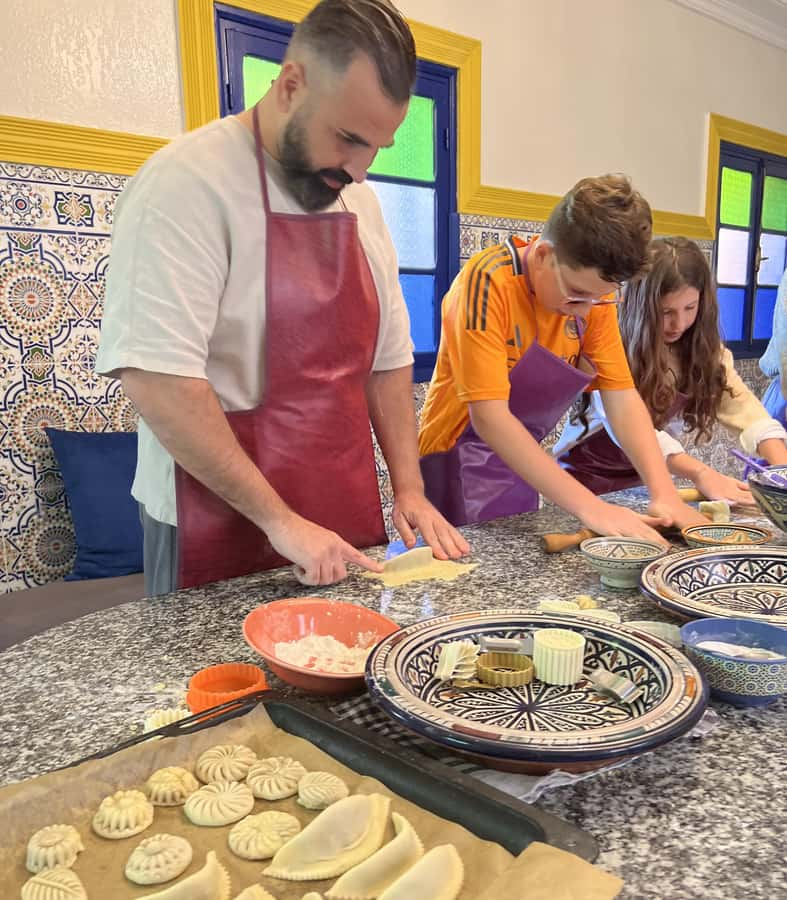
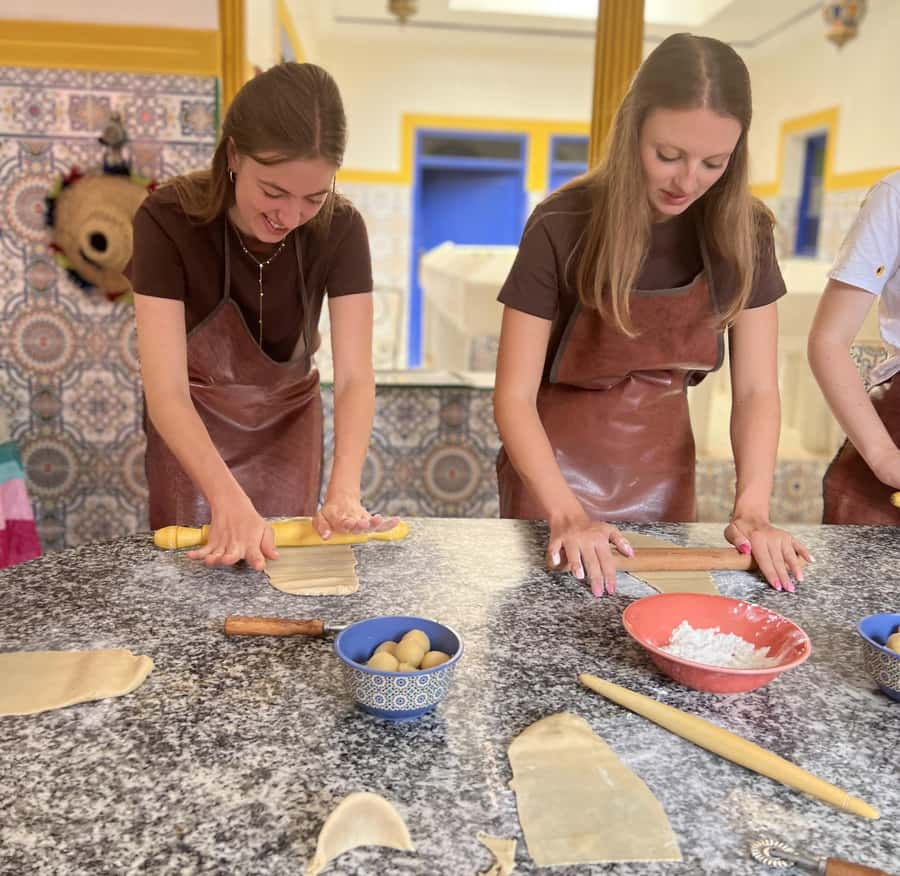
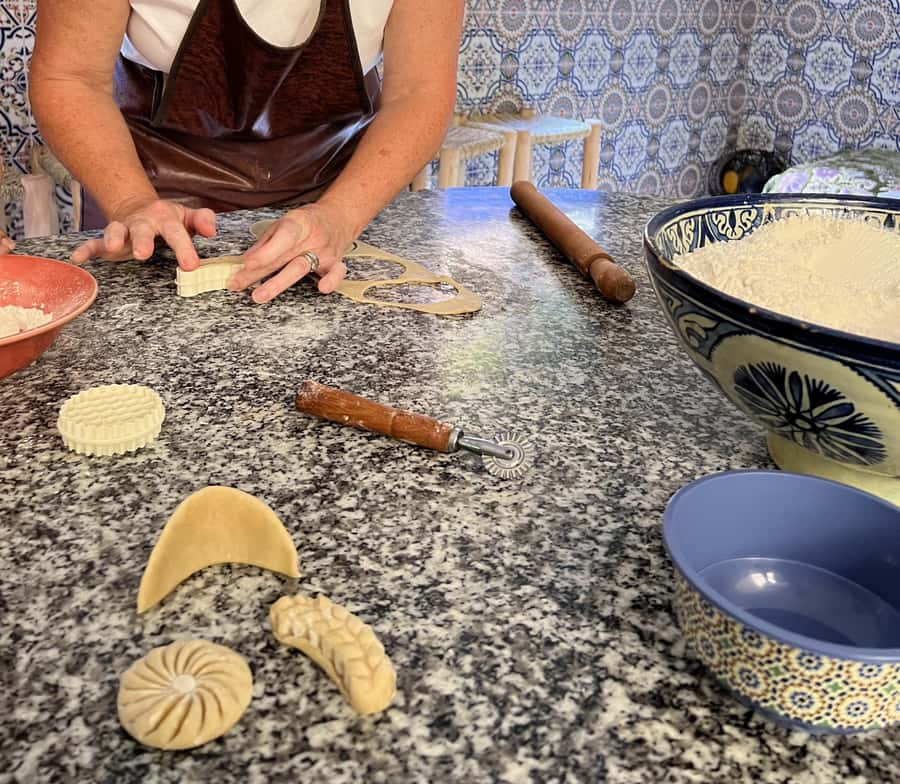
This is not a sit-and-watch cooking show. You’ll be shown how Moroccan pastries are made, then follow the steps yourself with the supplied equipment and ingredients.
The techniques are simple in theory but require care. Pastry dough can be unforgiving, and shapes need to be neat without being overworked. That balance is part of the appeal. You leave with a better idea of why traditional Moroccan sweets take patience and precision.
The class lasts 150 minutes, which is long enough to cover several recipes without turning the session into an all-day commitment. I would place it between major sightseeing stops, or use it as a slower activity on a day when you need a break from walking through Marrakech.
The instruction is offered in Arabic, French, and English. That language range is useful, but the class is still practical and visual. You can watch the shaping and preparation closely, then copy the method as you go.
More Moroccan Pastry Tastings in Marrakech:
- Tangier: Sunset, Tea, Sweets, Camel Ride, and Hercules Caves
★ 4.9 · 575 reviews - boat trip from 9 am to 3 pm fishing & swimming & barbecue & dessert
★ 4.0 · 36 reviews - Moroccan Crepes & Pastries Kitchen
★ 4.9 · 34 reviews
Fekkas, Kaab el Ghazal, and fragrant ingredients
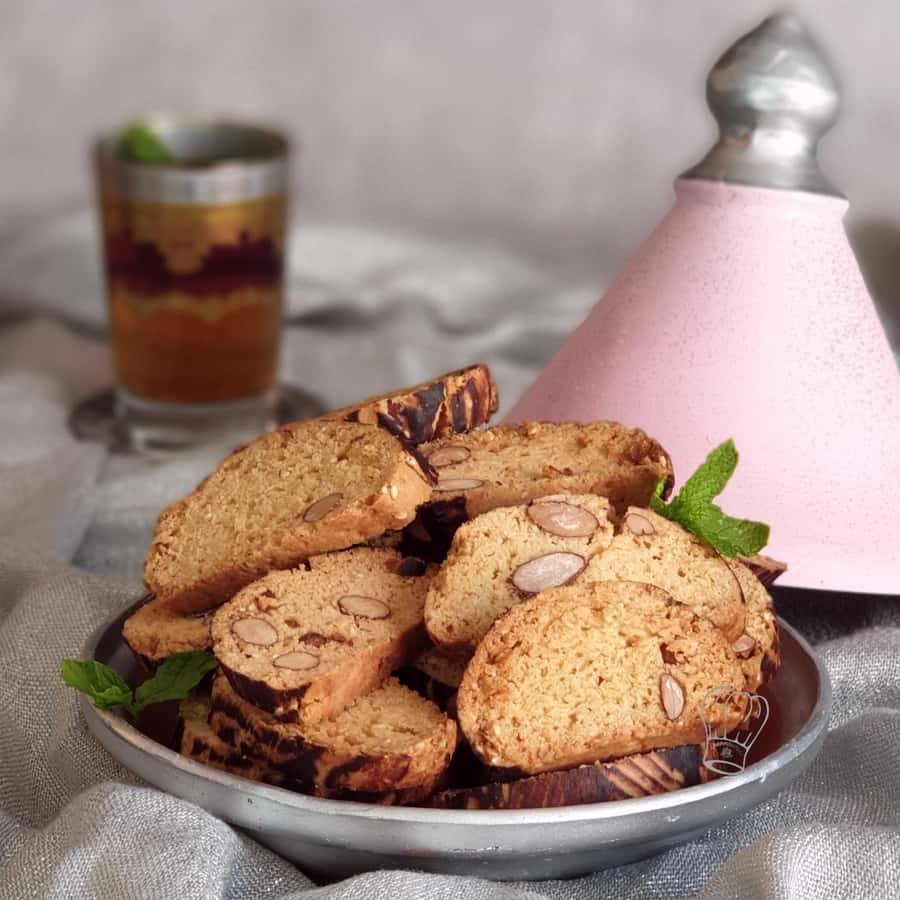
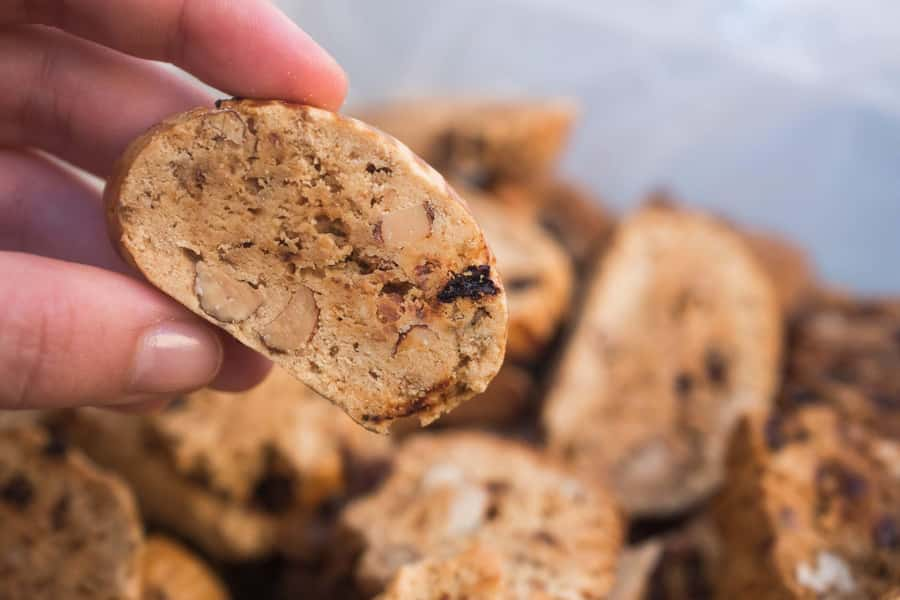
The pastry selection gives the class a stronger Moroccan identity than a general baking lesson. Fekkas is a crisp, twice-baked biscuit, while Kaab el Ghazal is a delicate pastry associated with almond filling and a crescent shape.
You also work with ingredients such as fennel seeds and orange blossom water. Fennel adds a gentle anise note, while orange blossom water brings a floral scent that is closely tied to Moroccan sweets and drinks.
This is where the class earns its place on a Marrakech itinerary. You are not simply learning a generic cookie recipe with local branding. The flavors help you understand what to look for when you later visit pastry shops, markets, or Moroccan restaurants.
The work may be harder than it first appears. One participant described the activity as fun, interesting, and difficult, but also satisfying. That sounds about right for a class where the finished food depends on small details in mixing, shaping, and baking.
If you already bake often, you may find the basics familiar. You will still pick up useful regional recipes and flavor combinations, but beginners may gain the most from the clear, step-by-step approach.
The value of tasting what you make
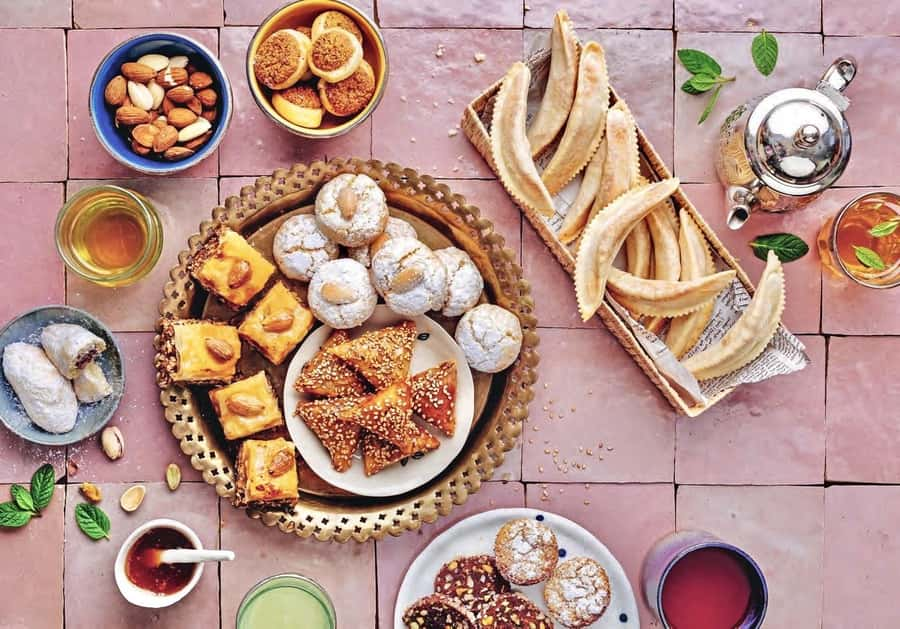
The best part of a cooking class is usually the moment the food reaches the table. Here, you taste the pastries you have prepared with Moroccan mint tea, then receive a box of pastries to take away.
That two-part finish matters. You get an immediate reward at the workshop, plus something to enjoy later or share with family and friends. For $40 per person, the take-home box makes the price easier to justify than a class that ends with a single small tasting.
The quantity can also be generous. A family booking produced enough biscuits and pastries for the participants to take everything home, and one person used the experience as a way to stock up before heading toward Merzouga. The exact amount will depend on the session, but the design clearly includes more than a token sample.
You should bring water, especially if you have spent the morning in the heat. Wear clothes suitable for cooking rather than your best sightseeing outfit. Flour, dough, and food preparation are part of the activity, so comfort wins over style here.
Learning the Moroccan mint tea ritual
The tea lesson adds a second skill and gives the class a more complete food experience. You learn how to make Moroccan mint tea, then drink it with the pastries you have prepared.
The pouring is not treated as a minor afterthought. Everyone may get a chance to pour the tea, making the final part social and entertaining, particularly for families with teenagers. The process also helps you notice the care given to presentation in Moroccan hospitality.
For me, this is more useful than simply being served a glass of tea. Once you learn the basic method, you can pay closer attention when tea is served elsewhere in Morocco. You also gain a small ritual you can try at home, alongside the pastry recipes.
The tasting session is included in the price, but extra food and drinks are not. That should not be a major concern for most people because the class itself includes the main food and tea experience. Still, plan to pay separately if you want anything beyond what the workshop provides.
A few more Marrakech days worth comparing
- Marrakech: Quad Bike Tour to Palm Oasis and Jbilat Desert
★ 4.8 · 11,831 reviews - Marrakesh: Majorelle Garden Entry Tickets
★ 4.5 · 9,651 reviews - Marrakech Quad Bike Experience: Desert and Palmeraie
★ 4.5 · 9,509 reviews - Marrakech: Balloon Flight, Berber Breakfast & Certificate
★ 4.8 · 8,164 reviews
Why the small group size helps
The maximum group size is 10 people. That is small enough for the instructor to move around the work area and help with shaping, mixing, or other precise steps.
A small class also makes it easier to ask questions. You can clarify a recipe, check whether a pastry is shaped correctly, or ask how the treats are served in Morocco. Larger cooking groups often turn practical work into a struggle for bench space. This format should be more manageable.
There is one useful twist: a booking for four people, including two teenagers, became a private session because no other participants joined. That is not guaranteed, but low attendance can make the experience feel more personal.
Solo participants and couples may share the class with other people. That can be a plus if you enjoy meeting others, though the social side is not the main reason to book. The real draw is the food work and the chance to learn from a local instructor.
Getting to a workshop with a later-confirmed address
The meeting point is not listed in advance as a fixed public address. You receive the exact workshop location before the experience date.
That arrangement deserves attention. Build extra time into your journey, and do not assume a taxi driver will know the workshop by name alone. One couple arrived late after taking a taxi, but the instructor helped direct the driver and showed them how to find the door.
I would save the location details on your phone before leaving and keep the instructor’s contact information available. This is especially sensible if you are staying in or near the medina, where directions and vehicle access can be less direct.
Hotel pickup and drop-off are not included. You arrange your own transport, and any taxi cost comes on top of the $40 class price. The workshop is therefore best for people comfortable managing a short transfer independently.
A good choice for families and first-time bakers
This class suits families with older children and teenagers particularly well. Participants under 18 must be accompanied by an adult, and children under 4 cannot take part.
The work gives teenagers something active to do, with a clear result at the end. The tea pouring also adds a playful moment. Parents should still expect a proper cooking class, not a children’s entertainment session. Some steps may be slow or exacting.
Beginners are welcome in spirit and in practice. One person with no baking experience found the class a good introduction, while those already comfortable in the kitchen may prefer a different cooking class offered by the same provider.
I would also recommend it for anyone who wants a quieter counterpoint to Marrakech’s souks. The workshop lets you sit down, focus on a task, and spend time with food rather than rushing between sights. It is a good fit for a rainy spell, a hot afternoon, or a day when your feet need a rest.
What the $40 price really buys
At $40 per person, the class is not the cheapest way to eat Moroccan pastries. You can buy sweets more cheaply in Marrakech. The value comes from the instruction, equipment, tasting, tea lesson, and take-home box.
You are also paying for access to recipes and techniques that are not always obvious from looking at a pastry counter. The instructor explains the steps behind the finished food, including the flavoring choices and careful preparation.
The price works best for you if you enjoy doing rather than simply sampling. If you only want a quick plate of pastries and tea, a café will cost less and take less time. If you want a practical memory and recipes you can try at home, the class offers more.
One participant later tried the recipes at home, which is a useful test of the class’s value. Ask for the recipes before you leave. That tip is worth following because having the written method makes it much easier to recreate the pastries after your trip.
Practical details for a smooth session
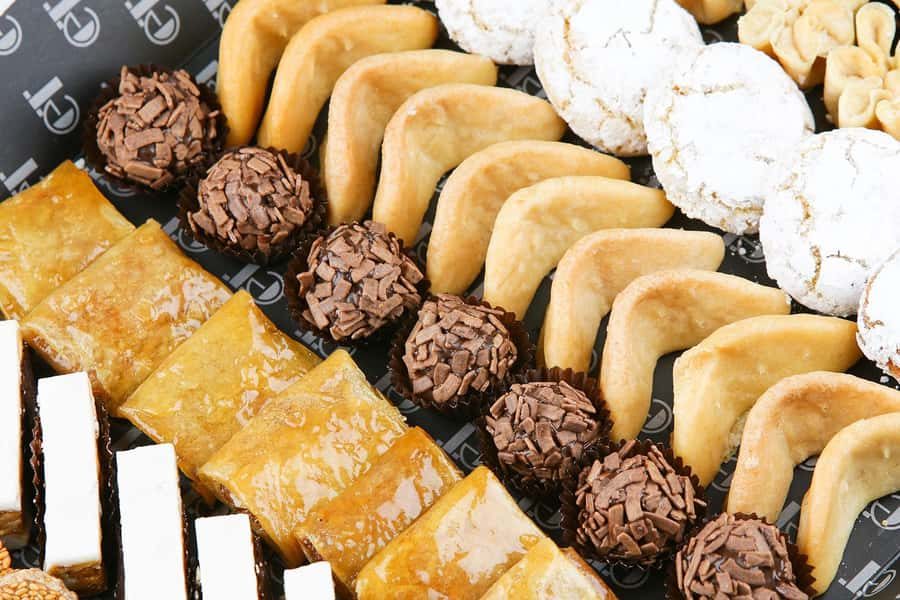
The class provides all necessary cooking equipment, so you do not need to bring baking tools. Bring water and wear comfortable clothing suitable for food preparation.
Allergy information must be supplied in advance. Do this before the class rather than waiting until you arrive. The recipes use several ingredients, and the instructor needs notice to discuss your needs.
The cancellation policy is flexible: you can cancel up to 24 hours before the experience for a full refund. You can also reserve now and pay later, which helps if your Marrakech schedule is still changing.
The instructor teaches in Arabic, French, and English. The group limit is 10, the duration is 150 minutes, and the class includes a tasting of the pastries with mint tea. Hotel transport, extra food, and additional drinks are not included.
Should you book the Marrakech pastry class?
Book this experience if you want a hands-on Moroccan food lesson, enjoy working in a small group, or need a relaxed break from sightseeing. It is especially well suited to families with teenagers, first-time bakers, couples, and anyone who likes bringing home an edible souvenir.
Think twice if you want a fast activity, dislike precise kitchen work, or would rather spend your time sampling food than preparing it. You should also allow extra time for the undisclosed meeting location and arrange your own transport.
For most visitors, the combination of local pastries, orange blossom water, mint tea, tasting, and a take-home box makes the $40 fee fair. Just request the recipes, share any allergy information early, and wear clothes you can comfortably cook in.
FAQ
How long does the Moroccan pastry class last?
The experience lasts 150 minutes, or two and a half hours.
How much does the class cost?
The price is $40 per person.
What pastries will I learn to make?
The class teaches Moroccan pastries, and examples include fekkas and Kaab el Ghazal.
Is Moroccan mint tea included?
Yes. You learn how to make Moroccan mint tea and taste it with the pastries you prepare.
Can I take pastries home?
Yes. A box of pastries to take home is included.
What languages does the instructor speak?
Instruction is available in Arabic, French, and English.
Can children join the class?
Participants under 18 must be accompanied by an adult. Children under 4 are not permitted to take part.
Just added around Marrakech
- Quad in the Palmeraie of Marrakech★ 5.0 · 41 reviews
- Marrakech Desert Camel Ride★ 5.0 · 17 reviews
- Sunset Camel Ride in the Palm Grove Of Marrakech★ 5.0 · 34 reviews
- Private Airport Transfer from or to Marrakech Menara Airport.★ 4.5 · 63 reviews
- Marrakech The History and Culture Day Trip★ 4.5 · 45 reviews
- Marrakech: Tailor-Made City Tour With Your Own Private Guide★ 4.9 · 236 reviews
- Marrakech palm grove: Sunset camel ride★ 4.8 · 194 reviews
- Sparkling Marrakech through the eyes of your local Guide★ 4.7 · 247 reviews
Marrakech Tours, compared.

Quad Bike Tour to Palm Oasis and Jbilat Desert
Read our review →
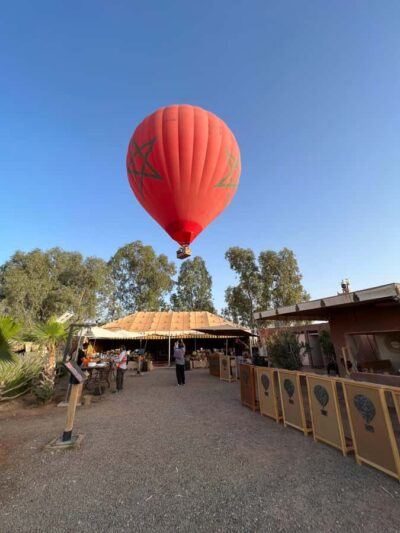
Balloon Flight, Berber Breakfast & Certificate
Read our review →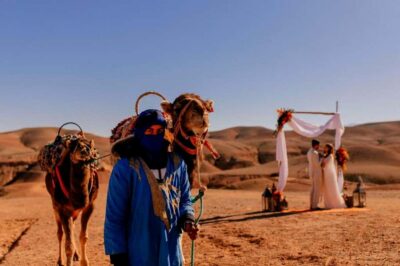
Desert & Mountain Tour with Camel Ride & Lunch
Read our review →
Dunes of the Palmeraie Quad Bike Ride with Tea
Read our review →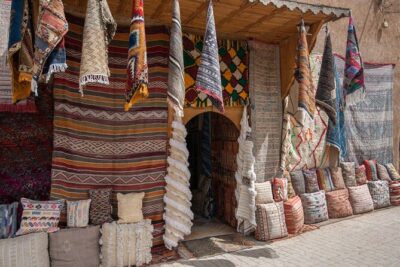
Bahia Palace, Saadian Tombs, Souk and Medina Tour
Read our review →