
Reviewed · MULTI-DAY TOURS IN FEZ
Majestic Desert: 3-Day Luxury Journey from Marrakech to Fes
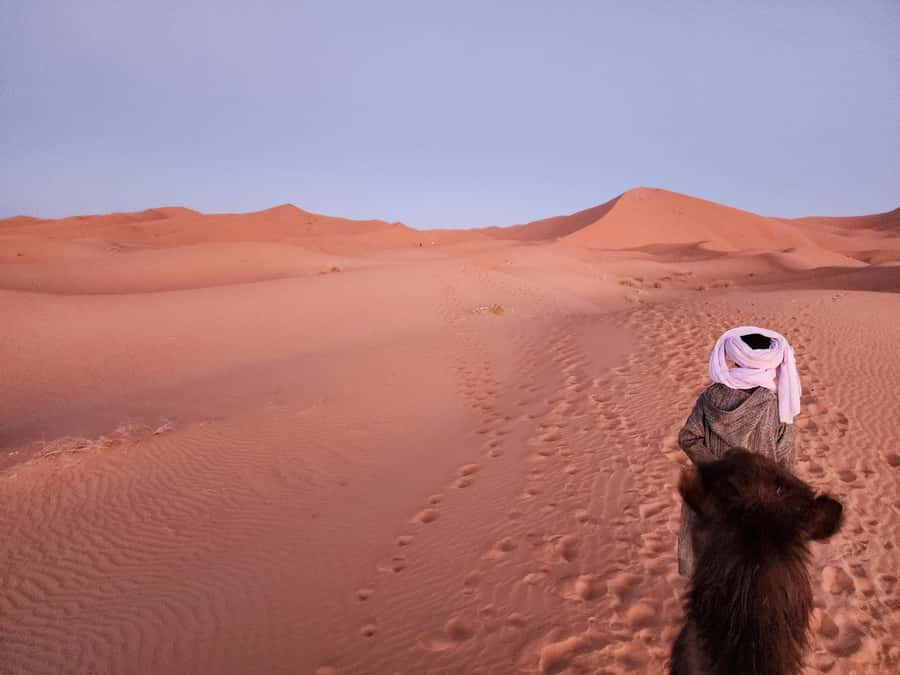
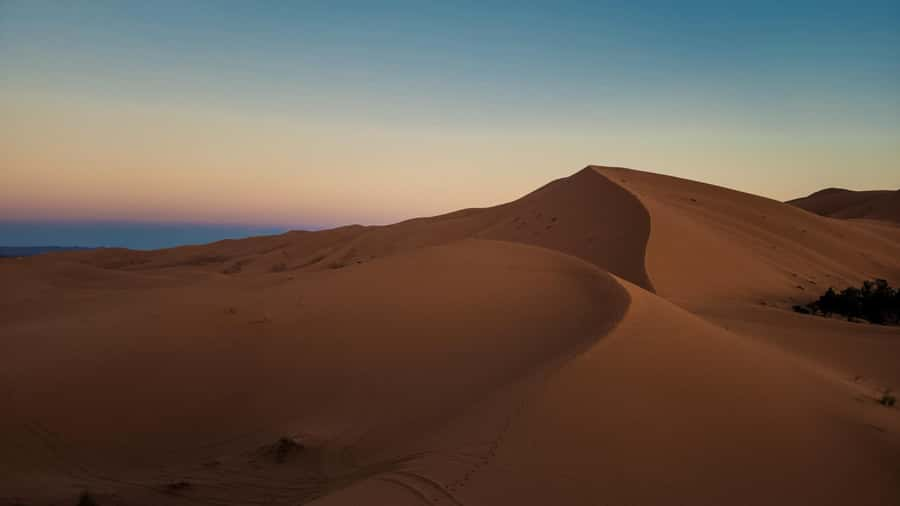
The real prize here is the change of scenery. In about 60 hours, you go from Marrakech’s red city walls over snowy High Atlas passes, through kasbah country and palm oases, into the Sahara near Merzouga, then north to Fes. The sunset and sunrise camel rides are the emotional high point, with golden dunes and a sky that feels much larger than the city sky.
I like the smart route and the human touch. Ait Ben Haddou, Todra Gorge, the Dades Valley, and the cedar forests near Azrou give the trip far more range than a simple desert transfer. Guides such as Omar, Ali, Mohamed el Qayed, Mustafa, and Zohair have been praised for humor, care, and useful local context.
The trade-off is clear: this is a lot of Morocco in three days, so you will spend long stretches in a minibus or 4×4. The final day includes about 7 hours and 15 minutes of driving, and winter nights at camp can be genuinely cold. Bring layers, and do not book this if you want a slow, restful holiday.
Key points to know before you book
- Sunset and sunrise in Erg Chebbi: Ride camels into the dunes in the evening, then return after an early desert sunrise.
- A fast route through southern Morocco: Cross the Tizi n’Tichka pass, visit Ait Ben Haddou, pass Skoura and Dades, then continue to Fes.
- A real desert night: Sleep in a fully equipped camp, with food, music, blankets, and the option to upgrade to a deluxe camp.
- More than a camel ride: The trip includes Todra Valley walking, sandboarding, Berber clothing and henna, and stops in Ifrane and Azrou.
- Good value at $138: Transport, fuel, one hotel night, one camp night, breakfasts, dinners, guides, and camel rides are included.
- Long drives require patience: Lunches, drinks, the Ait Ben Haddou guide, and optional ATV riding cost extra.
Why this Marrakech to Fes route works
This tour solves a common Morocco puzzle. Marrakech and Fes are major stops, but the Sahara lies well to the southeast. Traveling between the two cities by this route lets you turn a long transfer into a three-day journey through mountain passes, valleys, kasbahs, gorges, and desert.
You cover about 17 hours and 35 minutes of stated driving time, spread over three days. That is still a serious amount of time on the road, but the stops give the route purpose. You are not simply watching miles pass through a window. You stop for views, walks, photos, food, and local visits.
The tour runs as a private or small-group trip, using an air-conditioned 4×4 or minibus. The exact feel depends on your vehicle and group, but the air conditioning matters on warm days, while ventilation matters on crowded ones. One January report noted that the vehicle became stuffy when the ventilation was turned off, so speak up if you need fresh air.
Pickup is around 7:30 in the morning from a central Marrakech hotel or riad. If your lodging sits inside the Medina or on a road that vehicles cannot reach, you will receive a nearby meeting point. Give the operator your accommodation name and keep a working WhatsApp number with the country code handy for the final pickup message.
More Multi-Day Tours in Fez
- From Marrakech: Unforgettable 3-Day Desert Tour to Fes
★ 4.9 · 2,614 reviews - Marrakech to Fes: Quad, Dinner, Camel, 3-Day Desert Tour
★ 4.8 · 579 reviews - From Fes: Unforgettable Desert Tour to Marrakech 3-Day
★ 4.5 · 470 reviews
Day 1: High Atlas passes and Ait Ben Haddou
You leave Marrakech and climb toward the Tizi n’Tichka pass, the famous crossing of the High Atlas. The road brings sharp bends and wide mountain views. In cooler months, snow can appear on the higher peaks, a striking contrast to the dry country ahead.
This first stretch is scenic, but it is not a quick hop. If winding roads bother you, sit where you can see forward and take breaks at stops. The regular pauses are one reason the long route feels manageable for many people.
Ait Ben Haddou is the day’s major cultural stop. This fortified settlement of earthen buildings has served as a film setting and is protected as a UNESCO World Heritage Site. You can walk among its narrow lanes and climb for views over the surrounding area.
A local guide inside Ait Ben Haddou is not included. The stated cost is about €2 per person. I would consider paying it if you want the buildings explained rather than simply photographed. Without a guide, you can still see the site, but the visit may feel thinner.
The route continues through Ouarzazate, often called the Hollywood of Africa because of its film connections. This is usually more of a passing point than a full sightseeing stop, but it helps explain why the surrounding kasbahs and open country appear in so many productions.
Skoura brings a welcome change. Its palm oasis is green against the dry surroundings, and old kasbahs appear among the palms. This is the sort of stop that helps you understand how water shapes southern Morocco. The trip also includes discussion of traditional water use, which adds meaning to the palm groves rather than treating them as scenery alone.
By evening, you reach the Dades Valley and stay in a local guesthouse or hotel. The included room has air conditioning and a private bathroom. Dinner and breakfast are included, while lunch and drinks are yours to arrange.
Day 2: Dades Valley, Todra Gorge, and Merzouga
Day two begins in the Dades Valley, a place of red cliffs, dry slopes, and cultivated pockets. The views change quickly, and the route feels more intimate than the broad mountain crossing of day one.
The included Todra Valley walk lasts about 40 minutes to an hour with a local guide. You can expect a look at natural scenery, traditional handmade carpets, and the Todra Gorge itself. The gorge’s tall rock walls are the main attraction, and the narrow canyon gives you a good reason to get out of the vehicle and stretch your legs.
The walking guide may speak to mixed language groups, so the quality of explanation can vary. One reported weak point was a slow Todra visit with hard-to-follow English. Keep your expectations practical: this is a short local walk, not a full geological or cultural lecture.
After Todra, the road passes Berber villages and gradually heads toward Merzouga. The scenery shifts from mountain valleys to broad, dry desert country. You will have stops for food, toilets, coffee, and photographs, but lunch remains excluded. Carry water and some small cash for drinks or snacks.
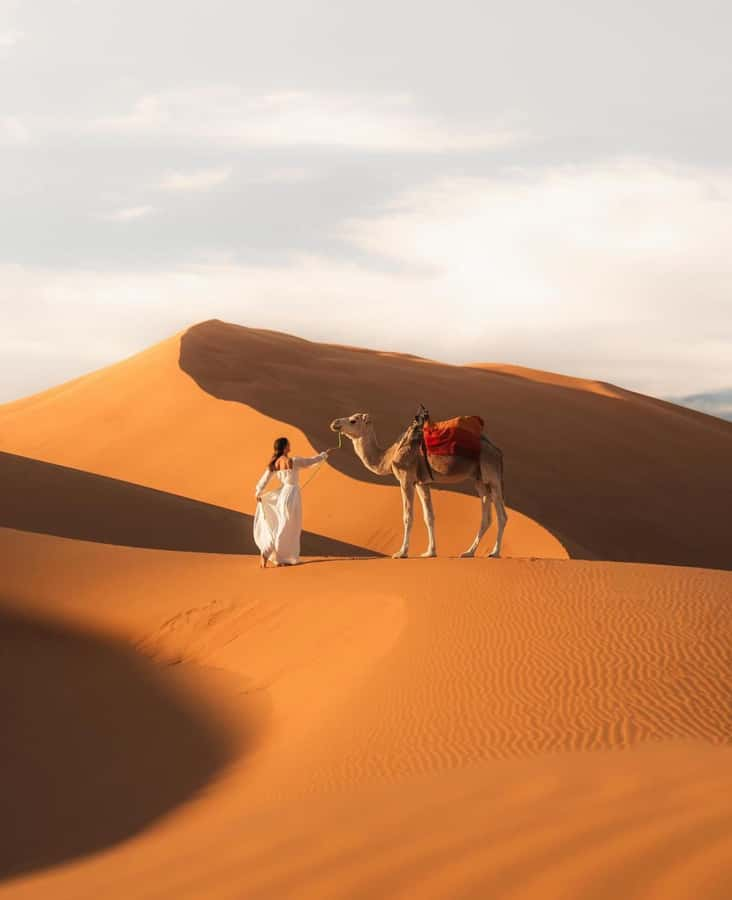
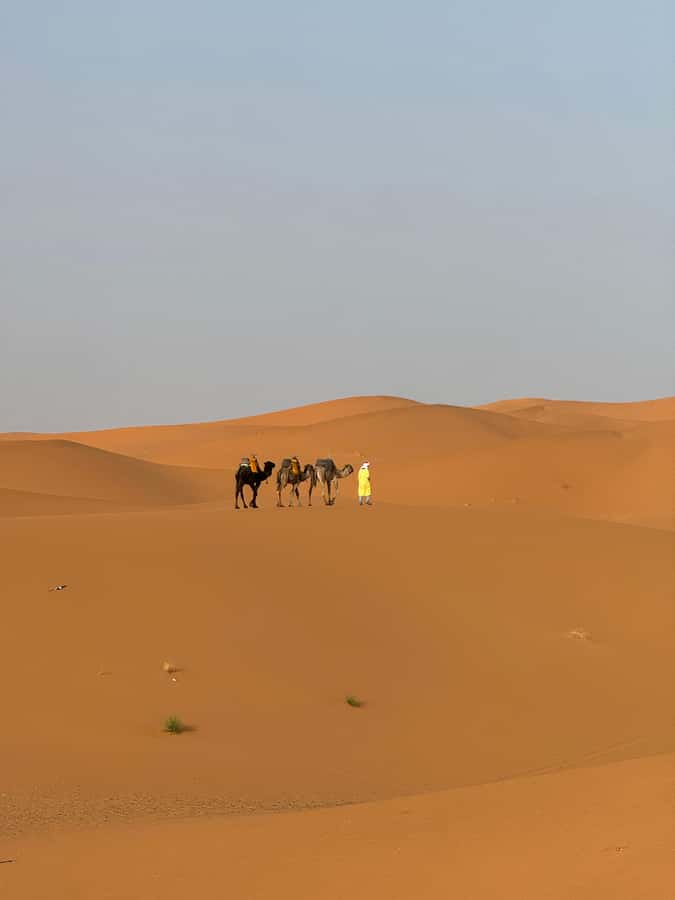
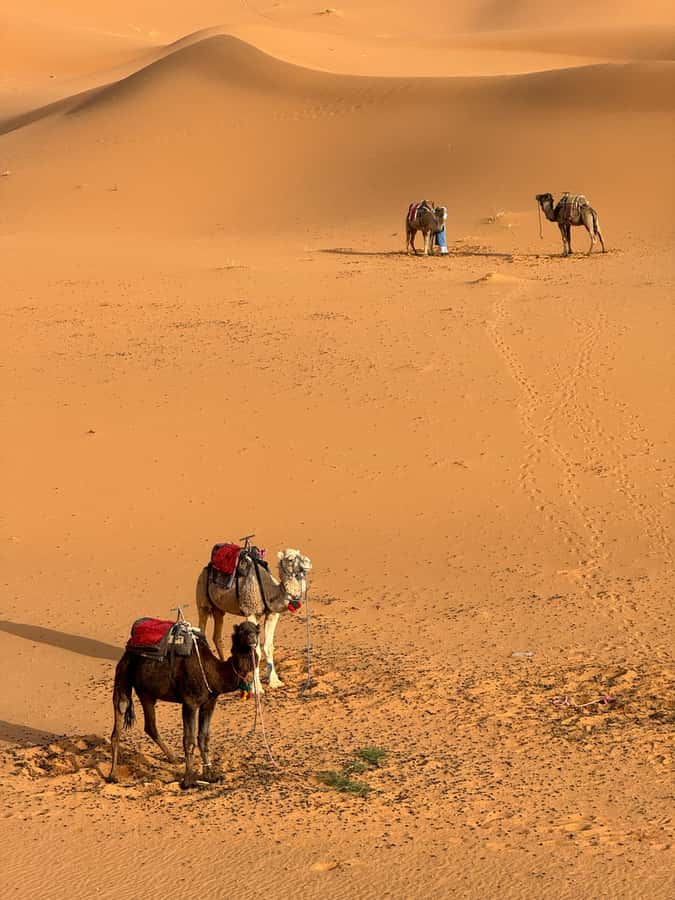
Merzouga is where the trip changes mood. You leave the vehicle and ride camels through the Erg Chebbi dunes, usually for sunset. The ride gives you a slow view of the sand, with the height of the camel offering a different perspective from walking.
Camel riding can be uncomfortable for some people, particularly on the legs and lower back. You do not have to prove anything. Ask about alternatives if you need one, and bring comfortable clothing. The tour also includes sandboarding, which is a simple, fun extra if you still have energy after the ride.
At camp, dinner is served, and the evening includes local music around a fire. You can try traditional Berber clothing and henna. The mood is social, and the camp may include a number of other people, especially when several tour groups arrive together.
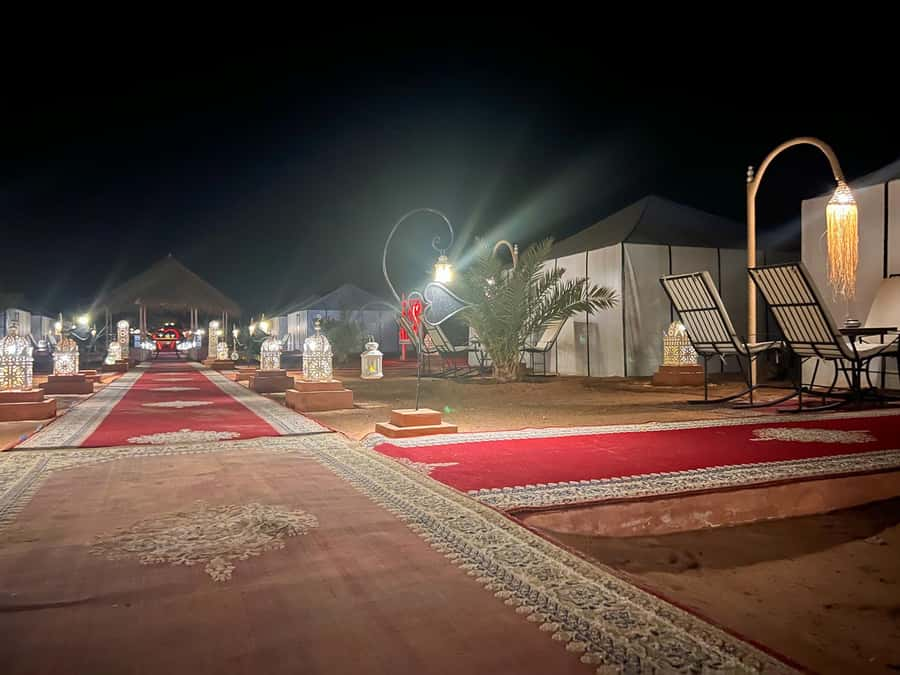
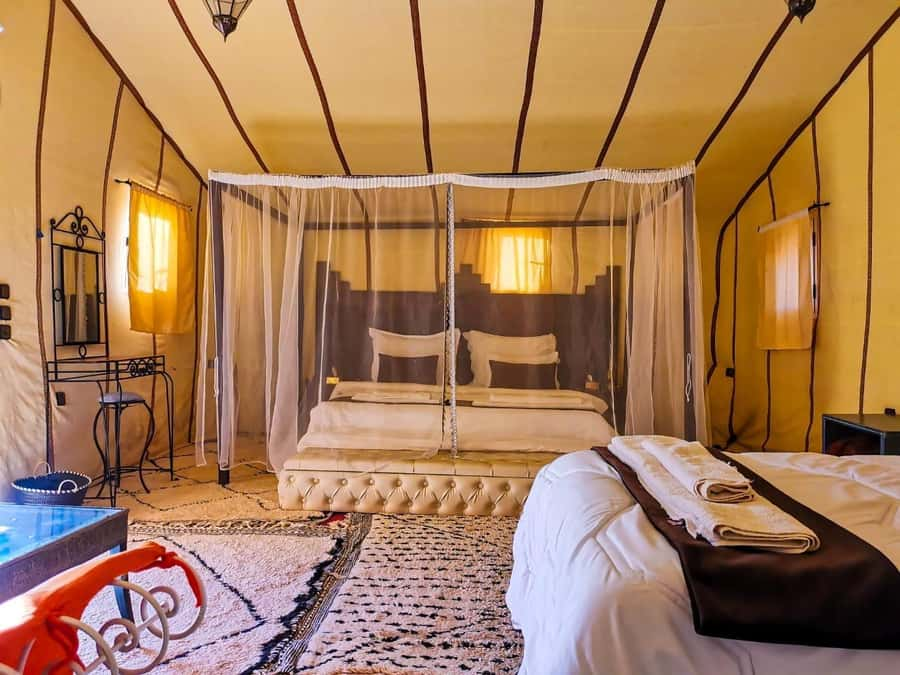
The standard and deluxe arrangements may differ, so check the exact option at booking. The deluxe camp has been described as spacious, clean, and equipped with a private toilet and shower. It is a worthwhile upgrade if sleeping comfort matters to you, but it is not a heated winter cabin.
The desert can turn cold soon after sunset. Guests have stayed warm with several blankets, but there is no heater in the tents according to the supplied details. In January and December, pack a hat, gloves, scarf, warm socks, and a proper coat. The desert is not automatically warm just because it is sandy.
Day 3: Sunrise, fossils, and the Middle Atlas
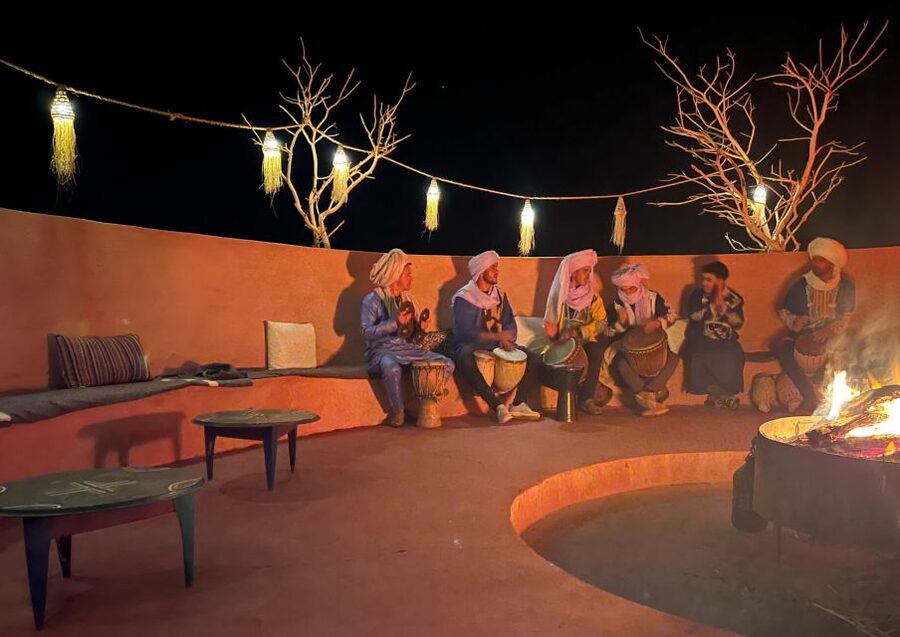
You rise early for sunrise over the dunes. This is one of the best uses of your final morning. The light changes quickly, so you should have warm clothes ready before leaving the tent. Afterward, you depart Merzouga by vehicle and begin the longest driving day.
Erfoud is known for fossils, and the route then follows the Ziz Valley. Palm groves line the valley floor, fed by water in an otherwise dry setting. It is another useful reminder that southern Moroccan life depends on careful water management.
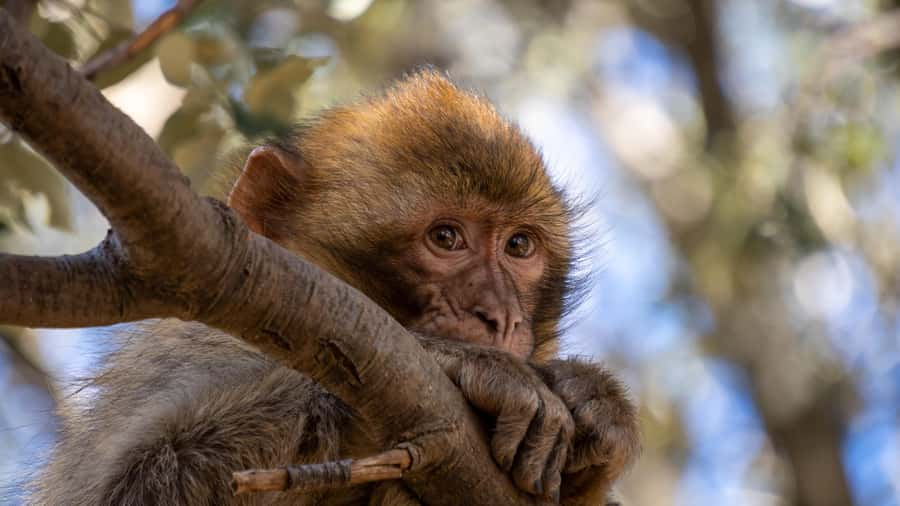
The road climbs toward Midelt and then into the Middle Atlas. At Azrou, you may stop for photographs of Barbary macaques in the cedar forests. The stop is popular and brief, so treat it as a chance to observe and photograph, not a guaranteed wildlife encounter.
Ifrane provides one of the trip’s strangest contrasts. Its European-style buildings have earned it the nickname Little Switzerland. After dunes, palms, and red rock, the tidy mountain town feels almost like another country.
The final descent brings you to Fes, a city known for artisan work and its old medina. The tour ends with drop-off at the nearest practical point to your hotel or riad. If your lodging lies in a vehicle-free lane, expect to walk the final short distance with your bags.
That last day is effective but demanding. You see fossils, palms, cedar trees, macaques, mountain towns, and Fes in one sweep, but you do not get much time in each place. If Fes deserves a close look on your trip, add extra nights after the tour.
A completely different kind of day in Fez:
- Fez Medina Guided Tour
★ 4.6 · 2,079 reviews - Fes: Museum, Al Attarine Madrasa & Tannery and Medina Tour
★ 4.6 · 1,655 reviews - Explore Fes: Unforgettable Guided Walking Tour of the Medina
★ 4.7 · 1,339 reviews - Fes: Royal Palace, Madrasa, Tannery & Souks and Medina Tour
★ 4.5 · 508 reviews
What the $138 price really covers
At $138 per person, the package offers strong value for the amount of transport and lodging included. Fuel, tolls, transport, a driver-guide, one hotel night, one desert camp night, breakfasts, dinners, camel rides, the Todra walk, sandboarding, and the sunrise and sunset dune visits are all part of the price.
The value is strongest if you need to get from Marrakech to Fes and want the Sahara included. Booking separate transport, hotels, a desert night, camel rides, and local visits would take more planning and would not necessarily cost less.
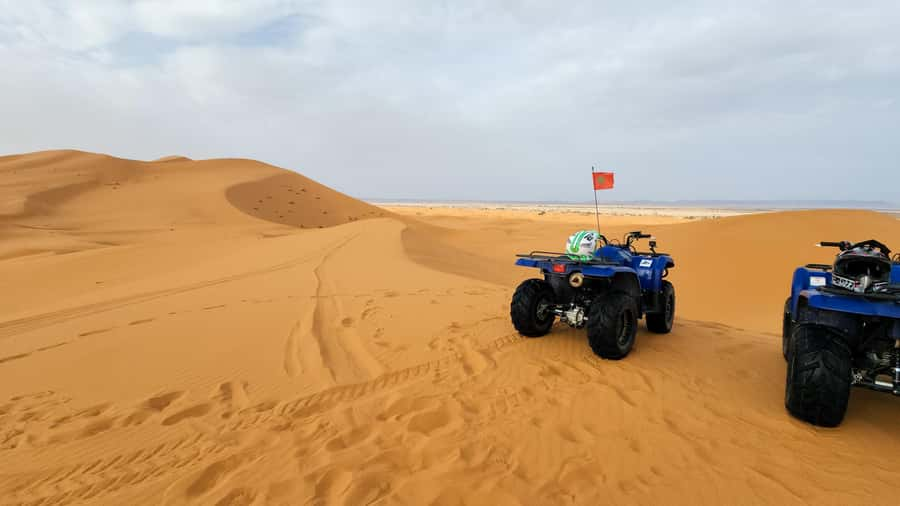
The price does not cover lunch, drinks, the Ait Ben Haddou guide, or quad biking. Build those extras into your budget. A quad bike can be rented locally at the camp, but it is not part of the main program.
The accommodation is comfortable enough for a route of this speed. The hotel includes air conditioning and private bathrooms, and the camp is fully equipped. If you choose a deluxe tent, you may receive a private bathroom and shower, but ask exactly what your selected camp category includes.
Guides, drivers, and the feel of the group
The guide can shape this trip as much as the scenery. Names associated with recent departures include Omar, Ali, Zohair, Tarik, Mustafa, Mohamed el Qayed, Hicham, Ibrahim, and Tarek. Assignments vary, so do not book expecting one particular person.
The strongest guide qualities are humor, care, and keeping the day moving. Omar has been praised for history and culture explanations, group energy, and good timing. Ali is known for a friendly approach, while Zohair has been described as attentive and helpful. Mohamed el Qayed has been praised for clear communication and warmth.
Drivers matter on a route with this many hours behind the wheel. Mustafa, Hicham, Ibrahim, Said, and others have been recognized for careful driving. You should still tell the team if you need a break, more ventilation, or a change of seat.
Seat choice can matter in a minibus. A rear seat may have less legroom, especially for a tall person. If you are traveling in a group, rotate seats across the three days rather than letting one person take the tightest place for the entire route.
Who should book this trip
I would choose this for a first visit to Morocco when you want maximum variety in limited time. It suits people who enjoy road journeys, early starts, cultural stops, desert scenery, and meeting local guides along the way.
It also works well for couples and small groups who want an efficient route between Marrakech and Fes. The private option gives you more control, while the small-group format can make the campfire and dinner more social.
I would think twice if you dislike long drives, need a slow pace, or want to spend several hours at each historic site. Families can enjoy it, but very young children may find the driving and camel ride tiring. The supplied experiences include a guide returning for a sick child so the family could continue, but you should still plan for fatigue and changing temperatures.
Pack comfortable shoes, sunscreen, comfortable clothes, and serious warm layers in winter. Keep a small bag accessible for the vehicle, since you will want water, snacks, tissues, and a warm top without opening your main luggage.
Should you book the Marrakech to Fes desert journey?
Book it if you want the Sahara to be the centerpiece of a busy Morocco route. The camel rides, desert night, Ait Ben Haddou, Todra Gorge, and changing mountain scenery give you a memorable three-day slice of the country for a modest price.
Skip it if you want long stays, leisurely meals, or guaranteed warmth at night. The smart choice for most people is to accept the driving, choose the deluxe camp if your budget allows, pack for cold weather, and add extra time in Fes after arrival.
FAQ
How long is the Marrakech to Fes desert tour?
The activity lasts about 60 hours over three days. Stated driving times are about 5 hours and 35 minutes on day one, 4 hours and 45 minutes on day two, and 7 hours and 15 minutes on day three.
Are camel rides included?
Yes. The tour includes a camel ride at sunset into the Erg Chebbi dunes and another ride at sunrise. Sandboarding is also included.
Is the desert camp heated?
No heater is specified for the camp, and winter nights can be cold. Several blankets are provided, but you should bring warm layers, a hat, gloves, and a coat in cooler months.
Are meals included?
Breakfasts and dinners are included. Lunches, drinks, and other beverages are not included, so plan to pay for those separately.
Is a guide included at Ait Ben Haddou?
No. A guide at Ait Ben Haddou costs about €2 per person. The Todra Valley walk with a local guide is included.
Can I cancel or pay later?
You can cancel up to 24 hours before departure for a full refund. The tour also offers reserve now and pay later booking.
More Three-Day Trips in Fez
- From Fes: 3 Days and 2 Nights Desert Trip to Marrakech
★ 4.6 · 460 reviews - Fes to Marrakech desert tour 3 days
★ 5.0 · 411 reviews - From Fes: 3-Day 2-Night Desert Tour to Marrakech
★ 4.5 · 259 reviews - 3-Day Luxury/Budget Desert Tour to Marrakech via Merouga from Fez
★ 4.5 · 151 reviews
Just added around Fez
- Walking Tour in Old Medina Fez with Official Guide★ 5.0 · 77 reviews
- Best Tour In Fez Médina With ( Private )Tour Guide★ 5.0 · 32 reviews
- Full-Day Private Tour of Fez★ 4.5 · 92 reviews
- Fez view cooking with grandmother★ 5.0 · 70 reviews
- Funky Walking Tour★ 5.0 · 22 reviews
- Fez guided Tour with a Local Guide★ 5.0 · 32 reviews
- Fez cultural and handicraft tour half day★ 5.0 · 80 reviews
- Fez cultural and handicraft tour full day★ 5.0 · 79 reviews
Multi-Day Tours in Fez, compared.
2Days Desert Tour From Fez: Round-Trip with Luxury Camp stay
Read our review →
3-Day Trip to Fez with Sandboarding & Camel Ride
Read our review →
Browse the lists this tour appears in