
Reviewed · CAMEL RIDES
7-days: Casablanca to Chefchaouen then Fes and Sahara Desert – Camel Trekking
The best part of this seven-day journey is its sweep: you go from Casablanca’s Atlantic setting to blue Chefchaouen, the narrow lanes of Fes, cedar country, the Sahara dunes, and the High Atlas. The camel trek and desert camp give the trip its big finish, but the road between major stops is just as important.
I like the mix of guided visits and free time. You get a local guide in Fes, time to wander Chefchaouen, and a full desert day with nomads, Khamlia, and the seasonal lake near Merzouga. I also like the small-group limit of 20, plus the experience of guides such as Youssef and Mohamed, who are praised for being friendly, patient, and informative.
The catch is the pace. This is a lot of Morocco in one week, with several long drives and only breakfast included. The advertised price of $2,320.48 per person is substantial, so you should compare it with your comfort level, group size, and the value you place on having transport and desert arrangements handled for you.
Key points before you book
- Chefchaouen gives you a gentle first look at Morocco: You have time to see the blue medina, Ras El Ma, the Kasbah area, and the main square before reaching Fes.
- Fes receives proper attention: A local guide takes you through the medina, Jewish quarter, royal palace exterior, and ceramic workshops.
- The Sahara is more than a camel ride: The route includes Erg Chebbi, a possible nomad visit, Khamlia, a seasonal lake, and a night in a Berber tent.
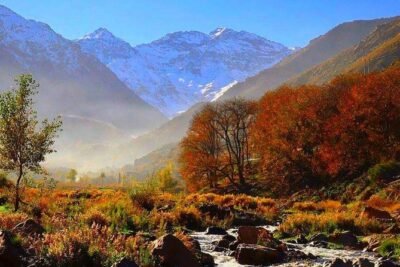
- The scenery changes almost every day: Rif Mountains, cedar country, Ziz Valley, Todra Gorge, rose country, kasbahs, and the High Atlas all appear along the way.
- You need to be ready for road time: Four-hour drives are specifically noted, and several days combine sightseeing with long transfers.
- Meals require planning: Breakfast is included, but lunch and dinner are yours to arrange and pay for.
From Casablanca to Morocco’s blue mountain town
The tour begins with pickup from your hotel or the airport at 8:00 a.m. If you arrive a day early, Hassan II Mosque is the obvious Casablanca stop. The planned visit is brief, about 40 minutes, and depends on your arrival time, so do not treat it as a guaranteed full visit.
From Casablanca, the route heads toward Chefchaouen in the Rif Mountains. Chefchaouen is a good opening stop because it is easier to enjoy at a walking pace than Fes. Its white walls and blue doors make the medina instantly recognizable, but the town is not just a photo backdrop. The main square brings together the Kasbah, central mosque, cafes, and market stalls selling both traditional goods and tourist items.
You have free time here, which I consider important. A guide can point out the main sights, but Chefchaouen rewards a slow wander. Take time to look up at the buildings, follow the lanes away from the main square, and visit Ras El Ma, the small water source at the edge of town. The listed stop is only about 12 minutes, so your actual time at the site may depend on the day’s schedule.
The overnight is in Chefchaouen. That makes this first day feel less rushed than a simple stop on the way to Fes, although the trip still begins with a substantial transfer from Casablanca. If you are arriving on the same morning, confirm the pickup timing and exact overnight arrangements before you go.
More Camel Rides in the Sahara Desert
- 3 Days Desert Tour From Marrakech To Merzouga Dunes & Camel Trek
★ 5.0 · 10,125 reviews - 3-Day Marrakech to Merzouga Desert Tour: Camel Rides & Overnights
★ 5.0 · 8,734 reviews - Marrakech: 3-Day Merzouga Desert Experience Camel & Meals
★ 4.6 · 6,252 reviews
Fes and the lanes of Fes el-Bali
Day two allows a free morning in Chefchaouen before the roughly four-hour drive to Fes. This is a useful arrangement because you do not need to rush through town at dawn, but it also means the first contact with Fes may come late in the day.
Fes el-Bali, the old medina, is best approached with patience. The first visit is on your own, giving you a chance to get your bearings before the formal guided exploration on day three. The medina can feel confusing, and that is part of its character, but free time here is not ideal for everyone. If you prefer clear orientation, save your main wandering for the guided visit.
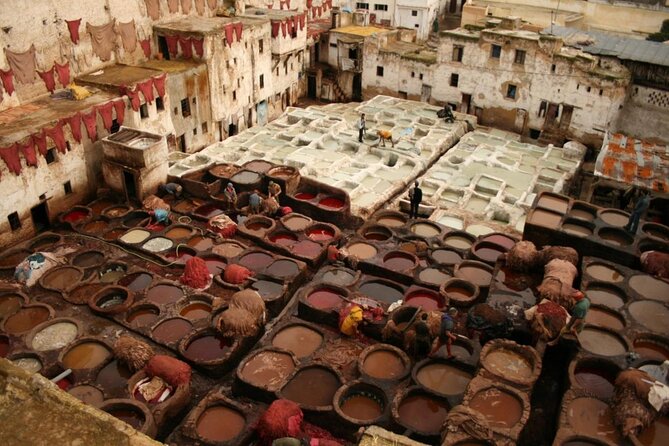
Day three is the strongest cultural day of the tour. A local guide leads you around Fes, including the outside of the King’s Palace, the medina, the Jewish quarter, and ceramic manufactories. These stops offer different views of the city: royal Morocco, old residential streets, Jewish heritage, and working craft production.
I particularly like the inclusion of the ceramic workshops. You see how Morocco’s famous tile patterns connect to actual production rather than encountering only finished goods in a shop. Still, workshop visits can also become shopping opportunities, so keep your budget and interests clear.
The itinerary lists an overnight in a riad in the Fes-Meknes area. A riad can be a memorable place to sleep, but the exact property and location are not given. Ask where it is, especially if you care about being close to the medina rather than outside the old city.
Ifrane, Azrou, and the long road south
Day four changes the feel of the trip. After breakfast, you drive south toward the desert, stopping first in Ifrane. The town is often called the Swiss of Africa because of its European-style appearance. That nickname tells you what to expect: a marked contrast with the old medinas and dry southern regions.
The next stop is Azrou, where you may see wild monkeys. The stop is mainly for photographs, followed by lunch at a restaurant. This is a pleasant break during a long driving day, but do not expect a full wildlife excursion. The wording suggests a roadside stop, and seeing the animals is not described as guaranteed.
The route continues through the Ziz Valley and its canyon near Errachidia. The valley adds much-needed visual variety after hours on the road. The itinerary also notes a fossil-related stop, though it does not specify the exact site or how long you will spend there.
By evening, you reach Erg Chebbi. The first desert night is listed as an overnight in a hotel, with the sunset as the main event. That distinction matters: the desert camp comes on the following night, not immediately after arrival.
A full desert day around Merzouga
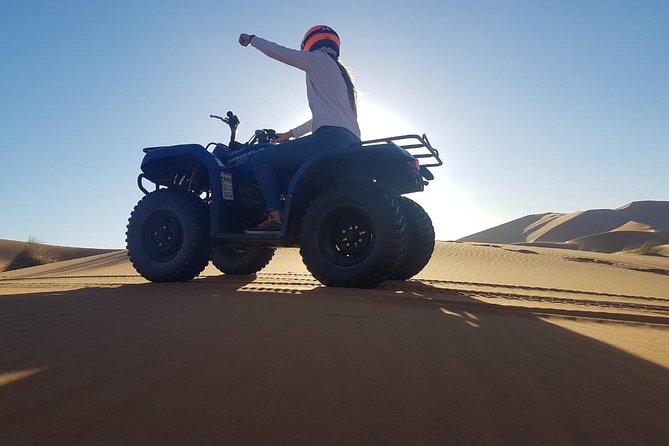
Day five is the heart of the trip. You explore the Merzouga area before riding camels to the desert camp. The day may include a visit to nomads, old or active mines, and a hike depending on the season. Since those parts can vary, ask your guide what is possible during your dates.
The Lake of Merzouga is a seasonal stop. When water is present, it can attract flamingos, but the itinerary clearly says the lake depends on conditions. You should treat it as a bonus, not the main reason to book the day.
Khamlia is included for lunch and Berber pizza. The village is also associated with music and desert culture, but the stated plan centers on the meal. This is one of the useful local touches in the program because it breaks up the standard pattern of viewpoints and monuments.
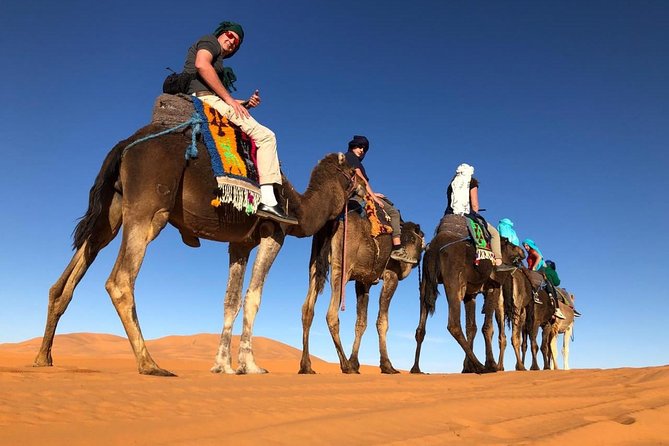
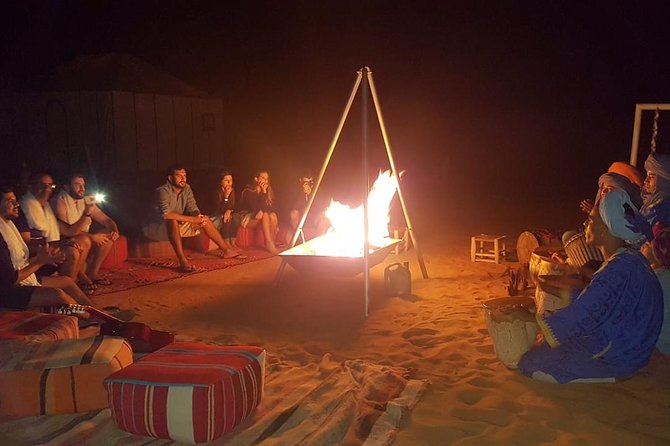
Later, you ride camels toward the Erg Chebbi camp. The listed camel trek lasts about an hour, enough to give you the classic dune experience without turning the whole day into a saddle endurance test. You then have time around Merzouga for sunset before spending the night in a Berber tent.
The camp is likely to be the emotional high point of the journey. You are away from the cities, with the dunes replacing streets and traffic. At the same time, you should know what this experience is and is not. It is a planned desert camp within a popular touring area, not a completely isolated expedition. The value comes from the setting, the camel ride, and the change in pace.
Past accounts of Sahara Riders often single out guides such as Youssef and Mohamed for being helpful, good-humored, and strong on Moroccan and Berber customs. Your assigned guide may be different, but a good guide matters here. The desert day involves timing, transport, camp coordination, and local visits, so clear communication makes a real difference.
A completely different kind of day in the Sahara Desert:
- From Marrakech: 3-Day Merzouga and Sahara Desert Tour
★ 4.9 · 15,308 reviews - From Marrakech: Merzouga 3-Day Desert Safari with Food
★ 4.7 · 12,232 reviews - 3-Day Marrakech to Fes Sahara Desert Tour via Merzouga
★ 5.0 · 6,546 reviews - 3-Day Tour to Merzouga Erg Chebbi with Food & Camel Trek
★ 5.0 · 1,770 reviews
Todra Gorge and the road through the valleys
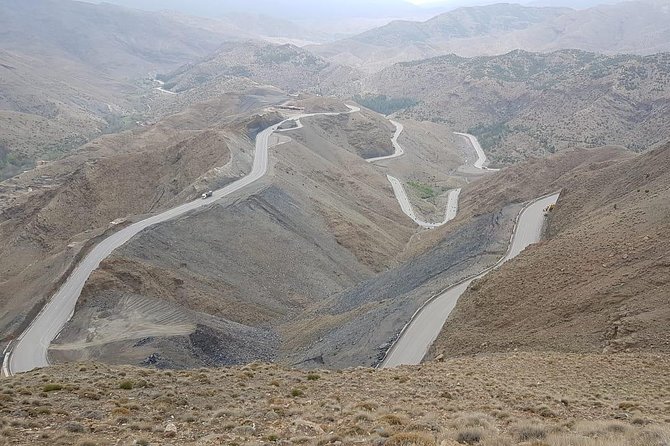
After the desert night, the route turns toward Todra Gorge. This is another long road day, with the overnight in Boumalne Dades. The itinerary also mentions a traditional market, donkey parking, and a fortified village along the way, but exact timing for these stops is not provided.
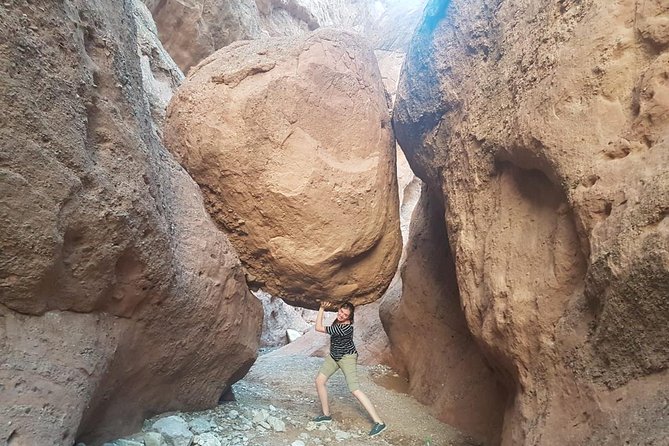
Todra Gorge is the major sight. Its limestone walls rise roughly 1,000 feet on either side, creating a narrow, dramatic passage. The planned stop is about 30 minutes, which is enough for photographs and a short look, but not enough for a serious hike.
That short duration is one of the tour’s compromises. You see many places, but some are introduced quickly. If you want extended walking in Todra Gorge, ask in advance if the schedule allows it. The route may also include a Berber cooperative where you can see handmade rugs, kilims, and carpets. This can be worthwhile if you want to understand local craft, but purchases are optional.
The overnight in Boumalne Dades gives you a break after the desert transfer. It also puts you near the Dades Valley and the rose-growing area for the final day.
Roses, kasbahs, and the High Atlas crossing
Day seven packs several southern Morocco highlights into the journey toward Marrakech. You pass through the Valley of Roses, known for rose products and photo stops. The stop is seasonal in feel, since the flowers and local production are most meaningful at particular times of year. Even outside peak bloom, the valley adds a different agricultural note to the route.
Skoura Valley follows, with its old kasbahs. Amridil is named as one of the best examples. Kasbahs are not just decorative ruins: they show how fortified homes and settlements shaped life along old trade routes. The exact time at Skoura is not stated, so ask whether Amridil is a proper visit or a photo stop.
The route also passes through Ouarzazate, known for film production. The city is often used as a gateway between the desert and the High Atlas, and its cinema connection gives you a glimpse of a very different modern Moroccan industry.
Ait Ben Haddou is the day’s major historic stop. You visit the old fortified village for about an hour. Its earthen buildings and compact lanes make it easy to understand why this location is used in films, but the real appeal is architectural. Walk slowly, look at the construction details, and take in the view from higher ground if the guide and timing allow it.
The final major crossing is Tizi n Tichka, the High Atlas pass. The planned stop is about an hour for panoramic photographs. This is a fitting end to a route built around changing scenery, although mountain roads can make the journey feel tiring after six busy days.
The tour ends in Marrakech, described as the red city with a famous medina and busy square. The supplied details do not name a precise drop-off point or departure time, so confirm both before booking connecting transport.
Is $2,320.48 a fair price?
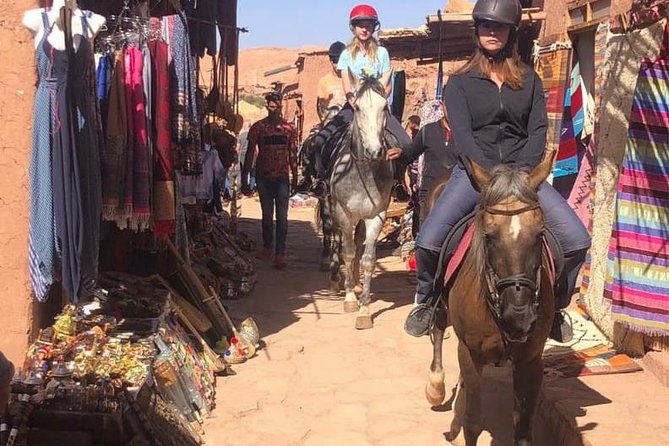
At $2,320.48 per person, this is not a budget tour. The price has to cover a week of private road transport within a group of up to 20, pickup, guiding, hotel and riad nights, desert arrangements, the camel ride, and breakfasts. Lunches, dinners, and some admissions or purchases are not covered, so you need extra spending money.
The value is strongest if you want one company to coordinate a complicated route. You avoid arranging separate transfers between Casablanca, Chefchaouen, Fes, Merzouga, Dades, and Marrakech. You also gain a guide who can explain cultural sites and manage the desert portion.
The value is weaker if you prefer slow travel, independent meals, or longer stays in each city. Seven days means you cover impressive ground, but you do not receive much flexibility. Get a clear list of included hotels, entrance fees, vehicle arrangements, and the exact final drop-off before paying.
Who should choose this Moroccan route?
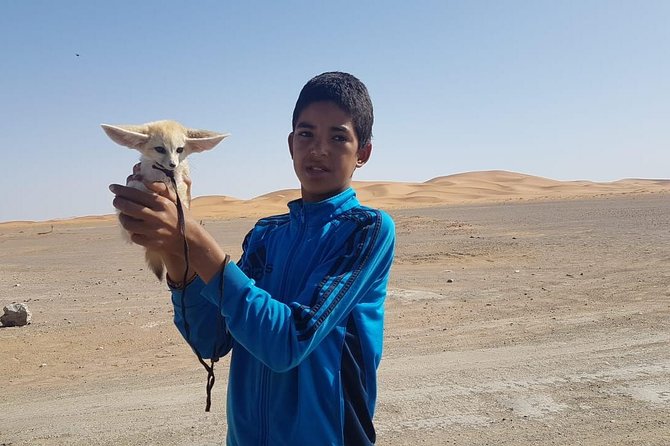
I would recommend it to you if this is your first visit to Morocco and you want the major route handled from start to finish. It suits people who enjoy variety, do not mind long drives, and want both city culture and a desert night.
It is also a good fit for solo participants or small groups who like meeting others without joining a very large coach tour. With a maximum of 20 people, the group should be more manageable than a big bus, though the actual group size can vary.
I would hesitate if you want serious hiking, extensive time in Fes, or several quiet days in the Sahara. The itinerary includes possible hiking, but it is not primarily a walking tour. It is a fast-moving Morocco sampler with a strong desert centerpiece.
Cancellation is free up to 24 hours before the start time. Within 24 hours, there is no refund. Poor weather or failure to reach the minimum group size can lead to a new date, another experience, or a full refund.
Should you book it?
Book this tour if your priority is seeing Morocco’s greatest range of regions in one week, with the major logistics already arranged. The strongest pieces are the guided Fes visit, the Merzouga day, the camel trek, Ait Ben Haddou, and the changing route through the Atlas and southern valleys.
Think twice if the price feels high for a schedule with long drives and self-funded lunches and dinners. Before booking, ask for the hotel names, the exact Casablanca pickup plan, the size of your departure group, the desert camp details, and how much time is normally allowed at Todra Gorge and Ait Ben Haddou. If those answers suit you, this is a practical way to see a remarkable cross-section of Morocco without having to organize every road and overnight yourself.
FAQ
Where does the tour start?
The tour starts in Casablanca, with pickup from a hotel or the airport. The listed start time is 8:00 a.m.
Where does the tour finish?
The tour finishes in Marrakech, in the red city known for its medina and busy square. A precise drop-off point is not provided.
How long is the tour?
The tour lasts approximately seven days.
Is transportation included?
Pickup and transportation between the listed destinations are included as part of the guided group experience. The tour has a maximum of 20 participants.
Are meals included?
Breakfasts are included. Lunches and dinners are not included, so you should budget for them separately.
Is the camel ride included?
Yes. The itinerary includes an approximately one-hour camel trek from Erg Chebbi to the desert camp.
Do you sleep in a desert tent?
Yes. The program includes one night in a Berber tent at the desert camp. The previous night near Erg Chebbi is listed as an overnight in a hotel.
Is the Lake of Merzouga always available?
No. The lake is seasonal, and the visit depends on whether water is present.
Is the Hassan II Mosque visit guaranteed?
No. The visit depends on your arrival time. If you arrive one day early, visiting the mosque is advised.
What is the cancellation policy?
You can cancel at least 24 hours before the start time for a full refund. Cancellations or changes made within 24 hours are not refunded or accepted. If poor weather or an insufficient number of participants cancels the experience, you can receive a different date or a full refund.
More Multi-Day Tours in the Sahara Desert
- From Fez: Sahara Desert 2-Day Tour with Merzouga Camp Stay
★ 4.8 · 1,716 reviews - From Marrakech: 3-Day Sahara Tour with Private tent & Meals
★ 4.8 · 1,652 reviews - Marrakech to Merzouga Desert 3-Day via the High Atlas Mountains
★ 5.0 · 1,434 reviews - From Marrakech: 3-Day Sahara Desert Adventure to Fes
★ 4.5 · 1,405 reviews
More Hiking and Trekking Tours in the Sahara Desert
- From Merzouga: Overnight Camel Trek over Erg Chebbi Dunes
★ 4.5 · 558 reviews - From Fes To Marrakech: 3-Day Sahara Desert Tour & Camel Trek
★ 4.8 · 389 reviews - From Fes: 2 Day Round Trip Via Merzouga Desert & Camel Trek
★ 4.8 · 80 reviews - 4-Day Marrakech to Merzouga Sahara Adventure & Camel Trek
★ 4.7 · 75 reviews
Just added around the Sahara Desert
- 4 Day desert trip from Fes to Marrakech and 2 night in merzouga★ 4.5 · 19 reviews
- 2 Days Sahara Group Tour Fez to Marrakech via Merzouga★ 5.0 · 49 reviews
- Private Fez to Marrakech Via Merzouga desert tour 3days★ 5.0 · 25 reviews
- shared group Fez To Fez via Merzouga Desert Tour 2 Days/ 1 Night★ 5.0 · 29 reviews
- Shared Group Fez To Marrakech via Merzouga Desert Tour 2 Days★ 5.0 · 18 reviews
- Fez to Marrakech via Merzouga Desert – 3 Day Desert Tour★ 5.0 · 120 reviews
- Fes to Fes 2 days via Merzouga desert tour★ 5.0 · 24 reviews
- 3 Days Desert Tour from Fes to Marrakech via Merzouga★ 5.0 · 24 reviews
Camel Rides, compared.
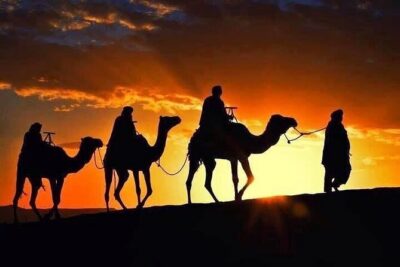
Agafay Desert Sunset, Camel Ride, and Dinner Show
Read our review →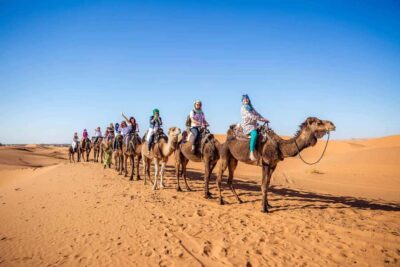
3 Days Desert Tour From Marrakech To Merzouga Dunes & Camel Trek
Read our review →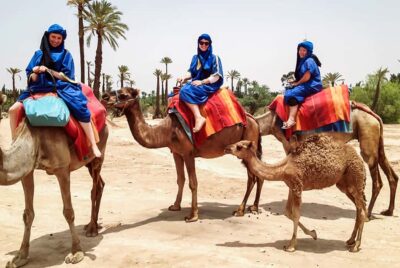
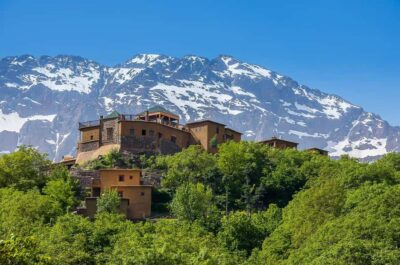
Marrakech Desert Quad and Camel ride, Lunch, and Poolside
Read our review →
Agafay Desert Quad Bike with Camels & Dinner Show
Read our review →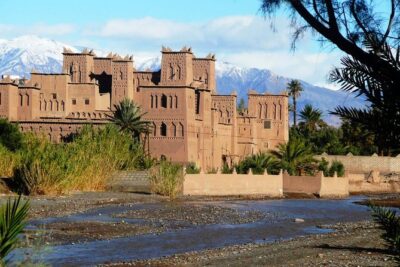
3-Day Tour to Merzouga Erg Chebbi with Food & Camel Trek
Read our review →
Balloon Flight, Berber Breakfast, and Camel Ride
Read our review →Browse the lists this tour appears in